By Mark Sherman and Eric Tucker
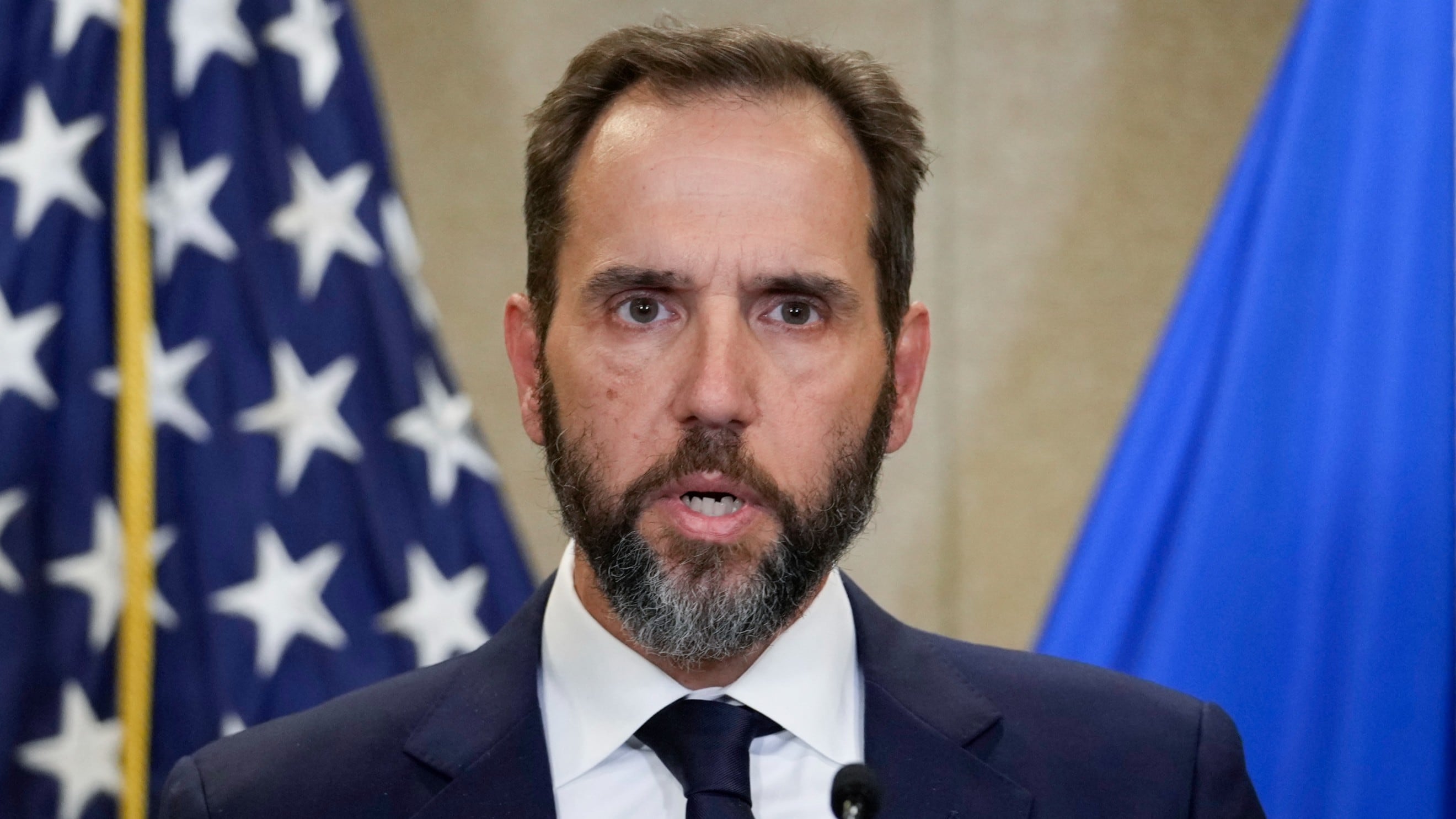
Special counsel Jack Smith on Monday asked the Supreme Court to take up and rule quickly on whether former President Donald Trump can be prosecuted on charges he plotted to overturn the 2020 election results.
Smith made his request for the court to act with unusual speed to prevent any delays that could push back the trial of the 2024 Republican presidential primary front-runner, currently set to begin March 4, until after next year’s presidential election.
Later Monday, the justices indicated they would decide quickly whether to hear the case, ordering Trump's lawyers to respond by Dec. 20. The court's brief order did not signal what it ultimately would do.
A federal judge ruled the case could go forward, but Trump said he would ask the federal appeals court in Washington to reverse that outcome. Smith is attempting to bypass the appeals court, the usual next step in the process, and have the Supreme Court take up the matter directly.
“This case presents a fundamental question at the heart of our democracy: whether a former President is absolutely immune from federal prosecution for crimes committed while in office or is constitutionally protected from federal prosecution when he has been impeached but not convicted before the criminal proceedings begin,” prosecutors wrote.
Trump's presidential campaign criticized Smith for trying to go around the appeals court. “There is absolutely no reason to rush this sham to trial except to injure President Trump and tens of millions of his supporters. President Trump will continue to fight for Justice and oppose these authoritarian tactics,” the campaign said in a statement.
The court is next scheduled to meet privately on Jan. 5, 2024. It's unclear whether the justices would convene sooner to take up Smith's request.
Underscoring the urgency for prosecutors in securing a quick resolution that can push the case forward, Smith and his team wrote: “It is of imperative public importance that respondent’s claims of immunity be resolved by this Court and that respondent’s trial proceed as promptly as possible if his claim of immunity is rejected.”
At issue is a Dec. 1 ruling from U.S. District Judge Tanya Chutkan that rejected arguments by Trump’s lawyers that he was immune from federal prosecution. In her order, Chutkan, who was appointed by President Barack Obama, wrote that the office of the president “does not confer a lifelong ‘get-out-of-jail-free’ pass.”
“Former Presidents enjoy no special conditions on their federal criminal liability,” Chutkan wrote. “Defendant may be subject to federal investigation, indictment, prosecution, conviction, and punishment for any criminal acts undertaken while in office."
If the justices get involved, they would have an opportunity to rule for the first time ever on whether ex-presidents enjoy immunity from prosecution. Justice Department policy prohibits the indictment of a sitting president. Though there’s no such bar against prosecution for a former commander in chief, lawyers for Trump say that he cannot be charged for actions that fell within his official duties as president — a claim that prosecutors have vigorously rejected.
Smith’s team stressed that if the court did not expedite the matter, there would not be an opportunity to consider and resolve the question in the current term.
“The United States recognizes that this is an extraordinary request. This is an extraordinary case,” prosecutors wrote. “The Court should grant certiorari and set a briefing schedule that would permit this case to be argued and resolved as promptly as possible.”
Prosecutors are also asking the court to take up Trump’s claim, also already rejected by Chutkan, that he cannot be prosecuted in court for conduct for which he was already impeached — and acquitted — before Congress.
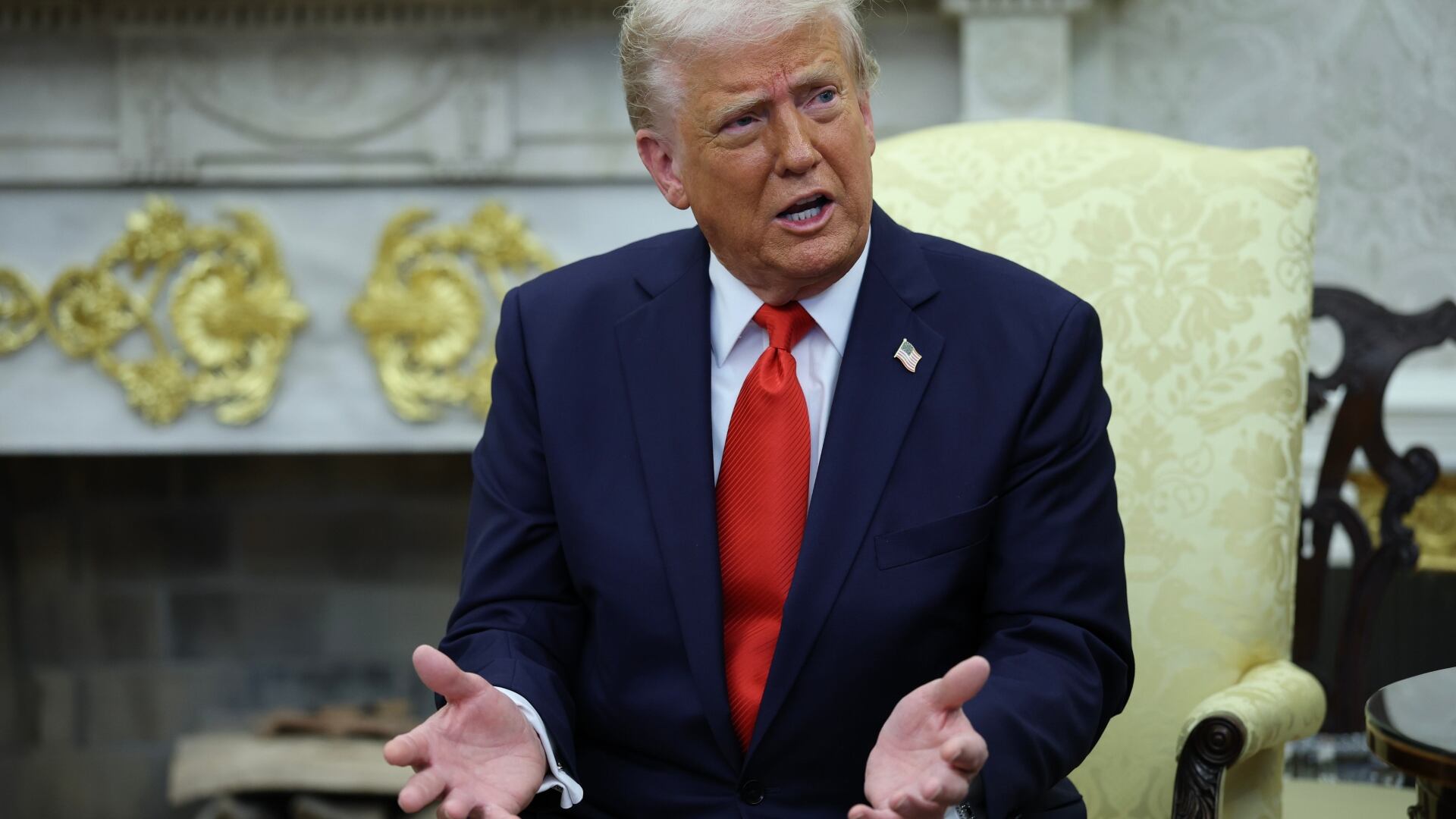
Trump faces charges accusing him of working to overturn the results of the 2020 election he lost to Democrat Joe Biden before the violent riot by his supporters at the U.S. Capitol. He has denied any wrongdoing.
A Supreme Court case usually lasts several months, from the time the justices agree to hear it until a final decision. Smith is asking the court to move with unusual, but not unprecedented, speed.
Nearly 50 years ago, the justices acted within two months of being asked to force President Richard Nixon to turn over Oval Office recordings in the Watergate scandal. The tapes were then used later in 1974 in the corruption prosecutions of Nixon's former aides.
It took the high court just a few days to effectively decide the 2000 presidential election for Republican George W. Bush over Democrat Al Gore.
If the justices decline to step in at this point, Trump's appeal would continue at the U.S. Court of Appeals for the District of Columbia Circuit. Smith already has asked for quick review there, too. But he said even a rapid appellate decision might not get to the Supreme Court in time for review and final word before the court's traditional summer break.
The special counsel's filings also show that Michael Dreeben, a former Justice Department lawyer who for years argued criminal cases at the Supreme Court, has joined Smith's team. Dreeben also was part of special counsel Robert Mueller's team in the investigation of Russian interference in the 2016 election.
Updated at 4:30 a.m. ET Dec. 12 with new information.