Speaker Ryan's Retirement Is a "Football Captain Quitting Halfway Through"
House Speaker Paul Ryan (R-WI) announced Wednesday he would not seek re-election in November, signaling that Republicans may have a more difficult time maintaining their Congressional majority through the midterm elections.
Ryan’s decision took his Republican colleagues and Democratic opponents by surprise, though he reminded reporters Wednesday he agreed to take up the Speaker’s job in 2015 “reluctantly.”
“I have given this job everything I have,” he said, according to the Associated Press. “We’re going to have a great record to run on.”
Ryan said he decided not to run again to spend more time with his three teenage children, who live in the same Wisconsin town in which Ryan grew up.
He will serve until the end of his term, in January.
His decision not to seek reelection will likely ignite the campaign for his Wisconsin seat and could swell the wave of Republican lawmakers deciding not to run, said Rep. Ruben Gallego (D-AZ).
“When the captain of the football team quits the game halfway through, gives you a good indication of how the rest of the game is going to go,” Gallego told Cheddar. “He knows he’s going to be a minority leader next year.”
“I think Republicans should really be worried about the tsunami that’s coming,” Gallego added.
After Ryan’s announcement, Rep. Dennis Ross (R-FL) announced he would retire after eight terms in the House.
More than 40 Republicans have announced that they won’t run in 2018, either because they’re retiring or seeking other office. Democrats need 24 seats to take back control of the House for the first time since 2011.
Republicans’ chances of maintaining their majority have been hurt by growing voter dissatisfaction and President Trump’s low approval ratings -- around 40 percent in recent polls.
Gallego, who represents Arizona’s 7th district, criticized Trump’s policies, especially his proposed border wall.
Funding for the wall was excluded from the recent $1.3 billion bipartisan spending bill the president signed, frustrating Trump. Instead, he suggested sending up to 4,000 National Guard troops to the southern border with Mexico, though they will not have the authority to make arrests or “perform law enforcement duties.” The governors of California, Texas, New Mexico, and Arizona have all agreed to send the National Guard.
Gallego criticized the president, saying he was using the National Guard as “a prop” in a political debate.
“There is no emergency,” Gallego said. “There’s no reason you call up the National Guard and call it a crisis, just so you can boost up your poll numbers.”
Last December, the arrests of illegal immigrants trying to cross into the U.S. dipped to the lowest level since 1971.
For the full interview, [click here.](https://cheddar.com/videos/why-rep-ruben-gallego-says-the-game-isnt-going-to-end-well-for-republicans-this-november)
A new report from ProPublica and the Washington Post found that Facebook Groups played a major role in the spread of misinformation linked to the January 6 insurrection with more than 650,000 posts claiming that Joe Biden's election victory was illegitimate.
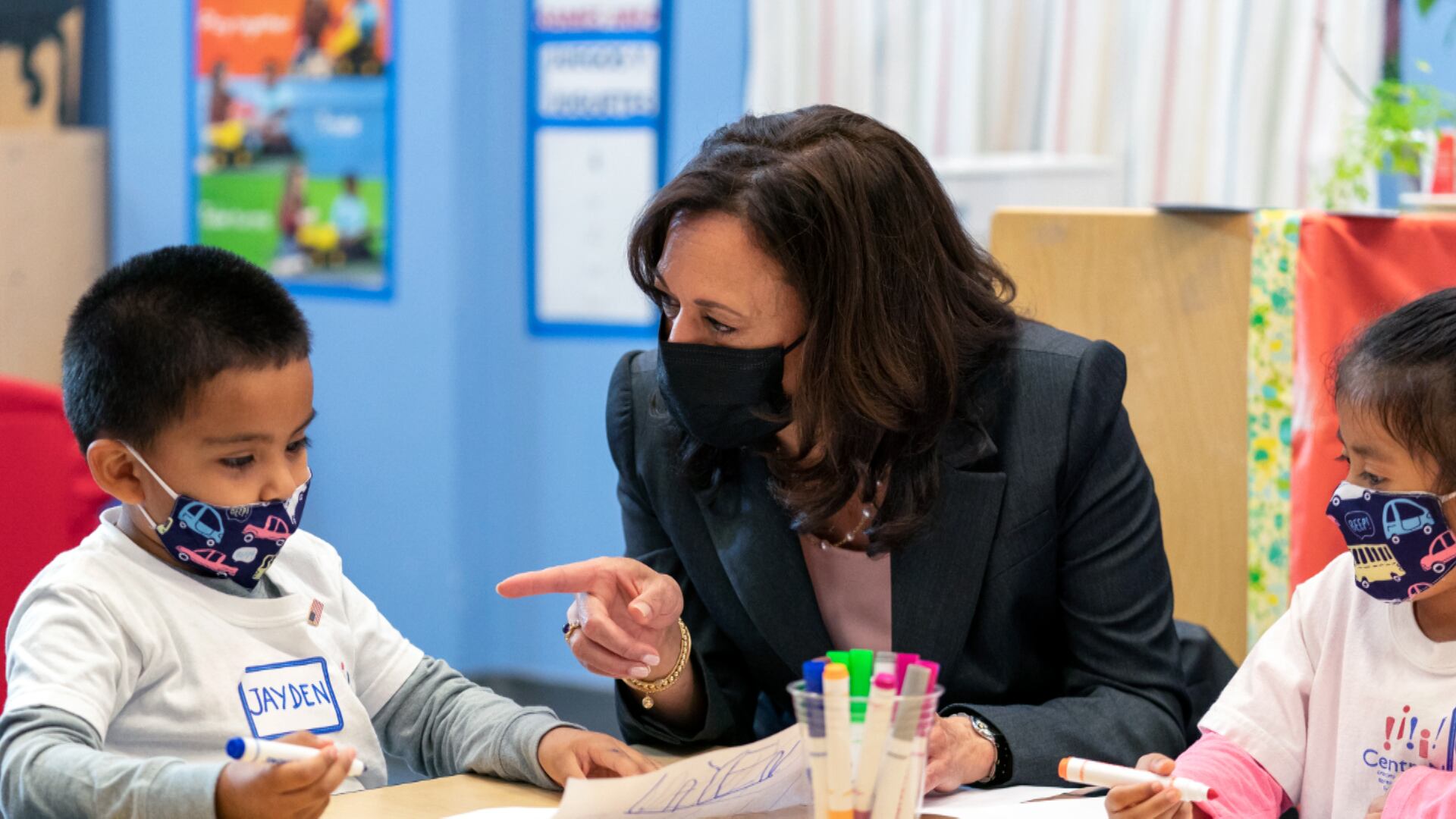
Millions of Americans with young children have relied on the child tax credit since the federal government began issuing checks in July 2021. The last round of payments was sent out just before the Christmas holiday — at the same time as the omicron variant surged. Leah Hamilton, associate professor of social work at Appalachian State University, joined Cheddar to discuss what the end to the tax credit means as the U.S. sees the end of many relief programs and its highest number of COVID cases since the start of the pandemic. "It'll become harder for families to meet their basic needs, increasing national childhood poverty rates and the proportion of families who have difficulty putting food on the table, maintaining stable housing, and paying their bills," Hamilton said. She also pointed to research that the credit as a long-term investment in children offsets claims that it contributes to macroeconomic impacts like inflation.
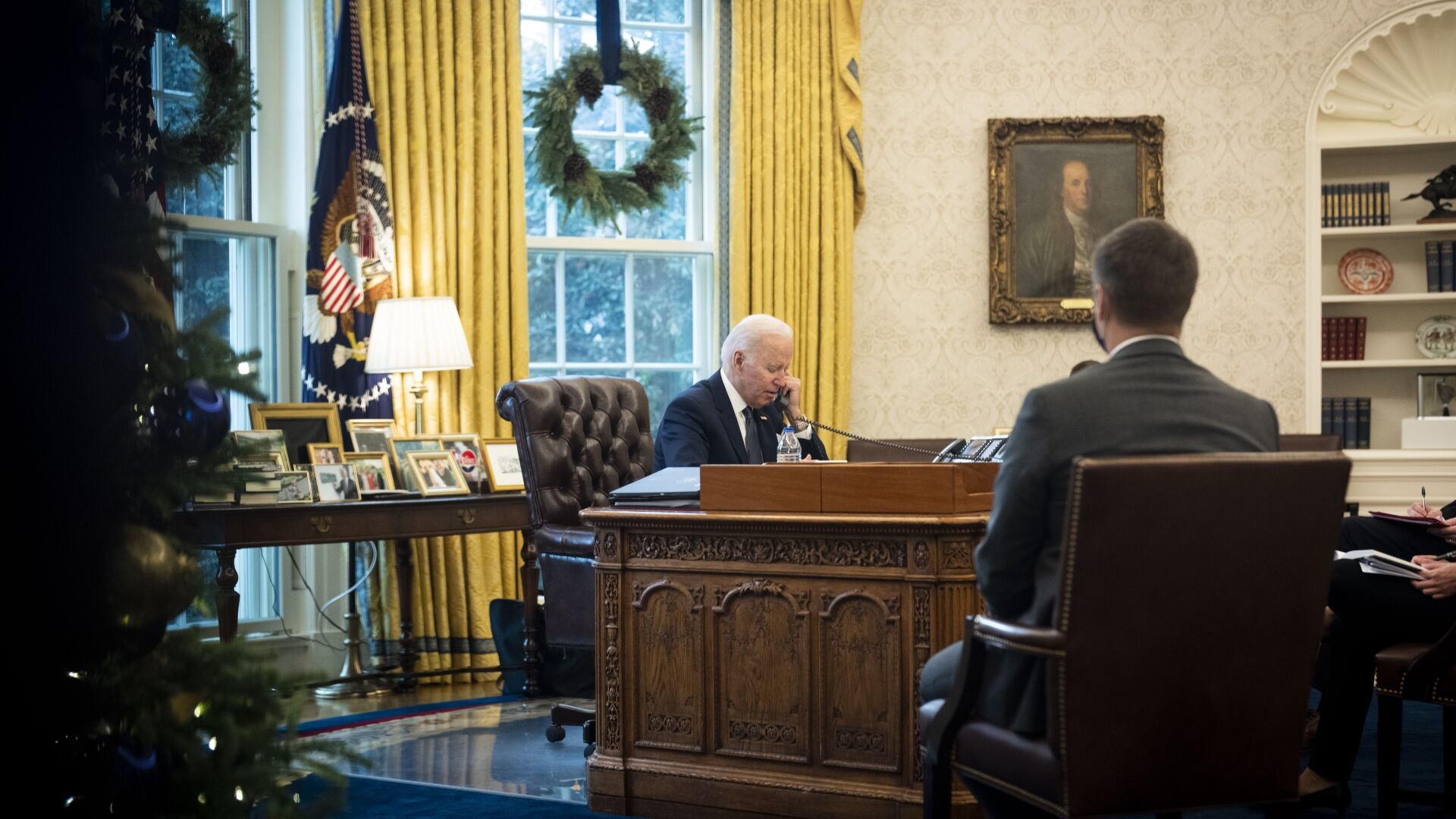
U.S. President Joe Biden spoke with Ukrainian President Volodymyr Zelensky over the week-end, just days after he spoke with Russian President Vladimir Putin. The call comes as Washington prepares to meet with Moscow on January 10, as tensions mount over Russia's military build up near its border with Ukraine. Cheddar News speaks with Mustafa Tameez, a former advisor to the U.S. Department of Homeland Security, about the issue.
Several Silicon Valley insiders are being accused of contorting a 1990s-era tax break to avoid taxes on millions of dollars of investment profits. The tax break is known as the qualified small business stock exemption, and it allows early investors in certain companies to avoid half of the taxes on up to $10 million in capital gains. A piece recently published in the New York Times says venture capital firms like Andreessen Horowitz replicated the tax exemption by giving shares of companies to friends and family, who would otherwise face a 23.8% capital gains bill. The CEO of Roblox is also accused of replicating the tax break for his family members at least 12 times. Although the loophole known as 'stacking' is considered to be legal, the Times piece implies that the exemption has been manipulated for the ultra-wealthy to become more wealthy. Greycroft co-founder and Chairman Emeritus Alan Patricof joins Cheddar News' Closing Bell to discuss.
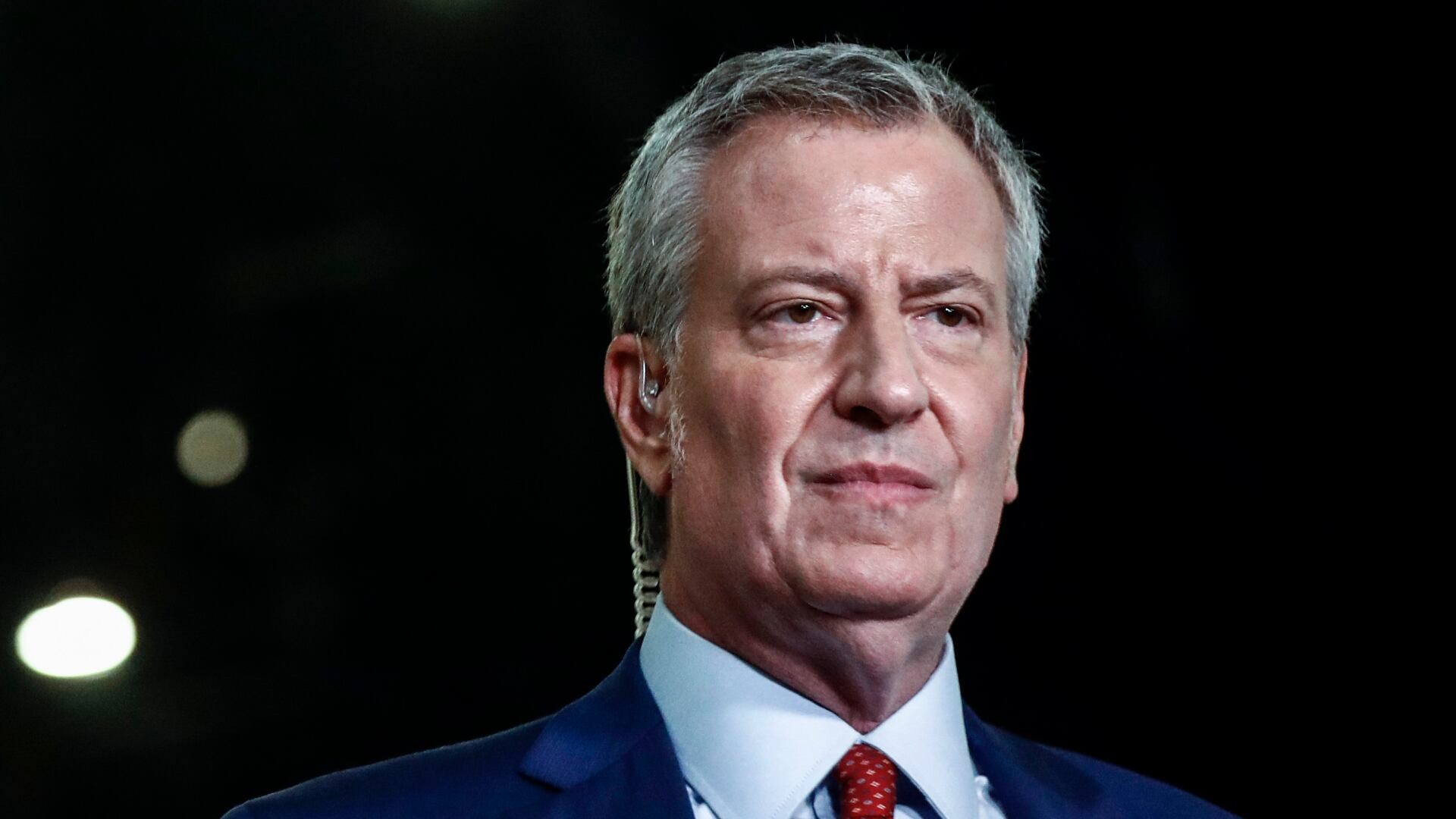
Chris Sommerfeldt, City Hall reporter for the New York Daily News, joins Cheddar News' Closing Bell, where he discusses both the wins and losses of Bill de Blasio's eight years as New York City Mayor.
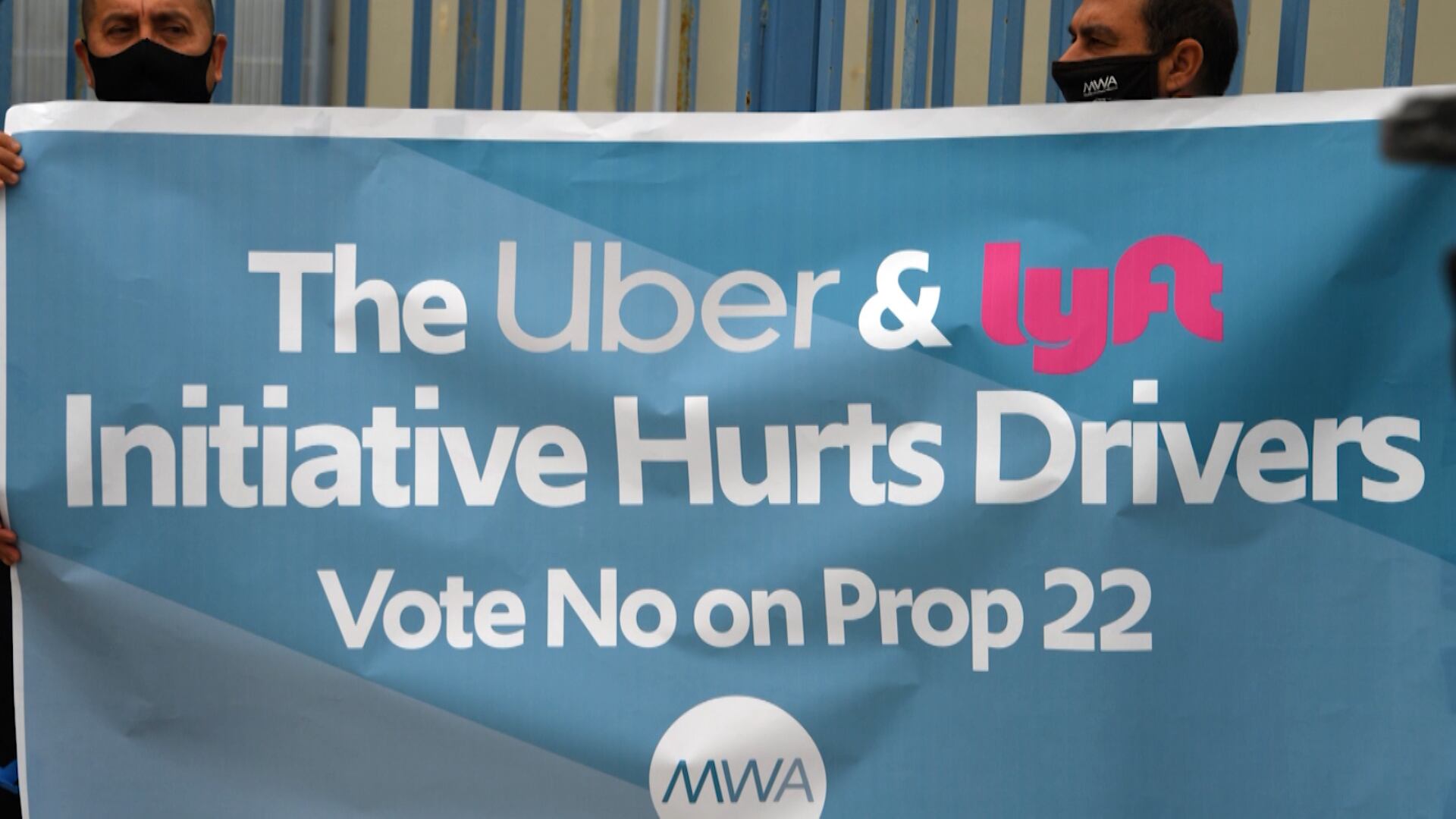
The push to regulate the gig worker economy is gaining steam as the share of workers who participate in freelancing through businesses like Uber and Lyft have also exponentially grown during the pandemic. Employment attorney Mark Kluger, founding partner at Kluger Healey, LLC, joined Cheddar to break down how the battle to reclassify gig workers will continue in the new year, and why the issue continues to generate conflict. "More and more workers are using gig work as their primary source of income and as a result of that they are not like employees in the sense that they don't have benefits like health insurance," Kluger noted.
2021 saw markets continue to be impacted by the onslaught of the coronavirus pandemic -most recently in the form of the Omicron variant- in addition to the global supply chain shortage, and increased inflation. But it wasn't all bad news, as crypto soared throughout the year, and meme stocks continued to have a moment. With the year coming to a close, investors are keeping an eye out to see if they should expect more of the same in the new year. Chris Vecchio, Senior Analyst, at DailyFX tells us what market trends to be on the watch for in 2022.