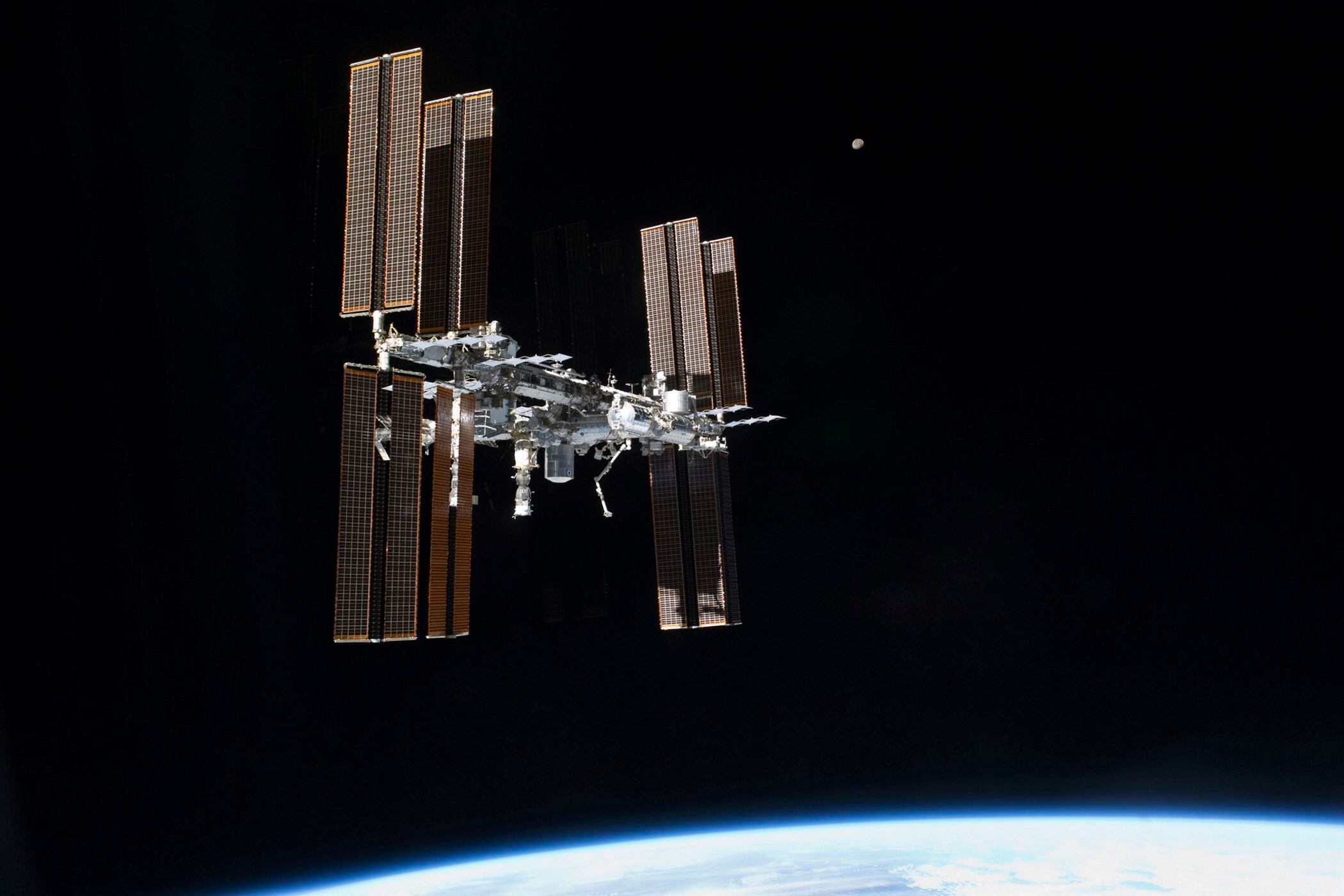
This July 19, 2011 photo of the International Space Station was taken from the space shuttle Atlantis. On Tuesday, Sept. 29, 2020, NASA said that the two Russians and one American on board were awakened late Monday to hurriedly seal hatches between compartments and search for the ongoing leak, which appeared to be getting worse. It was the third time in just over a month that the crew had to isolate themselves on the Russian side, in an attempt to find the growing leak. (NASA via AP)
By Marcia Dunn
A small air leak at the International Space Station finally has been traced to the Russian side, following a middle-of-the-night search by astronauts.
NASA said Tuesday that the two Russians and one American on board were awakened late Monday to hurriedly seal hatches between compartments and search for the ongoing leak, which appeared to be getting worse. It was the third time in just over a month that the crew had to isolate themselves on the Russian side, in an attempt to find the growing leak.
It turns out instead of the leak getting bigger this time, a temporary temperature change caused the erroneous cabin air pressure reading, according to NASA. The leak was first spotted a year ago.
NASA officials stress that the leak remains small and poses no danger. The astronauts will now use leak detectors to try to pinpoint the leak in Russia’s main living and working compartment called Zvezda, Russian for Star.
Space station deputy program manager Kenny Todd said the good news is that “instead of a bunch of haystacks, we're down to maybe one haystack." But he added: “It's still a needle we're looking for.”
NASA is sending up extra air supply tanks on its next space station delivery, scheduled for a Thursday departure from Virginia. As long as the leak does not worsen, Todd said, the space station should be fine through next spring.
In two weeks, two Russians and an American are scheduled to arrive at the space station, followed by a crew of three Americans and a Japanese on SpaceX's second launch of astronauts, now targeted for Oct. 31.
During a news conference Tuesday from Houston, NASA astronaut Mike Hopkins, the commander, announced that the SpaceX capsule would be called Resilience — to reflect how the world is coping with this year's challenges.
“We hope that it brings a smile to your face and we hope that it provides something positive in your lives. Quite frankly, we hope that it’s an inspiration,” Hopkins said of the name and the mission.
___
The Associated Press Health and Science Department receives support from the Howard Hughes Medical Institute’s Department of Science Education. The AP is solely responsible for all content.
Carlo and Baker cover the big races to watch on this off-cycle Election Day, the concrete pledges starting to come out of COP26, Jeffrey Epstein keeps causing CEOs to lose their jobs, and Ryan Murphy's TV hit that wasn't.
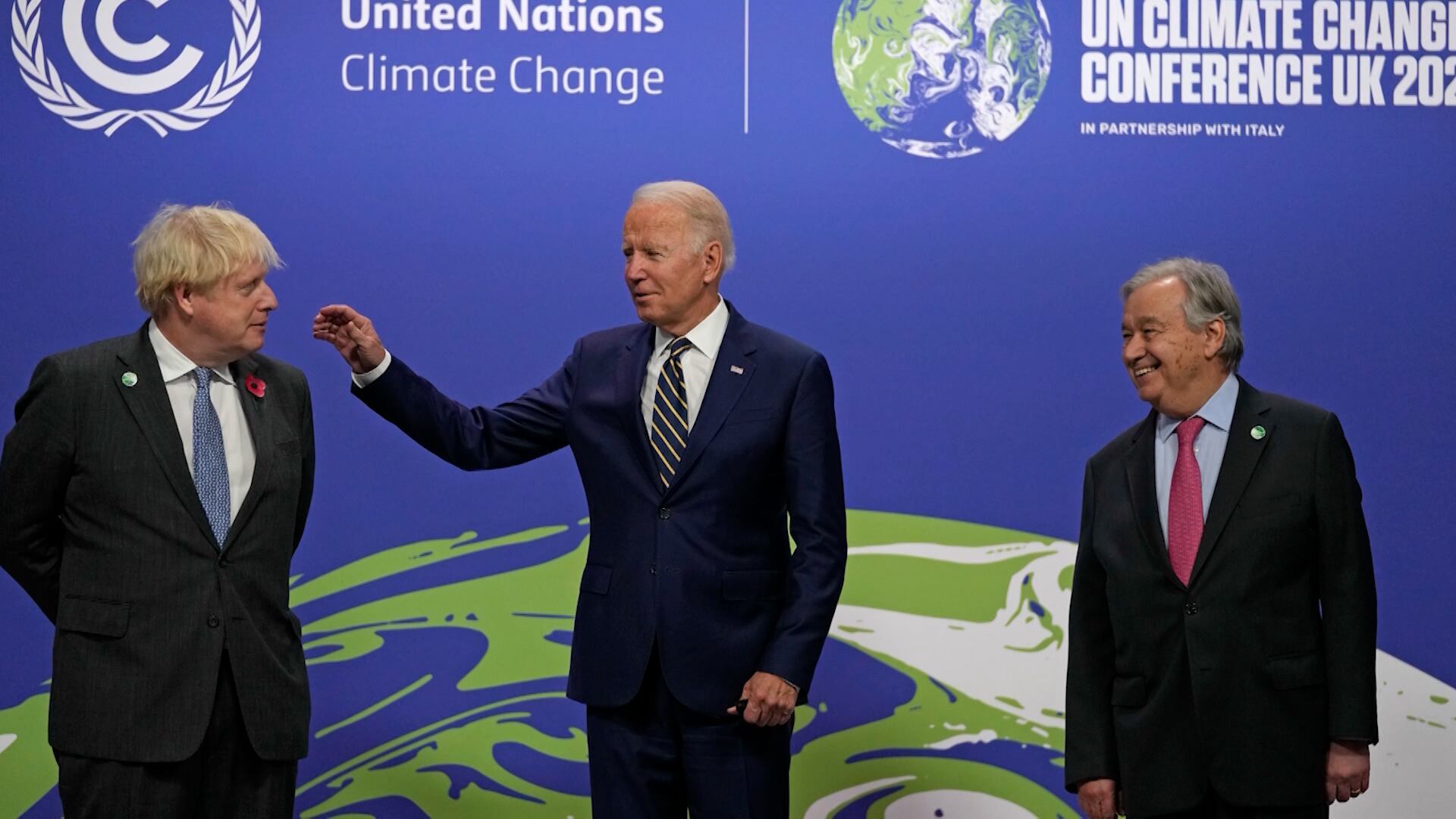
The UN climate change conference kicked off on Sunday with about 120 world leaders and delegates gathering in Glasgow, Scotland this week, as experts continue to warn about the harms of heightened emissions and the effects on climate change. The topic of ESG investing is expected to be a top priority at the summit. Jefferies global head of ESG and sustainability research Aniket Shah joined Cheddar News' Closing Bell to discuss.
Christian Kroll, CEO of Ecosia, joins 'Fast Forward' to discuss how Ecosia uses its ad revenue to plant trees, and what the company plans to do after launching a $405 million venture capital fund focused on combating the climate crisis.
Dr. Ashley McClure, co-founder of Climate Health Now, joins 'Fast Forward' to discuss why the climate crisis is the greatest threat to humanity and health, and measures we need to take to reverse course.
Clinical research company Medable has secured $304 million in Series D funding, marking its fourth round since 2020, giving the firm a valuation of just over $2 billion. Dr. Michelle Longmire, CEO and Co-founder, Medable joined Cheddar's Opening Bell to discuss the future of the company.
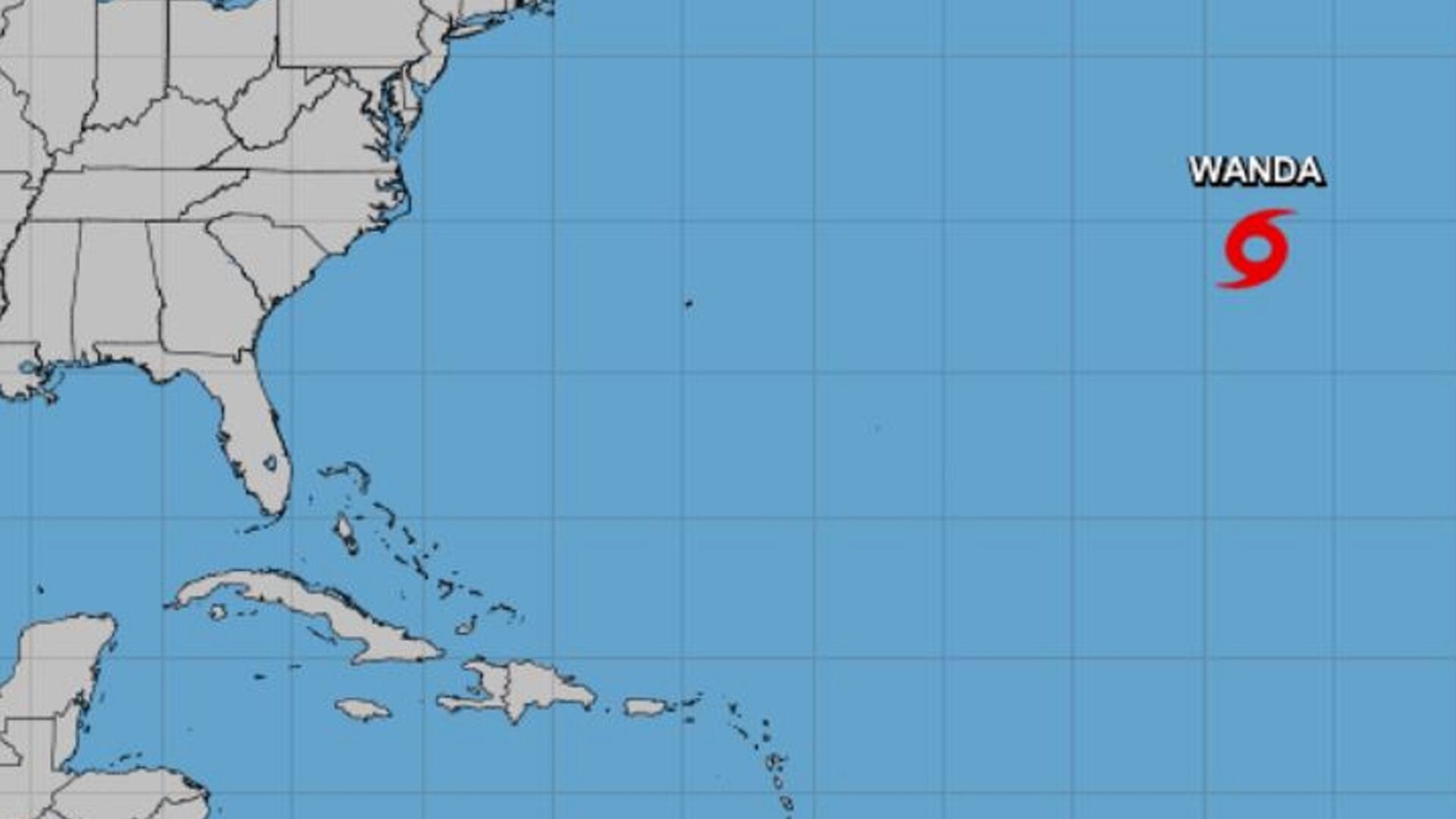
The National Hurricane Center announced that the list of storm names in 2021 has been exhausted as one of the most active hurricane seasons in history continues to stir in the Atlantic Ocean. Subtropical Storm Wanda marks only the third time in history (last year being the second) that all the names were used in a single season.
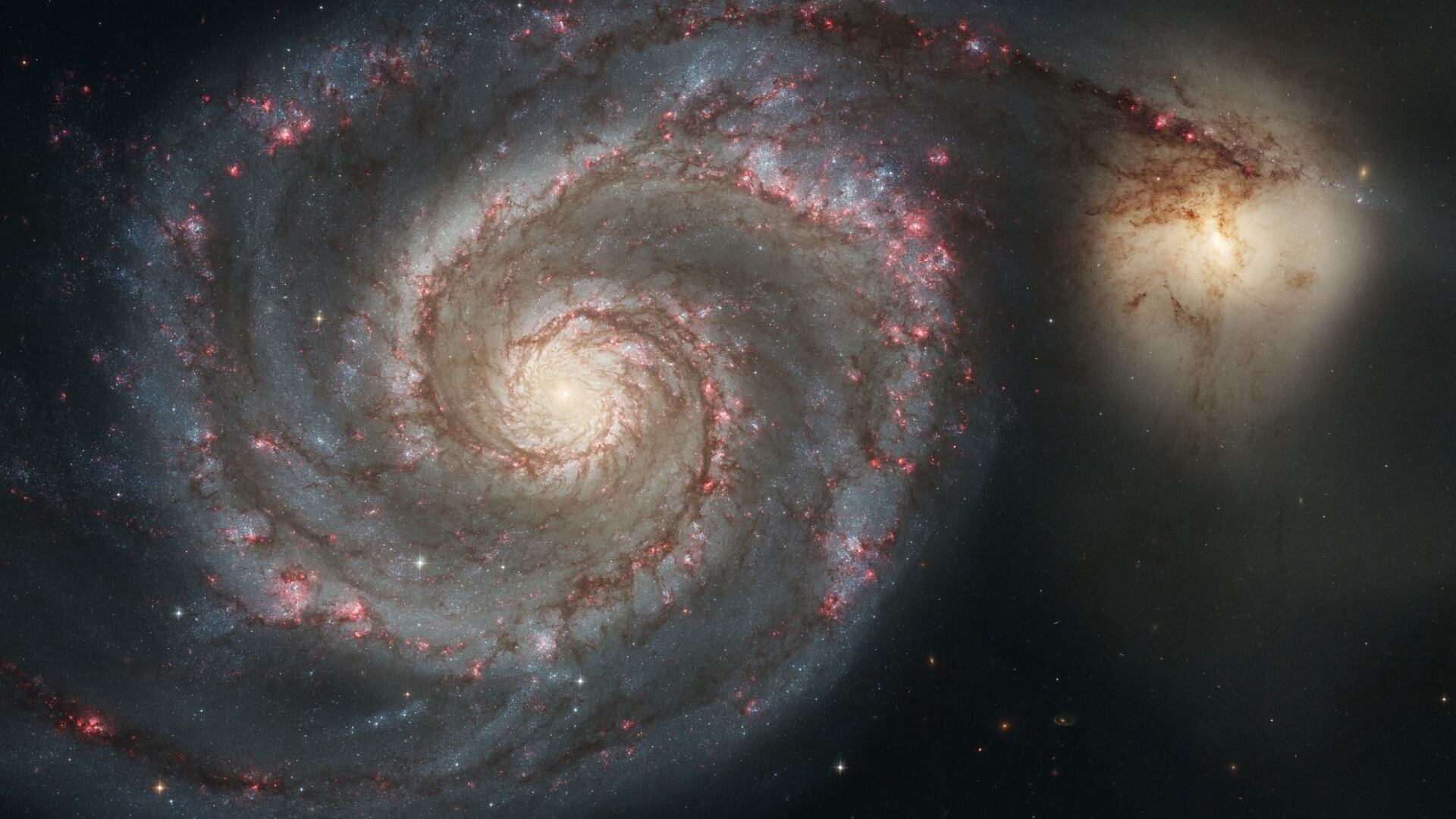
Astronomers at NASA have located what could be the first exoplanet not only outside of the solar system but outside of our own galaxy in the Messier 51 (or the Whirlpool Galaxy), 28 million light-years away. It could take astronomers up to 70 years to see if the planet passes in front of its star to verify the find.
Even with pandemic lockdowns, greenhouse gas levels reached new highs in 2020, according to the World Meteorological Organization. This report comes just a week ahead of the United Nations Climate Change Conference, otherwise known as Cop26. Shannon Osaka, climate policy and solutions reporter at Grist, joined Cheddar's Between Bells to discuss.
Oatly Chief Sustainability Officer, Ashley Allen joins Cheddar News to talk about food waste and hows its been left off the table in the upcoming COP26 agenda. Ashley will be on the ground at COP26 and advocating for this conversation to get the attention it deserves.
Carlo's flying solo today, talking COP26 and climate change, another racially charged trial gets underway, SCOTUS takes on abortion and a stunning rise in traffic deaths points to a bigger societal breakdown sparked by the pandemic.