Smart speaker maker Sonos has officially filed to go public.
The company, which confidentially filed for an IPO in April, could raise as much as $100 million in the offering. It could be valued at as much as $3 billion.
According to its regulatory filings, Sonos brought in revenue of over $1 billion in the 12 months ending in March. It posted a profit of $13.1 million in the first half of its fiscal year, slightly lower than the $15 million brought in the previous year. Over the last 12 months though, the company posted a loss of about $16 million.
Sonos, founded in 2002, has become a massive player in the home audio space, its products integrating with Amazon Alexa. But it's also got a lot of competition, from Amazon itself, as well as Apple, Google, and traditional speaker companies like Bose.
The company plans to list on the Nasdaq under the ticker "SONO."
Quantum computing is moving from science fiction to national strategy. Infleqtion CEO Matt Kinsella explains Trump's new executive order and what it means.
Foundation Robotics co-founder Michael LeBlanc explains how humanoid robots are moving from the lab to military and industrial missions and what comes next.
Jeff Burnstein, President of the Association for Advancing Automation (A3), discusses humanoid robots, AI, smart manufacturing, and the future of U.S. industry.
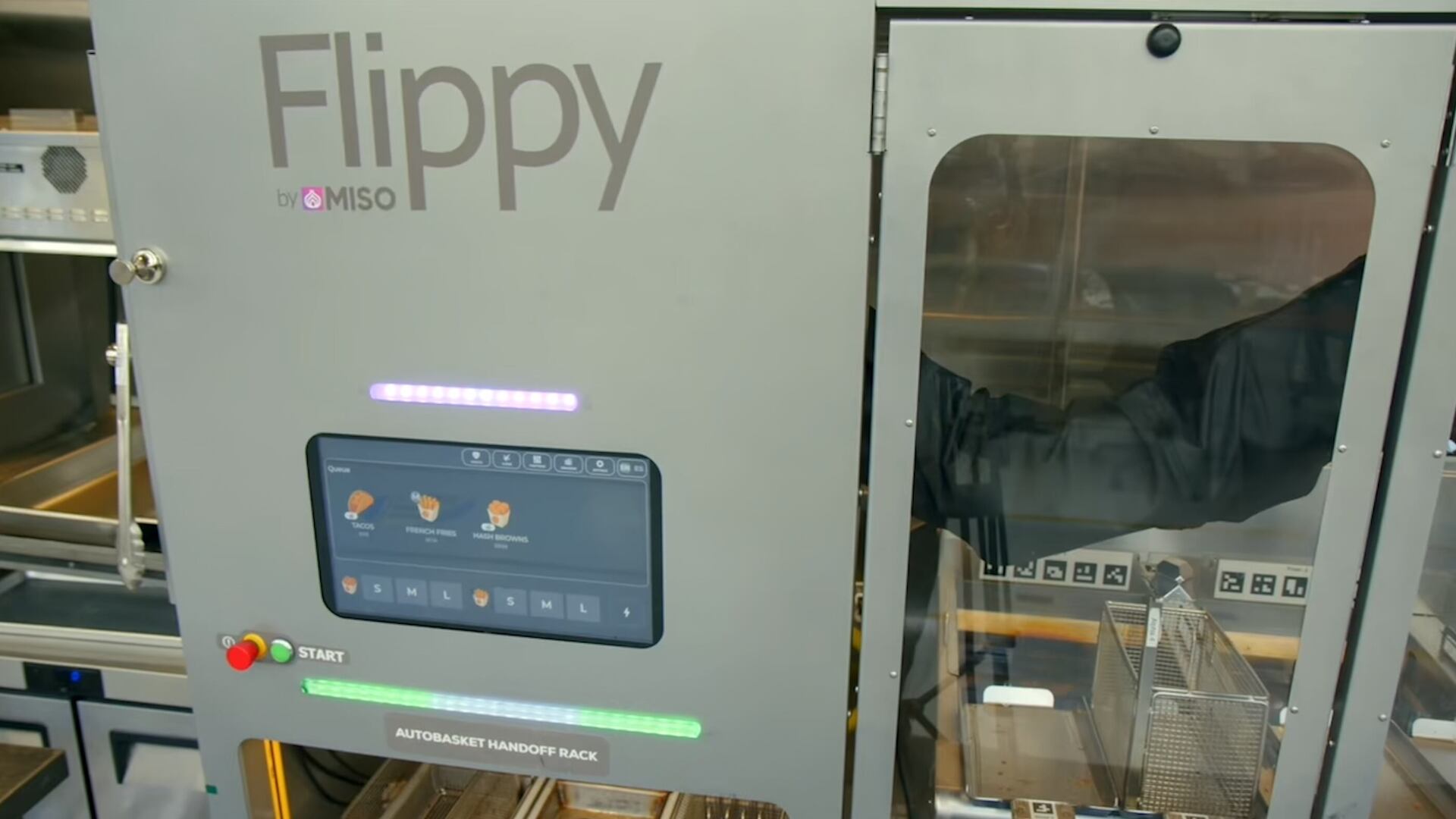
Miso Robotics CEO Rich Hull discusses Flippy Fry Station, the future of AI-powered restaurant automation and how acquiring Zume's IP could reshape food robotics
PSYONIC CEO Dr. Aadeel Akhtar explains how the company's Ability Hand restores sensation for amputees while helping train smarter, more capable AI robots.
Andrew Rush, CEO of Star Catcher Industries, joins us to discuss how wireless power transmission could reshape satellite technology and space communications.