Music artists won a big fight against streaming services this week, but legendary songwriter Linda Perry thinks there’s more to be done.
“There’s a lot of people where this is their bread and butter, this is what they’re leaving to their children, this is their gift, this is their music...and they’re being very overlooked and underpaid,” she told Cheddar.
“Are we trying to make changes? Yes, absolutely.” But that change isn’t coming fast enough.
Perry’s comments come after the Copyright Royalty Board ruled that companies such as Google, Spotify, and Apple need to increase artists’ pay from 10.5 percent to 15.1 percent of revenues over the next five years. This is the largest pay increase in CRB history, according to one industry organization.
But the Songwriters Hall of Fame inductee, who’s written for the likes of Christina Aguilera and Alicia Keys, told Cheddar that in the days before streaming, artists would get more.
“When MTV played your song or video you would get $49.95, and then every time the radio played your song you would get a certain amount of money,” Perry said. “Your songs weren’t played [as much], and you were making a lot of money. Now your songs are all over the place, and you’re making less money.”
For full interview, [click here](https://cheddar.com/videos/music-legend-linda-perry-helps-unknown-artists-get-heard).
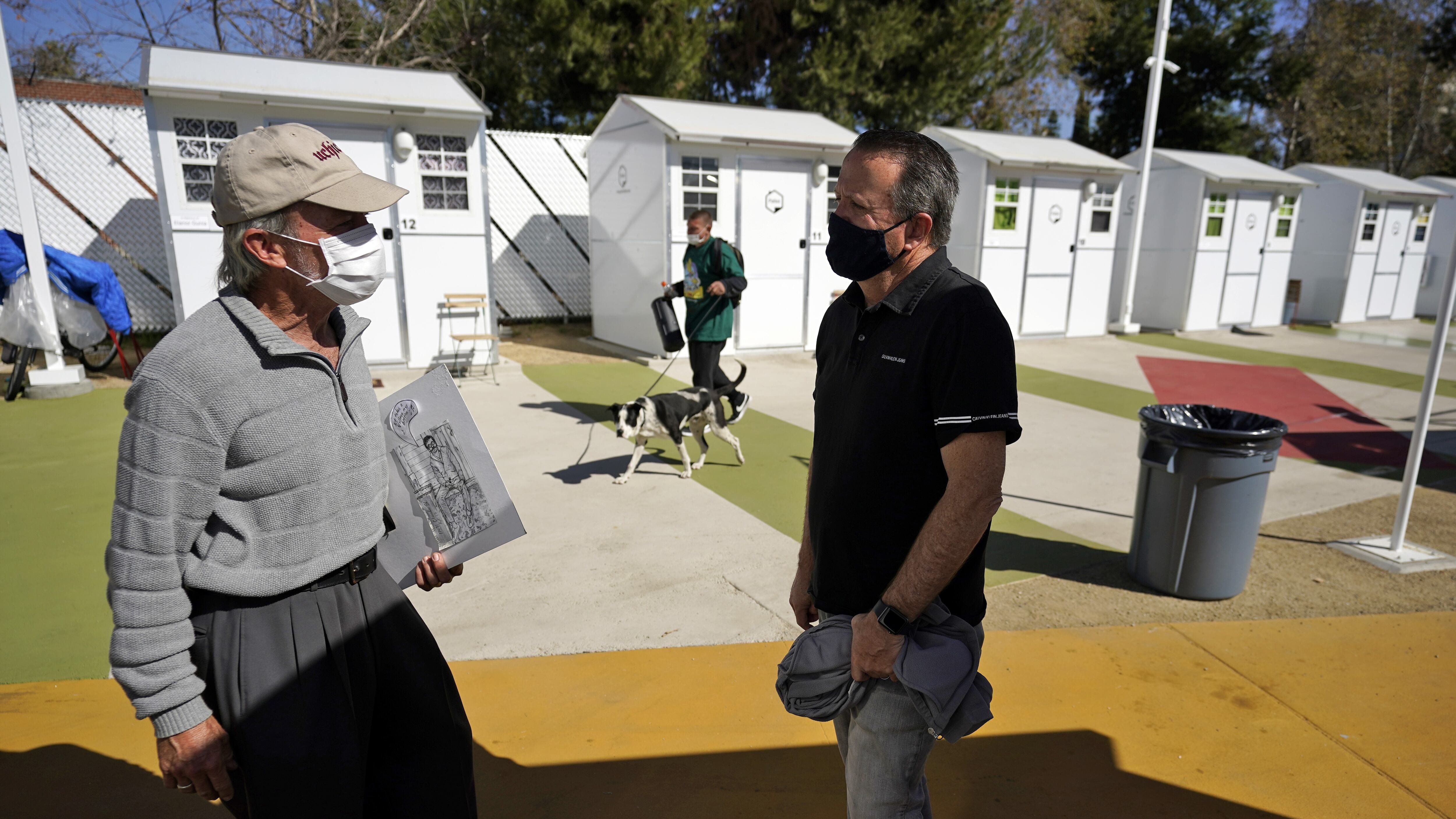
Tiny homes have been promoted as the solution to all kinds of housing needs — an affordable option in expensive big cities and simplicity for people who want to declutter their lives. They are increasingly used as shelter for homeless people in other California cities, including San Jose and Sacramento, as well as nationally in Seattle, Minneapolis and Des Moines, Iowa.
Eisenhower’s interstate system was the biggest infrastructure project of its time. What justified the cost was its potential to connect all corners of America, but the unforeseen impacts of the highway system seemed to do the opposite of the intention.
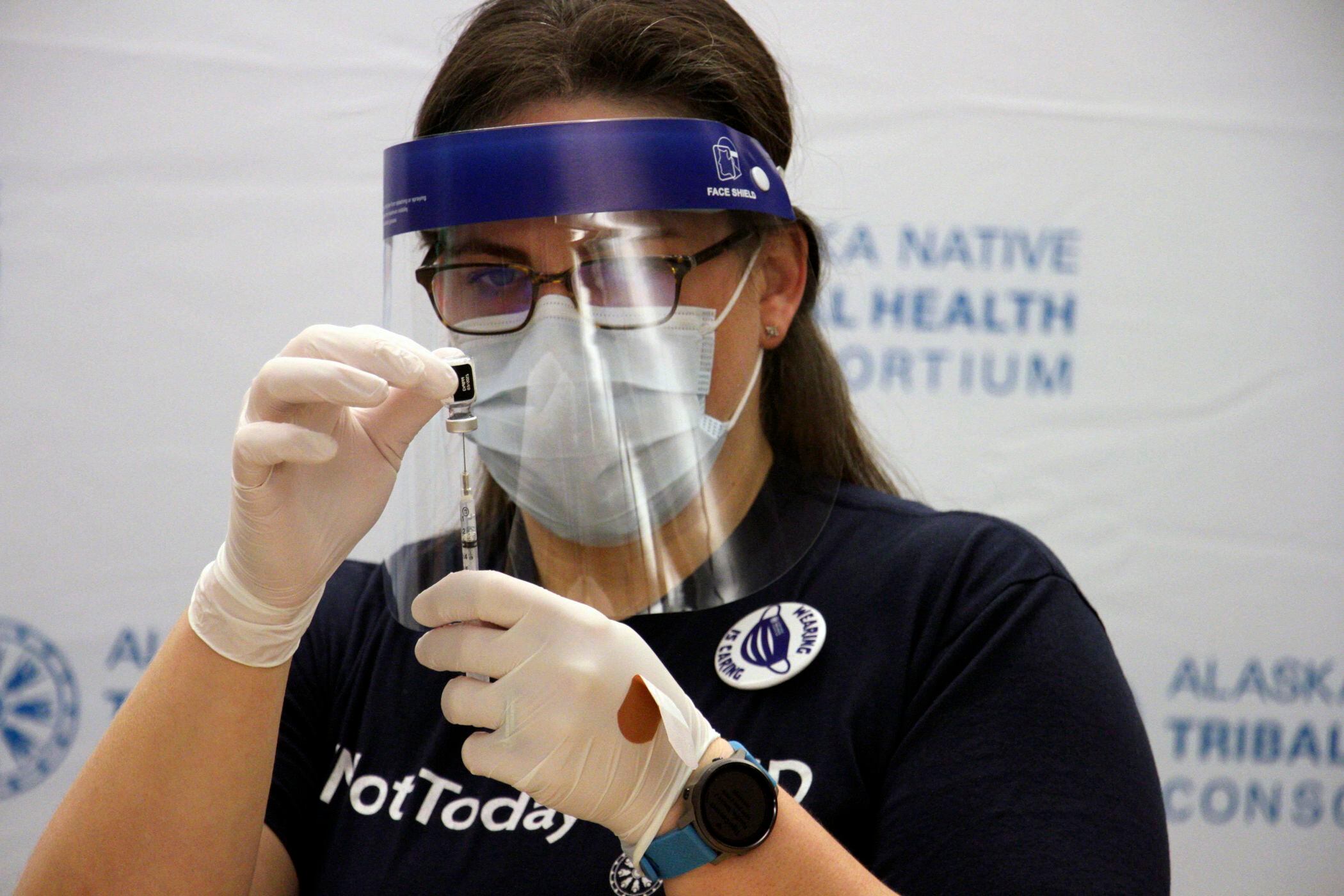
Dr. Anne Zink, chief medical officer for the state of Alaska, spoke to Cheddar about Alaska's remarkable task of getting COVID vaccines to a widespread populace even as the state opens up eligibility to nearly everyone.
Nod your head, chug your cocktail, or just close your tired eyes if you’ve done any of the following during this crazy quarantine
Roblox, a gaming platform last valued at $29.5 billion in the private sector, took off immediately in its public debut on the NYSE Wednesday.
Alaska becomes the first state to drop all eligibility requirements for vaccinations. Breast milk from vaccinated mothers is shown to have antibodies. Biden won't put his name on the stimulus checks, and more.
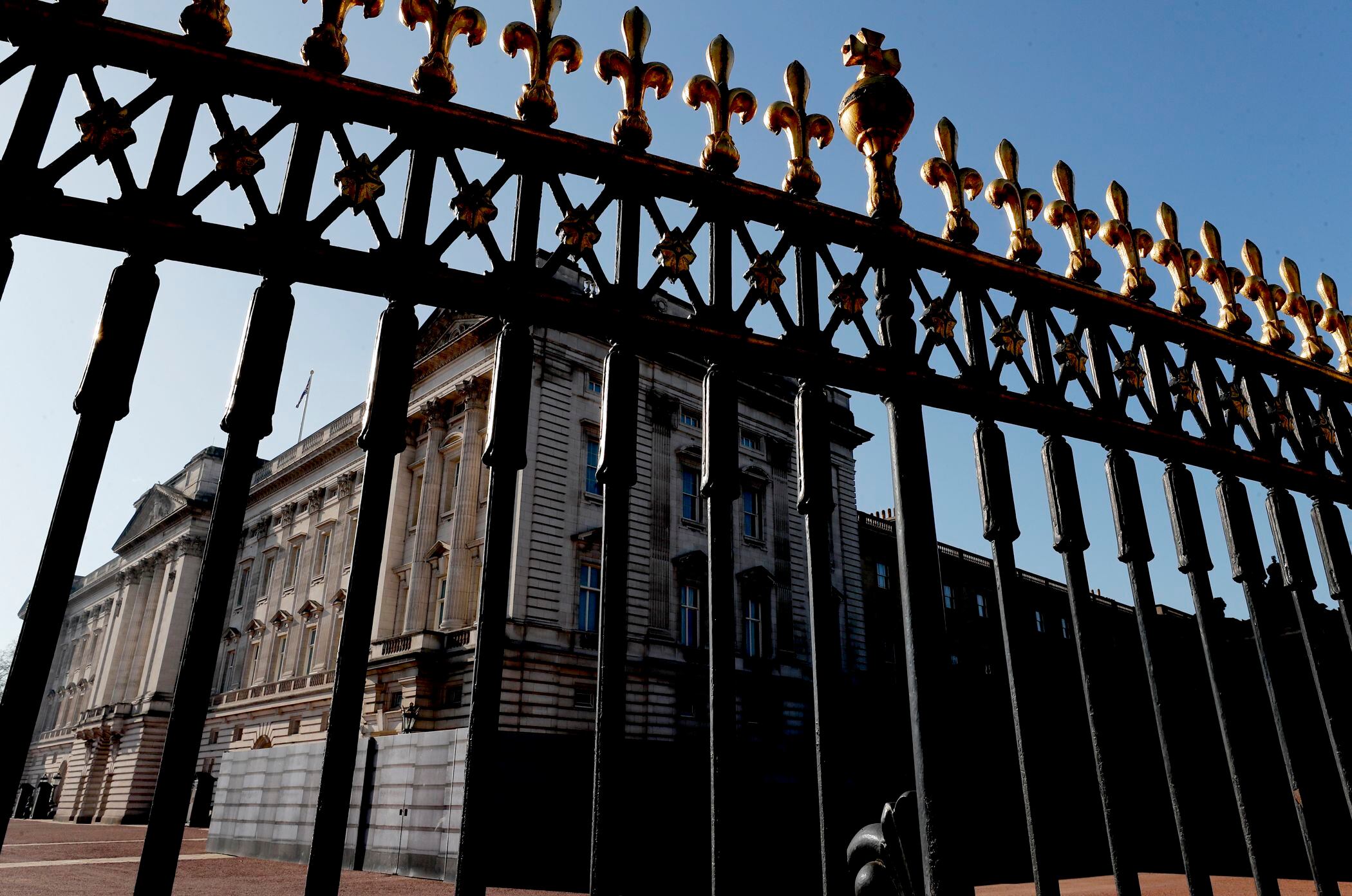
Buckingham Palace says allegations of racism made earlier this week by Prince Harry and Meghan were “concerning” and would be addressed privately by the royal family.
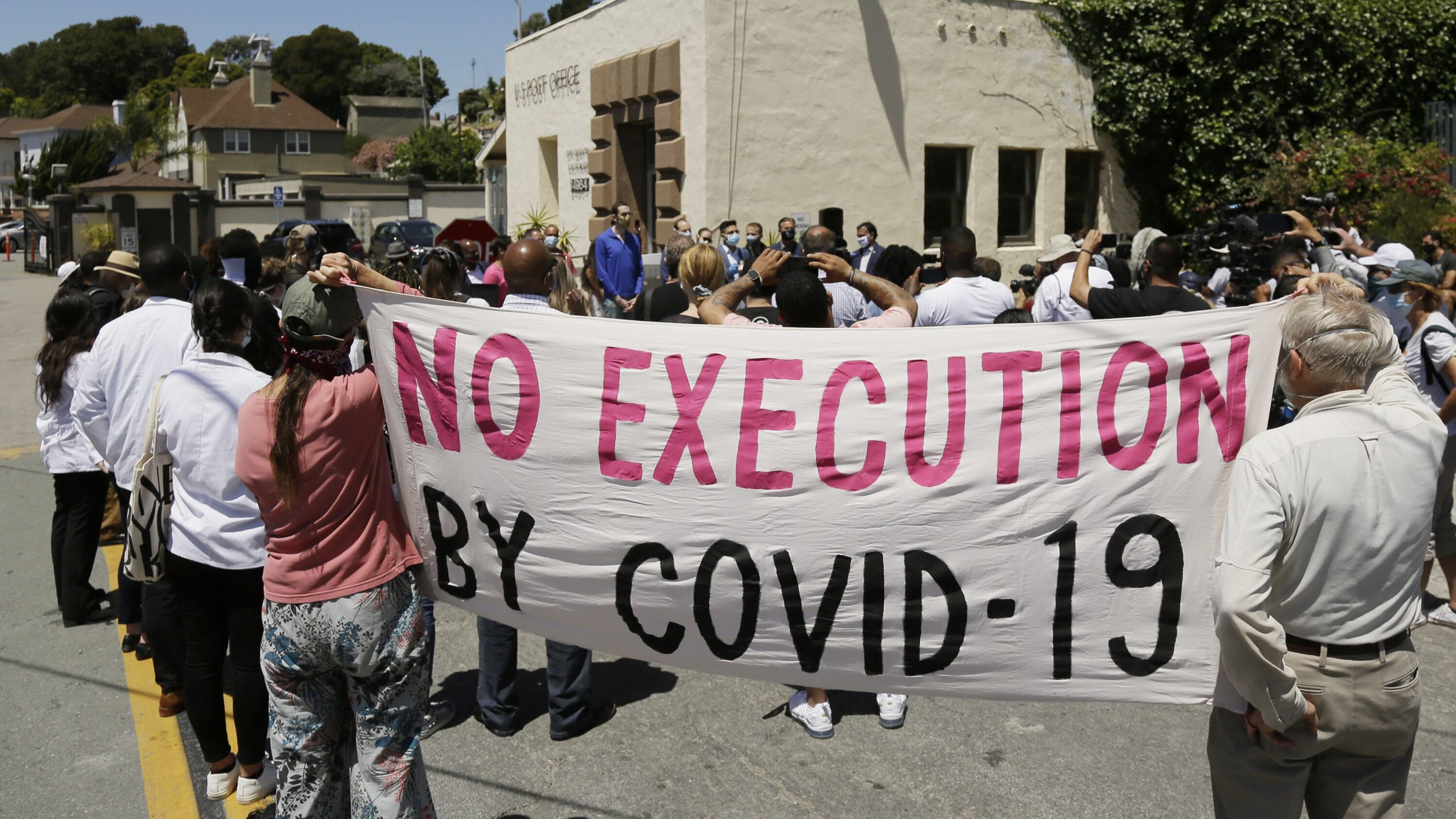
COVID infections are on the rise in U.S. prisons and are accounting for some of the largest outbreaks. Cheddar's Michelle Castillo reports.
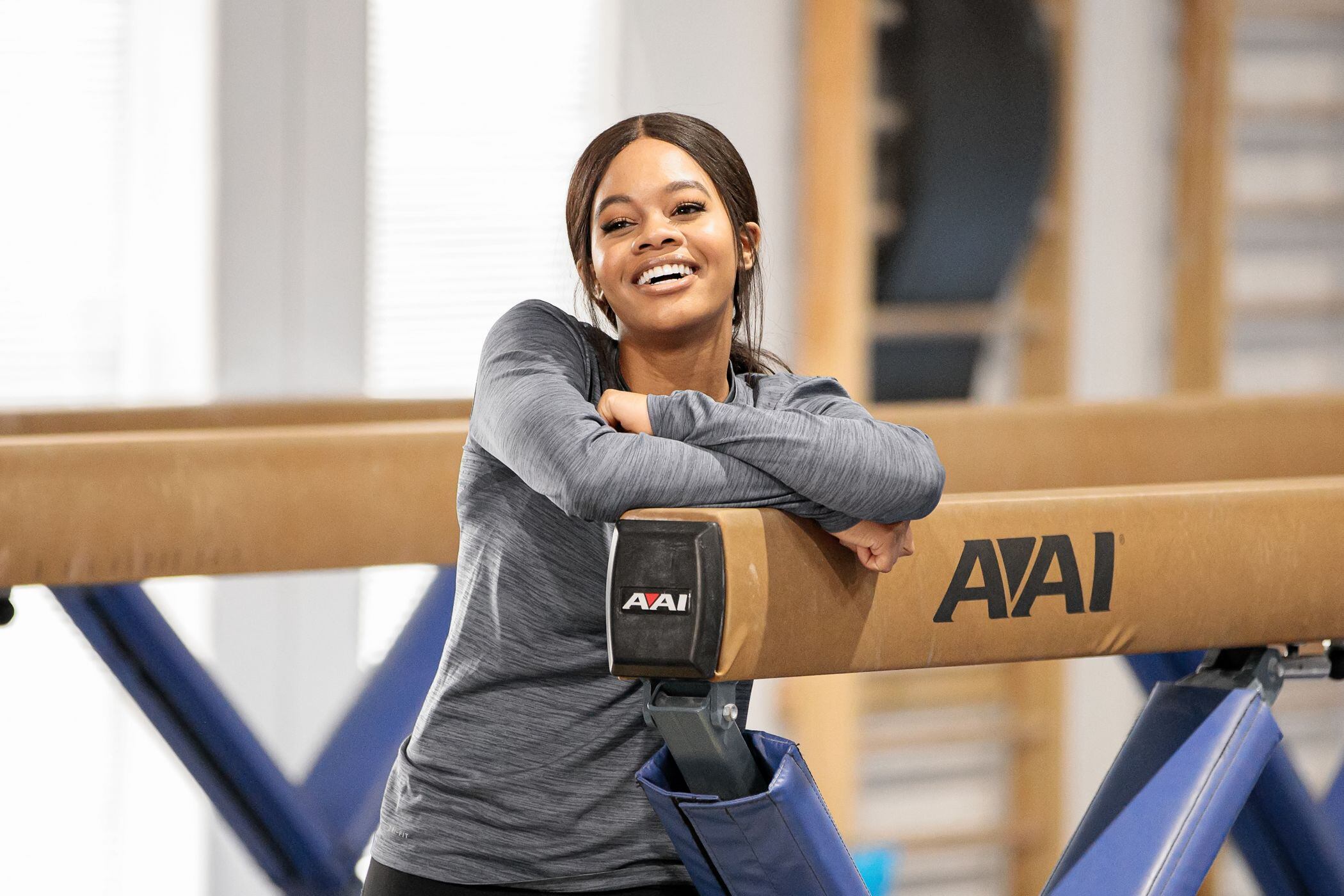
Olympic gold medalist Gabby Douglas spoke to Cheddar about the need for aspiring athletes to address both their mental and physical health and her partnership with Smoothie King.
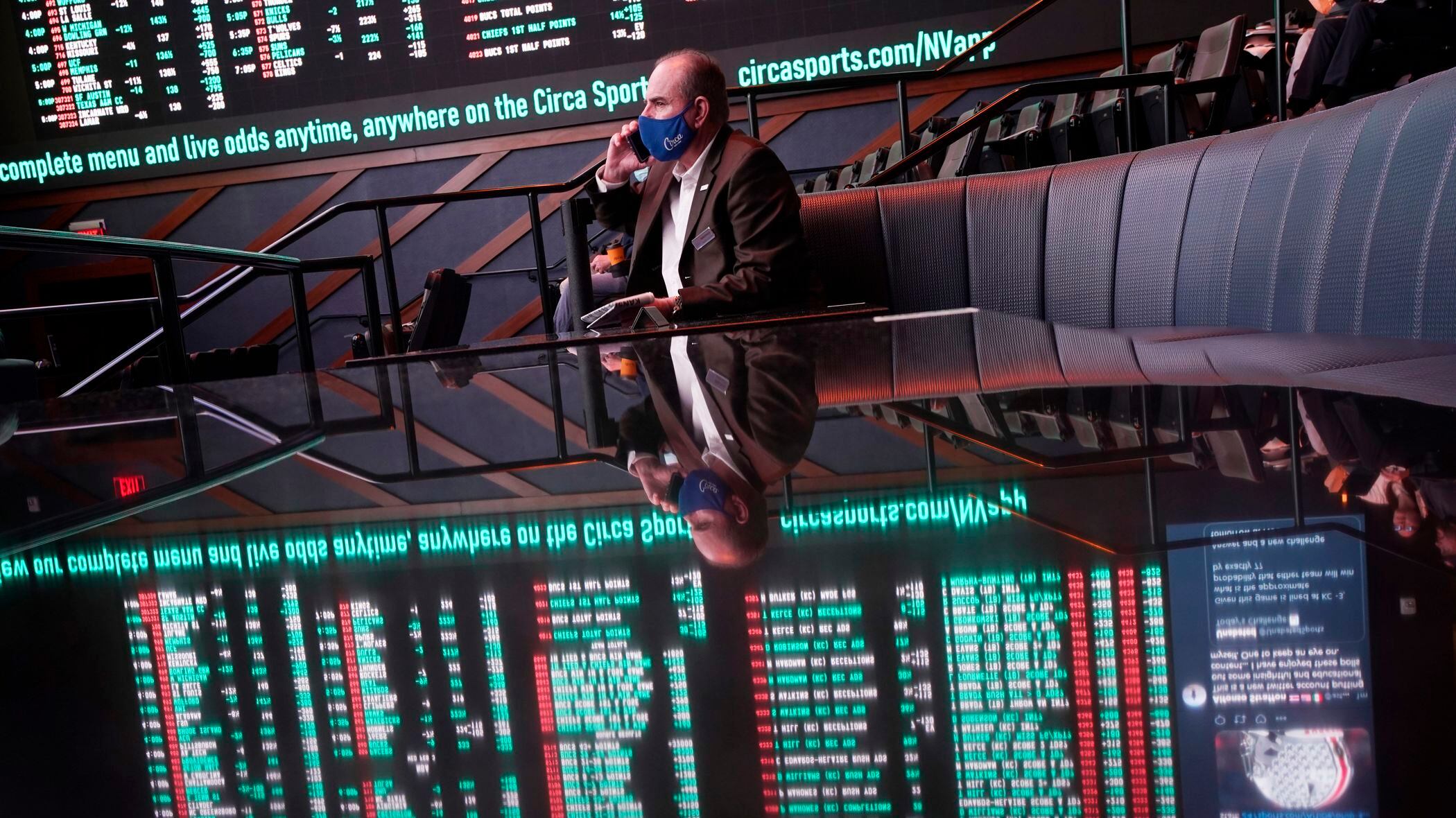
Despite COVID-19, sports betting has skyrocketed. In January, Americans spent approximately $4 billion on sports wagering according to the American Gaming Association.