Market watchers set the Snap earnings bar low, but the social media company was still not able to meet expectations.
Analysts expected revenues of $238 million, but the company brought in $20.8 million. And daily active users grew to just 178 million, compared to estimates for 182 million.
While Snap did report a slightly smaller loss than expected, it still bled about $440 million during the quarter. It also said in a statement that it has a surplus of Spectacles, its connected eyewear product, due to lower-than-expected demand. Still, the company isn't giving up on the product yet, saying it still expects to sell the excess inventory.
The company added in a press release that it is looking to redesign its app to make it more user-friendly, acknowledging that the redesign may disrupt business in the short term. But Snap hopes the reformatting will create long-term benefits.
SpaceX Investor Chad Anderson discusses Starship's latest test flight, what's next, and why he thinks Elon Musk's leadership sent the company in the right direction.
Dilip Rao, CEO of Sharebite, explains how his startup wants to normalize companies feeding their workers, the role of the private sector in public concerns, and more.
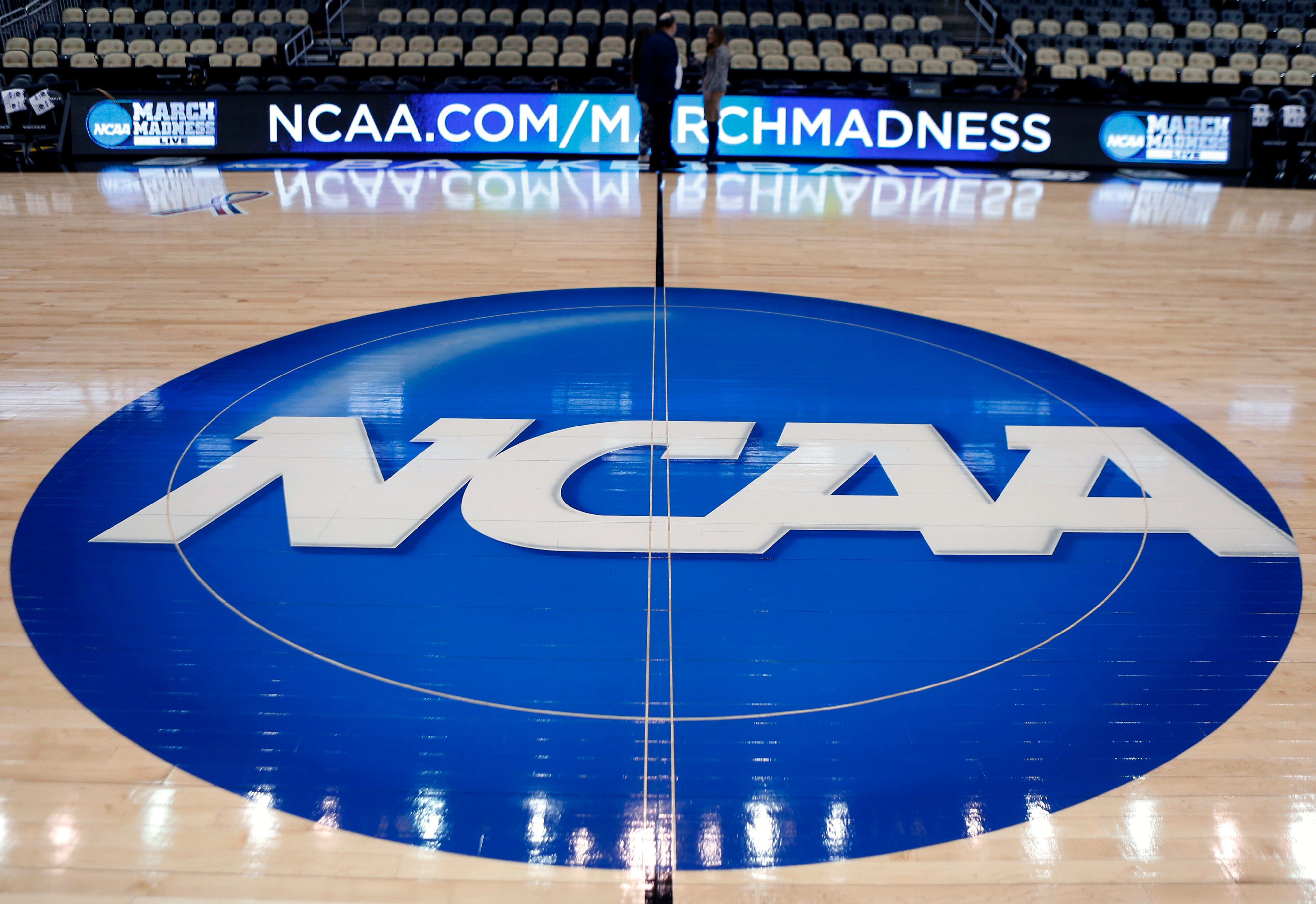
Athlete compensation, player unions and realignment dominate discussions — everything in college sports is open for discussion, interpretation and adjustment.
Sola Mahfouz and Malaina Kapoor, authors of 'Defiant Dreams: The Journey of an Afghan Girl Who Risked Everything for Education' discuss how Sola overcame the Taliban to get an education.
Pittsburgh International Airport CEO, Christina Cassotis talks the airport’s upcoming upgrades and why you can’t count out business travel, even in a post-pandemic world.