Snap Slapped With $5 Price Target, Falls to All-Time Low
*By Kavitha Shastry*
Shares of Snap fell to a new all-time low Wednesday after BTIG analyst Rich Greenfield slapped the company with a "Sell" rating and cut his price target on the stock to $5 a share.
That would be a 70 percent drop for the company since it went public just about 18 months ago.
In a note to clients, Greenfield wrote, "We are tired of Snapchat’s excuses for missing numbers and are no longer willing to give management 'time' to figure out monetization."
Since going public in March 2017, Snap has fallen short of user growth estimates in five out of six quarters. In its latest report the company posted its first-ever decline in daily usership, with 3 million fewer people logging in to the app.
Greenfield doesn't expect things to change any time soon. Among the issues facing the company, he pointed to declining interest and engagement in Snap's Stories and Discover platforms, a lack of new offerings, a failed redesign, and a dearth of social media influencers who actively use the product.
It's not the first time Greenfield has expressed his frustration with the company. Last October [he admitted](https://cheddar.com/videos/rich-greenfield-monetization-isnt-happening-as-fast-as-we-thought) he overestimated Snap's ability to turn users into revenue sources and cut his forecasts for what the company could bring in. This is the fourth time he's lowered his expectations.
Snap shares traded below the $9 mark early Wednesday. They priced at $17 a share in the IPO.
Quantum computing is moving from science fiction to national strategy. Infleqtion CEO Matt Kinsella explains Trump's new executive order and what it means.
Americans traveled in record numbers over July 4th despite rising costs. Skift's Sarah Kopit explains what it says about consumers, airfares, and summer travel.
The U.S. economy is being held up in part by the AI boom, but that boom could still lead to broader prosperity or inequality, says a Nobel Prize winner.
Foundation Robotics co-founder Michael LeBlanc explains how humanoid robots are moving from the lab to military and industrial missions and what comes next.
Jeff Burnstein, President of the Association for Advancing Automation (A3), discusses humanoid robots, AI, smart manufacturing, and the future of U.S. industry.
Should kids be banned from social media? Nick Lichtenberg of Fortune breaks down the global push to restrict under-16 users and what it means for Big Tech.
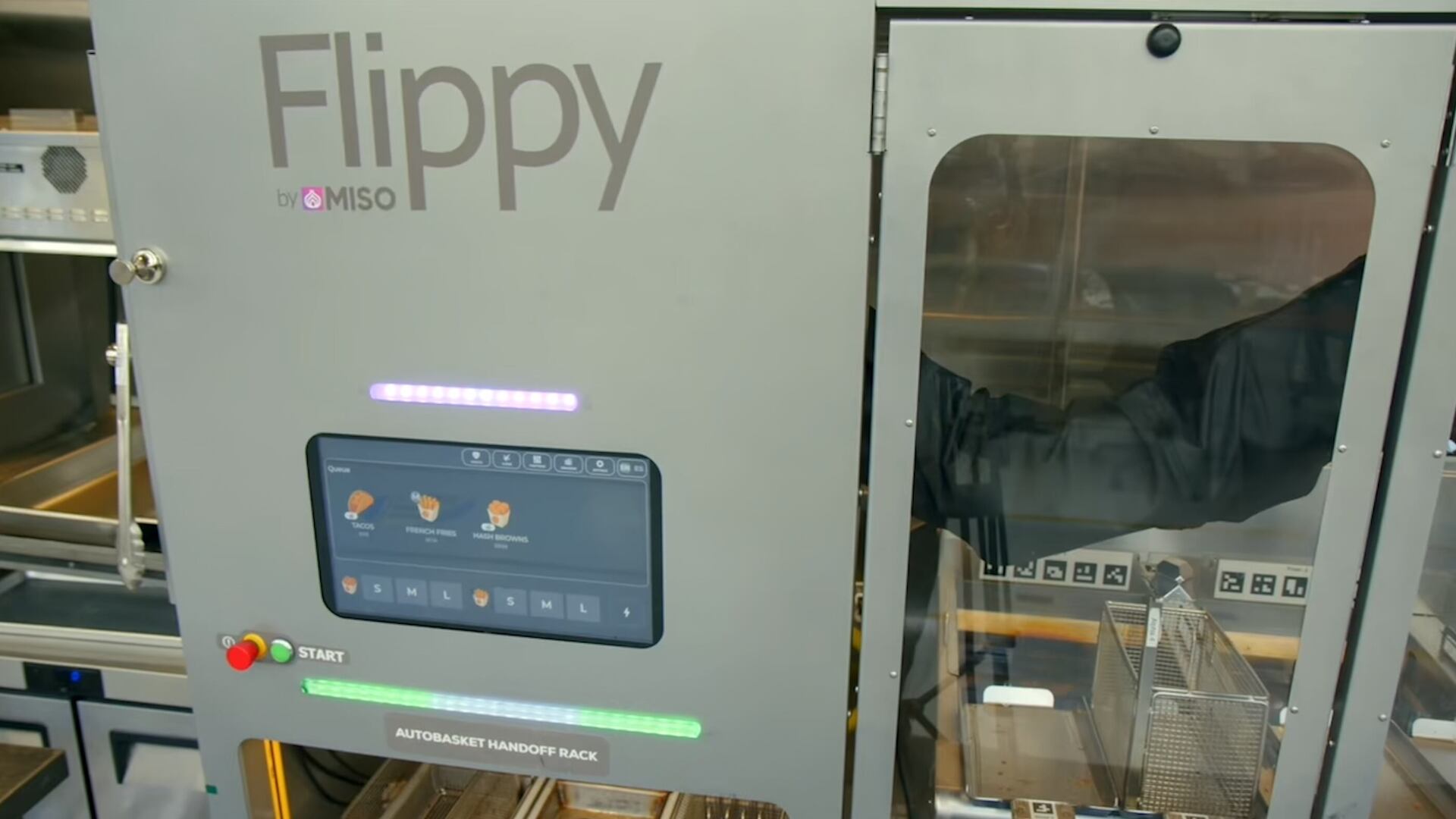
Miso Robotics CEO Rich Hull discusses Flippy Fry Station, the future of AI-powered restaurant automation and how acquiring Zume's IP could reshape food robotics