*By Carlo Versano*
While the television industry rapidly consolidates and cord-cutting spreads, Sling TV envisions a future where bundles are things of the past, and customers watch programming on an "à la carte" basis.
Warren Schlichting, the company's EVP and group president, spoke to Cheddar on Monday from Denver Startup Week about the ever-changing media landscape.
"I don't want to pay for things I'm not watching," he said, channeling the mantra of the 2.3 million cord-cutters who make up Sling's customer base.
Sling, an OTT service owned by Dish ($DISH), recently [expanded](https://www.broadcastingcable.com/news/nielsen-in-deal-to-provide-digital-ad-ratings-for-sling-tv) a partnership with ratings firm Nielsen to digitally measure ad campaigns that run on the service. Advertisers on traditional television have long relied on Nielsen's famously complex ratings metrics, while OTT allows for a more targeted approach.
"Nielsen is the currency of linear television," said Schlichting, noting that the partnership will help Nielsen ratings become the "currency" for streaming as well.
Sling's customer base still pales in comparison to that of a major cable provider. But the metric that matters is growth, Schlichting said.
It's no secret that cable growth is slowing ー see Comcast's ($CMCSA) Sky deal as evidence ー while streaming is on the rise.
One of the business challenges with an OTT service like Sling has been the unpredictability of user patterns ー unbound by long-term contracts, customers tend to leave, come back, then repeat. It's a new kind of consumer who follows the content. Schlichting said that is precisely why Sling has expanded its offerings to include pay-per-view and VOD products.
"There's all sorts of ways you interact with Sling," he said.
According to a [study](https://www.emarketer.com/content/more-than-half-of-us-consumers-watch-subscription-ott-video-2018) by eMarketer last month, cord-cutting will grow by 33 percent this year, and the number of people who subscribe to at least one OTT service will rise to just over half the U.S. population. There's still about [90 million](https://www.recode.net/2018/1/23/16857600/netflix-hulu-cable-streaming-tv-movies-david-letterman-chart) Americans who pay $100 a month or so for cable ー all potential Sling customers, in Schlichting's estimation.
"We like our chances," he said.
For full interview [click here](https://cheddar.com/videos/sling-tv-eyes-more-targeted-advertising-with-nielsen).
AdTheorent just the latest company to go public via a SPAC. The company specializes in digital advertising, using AI and machine learning as a tool to move marketing forward. AdTheorent to close its SPAC merger with MCAP Acquisition today and will trade on the Nasdaq under the ticker symbol ADTH. CEO Jim Lawson spoke with Cheddar ahead of the move.
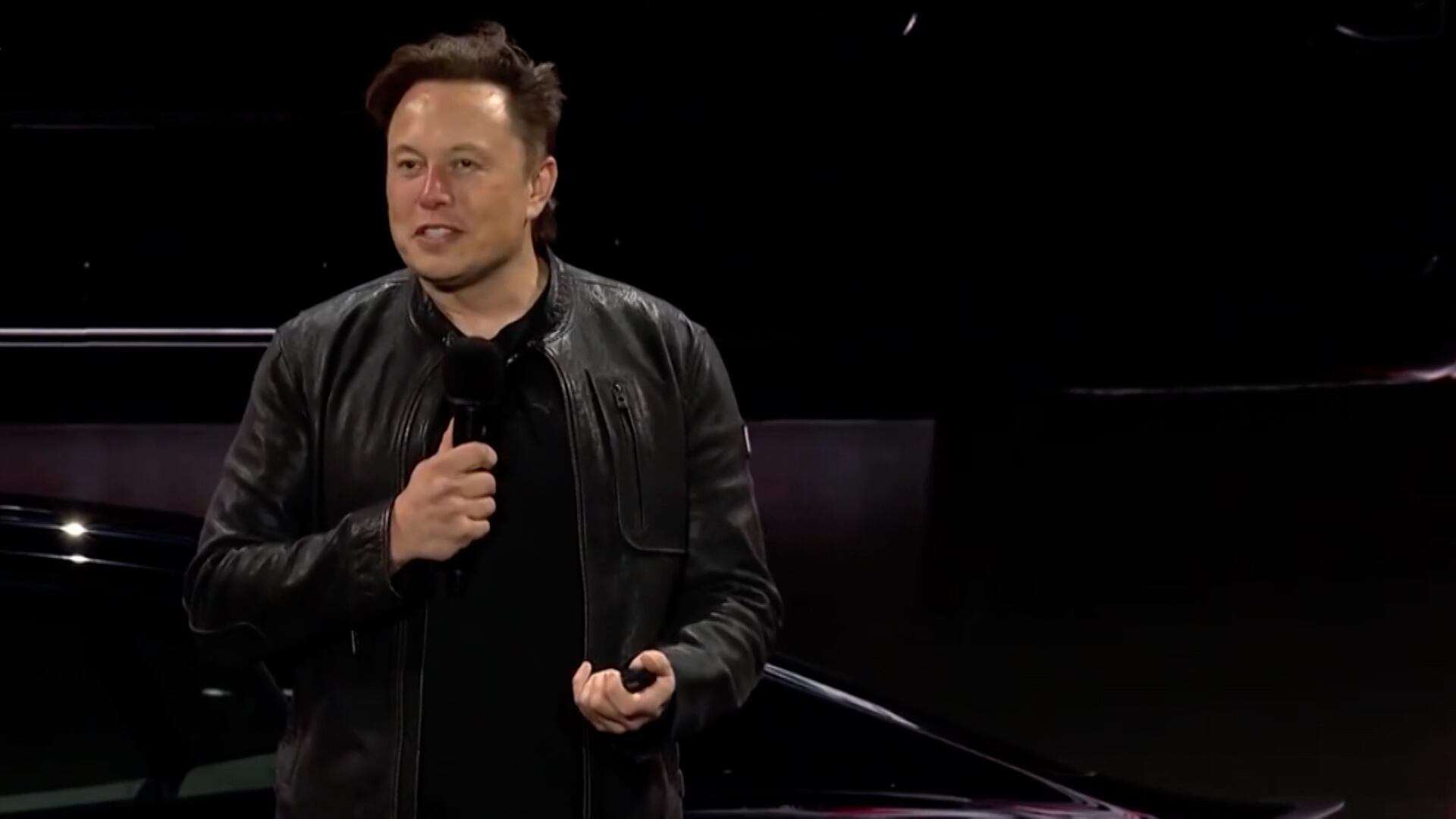
Although still early in development, blockchain technology, Web3, also known as Web 3.0 has been getting a lot of attention from some top tech names lately. Web3 is based on blockchain technology, which powers NFT’s and cryptocurrencies such as bitcoin. With Web3, users would ideally control their own data, rather than have it be controlled by a few large companies. But, Tesla CEO Elon musk isn't buying into Web3 just yet, tweeting over the weekend that the decentralized iteration of the internet seems more like a marketing "buzzword" right now than reality. Twitter co-founder Jack Dorsey also chiming in to the conversation, expressing doubt over whether or not Web3 would actually be decentralized if ownership still belonged to venture capital firms. Parker McCurley, co-founder & CEO of Decent Labs explains the significance of Web3 catching the eye of the tech giants, and what Web3 could mean for the future of the internet.
The FDA has granted emergency use authorization to Pfizer's pill to treat covid-19. The treatment, called Paxlovid, is the first antiviral covid-19 pill that people can take at home.
Pfizer says the pill can reduce the risk of severe illness by 90 percent and is intended for people at high risk for severe disease, including those over 65, people with obesity, diabetes, or a weakened immune system. Professor Peter Pitts, Founder, Center for Medicine in the Public Interest & Former FDA Associate joined Wake Up with Cheddar to discuss.
On December 20th, the TSA reported that for the fourth day in a row, it had screened more than 2 million people through its airports as the Omicron variant continues to rage and spread rapidly throughout the country. The CDC now reporting that roughly 73% of all covid cases are caused by the Omicron variant ahead of President Biden’s remarks aimed towards curbing the virus and helping hospitals battle rises in hospitalizations. Dr. Nasia Safdar breaks down the latest on traveling during the pandemic.
Ahead of a four day week for the markets due to the upcoming Christmas holiday, investors hoping for a quiet end to the year, or even a Santa Claus rally, may not be in luck. Investors are still digesting the latest from the Fed regarding a quicker than expected taper, as well as ever increasing blow back as the Omicron variant spreads. Octavio Marenzi, CEO of Opimas LLC, explains why the markets have been so volatile ever since the emergence of the latest variant and what to expect going forward into 2022.
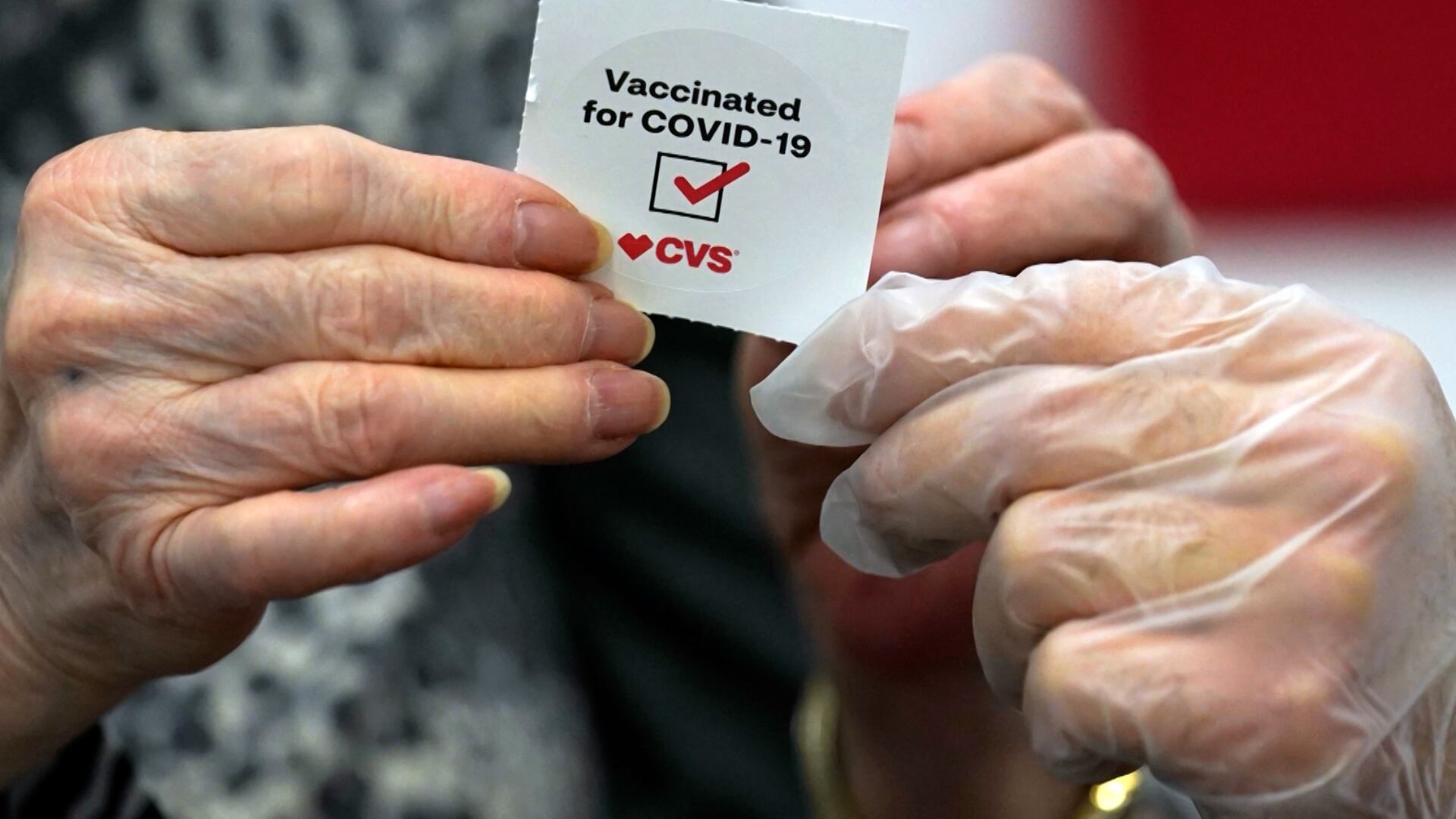
Carlo and Baker cover the heartening news on the Covid front ahead of the holiday, plus President Biden punting student loan repayments again, a new space telescope and Love, Hate, Ate: Christmas Eve Eve Edition!