Slack beat expectations in its second quarter earnings report, posting $145 million in sales after the bell on Wednesday. The company was expected to report $141.25 million in sales.
Slack’s stock, however, fell swiftly in after hours trading due to weaker-than-expected guidance for the third quarter. The earnings report was the company’s first release since going public in June under the ticker WORK on the New York Stock Exchange.
“We remain focused on expansion within existing customers and growing our large enterprise customer base,” Allen Shim, Slack’s chief financial officer, said in a statement. Shim added that the company’s revenue growth was 58 percent year-over-year increase.
The popular workplace messaging platform posted a net loss per share of $0.14, better than the expected loss of $0.18. Slack, however, said it expects a loss of $0.08 to $0.09 per share in the third quarter, slightly more than what analysts were expecting.
It also said revenue growth would slow from 58 percent to less than 48 percent, which seemed to worry investors after hours with shares falling more than 15 percent. Yet the drop comes after the stock gained more than an 8 percent during the trading day Wednesday.
Since its founding in 2014, Slack has grown to be used by over 600,000 organizations in 150 countries. The platform, which has free and paid subscription plans, is now used by an estimated 10 million people who send over 1 billion messages a week. Shim added that Slack also increased its paid customer base by 720 clients, which marked a 75 percent year-over-year jump.
Slack’s market debut earlier this summer followed several other major tech startups, such as Uber ($UBER) and Lyft ($LYFT), that went public this year.
Forgoing the traditional initial public offering process, Slack directly listed its shares on the market. The big difference between that and an IPO is that the company did not issue new shares, but instead, existing shareholders sold their stock to public investors. That means, unlike Uber and Lyft, Slack did not raise additional capital as part of the IPO.
The last major company to complete a direct listing was Spotify ($SPOT), which went public in April 2018.
“This is an entirely new category of software enabling a once-in-a-generation shift in the way people work together,” Stewart Butterfield, the company's CEO and co-founder, added in a statement. “We believe channel-based collaboration is so superior to email-based communication for work, that this shift is inevitable.”
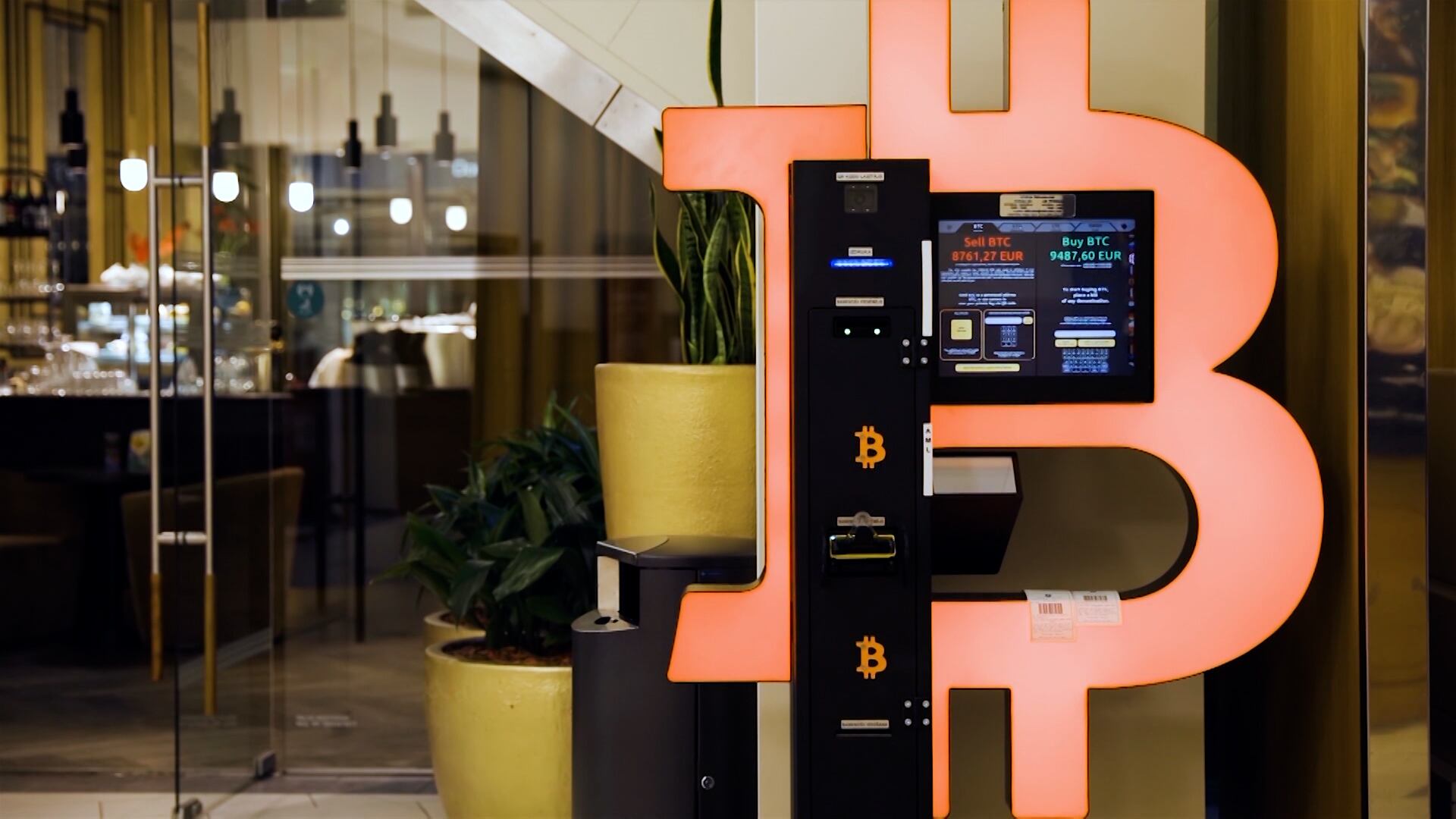
Bitcoin received its first update in four years called Taproot. Unlike the previous bitcoin update in 2017, Taproot has widespread support — in part because these changes involve fairly incremental improvements to the code. Christie Harkin, tech managing editor at CoinDesk, explained what the move could mean for the future of cryptocurrencies as a whole.
Snap has announced a licensing deal with Sony Music, giving its social media platform Snapchat access to the label's entire catalog. The deal now gives the company agreements with all of the major industry labels.
Jay-Z's Roc Nation is teaming up with The Reform Alliance to host a job fair at Madison Square Garden later this week. The event is aimed at helping disadvantaged people in NYC, including single parents and the formerly incarcerated, get jobs in the city. Participating companies include Zara, Amazon, Live Nation, VICE, and a slew of others. Dania Diaz, Managing Director, Roc Nation, joined Cheddar's Opening Bell to discuss what attendees can expect.
Kyndryl isn't wasting any time as an independent company. Just over a week after spinning off from IBM, the IT infrastructure services provider has announced its first global strategic partner in Microsoft. The two tech giants are coming together to form a new kind of power duo, creating multi-billion dollar revenue opportunities between the companies. Stephen Leonard, global alliances & partnerships leader for Kyndryl, told Cheddar more about the partnership and what it aims to achieve.
Eric Diton, President & Managing Director of The Wealth Alliance, discusses why inflation remains a long-term headwind for the market and what it means for consumer spending for the rest of the year.
Francis Oh, APAC CEO at Qraft Technologies, discusses how inflationary pressures could impact corporate earnings, and why the electric vehicle market is one to watch as ESG investing picks up.
Bitcoin has successfully activated Taproot, the cryptocurrency's first major upgrade since 2017 and a highly anticipated change to the blockchain. Taproot will introduce what's known as Schnorr signatures, which will help transactions become more private, efficient and perhaps even less expensive. Robert Hackett, a cryptocurrency expert and journalist, breaks down the new upgrade and what it means for bitcoin users.
Jharonne Martis, director of consumer spending at Refinitiv, joined Wake Up With Cheddar's Brad Smith to break down positive earnings results from Home Depot and Walmart. Martis also discussed what October's retail sales data means for the upcoming holiday season.