Slack beat expectations in its second quarter earnings report, posting $145 million in sales after the bell on Wednesday. The company was expected to report $141.25 million in sales.
Slack’s stock, however, fell swiftly in after hours trading due to weaker-than-expected guidance for the third quarter. The earnings report was the company’s first release since going public in June under the ticker WORK on the New York Stock Exchange.
“We remain focused on expansion within existing customers and growing our large enterprise customer base,” Allen Shim, Slack’s chief financial officer, said in a statement. Shim added that the company’s revenue growth was 58 percent year-over-year increase.
The popular workplace messaging platform posted a net loss per share of $0.14, better than the expected loss of $0.18. Slack, however, said it expects a loss of $0.08 to $0.09 per share in the third quarter, slightly more than what analysts were expecting.
It also said revenue growth would slow from 58 percent to less than 48 percent, which seemed to worry investors after hours with shares falling more than 15 percent. Yet the drop comes after the stock gained more than an 8 percent during the trading day Wednesday.
Since its founding in 2014, Slack has grown to be used by over 600,000 organizations in 150 countries. The platform, which has free and paid subscription plans, is now used by an estimated 10 million people who send over 1 billion messages a week. Shim added that Slack also increased its paid customer base by 720 clients, which marked a 75 percent year-over-year jump.
Slack’s market debut earlier this summer followed several other major tech startups, such as Uber ($UBER) and Lyft ($LYFT), that went public this year.
Forgoing the traditional initial public offering process, Slack directly listed its shares on the market. The big difference between that and an IPO is that the company did not issue new shares, but instead, existing shareholders sold their stock to public investors. That means, unlike Uber and Lyft, Slack did not raise additional capital as part of the IPO.
The last major company to complete a direct listing was Spotify ($SPOT), which went public in April 2018.
“This is an entirely new category of software enabling a once-in-a-generation shift in the way people work together,” Stewart Butterfield, the company's CEO and co-founder, added in a statement. “We believe channel-based collaboration is so superior to email-based communication for work, that this shift is inevitable.”
The holidays are here, which means many will raise a glass. In fact, data shows the average American doubles their booze intake between Thanksgiving and New Years, with about 45% of those drinkers choosing vodka as their liquor of choice. Tony Latham, Bacardi's CFO, tells Cheddar what he anticipates will be the most popular spirit or cocktail this holiday season, as well as other trends going into the new year.
This holiday season, e-commerce sales are expected to hit 207 billion dollars, with17 percent of that chunk will occuring between the days of the deals - black friday and cyber monday. Deren Baker, CEO of edge by ascential, joins Cheddar News to give a Cyber Monday preview.
With Black Friday right around the corner, Trae Bodge, Smart Shopping Expert at TrueTrae.com joined Cheddar's Opening Bell to discuss holiday shopping tips ahead of the annual event.
Zoom reported solid third quarter earnings, with a beat on revenue and EPS, but did warn of slowed growth as the pandemic wanes. For more on the company’s third quarter earnings and their innovation plans post-pandemic, Kelly Steckelberg, CFO, Zoom joined Cheddar’s Opening Bell to discuss.
As Black Friday and Cyber Monday shopping continues, Shopify is tracking sales across the more than 1 million independent and direct-to-consumer brands it powers globally. The e-commerce giant's live map captures data in real time with metrics such as sales per minute and orders per minute, demonstrating the impact independent business have around the world. Ritu Khanna, Shopify's managing director for North America, gives insight into the trends the company is seeing this year.
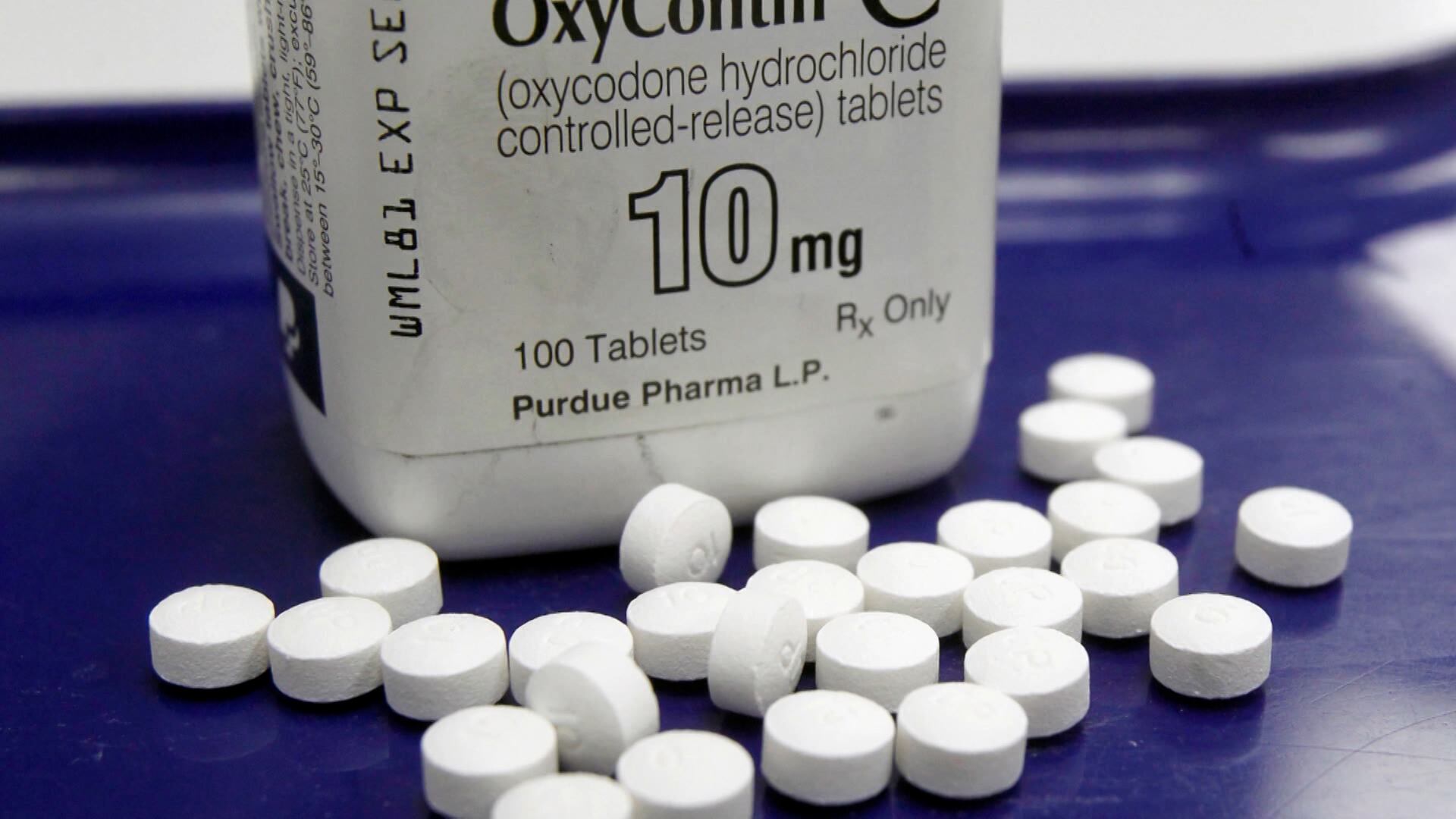
A federal jury has found CVS, Walmart, and Walgreens responsible for distributing millions of painkillers in two Ohio counties, which as a result fueled the opioid crisis there. The verdict could set the tone for cities and counties across the country that want to hold pharmacies accountable for their role in the opioid epidemic. Barak Lurie, partner and principal attorney at Lurie and Kramer, joined Cheddar to discuss why he thinks the verdict will be overruled.
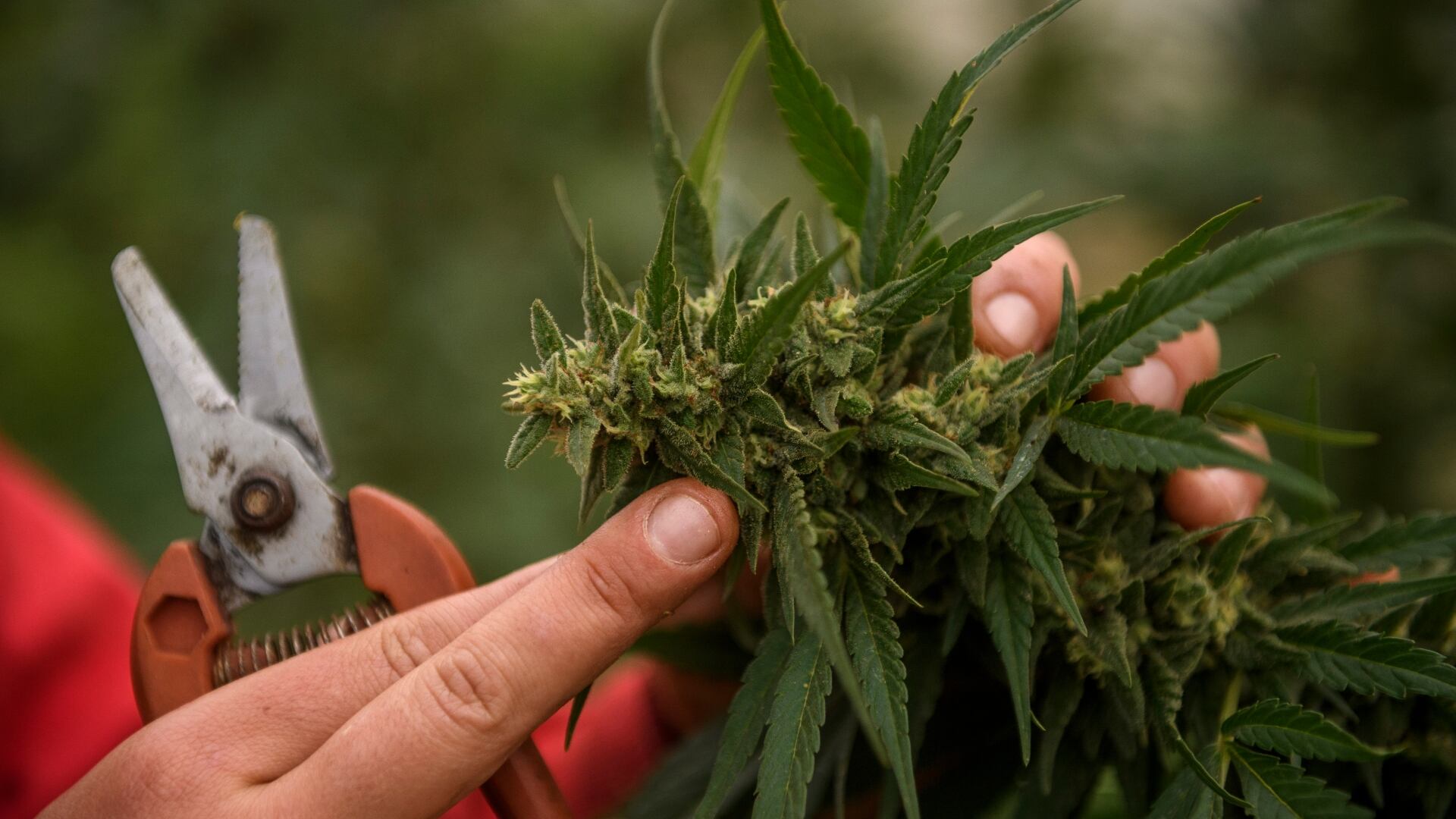
Natalie Fertig, Federal Cannabis Policy Reporter for Politico Pro, joined Cheddar to discuss the shift among republicans to support federally legalizing marijuana.
Bitcoin has officially entered bear market territory. The cryptocurrency is down 20% from an all-time high of nearly $69,000 dollars, which it hit earlier this month. Experts mark the new potentially vaccine-resistant coronavirus variant as the reason for the dip. Patrick McConlogue, CEO of Overlin, joins Cheddar News to discuss.
Carlo and Baker cover the latest developments with the Omicron variant, and break down what we know and what we still don't. Plus, a relatively tame Black Friday, and more.