Slack beat expectations in its second quarter earnings report, posting $145 million in sales after the bell on Wednesday. The company was expected to report $141.25 million in sales.
Slack’s stock, however, fell swiftly in after hours trading due to weaker-than-expected guidance for the third quarter. The earnings report was the company’s first release since going public in June under the ticker WORK on the New York Stock Exchange.
“We remain focused on expansion within existing customers and growing our large enterprise customer base,” Allen Shim, Slack’s chief financial officer, said in a statement. Shim added that the company’s revenue growth was 58 percent year-over-year increase.
The popular workplace messaging platform posted a net loss per share of $0.14, better than the expected loss of $0.18. Slack, however, said it expects a loss of $0.08 to $0.09 per share in the third quarter, slightly more than what analysts were expecting.
It also said revenue growth would slow from 58 percent to less than 48 percent, which seemed to worry investors after hours with shares falling more than 15 percent. Yet the drop comes after the stock gained more than an 8 percent during the trading day Wednesday.
Since its founding in 2014, Slack has grown to be used by over 600,000 organizations in 150 countries. The platform, which has free and paid subscription plans, is now used by an estimated 10 million people who send over 1 billion messages a week. Shim added that Slack also increased its paid customer base by 720 clients, which marked a 75 percent year-over-year jump.
Slack’s market debut earlier this summer followed several other major tech startups, such as Uber ($UBER) and Lyft ($LYFT), that went public this year.
Forgoing the traditional initial public offering process, Slack directly listed its shares on the market. The big difference between that and an IPO is that the company did not issue new shares, but instead, existing shareholders sold their stock to public investors. That means, unlike Uber and Lyft, Slack did not raise additional capital as part of the IPO.
The last major company to complete a direct listing was Spotify ($SPOT), which went public in April 2018.
“This is an entirely new category of software enabling a once-in-a-generation shift in the way people work together,” Stewart Butterfield, the company's CEO and co-founder, added in a statement. “We believe channel-based collaboration is so superior to email-based communication for work, that this shift is inevitable.”
David Bowie's entire catalog of songs has officially been sold to Warner Music Group by his estate for an estimated $250 million. This means the group now has the full rights to almost all of David Bowie's recordings. But Bowie, just the latest music mega deal. Just last month, Bruce Springsteen sold his entire catalog to Sony Music Entertainment at what in fact maybe be the biggest transaction ever for a single artist's body of work. In addition, John Legend also cashed in by selling rights to his songs from 2004 to early last year. Culture Correspondent at NPR, Anastasia Tsioulcas, joined Cheddar to discuss more.
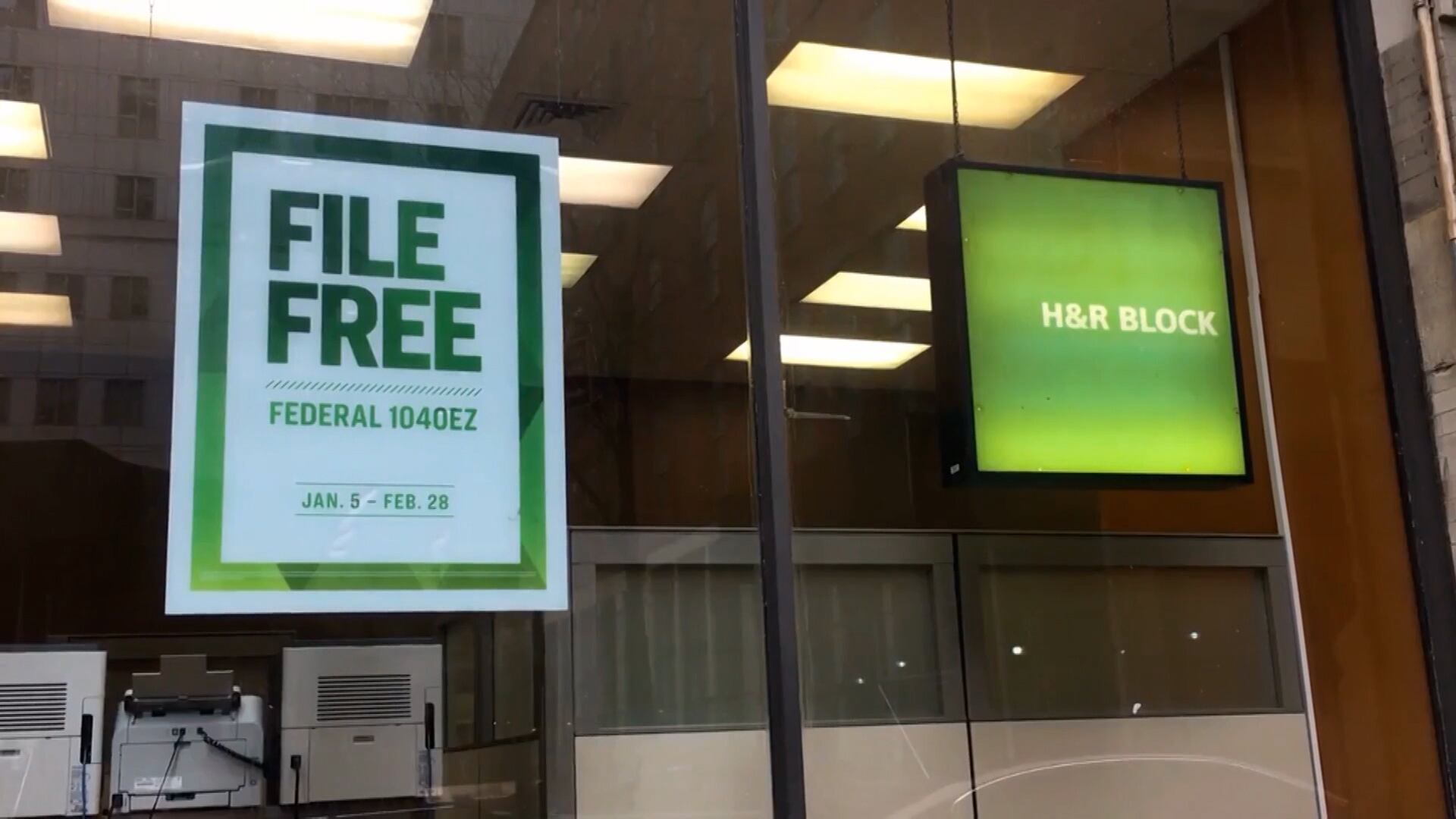
Treasury officials say that filing taxes this year could be frustrating due to staffing shortages at the IRS and paperwork backlog. Cheddar News speaks with Brent Weiss, certified financial planner and co-founder of Facet Wealth, on how to best file your returns in 2022.
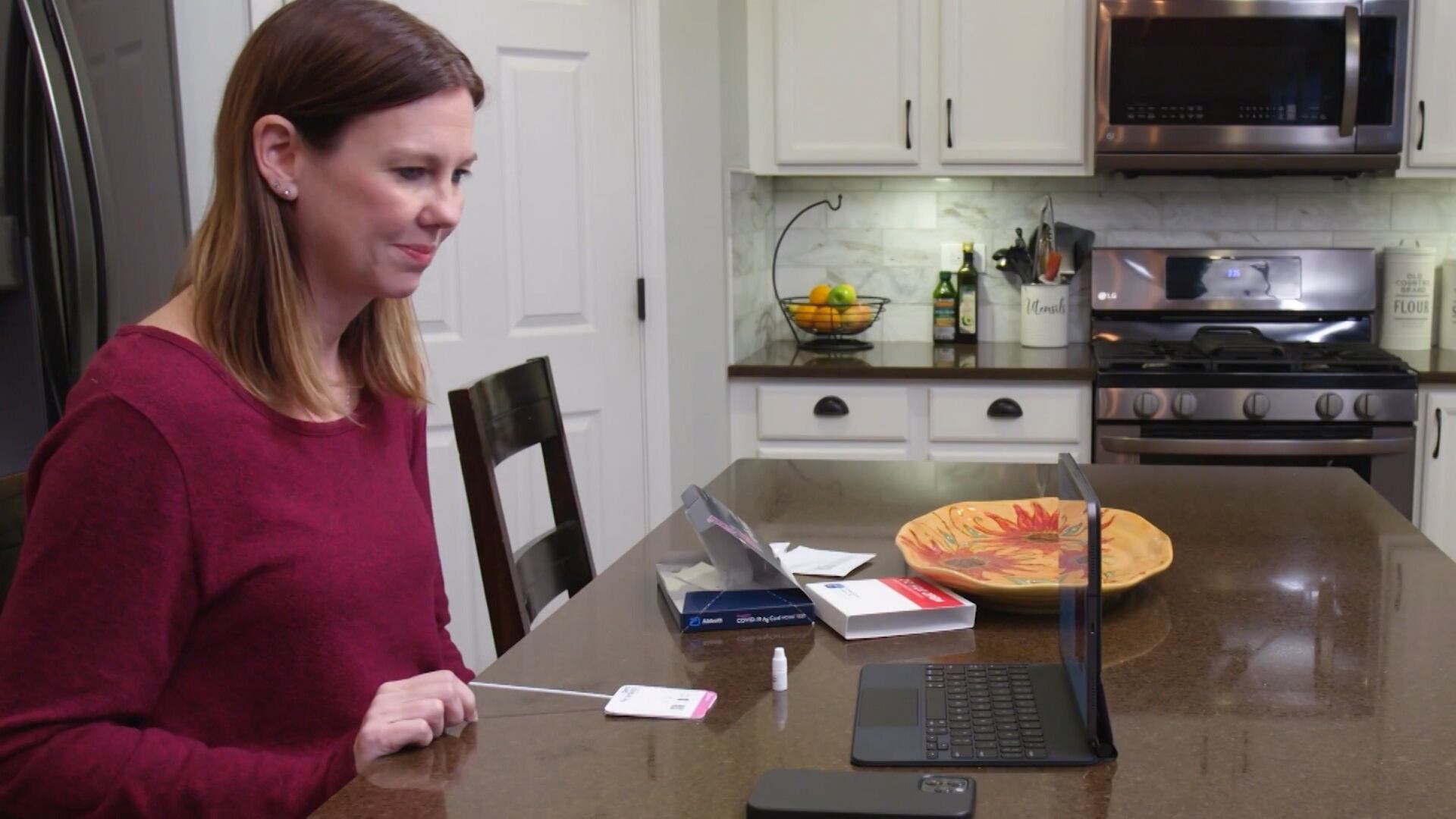
As the need for COVID-19 testing increases, so does the price of the tests themselves. An agreement with The White House and several major companies to sell the tests at a lower cost has now expired, sending prices up as retailers struggle to keep kits on shelves. Dr. Thomas McGinn, executive VP of physician enterprise at Common Spirit Health, joins Cheddar News to discuss.
With no end in sight to supply chain snarls, some companies are reconsidering the way they manufacture goods. Harry Moser, founder and president of Reshoring Initiative and Jennifer Smith, logistics and supply chain reporter for the Wall Street Journal, joined Cheddar News' Closing Bell to discuss some of the ways companies are trying to solve their supply chain problems in the long term.
Stocks closed higher Tuesday with the tech-heavy Nasdaq rising for a second straight day as tech stocks rebound. Investors also felt some relief after Federal Reserve Chair Jerome Powell today said the central bank is prepared to raise interest rates 'more over time' if inflation continues to run hot. Ross Mayfield, investment strategy analyst at Baird, joins Cheddar News' Closing Bell to discuss today's market close, whether and how markets are pricing in Fed activity, and more.
Bitcoin dipped below $40,000 this week amid a broader slump to begin the year. Some speculate that as cryptocurrencies correlate closer to traditional assets that factors like the Federal Reserve tightening monetary policy will weigh on digital coins. Jalak Jobanputra, managing partner at Future Perfect Ventures, joins Cheddar News' Closing Bell to discuss why crypto markets are feeling pressure from the Fed's potential 2022 rate hikes, broader crypto market predictions, and more.
A.I. startup Fractal has raised $360 million in funding, officially entering the unicorn club. Pranay Agrawal, CEO and Co-Founder of Fractal, joined Cheddar News' Closing Bell to discuss what the company plans to do with the fresh capital.
Electric vehicles are quickly becoming an accessible way for consumers to slash emissions as legacy automakers begin to electrify their fleets and world leaders including President Joe Biden push for broad EV adoption. But consumers have concerns about EV range, the availability of charging stations, and more. What if it were both helpful to consumers — and feasible from a climate change standpoint — to keep hybrid models that run on gas on the market? Gill Pratt, CEO of the Toyota Research Institute & Toyota Motor Corporation's Chief Scientist joins Cheddar Climate to discuss his team's research about 'carbon return on investment,' how Toyota is electrifying its fleet, and more.