Slack beat expectations in its second quarter earnings report, posting $145 million in sales after the bell on Wednesday. The company was expected to report $141.25 million in sales.
Slack’s stock, however, fell swiftly in after hours trading due to weaker-than-expected guidance for the third quarter. The earnings report was the company’s first release since going public in June under the ticker WORK on the New York Stock Exchange.
“We remain focused on expansion within existing customers and growing our large enterprise customer base,” Allen Shim, Slack’s chief financial officer, said in a statement. Shim added that the company’s revenue growth was 58 percent year-over-year increase.
The popular workplace messaging platform posted a net loss per share of $0.14, better than the expected loss of $0.18. Slack, however, said it expects a loss of $0.08 to $0.09 per share in the third quarter, slightly more than what analysts were expecting.
It also said revenue growth would slow from 58 percent to less than 48 percent, which seemed to worry investors after hours with shares falling more than 15 percent. Yet the drop comes after the stock gained more than an 8 percent during the trading day Wednesday.
Since its founding in 2014, Slack has grown to be used by over 600,000 organizations in 150 countries. The platform, which has free and paid subscription plans, is now used by an estimated 10 million people who send over 1 billion messages a week. Shim added that Slack also increased its paid customer base by 720 clients, which marked a 75 percent year-over-year jump.
Slack’s market debut earlier this summer followed several other major tech startups, such as Uber ($UBER) and Lyft ($LYFT), that went public this year.
Forgoing the traditional initial public offering process, Slack directly listed its shares on the market. The big difference between that and an IPO is that the company did not issue new shares, but instead, existing shareholders sold their stock to public investors. That means, unlike Uber and Lyft, Slack did not raise additional capital as part of the IPO.
The last major company to complete a direct listing was Spotify ($SPOT), which went public in April 2018.
“This is an entirely new category of software enabling a once-in-a-generation shift in the way people work together,” Stewart Butterfield, the company's CEO and co-founder, added in a statement. “We believe channel-based collaboration is so superior to email-based communication for work, that this shift is inevitable.”
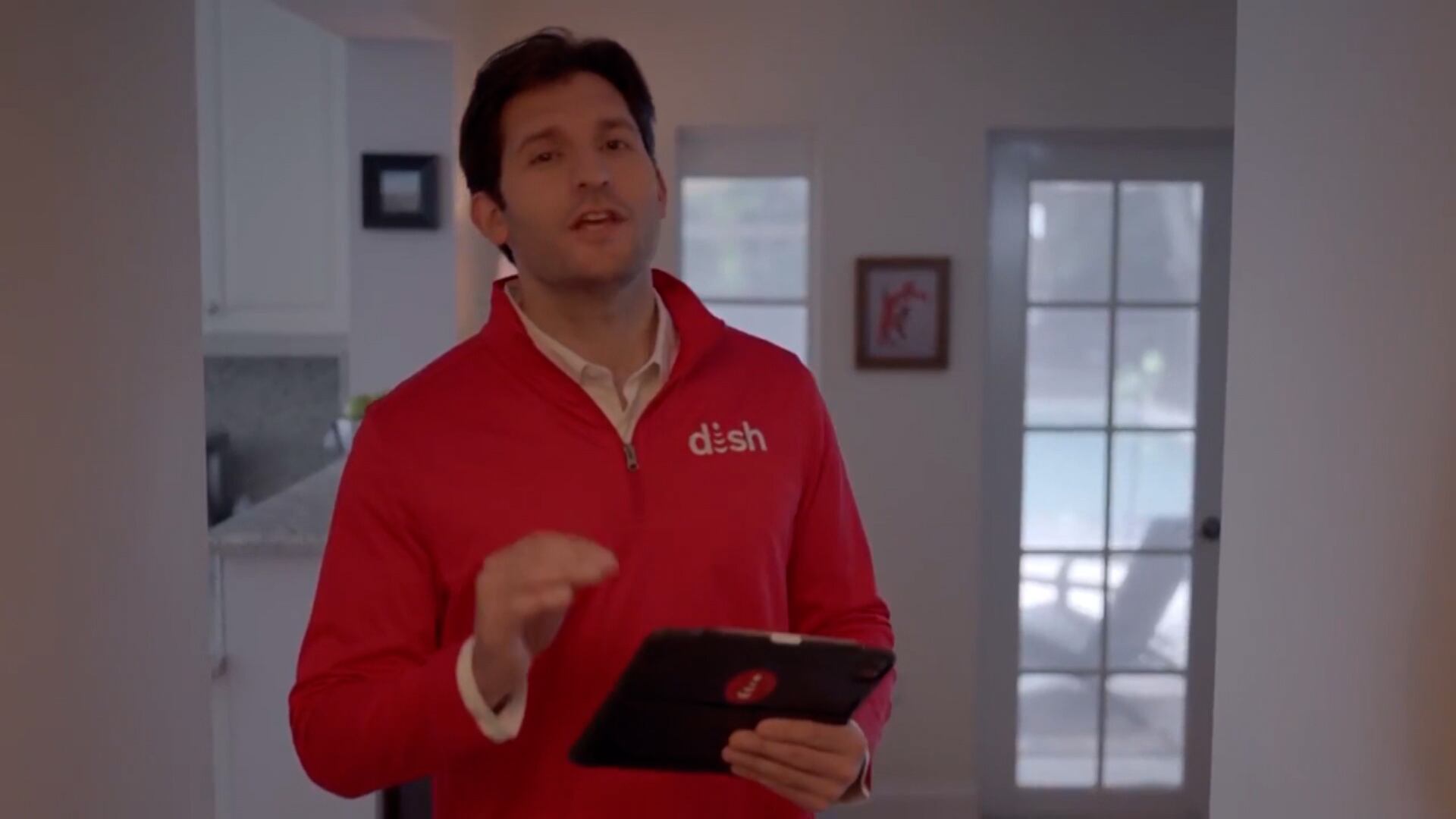
Dish Network is reportedly in discussions to merge with DirecTV. According to the NY Post, the two sides are currently 'trying to iron out the details.' The competitors have had talks in the past -- over the course of the past 20 years, but those talks been halted by the DOJ over antitrust concerns. Lydia Moynihan, Business Reporter, NY Post joined Cheddar's Opening Bell to discuss.
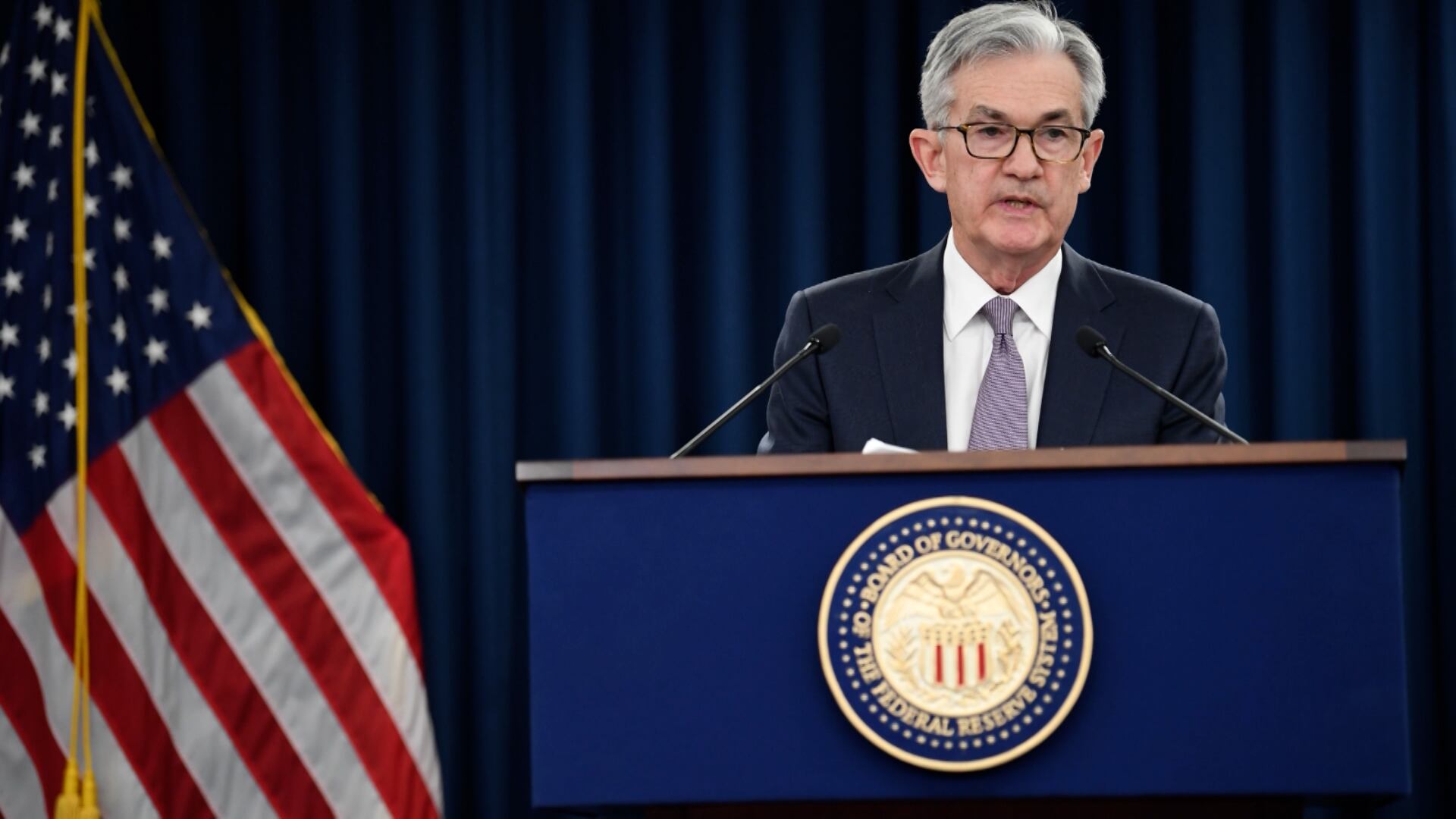
Stocks closed higher Wednesday, with the Nasdaq making gains for the third day in a row despite this morning's CPI data showing inflation continues to run hot. The report showed that CPI ticked up to 7% in December, and while it was the biggest jump since 1982, the data was broadly in line with Wall Street's expectations. Mark Lehmann, CEO of JMP Securities, a Citizens Company, joins Cheddar News' Closing Bell to discuss today's close, the Fed's proposed monetary tightening, and more.
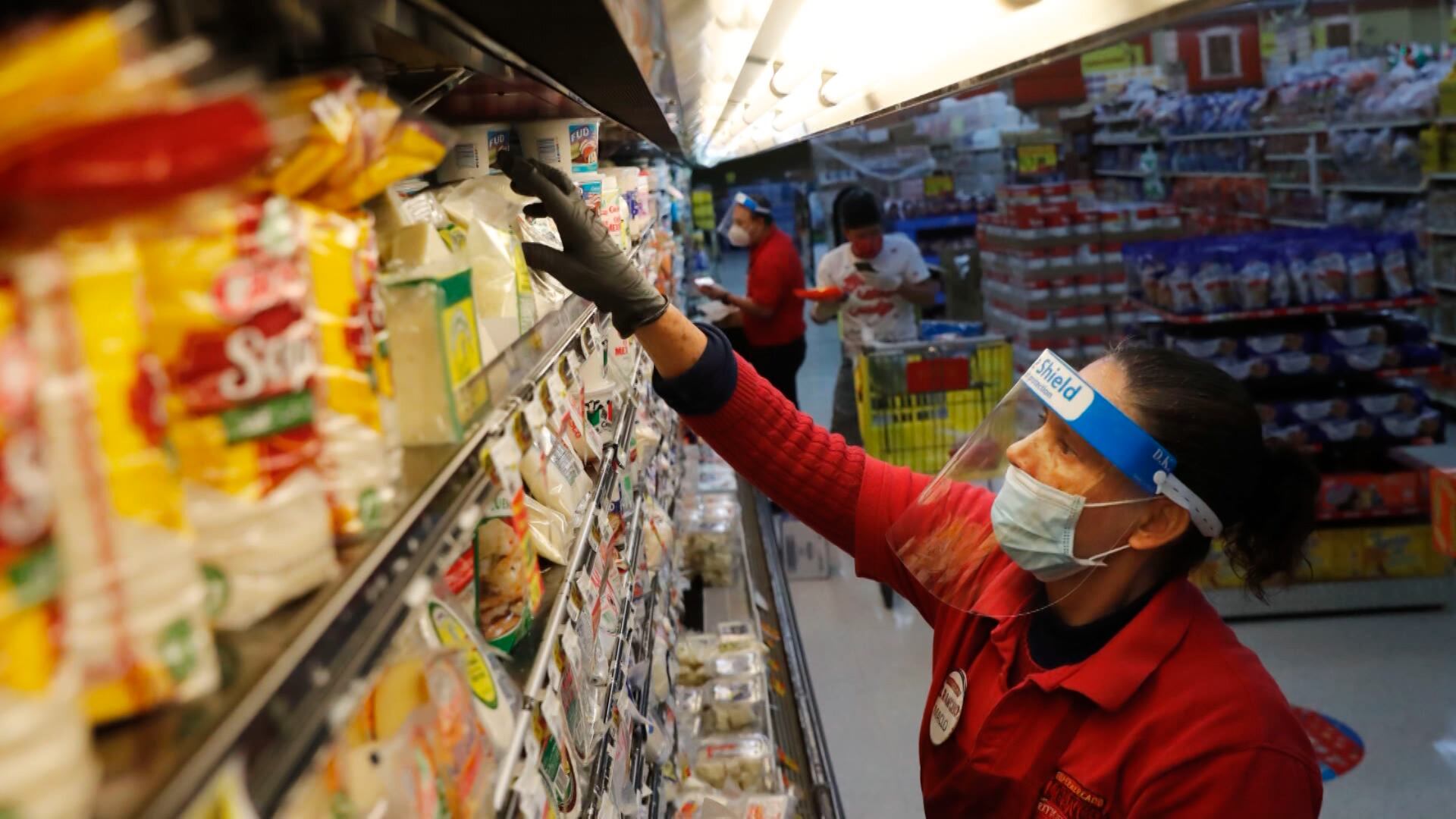
As more and more consumers are experiencing empty shelves at their grocery stores, Phil Lempert, editor of SupermarketGuru.com, spoke with Cheddar's Ken Buffa to discuss the changes in the supply chain that have trickled down into our grocery stores. "It's really three major factors: number one is climate change, number two is labor, and number three is transportation," he explained. Lempert also called on people to shop with local, independent grocers, calling it "critical to our infrastructure."
CPI rose 7% from a year prior in December, showing that inflation has continued to increase at its fastest pace since June 1982. Consumers are feeling the pressure when it comes to food, apparel, and used car prices, but got some relief in December as energy prices ticked slightly lower month-over-month. How will this ongoing inflation streak impact U.S. monetary policy as the Federal Reserve says it's prepared to implement aggressive tactics like raising interest rates? John Leer, Chief Economist at Morning Consult, joins Cheddar News' Closing Bell to discuss December's CPI data, what it means for consumers, how the Federal Reserve can help limit inflation, and more.
One startup is working to reverse climate change one seed at a time. Terraformation is a global forest accelerator that provides tools, training, financing, and business support to help scale forest restoration projects worldwide. Forests naturally absorb carbon and Terraformation says that reforestation is a safe, low-cost, and scalable solution to the climate crisis. Yee Lee, VP of growth at Terraformation, joins Cheddar Climate to discuss.
Back in February 2021, Twitter announced its three-year plan to double development velocity, to reach 315 million monetizable users, and double its total annual revenue. Chief Customer Officer Sarah Personette, joined Cheddar to discuss where the social media giant stands now a year after the announcement. "The progress against all three of those pillars has been substantial, and we'll continue to drive that over the course of the next year and beyond," she said. Personette also discussed the leadership of Twitter's CEO Parag Agrawal who took over for founder Jack Dorsey late in 2021.
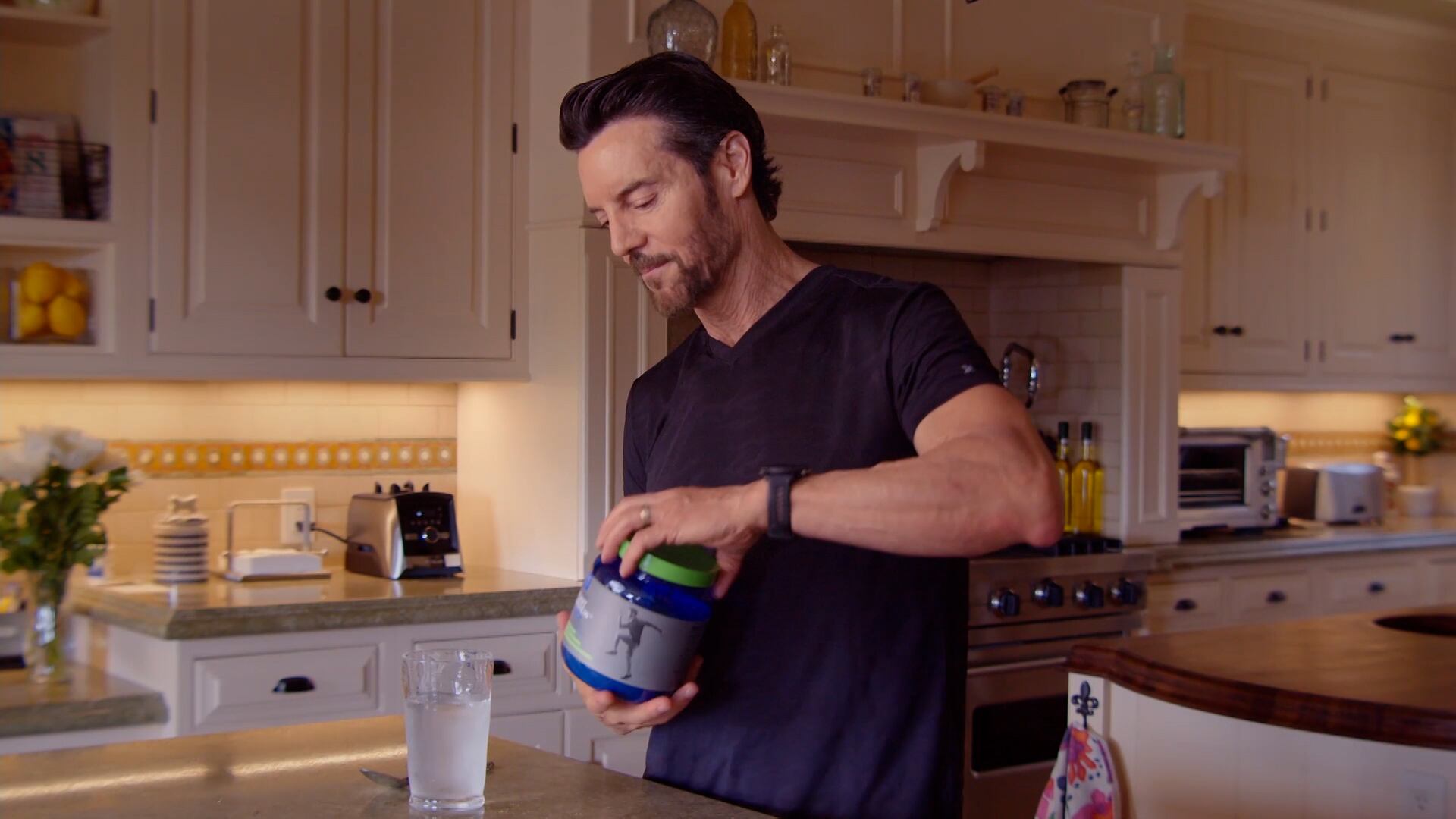
Tony Horton, fitness guru and creator of the famous P90X workout joins Cheddar News to discuss how people can stay focused and maintain fitness in the new year.