Senators began submitting questions as the next phase of President Trump's impeachment trial opened Wednesday. Officials will have 16 hours over two days to ask questions that Supreme Court Chief Justice John Roberts will read aloud from index cards. Impeachment managers and the president's defense team will then have the chance to answer.
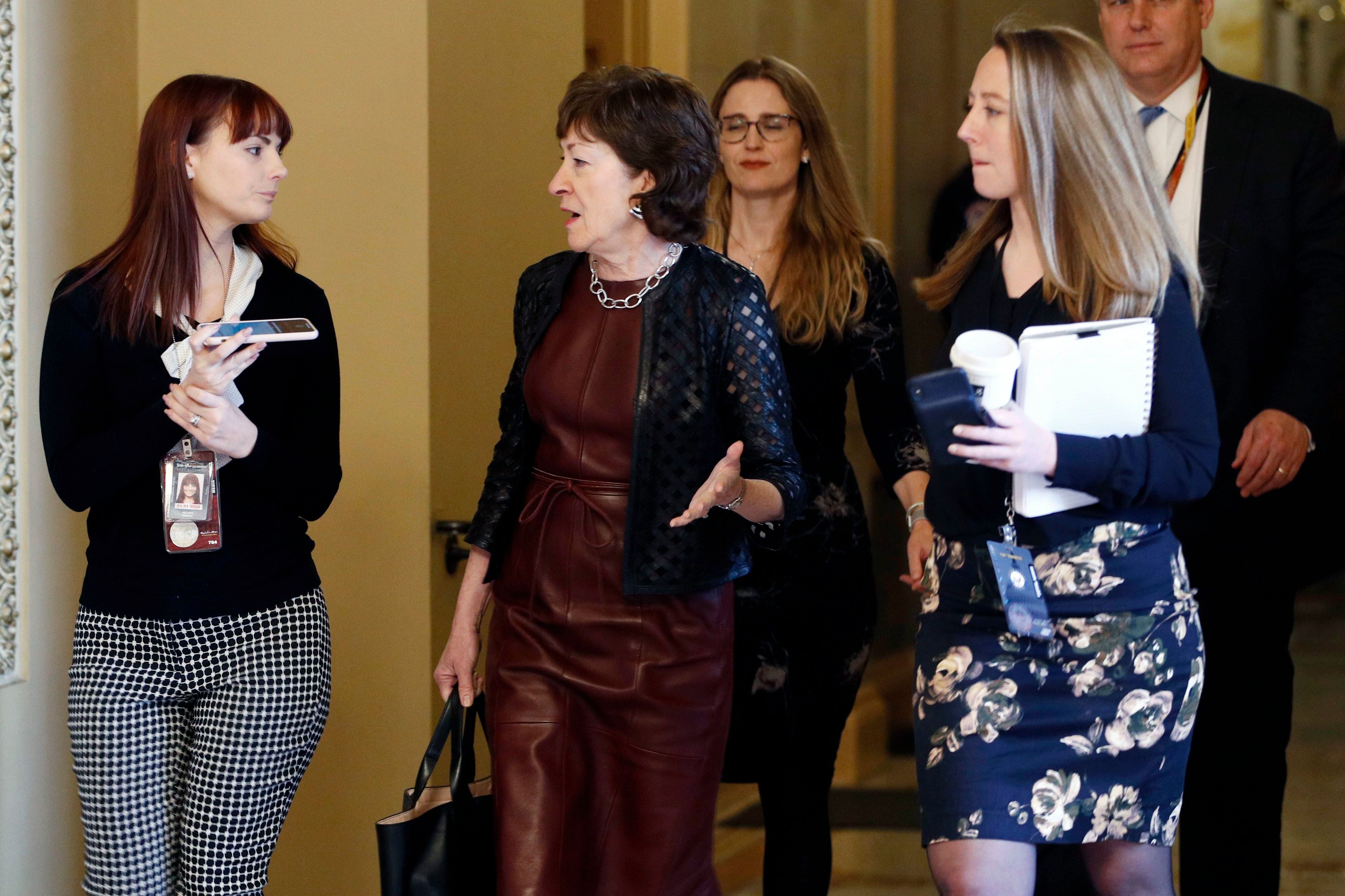
Senator Susan Collins (R-Maine), on behalf of herself and colleagues Senator Lisa Murkowski (R-Alaska) and Senator Mitt Romney (R-Utah), asked a question about how, if the president had mixed public and private motives for withholding aid to Ukraine, should the Senate consider that fact?
Patrick Philbin, one of the president's defense attorneys, said a mixed-motive does not matter as the charge is not impeachable. He said the House's case rests upon proving the that president's request for investigations was solely for personal reasons and once there is a "legitimate public interest," the managers' case "fails."
Though GOP leadership is still trying to whip enough Senators to block witnesses, public sentiment seems to be shifting. A new Quinnipiac University poll yesterday found 75 percent of registered voters say witnesses should be allowed to testify, including 49 percent of Republicans.
"I don't think we should [feel pressure to hear witnesses], I think we should get this over with," Rep. Mark Meadows (R-N.C. 11th District) told Cheddar just before the start of today's session.
As questions roll in, it appears Senators are looking to clarify conflicting stories that have been argued back and forth. Both sides can be seen whispering and passing notes while scrambling to come up with quick answers.
Rep. Adam Schiff (D-Calif. 28th District), leading the House Managers, clarified to Senators that the House did ask John Bolton to testify, but were refused. "When we subpoenaed Dr. Kupperman, he sued us, took us to court. When we raised a subpoena with John Bolton's counsel, the answer was ‘You serve us with a subpoena and we'll sue you too,’" Schiff said. Charles Kupperman was a former national security advisor to the president and Bolton's deputy.
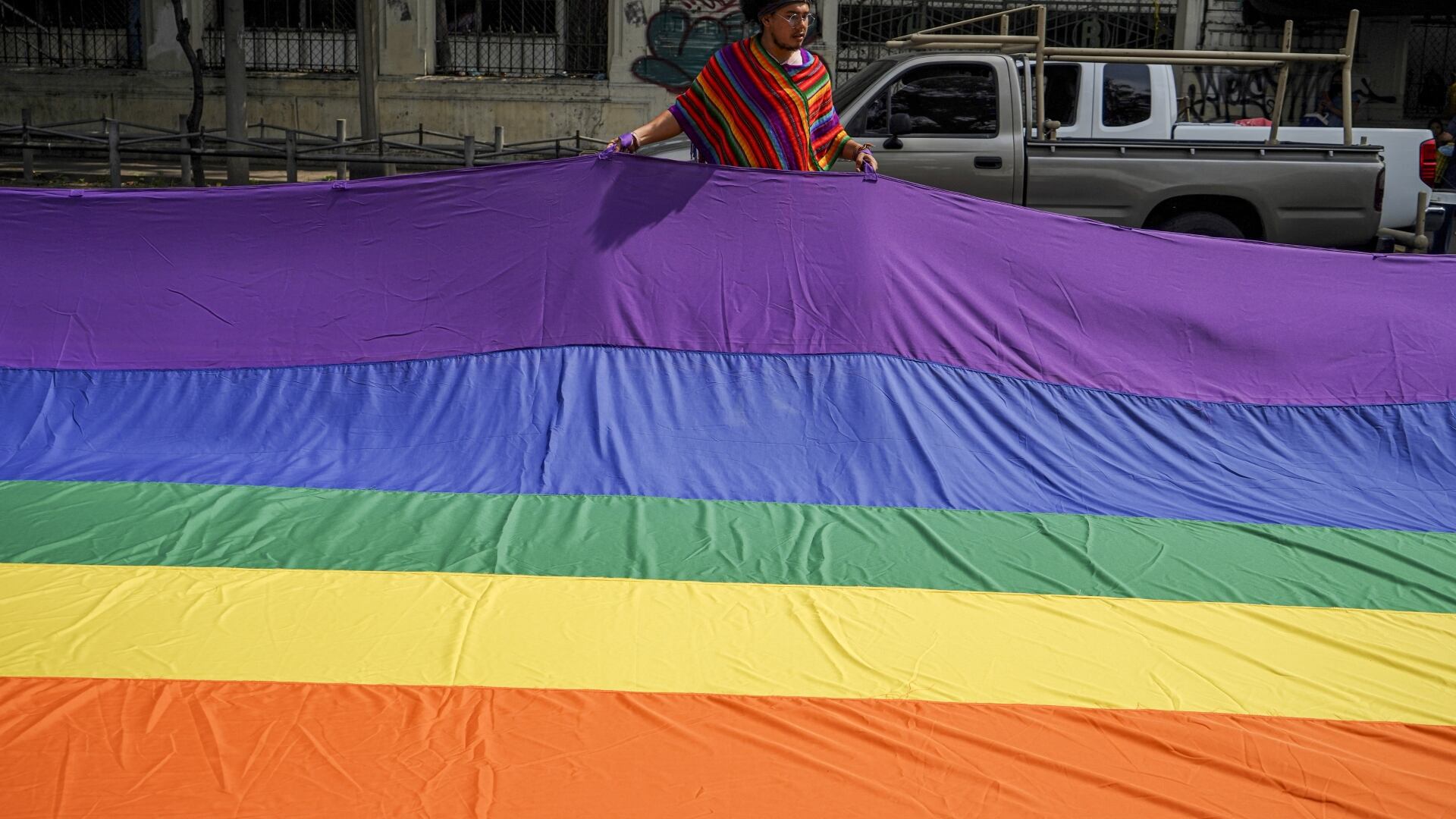
Liana Guzmán, CEO of FOLX Health, joins Cheddar News to discuss the company launching billboards across the country in response to anti-LGBTQ+ legislation.
President Biden has announced an additional $800 million in military assistance to Ukraine, including artillery, armored personnel carriers, and helicopters. It comes as Russian forces appear to be preparing for a new, aggressive offensive in the eastern part of Ukraine. Paul McLeary, defense reporter for Politico, joined Cheddar to discuss this new round of aid and what it means for the U.S. commitment to arming the embattled country.
Catching you up on what you need to know on April 18, 2022, with Russian missile attacks on the Ukrainian city of Lviv killing seven, mass shootings in South Carolina and Pittsburgh, Lucky Charms cereal under official investigation by the FDA, and more.
Activism is growing around the country in response to school boards banning books from shelves that focus on sexuality, gender, identity, or race. Jen Cousins, co-founder of The Florida Freedom to Read Project, joins Cheddar News to discuss.
As the Russian invasion of Ukraine intensifies, President Biden has announced a ban on importing Russian oil, gas, and energy. To discuss how this ban will impact the war and Americans, Amir Handjani, non-resident fellow at Quincy Institute, joins Cheddar News.
Thousands of protesters around the world are expressing their solidarity with Ukraine against Russia's invasion.
Jason Beardsley, national executive director of the Association of the U.S. Navy and national security expert, joins Cheddar News to discuss.
As gas prices surge amid the Russian invasion of Ukraine, other nations could potentially transition faster to using clean energy than previously expected. Philip K. Verleger, a senior fellow at the Niskanen Center, joined Cheddar News to explain how this could be a possibility in the near future. "Part of the reason I think we have this invasion and the tantrum that's being thrown by Russia, terrible tantrum, is because the Russians were trying to slow down the transition," he said. "Ironically they speeded it up."
Following the invasion of Ukraine, a multitude of Western companies have paused doing business with Russia. PepsiCo, Coca-Cola, McDonald's, and Starbucks are the most recent companies to temporarily cease operations in Russia. Dean of Miami Herbert Business School at the University of Miami, John Quelch, joined Cheddar News to discuss what message this sends to Russia and the Russian consumer. “I would not underestimate the collective strength of all of these multinational companies, essentially coming together to make their collective statement in support of the political statements that have come out of Washington," he said.
The war in Ukraine continues to reveal heartbreaking gut-wrenching stories. The war in itself is not only devastating but also expensive. Experts estimate that Russia is draining nearly $20 million dollars each day to continue occupying and invading Ukraine. All this could force the country to turn to cryptocurrencies. It's a major turn for the country that briefly considered outlined digital assets entirely, but it could also have serious implications for cryptos. Managing Director at Quantum Fintech Group, Harry Yeh, joined Cheddar to discuss more.