The government is close to reopening. The Senate voted Monday in favor of a temporary spending bill to fund the government until February 8th. The Daily Beast's White House Reporter Lachlan Markay explains rhetoric on Capitol Hill over this short-term resolution.
"Really all Democrats were able to get out of this deal was an agreement to vote on something that Senate majority leader Mitch McConnell insisted the Senate was already going to vote on," says Markay. "So from the Democratic perspective its not clear they got anything." McConnell promised the Democrats to vote on immigration reform as part of the spending resolution.
The House still needs to approve the measure the Senate passed in order for the government to reopen. With the funding extension, it's possible the government could face another shutdown in three weeks says Markay.
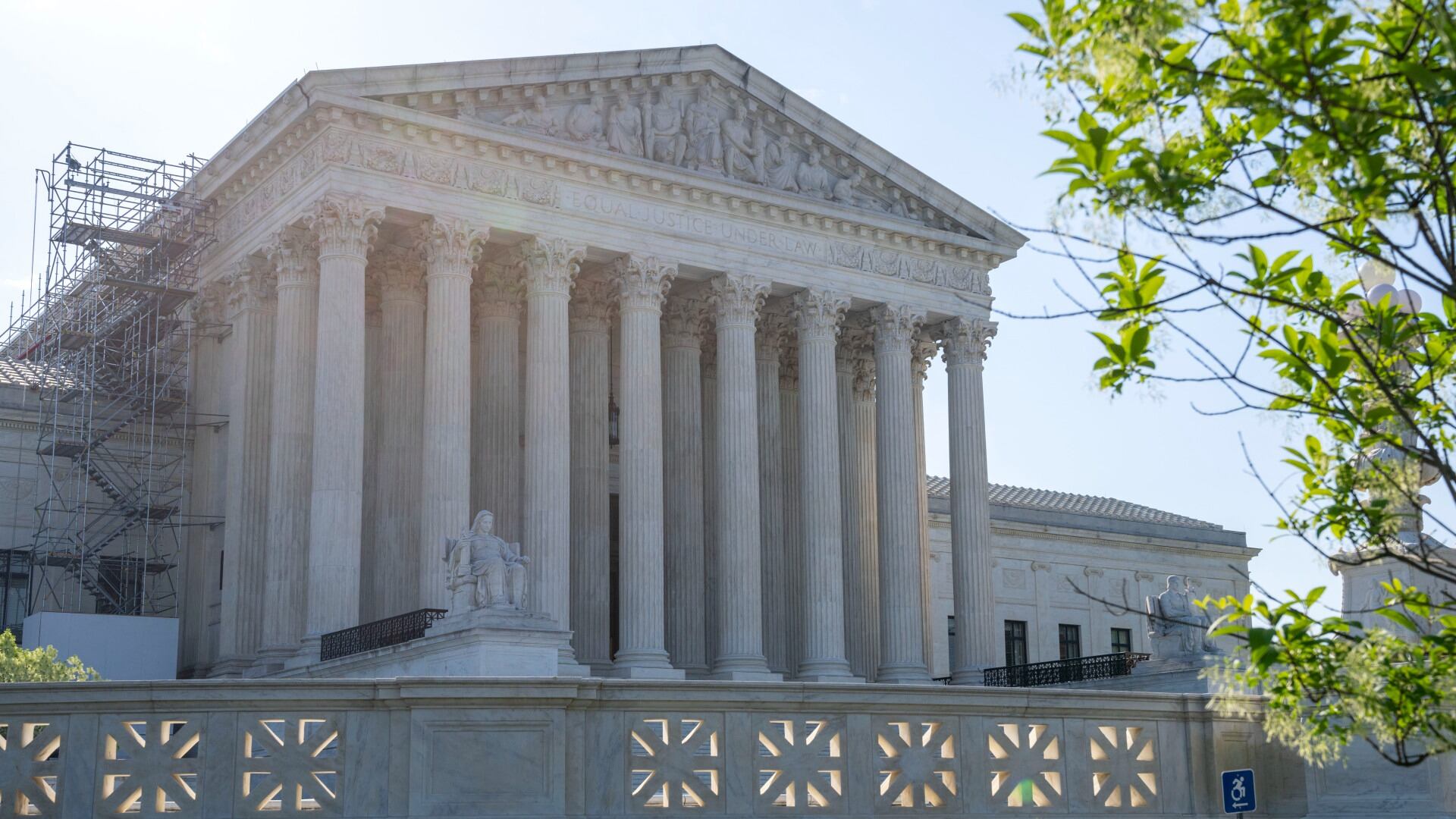
The Supreme Court on Thursday preserved the system that gives preference to Native American families in foster care and adoption proceedings of Native children, rejecting a broad attack from some Republican-led states and white families who argued it is based on race.
The U.S. Department of Agriculture said Wednesday it hopes to weed out false or misleading animal-welfare claims on meat and poultry packaging with new guidance and testing.
New York City is paying to house newly-arrived migrants in hotel rooms. Cheddar News takes a closer look at one of the hotels, the Holiday Inn, which is housing about 15,000 migrants over the next 15 months.
We've been closely following the migrants that were sent to various cities across the United States. Now New York City is paying for hotel rooms for migrants who were sent there. Cheddar's own Ashley Mastronardi has a closer look at one of the hotels.
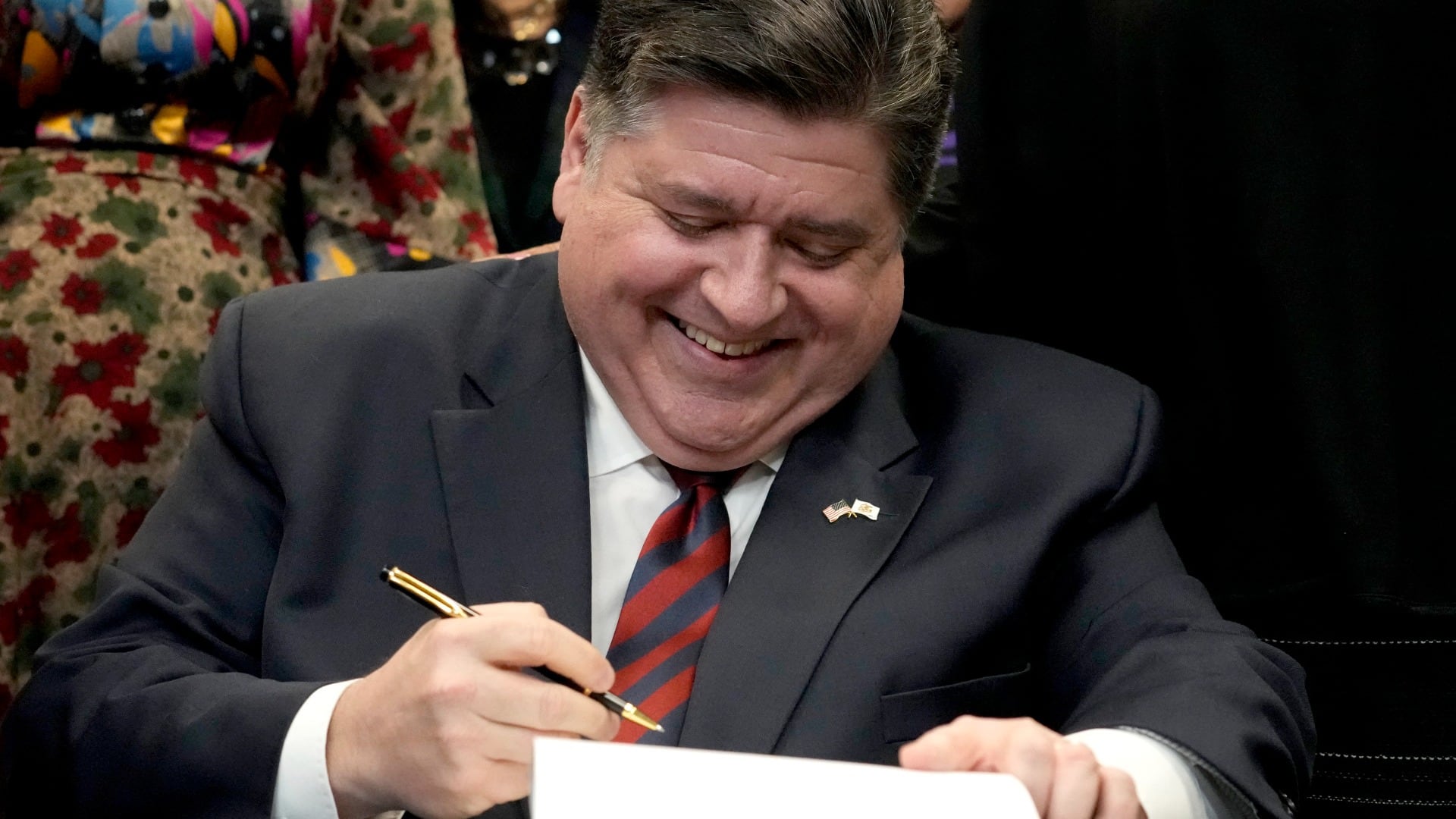
Illinois Governor J.B. Pritzker signed a bill that stops public schools and libraries from banning books.
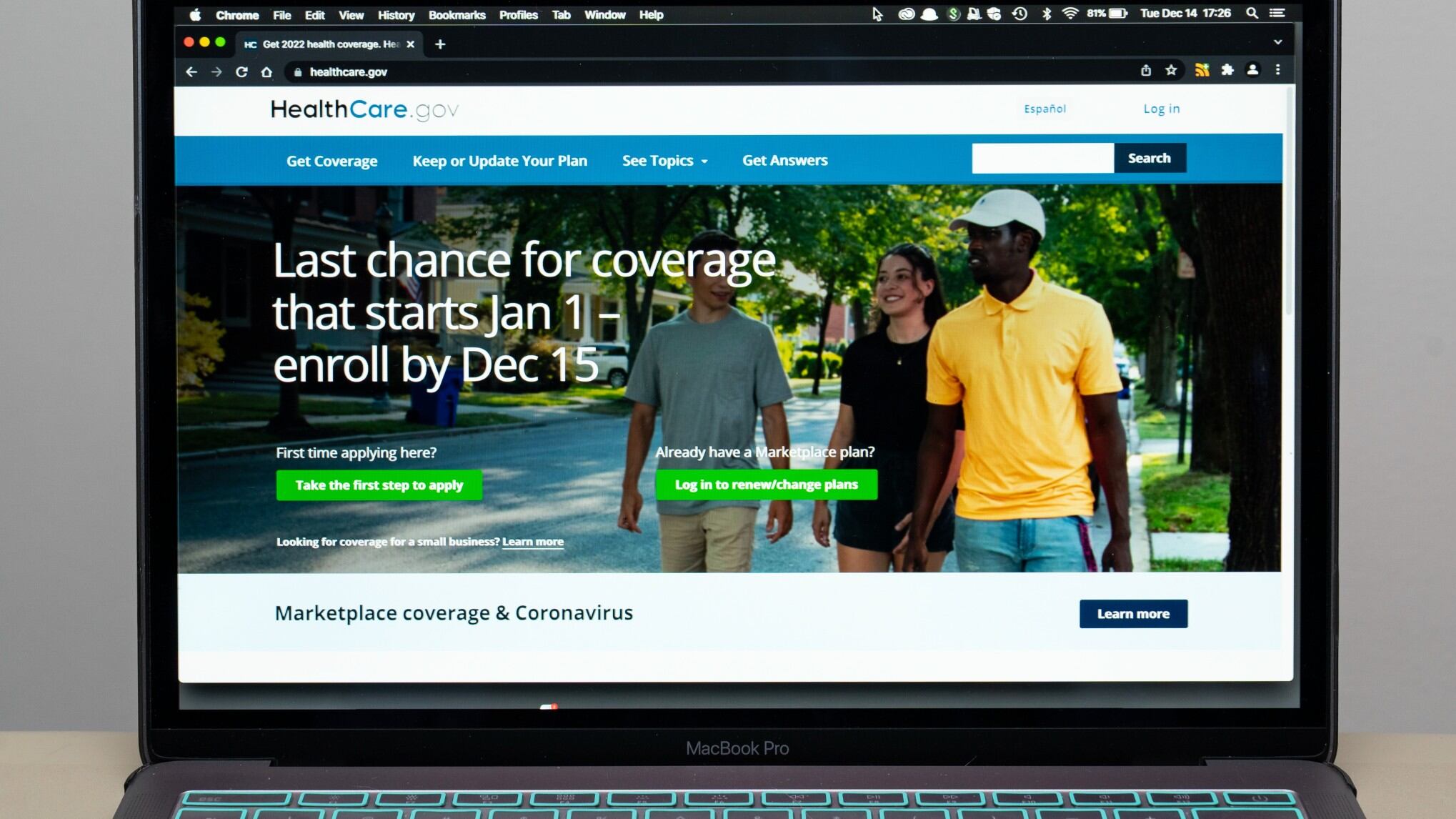
The Biden administration reached a deal to preserve a federal mandate requiring health insurers to cover preventive care at no extra cost for patients.
Former President Donald Trump arrives for his arraignment in Miami.
The government can keep enforcing “Obamacare” requirements that health insurance plans cover preventative care — such as HIV prevention, some types of cancer screenings and other illnesses — while a legal battle over the mandates plays out, under a court agreement approved Tuesday.
Two men who were active-duty members of the Marines Corps when they stormed the U.S. Capitol pleaded guilty on Monday to riot-related criminal charges.
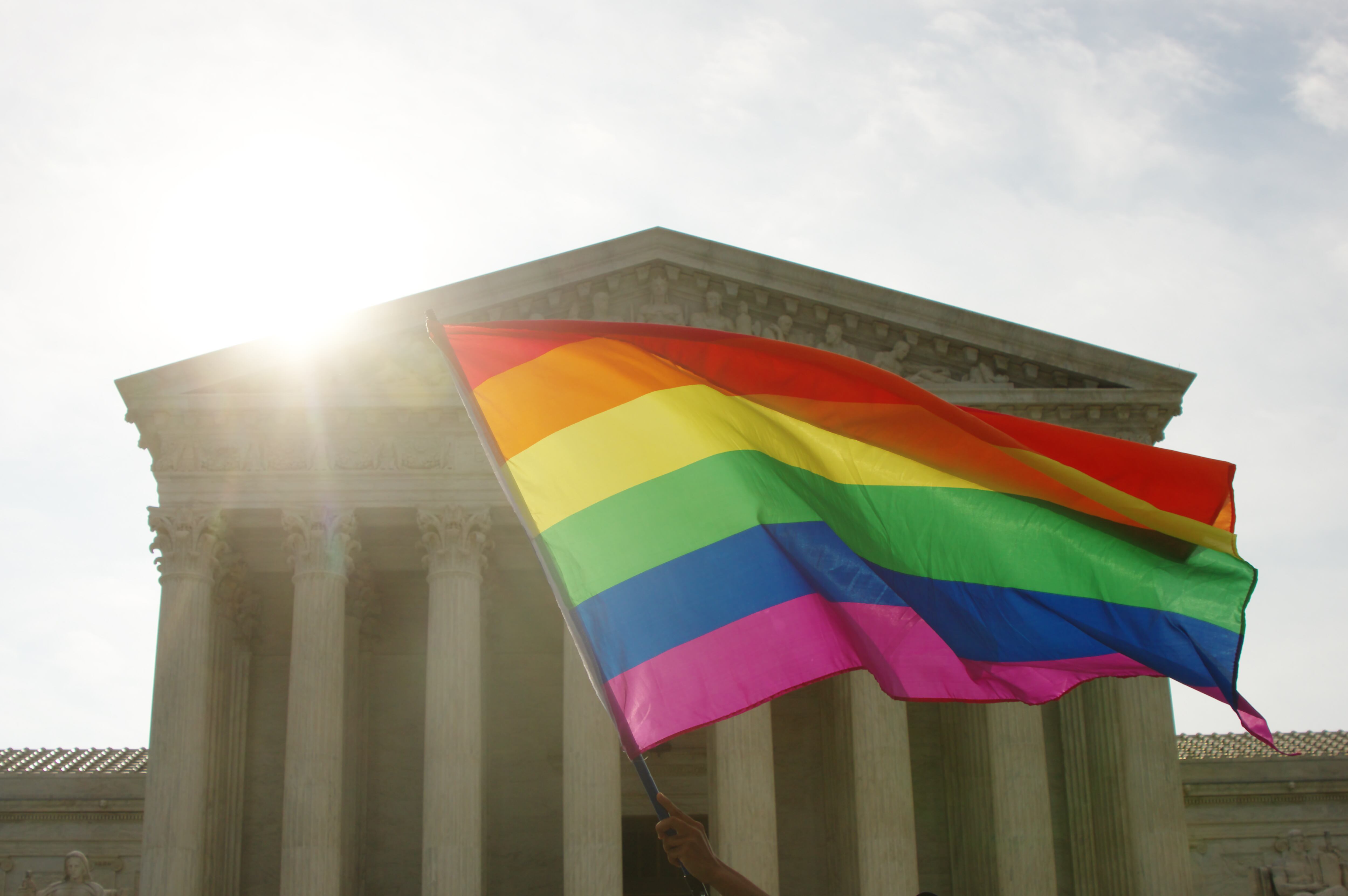
The Human Rights Campaign, for the first time in its 40-year history, declared a state of emergency for the LGBTQ+ community as anti-LTBTQ+ sentiment is on the rise. Cheddar News explains.