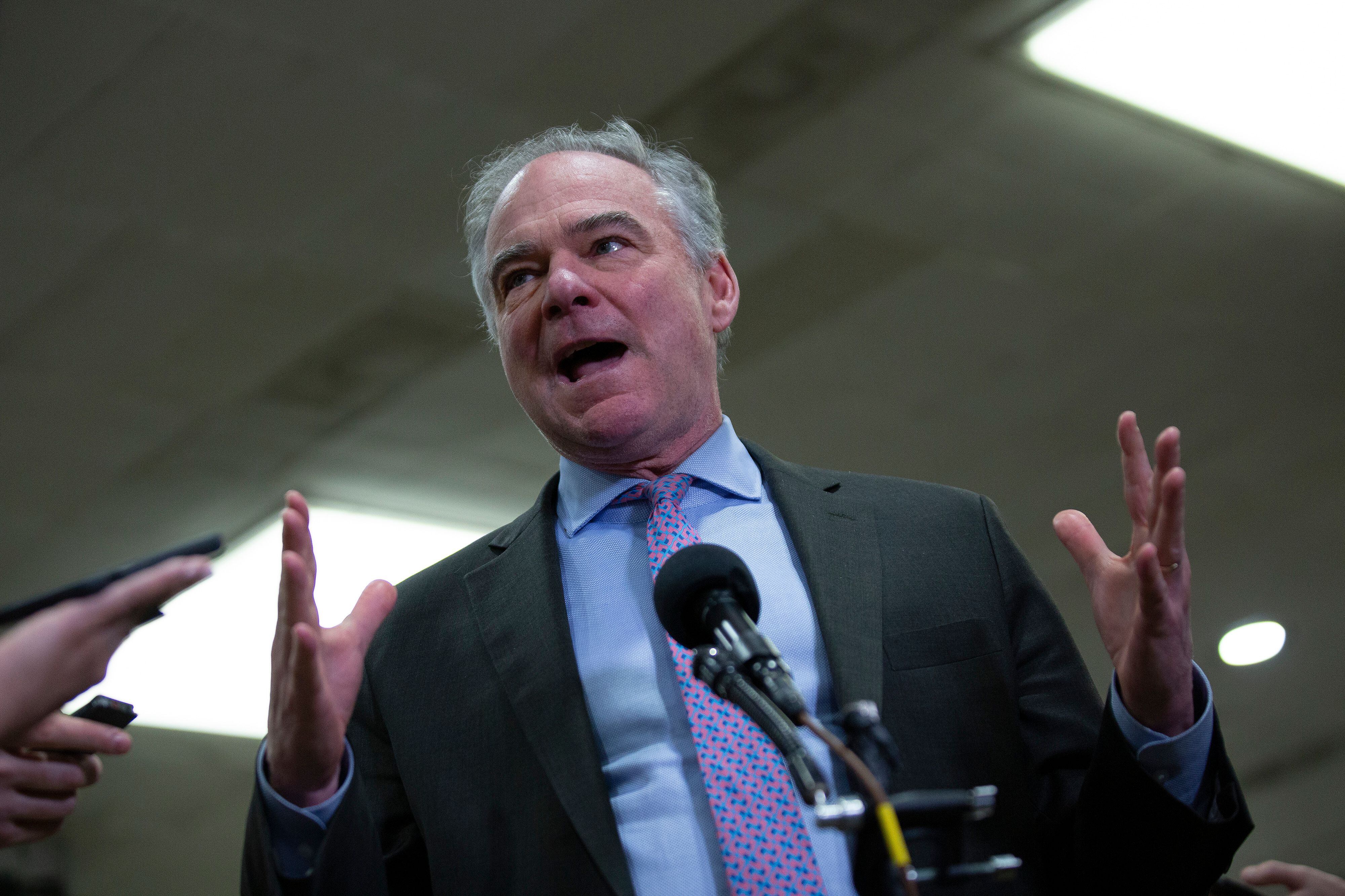
As the Senate enters a new phase of President Donald Trump's impeachment, Senator Tim Kaine (D-Va.) tells Cheddar he sees three things on trial: the U.S. Senate's reputation, the president's behavior, and the American system of justice.
Fifty-three senators in the 116th Senate hold law degrees and will be able to draw upon that knowledge when they enter the chamber to debate the merits of the articles of impeachment.
Kaine and Senator Bob Menendez (D-N.J.), the highest-ranking Latino member in Congress, both told reporters Wednesday that they have been able to use their legal training and experience as practicing attorneys during the trial.
Some of the Republicans expected to break party rank to vote in favor of hearing witnesses hold law degrees too. Senators Mitt Romney (R-Utah) and Lamar Alexander (R-Tenn.) hold law degrees from Harvard University and New York University, respectively. Senator Lisa Murkowski (R-Alaska) worked as an attorney for nearly a decade before joining the Senate.
Before going home to Richmond last weekend, Kaine told Cheddar he viewed the impeachment as putting the president's conduct is on trial along with the capability of the Senate. But after going home and speaking to people at gas stations and grocery stores, he found that the public sees this as a trial of our justice system. "I had thought of it more as the Senate's reputation or what the president's behavior was, but people were talking to me this weekend about that," said Kaine.
"A lot of people in this country have real questions about whether our justice system delivers impartial justice. Does our justice system deliver impartial justice?" he asked. "Or is there a different system for the rich and powerful folks?"
Though Kaine said he hadn't yet brought that point up to his Republican colleagues, he told Cheddar he plans to during the deliberation period about calling witnesses. Senators will have four hours to debate the question of witnesses or documents before voting, which is expected on Friday.
"That's certainly something I'm going to share with them," the senator stated.
During today's press conference, Kaine emphasized that "not once in 17 years did I ever have a trial where there were no witnesses or documents," and he believed that the American people would be able to discern between what a trial is and isn't. However, he told reporters that if no witnesses are called, it will support the "cynicism and anxiety about our system of justice" many Americans might be feeling.
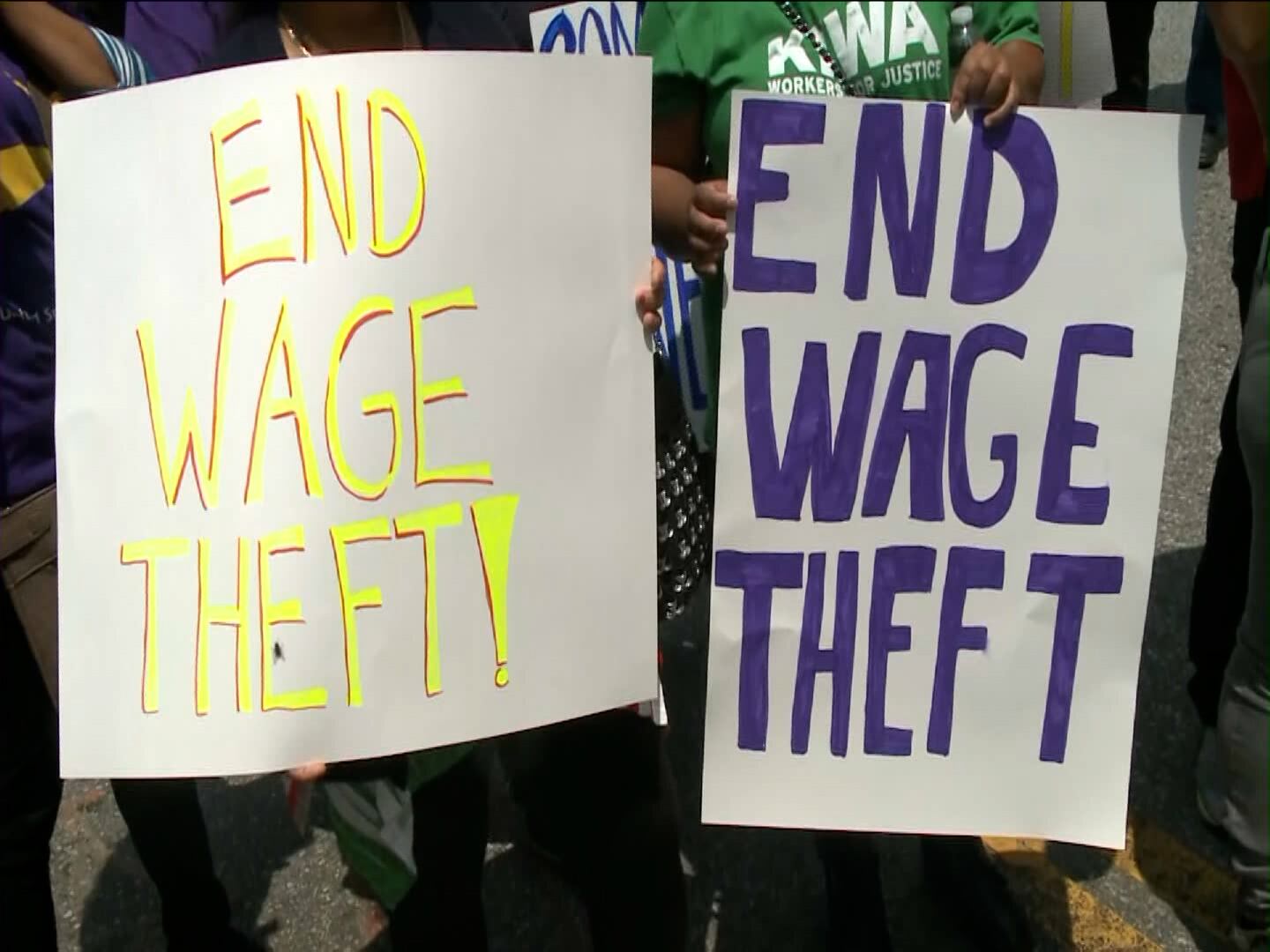
The average city in California has a 38% higher cost of living than the average American city, according to a cost of living index. For many, the general minimum wage of $15/hour just doesn't cut it. Anti-poverty activist Joe Sanberg wants to get the minimum wage changed to $18/hour. He joins Cheddar News to discuss the Living Wage Act of 2022.
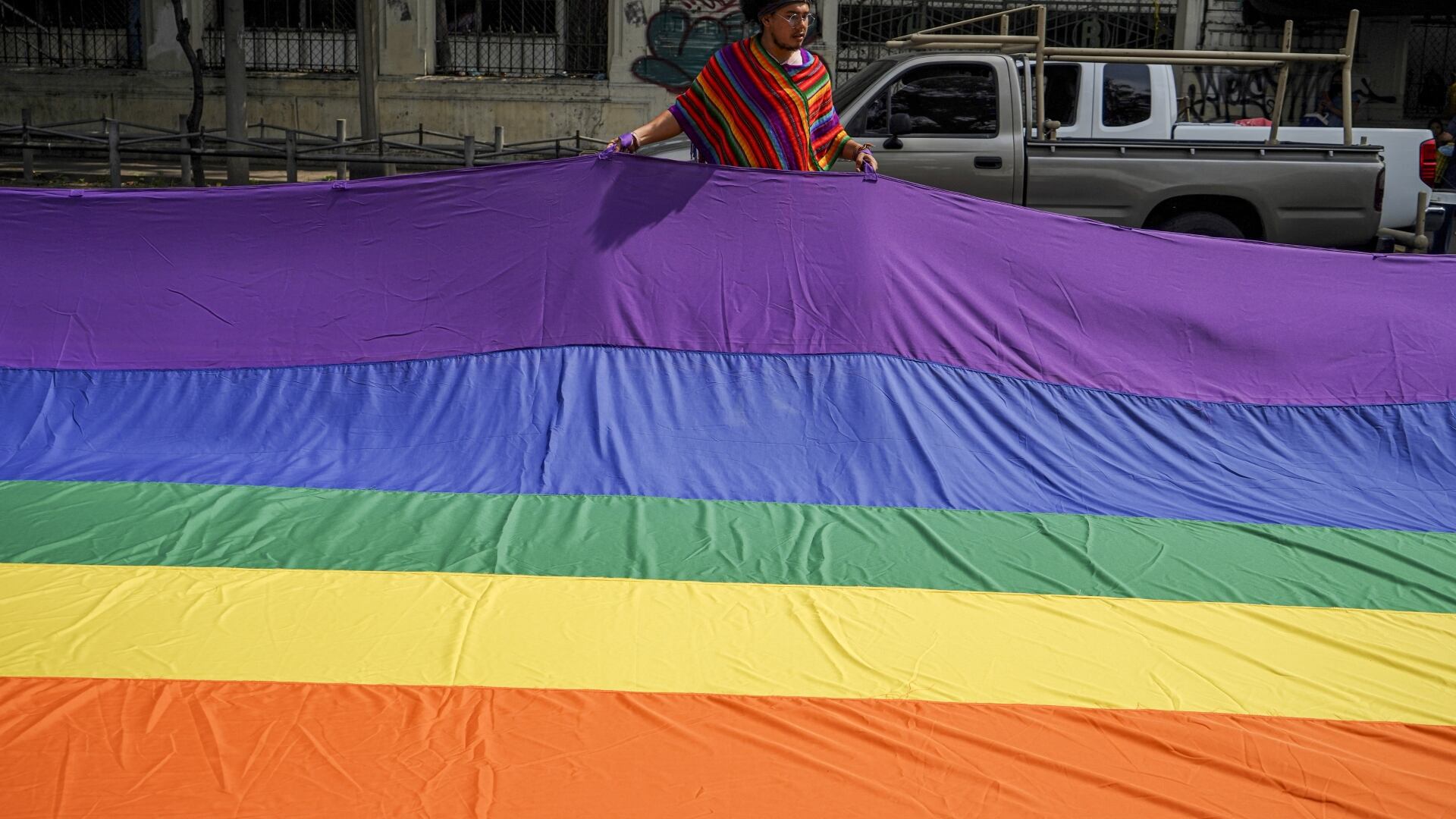
Liana Guzmán, CEO of FOLX Health, joins Cheddar News to discuss the company launching billboards across the country in response to anti-LGBTQ+ legislation.
President Biden has announced an additional $800 million in military assistance to Ukraine, including artillery, armored personnel carriers, and helicopters. It comes as Russian forces appear to be preparing for a new, aggressive offensive in the eastern part of Ukraine. Paul McLeary, defense reporter for Politico, joined Cheddar to discuss this new round of aid and what it means for the U.S. commitment to arming the embattled country.
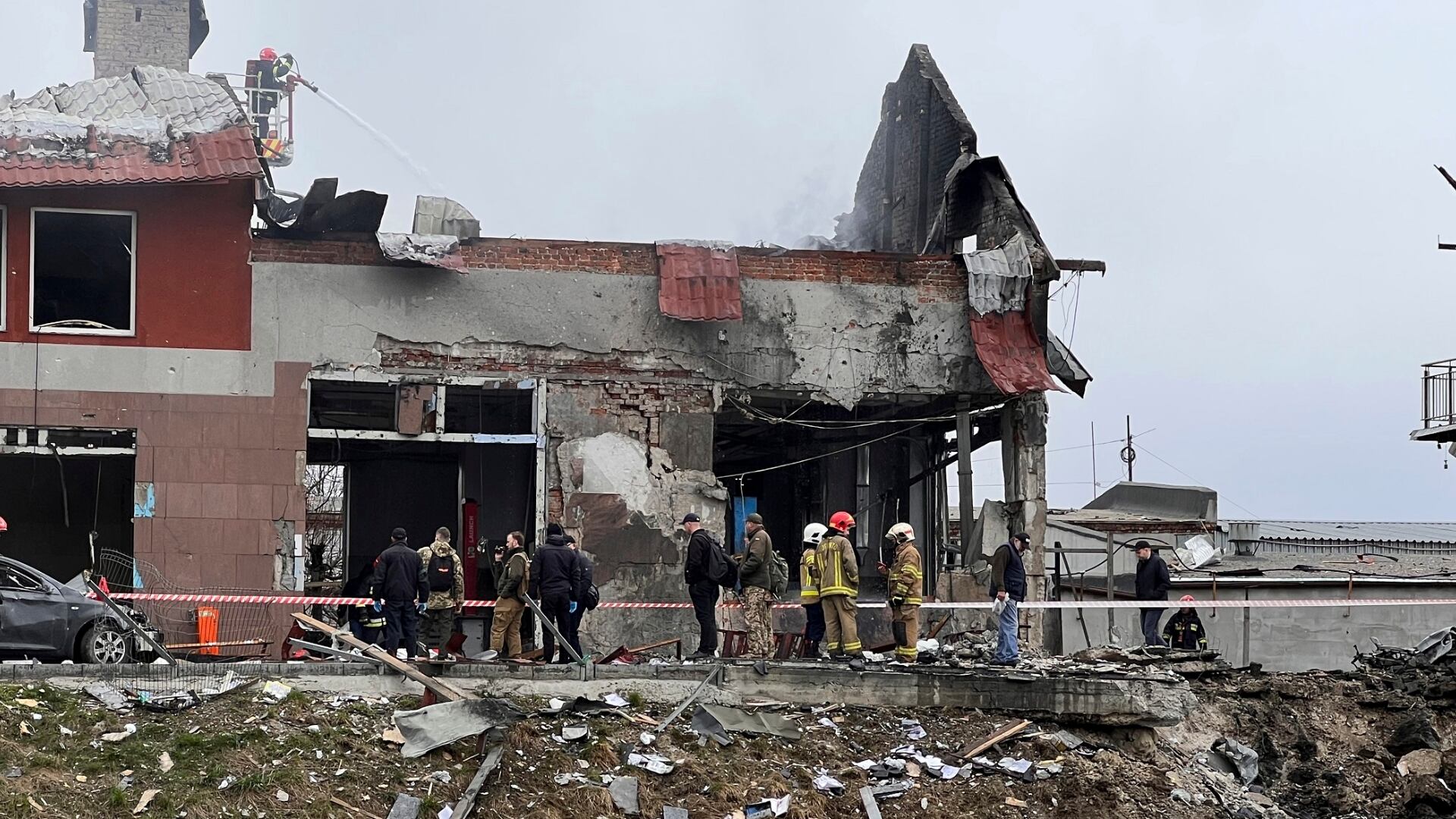
Catching you up on what you need to know on April 18, 2022, with Russian missile attacks on the Ukrainian city of Lviv killing seven, mass shootings in South Carolina and Pittsburgh, Lucky Charms cereal under official investigation by the FDA, and more.
Activism is growing around the country in response to school boards banning books from shelves that focus on sexuality, gender, identity, or race. Jen Cousins, co-founder of The Florida Freedom to Read Project, joins Cheddar News to discuss.
As the Russian invasion of Ukraine intensifies, President Biden has announced a ban on importing Russian oil, gas, and energy. To discuss how this ban will impact the war and Americans, Amir Handjani, non-resident fellow at Quincy Institute, joins Cheddar News.
Thousands of protesters around the world are expressing their solidarity with Ukraine against Russia's invasion.
Jason Beardsley, national executive director of the Association of the U.S. Navy and national security expert, joins Cheddar News to discuss.
As gas prices surge amid the Russian invasion of Ukraine, other nations could potentially transition faster to using clean energy than previously expected. Philip K. Verleger, a senior fellow at the Niskanen Center, joined Cheddar News to explain how this could be a possibility in the near future. "Part of the reason I think we have this invasion and the tantrum that's being thrown by Russia, terrible tantrum, is because the Russians were trying to slow down the transition," he said. "Ironically they speeded it up."