In a letter to CEOs of DoorDash, Grubhub, Instacart, and Uber, Senator Elizabeth Warren (D-Mass.) called on the employers to provide gig workers with "basic rights and protections" as they perform "essential delivery work."
"Delivery workers are risking their health to keep Americans fed during this crisis," Senator Elizabeth Warren (D-MA) told Cheddar Wednesday, regarding her push to re-classify members of the gig economy as employees.
Numerous workers currently are protesting treatment by large companies, arguing that they are not adequately protected during the pandemic when many Americans are staying home to keep safe.
Instacart shoppers launched a nationwide strike Monday to demand hazard pay and health protection, and Amazon workers at a warehouse on Staten Island, New York, walked out in response to the company's handling actions. Amazon-owned Whole Foods employees held a nationwide strike on Tuesday by calling out sick to protest what they said is a lack of protections.
The debate over classifying delivery or gig workers as employees rather than independent contractors is not new, but Warren said the current crisis crystallizes the need for these protections.
"They perform essential delivery work, and they are critical to serving customers who can't leave home," she said. "These companies have a responsibility to protect their workers' health and to protect the public health."
Warren said if they were classified as employees, they would be granted basic workers' rights like paid sick leave and minimum wage.
Ty Young, CEO of Ty J. Young Wealth Management, joins Cheddar to discuss Trump's moves as he returns to Washington D.C. and how it may affect the U.S. economy.
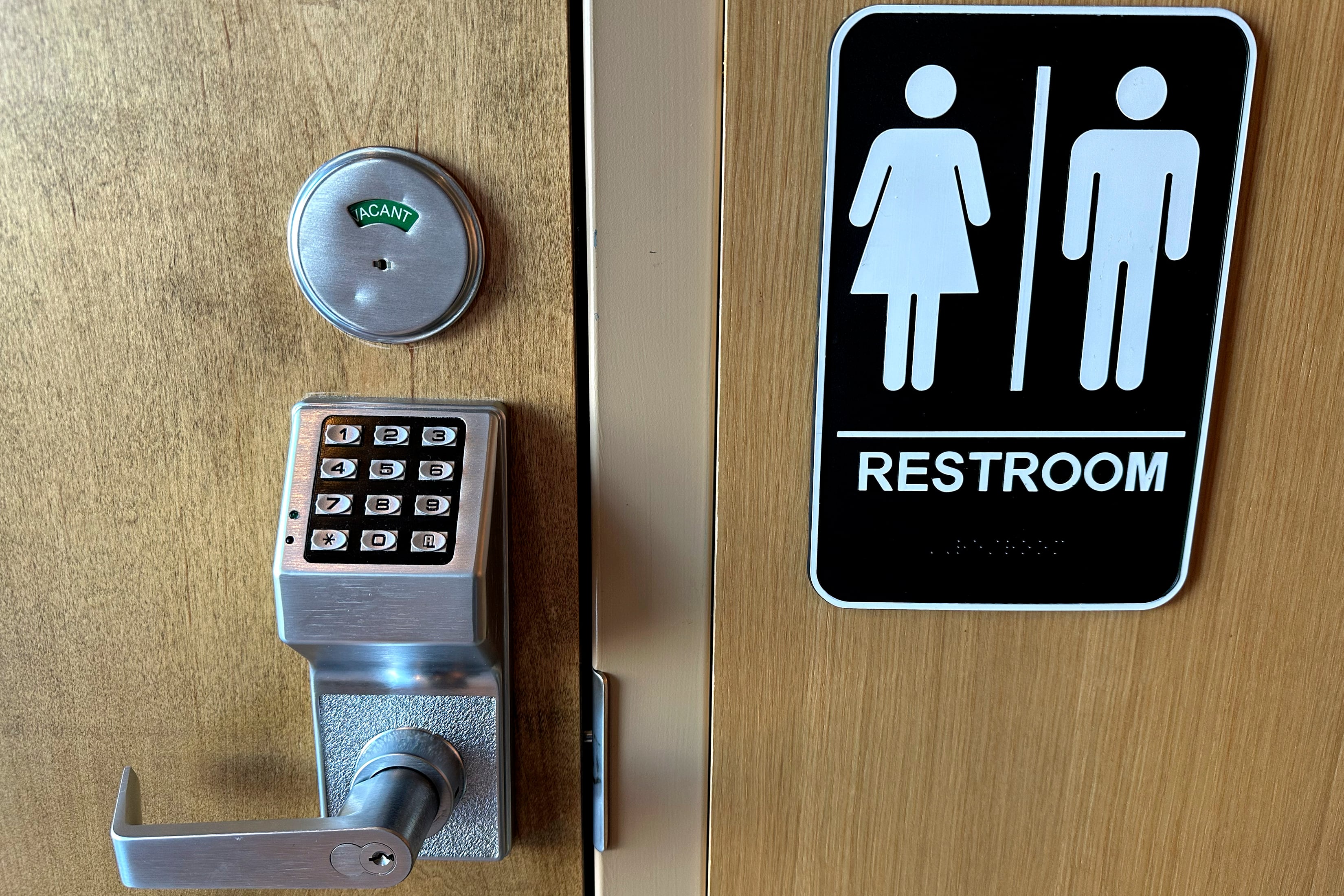
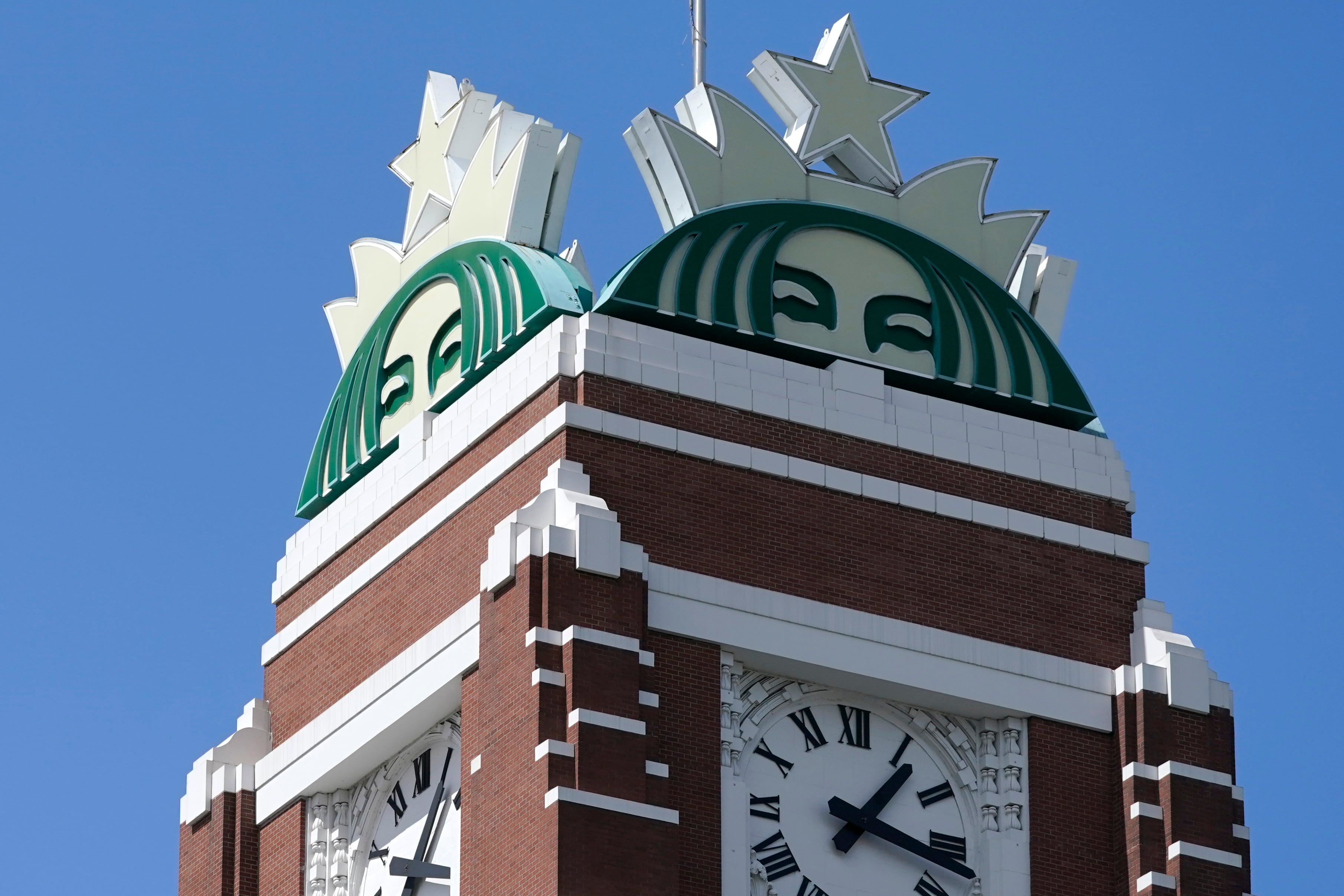
Starbucks’ decision to restrict its restrooms to paying customers has flushed out a wider problem: a patchwork of restroom use policies that varies by state and city. Starbucks announced last week a new code of conduct that says people need to make a purchase if they want to hang out or use the restroom. The coffee chain's policy change for bathroom privileges has left Americans confused and divided over who gets to go and when. The American Restroom Association, a public toilet advocacy group, was among the critics. Rules about restroom access in restaurants vary by state, city and county. The National Retail Federation says private businesses have a right to limit restroom use.
President Donald Trump is talking up a joint venture investing up to $500 billion for infrastructure tied to artificial intelligence by a new partnership formed by OpenAI, Oracle and SoftBank. The new entity, Stargate, will start building out data centers and the electricity generation needed for the further development of the fast-evolving AI in Texas, according to the White House. The initial investment is expected to be $100 billion and could reach five times that sum. While Trump has seized on similar announcements to show that his presidency is boosting the economy, there were already expectations of a massive buildout of data centers and electricity plants needed for the development of AI.
Chris Ruder, Spikeball Founder and CEO, explains how he and his friends put roundnet on the global map, plus, how Spikeball helps people "find their circle."
J.W. Roth, CEO of Venu Holding Corporation, discusses the company's IPO and plans to redefine live music entertainment with their fan founded, fan-owned model.
Variety's Clayton Davis discusses why more than just the 1% are struggling after the LA fires. Plus, how awards shows will pivot to help victims. Watch!
Emily Hosie, CEO of Rebelstork, explains the concept of Returns Recommerce, plus how her company raised $18M to address the industry-wide issue of returns.