Scarlett Johansson arrives at the 35th Film Independent Spirit Awards on Feb. 8, 2020, in Santa Monica, Calif. Johansson and the Walt Disney Co. announced Sept. 30, 2021, that they had settled a lawsuit the actor filed in July over the streaming release of "Black Widow," which she said breached her contract and deprived her of potential earnings. Terms were not disclosed, but the two sides released a joint statement in which they pledged to continue working together. (Photo by Richard Shotwell/Invision/AP, File)
By Andrew Dalton
Scarlett Johansson and the Walt Disney Co. on Thursday settled her lawsuit over the streaming release of “Black Widow,” bringing a swift end to what had begun as the first major fight between a studio and star over recent changes in rollout plans for films.
Johansson filed the lawsuit in Los Angeles Superior Court two months ago, saying the streaming release of the Marvel movie breached her contract and deprived her of potential earnings.
Terms of the deal were not disclosed, but the two sides released a joint statement in which they pledged to continue working together.
“I am happy to have resolved our differences with Disney," said Johansson, who has played Natasha Romanoff aka Black Widow, in nine movies going back to 2010’s “Iron Man 2.” "I’m incredibly proud of the work we’ve done together over the years and have greatly enjoyed my creative relationship with the team. I look forward to continuing our collaboration.”
Alan Bergman, chairman of Disney Studios Content, said he is “pleased that we have been able to come to a mutual agreement."
“We appreciate her contributions to the Marvel Cinematic Universe and look forward to working together on a number of upcoming projects,” Bergman said.
The lawsuit said Johansson's contract guaranteed an exclusive theatrical release, with her potential earnings tied to the box office performance of the film.
But as it has with other recent releases since the coronavirus pandemic began, Disney released the film simultaneously in theaters and through its streaming service Disney+ for a $30 rental.
The rhetoric of the lawsuit and Disney's response suggested a long and ugly battle was ahead.
“In the months leading up to this lawsuit, Ms. Johansson gave Disney and Marvel every opportunity to right their wrong and make good on Marvel’s promise,” the lawsuit said. “Disney intentionally induced Marvel’s breach of the Agreement, without justification, in order to prevent Ms. Johansson from realizing the full benefit of her bargain with Marvel.”
Disney at the time said the lawsuit had “no merit whatsoever," adding that it was “especially sad and distressing in its callous disregard for the horrific and prolonged global effects of the COVID-19 pandemic.”
Disney said the changed release plan "significantly enhanced her ability to earn additional compensation on top of the $20M she has received to date.”
Delayed more than a year because of COVID-19, “Black Widow” debuted to a what was then a pandemic-best of $80 million in North America and $78 million from international theaters on July 9. But theatrical grosses declined sharply after that. In its second weekend in release, the National Association of Theater Owners issued a rare statement criticizing the strategy.
Revised hybrid release strategies have occasionally led to public spats between stars, filmmakers and financiers who are unhappy with potential lost revenues and their lack of say in such strategies.
But none were as big or as public as Johansson’s lawsuit.
Vacasa is the largest full-service vacation rental property management company in the United States. Today, it announced the launch of a new homeowner app to help users monitor how the company is managing their vacation rental homes. It comes as consumer confidence in travel is on the rise ahead of the holiday season. Vacasa CEO Matt Roberts joined Cheddar News' Closing Bell to discuss.
Everyone is stepping into the NFT space, including the Grammys. 'Oneof' is entering a three-year partnership with The Recording Academy to release exclusive NFTs commemorating the 64th, 65th, and 66th Annual Grammy Awards. A portion of the proceeds will also go to The Recording Academy's scholarship fund. Adam Fell, co-founder and board member of Oneof and the president of Quincy Jones Productions, joins Cheddar News to discuss the announcement.
'THEMAGIC5' produces swimming goggles that contour the face using advanced robot technologies and 3D printing. Both of the company's founders Bo Haaber and Rasmus Barfred went on ABC's 'Shark Tank' and caught a $1 million deal. The duo join Cheddar News to talk about what the new funding means for the company.
Molly Hayward, the founder of wellness brand Cora, joins Cheddar News to discuss the company's product, Period Balm, being a CEW Beauty Creators Awards Finalist.
Things are looking up for everyone's favorite crypto. Bitcoin rallied nearly 40% in October, hitting a record high of $66,975. That was the biggest single-month percentage rally since December 2020. On Monday morning, Bitcoin was trading 2.4% higher while Ethereum and Dogecoin were trading at 1.71% and 3.95%. Ben Armstrong, founder of BitBoy Crypto, joins Cheddar News to talk about the latest in the crypto space.
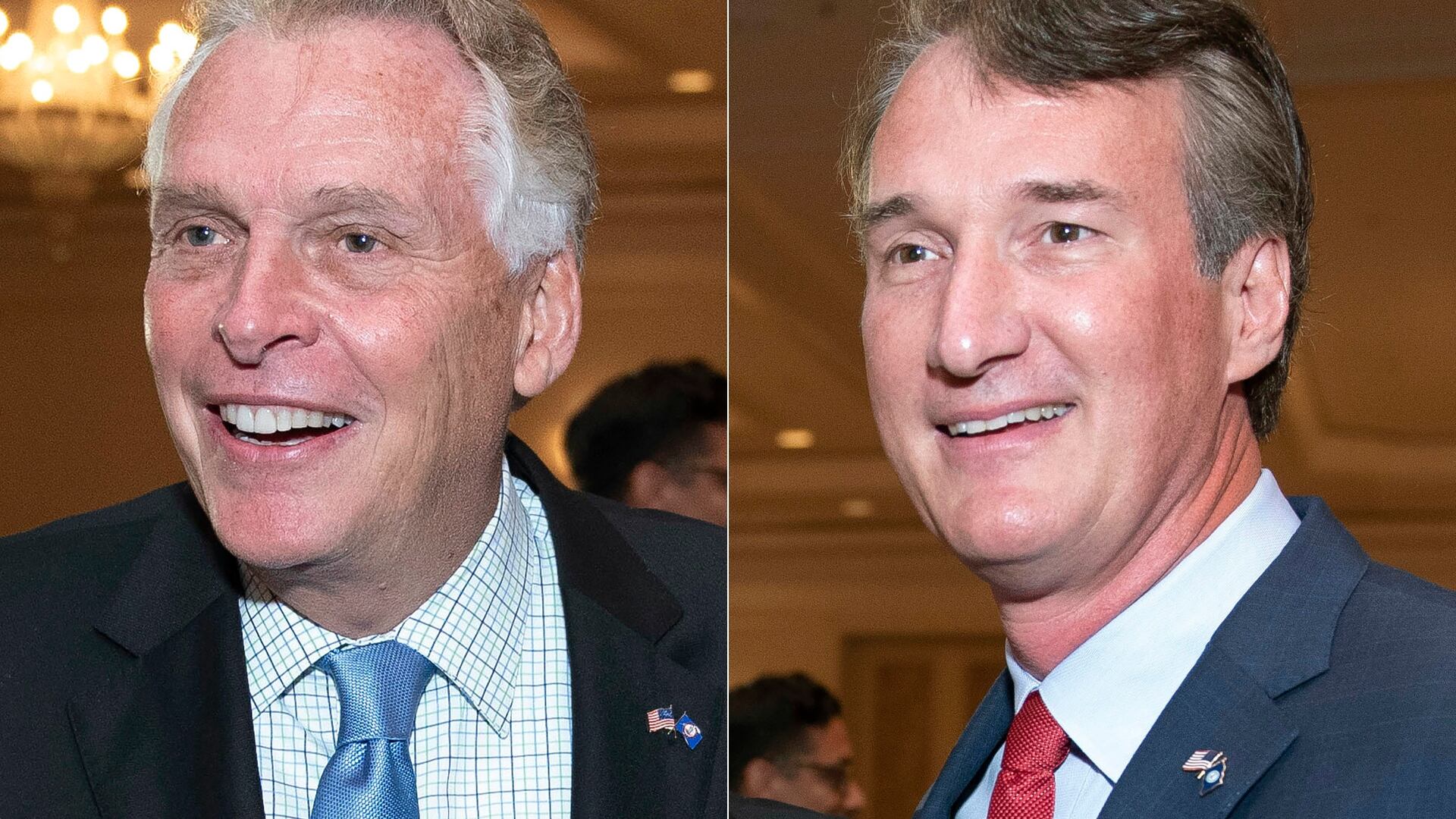
Laura Vozzella, local reporter for The Washington Post, joins Cheddar News to discuss the close gubernatorial race in Virginia and what voters are looking for in each candidate.
The U.S. Supreme Court takes a closer look at the Texas abortion law that was designed by its sponsors to evade constitutional review in federal court. Katie Barlow, journalist and social media editor at SCOTUSblog joins Cheddar News to breakdown what was discussed.
John Paul Mejia, the national spokesperson for the Sunrise Movement, joined Cheddar to talk about what the youth activist group wants to see from President Joe Biden as he attends the COP26 climate summit. Mejia admonished the president for having little to deliver on his own climate agenda domestically while at the conference. "We need the president to follow through with his promises because, frankly, it's a matter of life or death not only for communities here in the United States but also those looking to us around the world," he said.
ESG, or environmental, social, and governance, investing has surged in popularity recently, reaching new record highs in 2020. The goal is to invest in companies and products that advocate for social change, while earning markets returns at the same time. Lauren Dillard, EVP and Head of Investment Intelligence at Nasdaq, joined Cheddar to discuss the ESG investing fad and the potential risks associated with it.