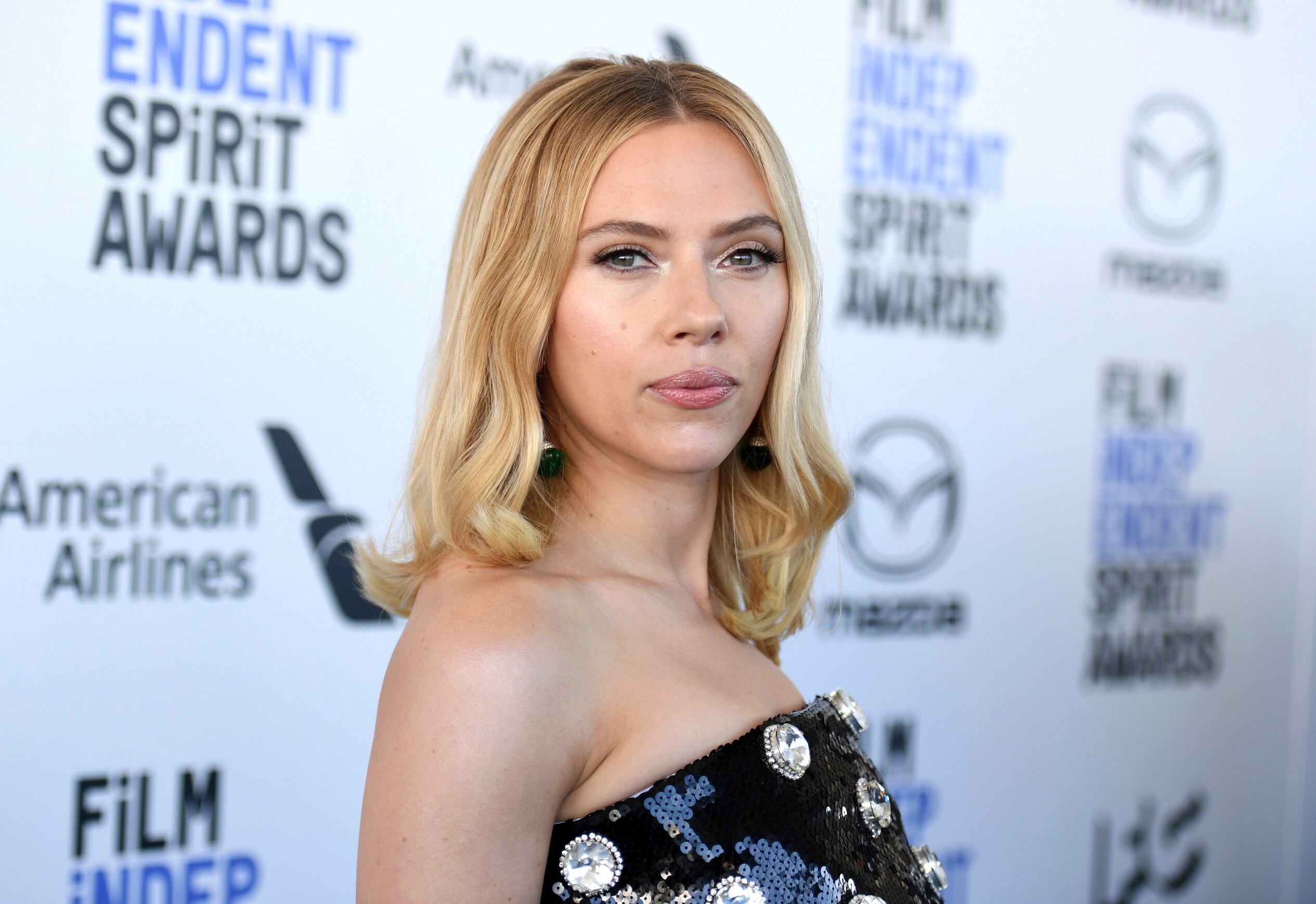
Scarlett Johansson arrives at the 35th Film Independent Spirit Awards on Feb. 8, 2020, in Santa Monica, Calif. Johansson and the Walt Disney Co. announced Sept. 30, 2021, that they had settled a lawsuit the actor filed in July over the streaming release of "Black Widow," which she said breached her contract and deprived her of potential earnings. Terms were not disclosed, but the two sides released a joint statement in which they pledged to continue working together. (Photo by Richard Shotwell/Invision/AP, File)
By Andrew Dalton
Scarlett Johansson and the Walt Disney Co. on Thursday settled her lawsuit over the streaming release of “Black Widow,” bringing a swift end to what had begun as the first major fight between a studio and star over recent changes in rollout plans for films.
Johansson filed the lawsuit in Los Angeles Superior Court two months ago, saying the streaming release of the Marvel movie breached her contract and deprived her of potential earnings.
Terms of the deal were not disclosed, but the two sides released a joint statement in which they pledged to continue working together.
“I am happy to have resolved our differences with Disney," said Johansson, who has played Natasha Romanoff aka Black Widow, in nine movies going back to 2010’s “Iron Man 2.” "I’m incredibly proud of the work we’ve done together over the years and have greatly enjoyed my creative relationship with the team. I look forward to continuing our collaboration.”
Alan Bergman, chairman of Disney Studios Content, said he is “pleased that we have been able to come to a mutual agreement."
“We appreciate her contributions to the Marvel Cinematic Universe and look forward to working together on a number of upcoming projects,” Bergman said.
The lawsuit said Johansson's contract guaranteed an exclusive theatrical release, with her potential earnings tied to the box office performance of the film.
But as it has with other recent releases since the coronavirus pandemic began, Disney released the film simultaneously in theaters and through its streaming service Disney+ for a $30 rental.
The rhetoric of the lawsuit and Disney's response suggested a long and ugly battle was ahead.
“In the months leading up to this lawsuit, Ms. Johansson gave Disney and Marvel every opportunity to right their wrong and make good on Marvel’s promise,” the lawsuit said. “Disney intentionally induced Marvel’s breach of the Agreement, without justification, in order to prevent Ms. Johansson from realizing the full benefit of her bargain with Marvel.”
Disney at the time said the lawsuit had “no merit whatsoever," adding that it was “especially sad and distressing in its callous disregard for the horrific and prolonged global effects of the COVID-19 pandemic.”
Disney said the changed release plan "significantly enhanced her ability to earn additional compensation on top of the $20M she has received to date.”
Delayed more than a year because of COVID-19, “Black Widow” debuted to a what was then a pandemic-best of $80 million in North America and $78 million from international theaters on July 9. But theatrical grosses declined sharply after that. In its second weekend in release, the National Association of Theater Owners issued a rare statement criticizing the strategy.
Revised hybrid release strategies have occasionally led to public spats between stars, filmmakers and financiers who are unhappy with potential lost revenues and their lack of say in such strategies.
But none were as big or as public as Johansson’s lawsuit.
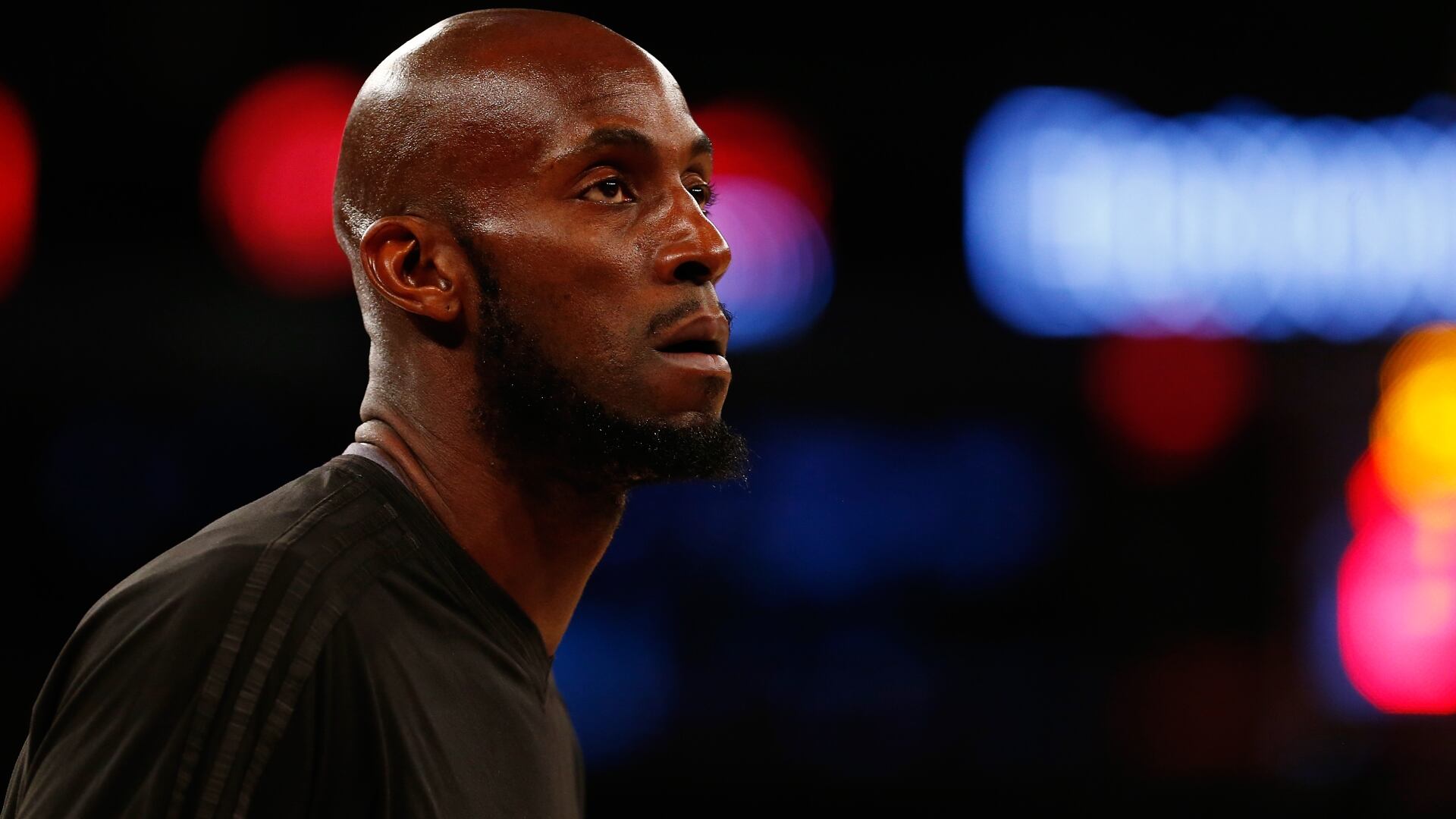
"Anything Is Possible," a documentary about NBA superstar Kevin Garnett recounting his career from being drafted out of high school to a championship with the Boston Celtics, is set to premiere on Showtime. Executive producer Marc Levin and co-directors Daniel Levin and Eric Newman joined Cheddar to provide some background on the project and discuss Garnett's legacy. With KG considered a pioneer for modern NBA draftees straight out of high school (the fifth pick in 1995), the filmmakers also discussed the possibility of the league reversing course on its current rule that requires a player to be at least 19-years-old and a year removed from high school to play.
Brian D. Avery, managing member at Event Safety Services joins Cheddar News to discuss how preventable the recent crowd surge at Travis Scott's Astroworld was.
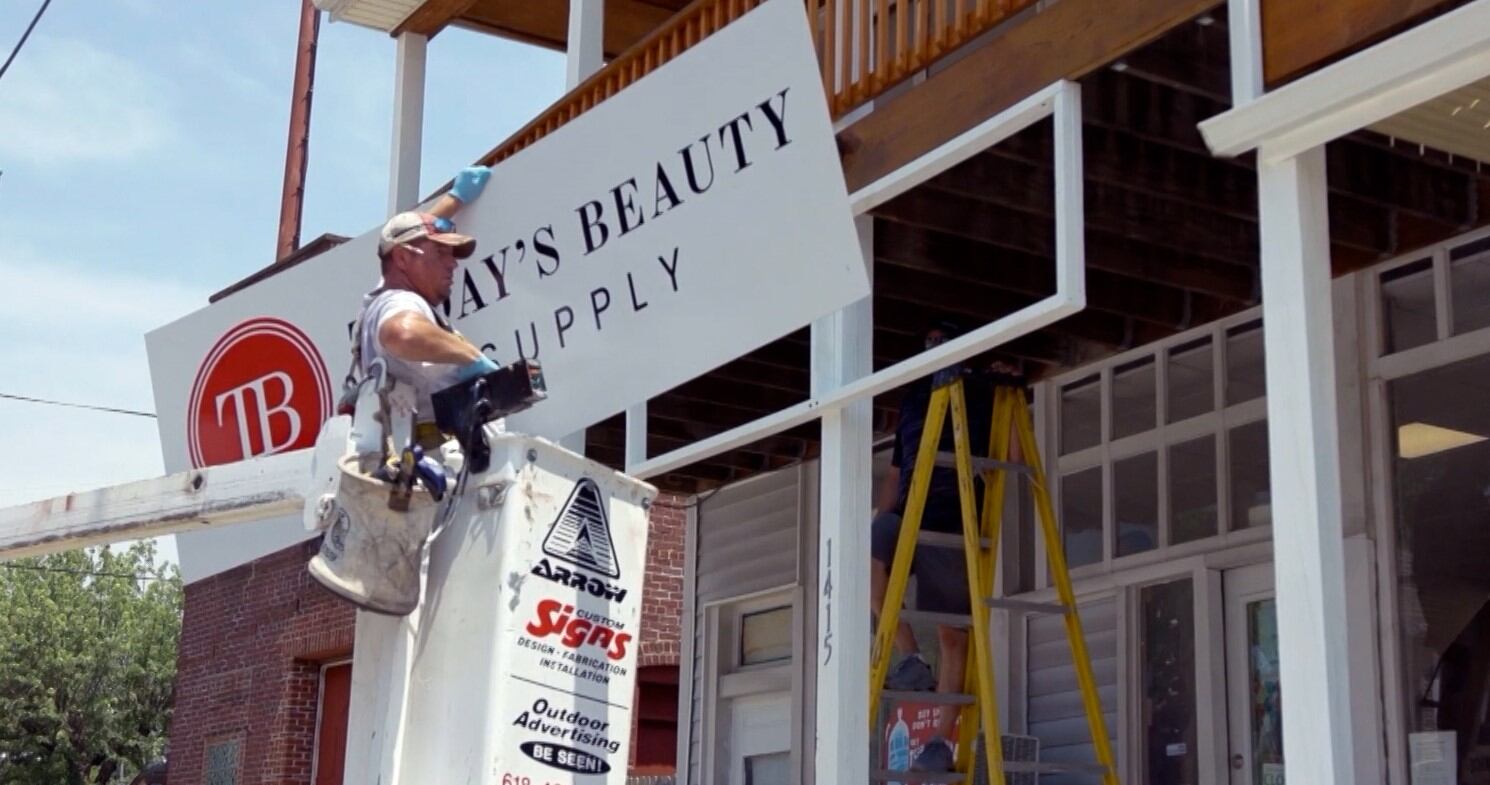
Former NBA star, commentator, and entrepreneur Baron Davis and Deluxe Corporation Chief Brand Officer Amanda Brinkman, joined Cheddar to discuss Season 6 of the reality show "Small Business Revolution," premiering Tuesday. The season will focus on helping six Black-owned businesses in the Twin Cities, Minneapolis and St. Paul. Davis noted learning about the lack of resources, connections, and opportunities for Black business owners during the show. "There are so many things we need to do as a society to address racial injustice and inequity, however, one of the ways for it is economic empowerment," Brinkman added.
Cryptocurrencies are getting off to a good week. Ethereum surged more than 4% in 24 hours on Monday, hitting a new all-time high above $4,700. Meanwhile, Bitcoin surged 7% to a price of $66,250. Haohan Xu, founder and CEO of Apifiny, joins Cheddar News with thoughts on the growing sector.
Two days after a deadly tragedy claimed the lives of at least eight Astroworld concertgoers and injured several others, the first lawsuit was filed against rapper Travis Scott. Criminal defense attorney Karen Felecia Nance joins Cheddar News to break down the incident.
The latest Marvel movie hit theaters with one of the biggest opening weekends of the year. 'Eternals' opened over the weekend with an estimated $71 million, the fourth-best domestic debut this year. Erik Davis, managing editor at Fandango, joins Cheddar News to talk about the state of box office sales.
Lydia McMullen-Laird and Samuel McMullen, co-founders of Live Zero Waste, join 'Cheddar Reveals' to discuss the sum of humanity's 'trash addiction' and lifestyle changes people can make to help reduce their individual trash output.
On this episode of 'Cheddar Reveals', Lydia McMullen-Laird and Samuel McMullen, co-founders of Live Zero Waste, discuss the sum of humanity's 'trash addiction' and lifestyle changes people can make to help reduce their individual trash output; Ryan Lupberger, Sustainability Pioneer and CEO of Cleancult, breaks down how Cleancult is redefining cleaning products and solutions to reduce their impact on the planet; Cheddar gets a look at Curiosity Stream's 'Going Circular.'
Figuring out how to reduce congestion and emissions has long been a thorny issue for the car-centric United States. One possible solution - high-occupancy vehicle lanes (HOV), or carpool lanes - have their own thorny history. Despite pushes from the federal government for more HOV lanes in the 1970s and 1990s, the math of how HOV lanes work may mean they relieve traffic only a little - or even make it worse.