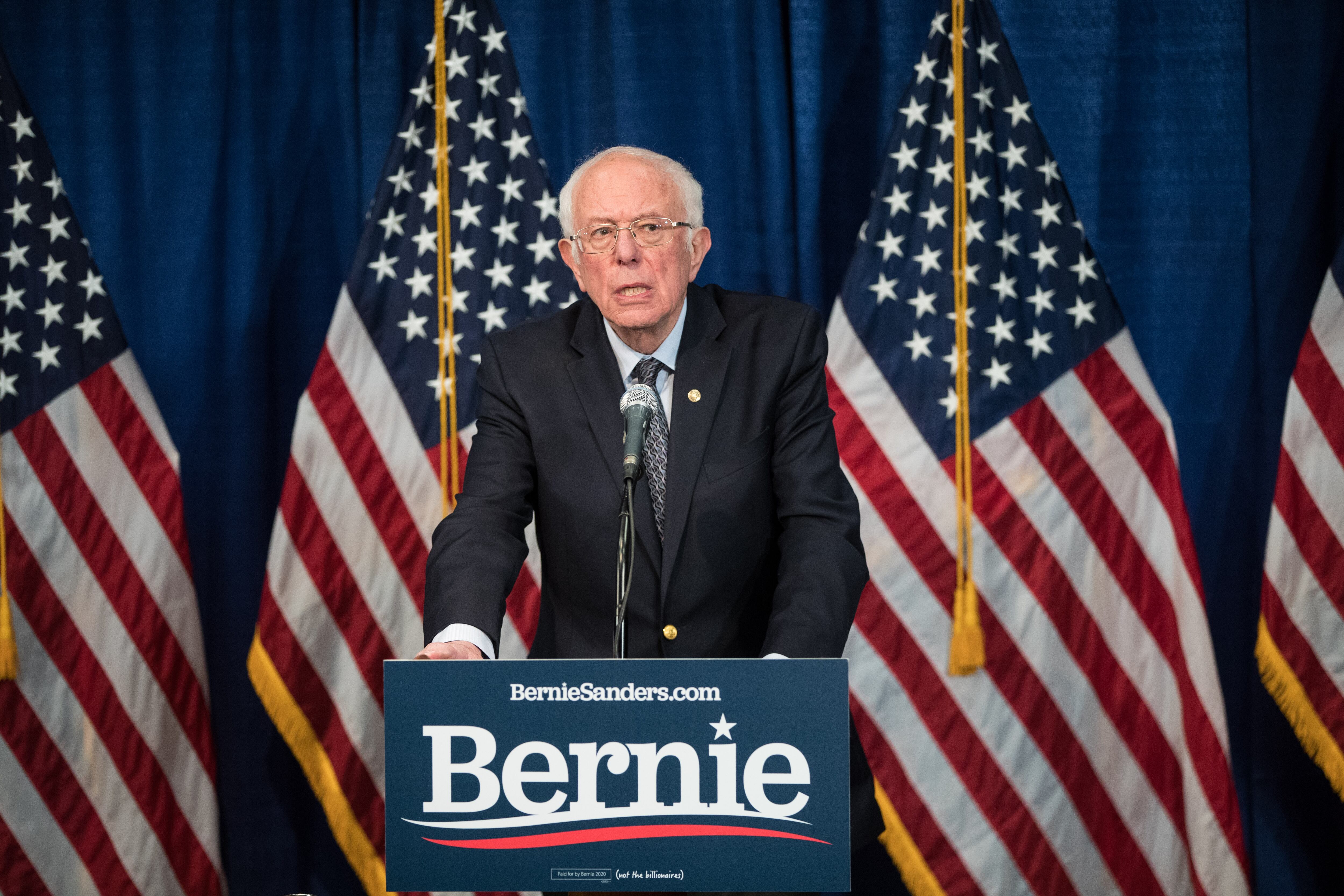
Vermont Senator Bernie Sanders delivered an address on the coronavirus outbreak, rounding out three perspectives from the current president and the two Democratic challengers to his presidency. 

Sanders, who trails former Vice President Joe Biden in the delegate race to the nomination, used his speech to contrast with his rivals. He called for the Trump administration to declare a national emergency and appoint an "emergency bipartisan authority of experts" to determine the next steps in the crisis. 

Like Biden earlier, Sanders criticized the White House response, calling the administration incompetent and point out that its "incompetence and recklessness have threatened the lives of many, many people in this country." 

Sanders and Biden both mentioned the lack of intensive care units and ventilators, an issue raised by health officials but one that the administration has not touched upon. The senator called for mobilizing retired medical professionals and medical students to increase medical care. He implored the nation to protect doctors, medical professionals, and nurses with proper instructions and personal protective equipment both because their safety is important and because "if they go down, then our capacity to respond to this crisis is diminished." 

"Our country is at a severe disadvantage," Sanders said, "because we do not guarantee healthcare to people as a right." 

During the speech, news came in that France's Emmanuel Macron called coronavirus the worst health crisis in a century, ordered changes to businesses and education and, echoing the very words Sanders was delivering across the Atlantic Ocean, said France will massively increase hospital capacity to deal with the novel coronavirus. 

Both Democratic hopefuls today pleaded for an expansion of current practices. Biden called for mobile testing centers and Sanders for an expansion of community health centers. 

Sanders also listed proposals to support people from low-income neighborhoods and working-class families, including calling for providing healthcare to immigrants regardless of immigration status, emergency funding for paid medical and family leave and a moratorium on evictions, foreclosures, and utility shutoffs. 

Repeatedly, health officials and, now, the Democratic hopefuls, have said a choice between a paycheck and staying home when sick will expedite the spread of a virus in need of slowing down so as not to overwhelm America's health system likely to be overwhelmed in the coming weeks. 

"Here is the bottom line and that bottom line is that in the midst of this unprecedented moment, we need to listen to the scientists, to the researchers, to the medical folks — not the politicians," he said of the spread of the virus as "on the scale of major war."

Share:
More In Politics
Between Bells: March 1, 2018
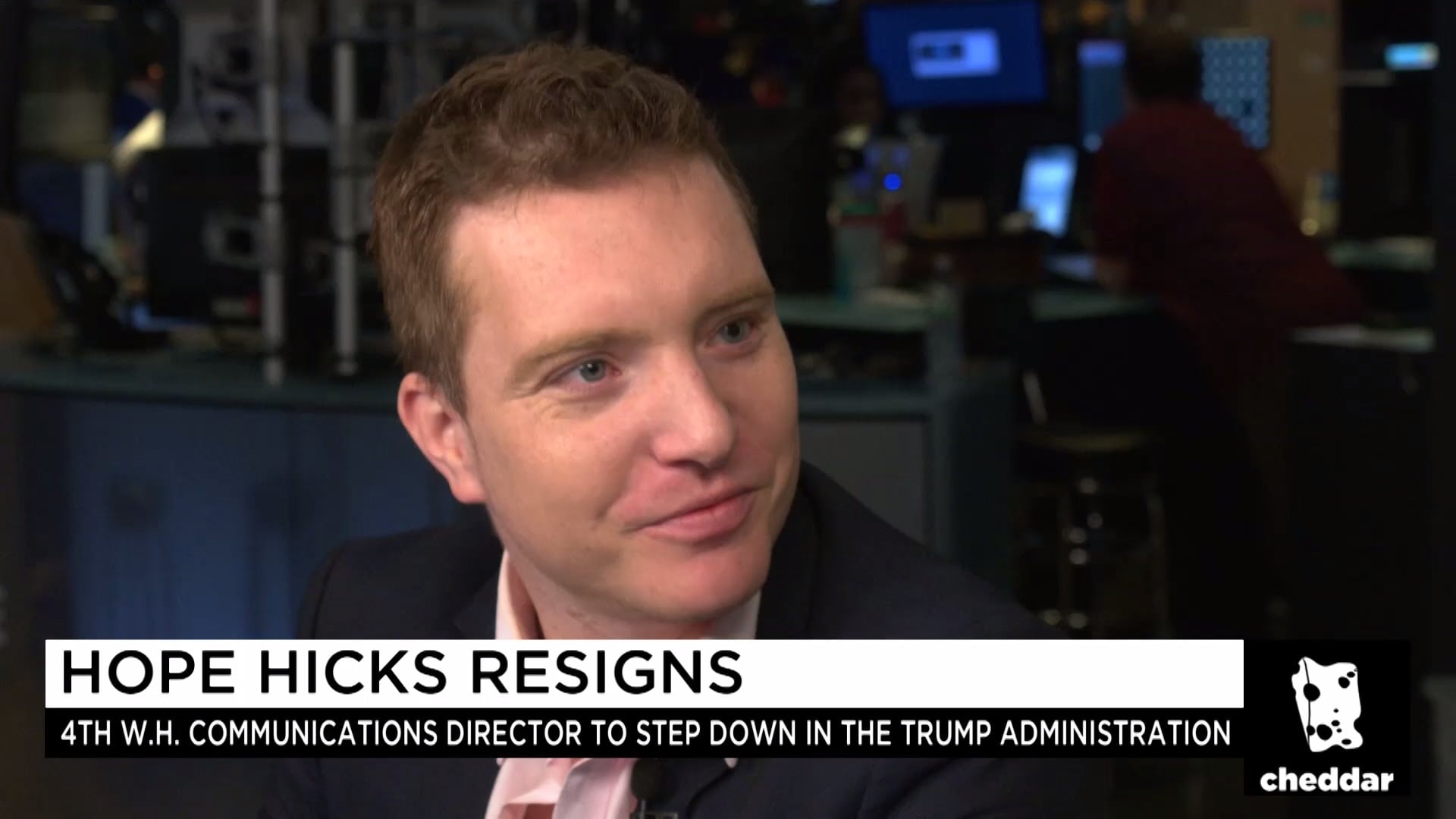
Vanity Fair's Hive: We’re joined by the crew at Vanity Fair's Hive to discuss Hope Hicks' resignation. On Between Bells: TV reboot fever, and E!'s Seacrest problem. With Diply, The Hollywood Reporter, Zimbio, and more.
Opening Bell: March 1, 2018
Kroger follows Walmart and Dick's Sporting Goods in becoming the third major retailer to impose tighter regulations on gun sales. NBC is cutting back on commercial time to compete with streaming giants like Netflix and Hulu. Hope Hicks, one of President Trump's closest aides, is out as White House communications director. And Congressman John Delaney (D-MD) joins us to discuss the future of artificial intelligence.
Retailers Tighten Gun Sale Policies
Heather Haddon, reporter for The Wall Street Journal, shares her thoughts on Kroger becoming the third retailer to raise the age for buying a firearm to 21. Walmart and Dick's Sporting Goods made similar changes recently.
A Hope-Less Administration
Ben Dreyfuss, senior editor at Mother Jones, discusses the surprise resignation of Hope Hicks, making her the 4th White House communications director to leave the Trump Administration.
Congressman Makes A.I. a National Priority
The bipartisan caucus aims to work with the private sector to make sure technological change "doesn't leave huge parts of the country behind," says Rep. John Delaney (D-MD), who founded the group.
The Flint Crisis Isn't Just About the Water
Jessica Dimmock, Drea Cooper, and Zackary Canepari, directed the upcoming Netflix docu-series "Flint Town". The trio discusses not only the water crisis but the economic struggles and underfunded police department in the Michigan town.
Closing Bell: February 28, 2018
Spotify files to go public. Dick's will immediately stop selling assault rifles. President Trump meets with lawmakers on gun control. White House communications director Hope Hicks is resigning from her post. Facebook launching a new initiative to take on sites like LinkedIn and Glassdoor.
Rep. Darren Soto: Speaker Ryan's Gun Control Comments "A Real Shame"
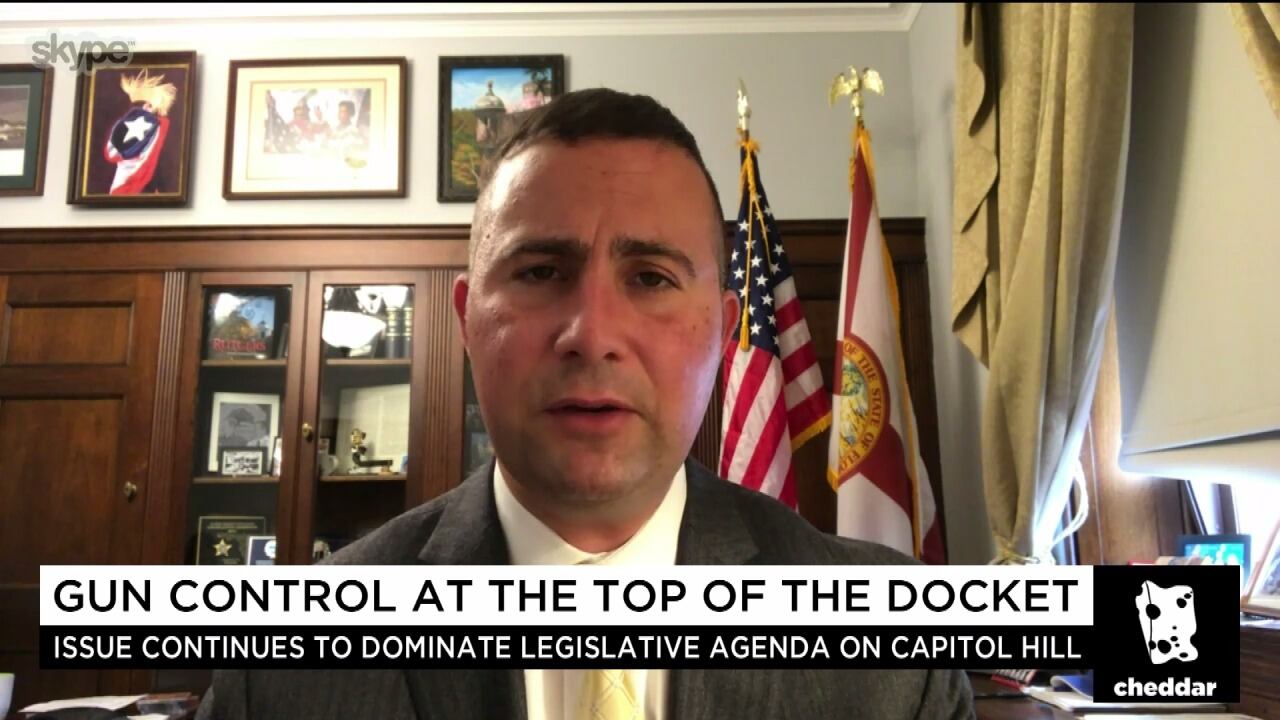
Marjory Stoneman Douglas High School students returned to school on Wednesday, two weeks after a mass shooter killed seventeen people. Since that tragic event, a student-led movement has been rallying support for changes to gun laws. But on Capitol Hill House Speaker Paul Ryan (R-WI) signaled his disinterest in new restrictions on gun purchases. Rep. Darren Soto (D-Fl) discusses the state of gun control.
Inside the Nuclear Legacy on Marshall Islands
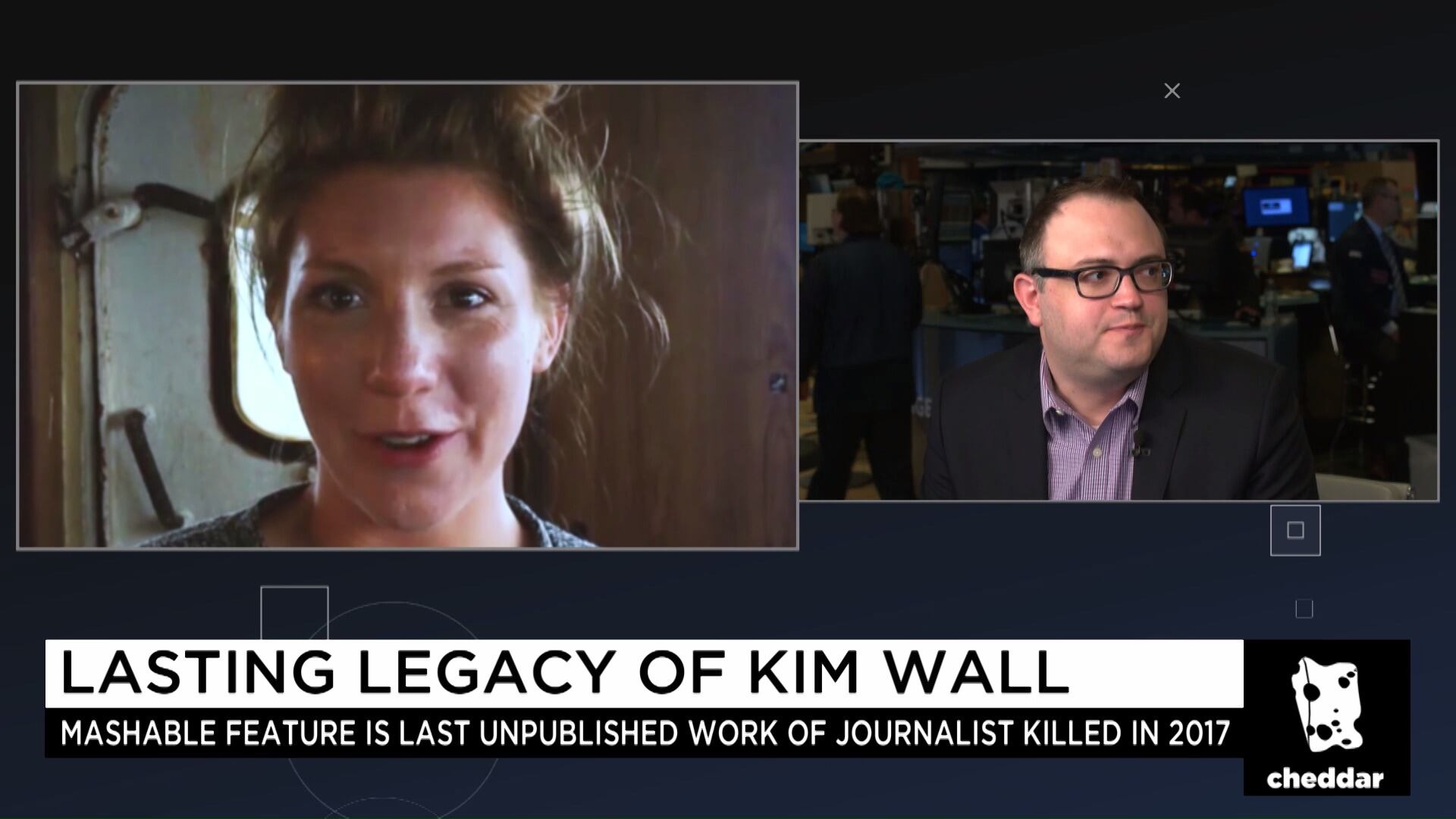
Mashable recently published a three-part multimedia project on climate change. The series shines a spotlight on the Marshall Islands which are considered a forgotten nation still reeling from nuclear testing. Mashable Science Editor Andrew Freedman explains the impact of this project, which features journalist Kim Wall's last unpublished work since her tragic death in 2017.
Load More