*By Britt Terrell*
Roku, the leading provider of over-the-top hardware, has shifted its focus from selling TV boxes to providing access to streaming content through its platform on others' devices.
The company is happy to trade the margins it makes on selling OTT hardware for growing its users, said Steve Louden, Roku's chief financial officer.
"We focus on two things: driving active account growth ー that's the scale of the platform ー and then monetizing the platform," Louden said in an interview Wednesday with Cheddar. "Players are important to us, but they are just one of three ways we grow active accounts," he added.
Roku sells players to plug into TVs; it licenses its platform to TV manufacturers, and licenses its operating system to streaming and telecommunications companies like Sky in Britain and Telstra in Australia.
Hardware sales are becoming less important to the company's bottom line, Louden said, and focus has shifted to its platform business, which has more potential users. The company has 21 million active users, most of them in the U.S., and the company is looking to grow internationally. It's already in 23 countries.
"Roku historically has been primarily focused on being and maintaining our leadership position as the number one streaming platform in the U.S.," Louden said. "But increasingly we are looking to the international markets as well."
For the full interview, [click here](https://cheddar.com/videos/roku-cfo-talks-stock-performance-and-national-streaming-day).
NASA indefinitely delayed a spacewalk to repair an ISS antenna, citing concerns about space debris. It was unclear if the warning from the space agency to astronauts aboard the ISS was related to the recent destruction of a non-functioning Russian satellite.
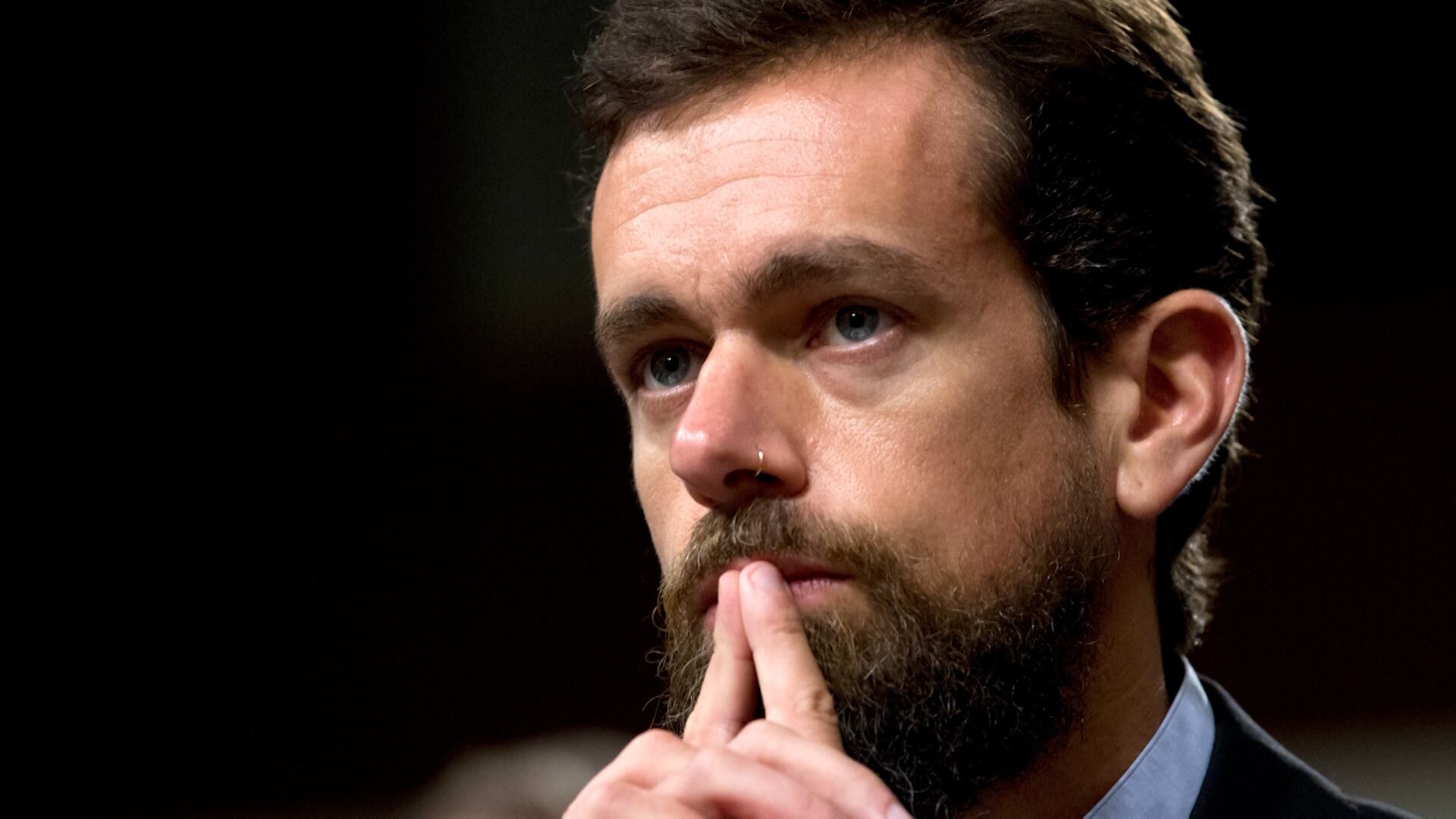
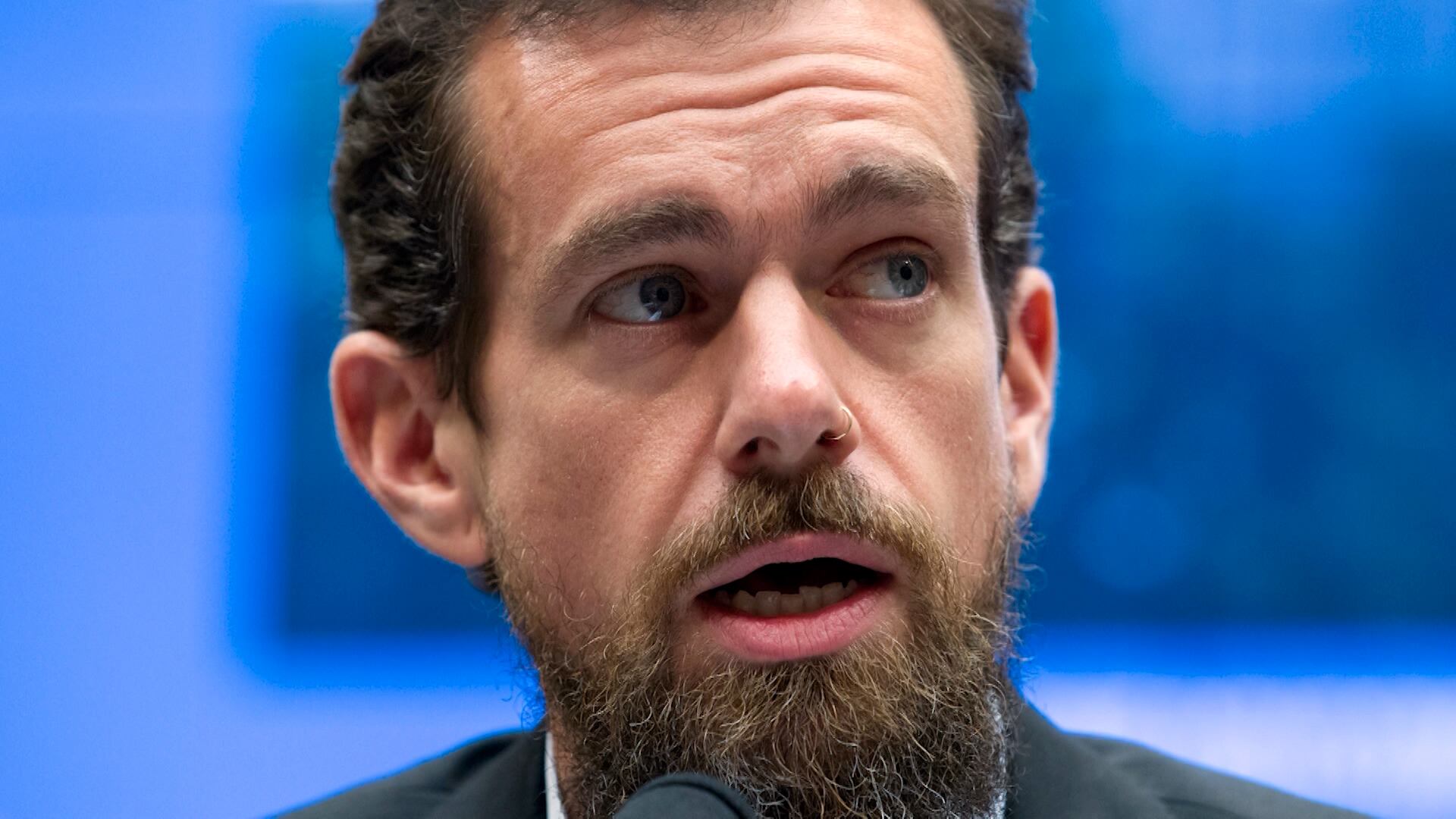
Jack Dorsey has officially stepped down as CEO of Twitter.
In a statement -- he says he is leaving because the company is ready to move on from its founders. Tom Morton, Global Chief Strategy Officer, R/GA joined Cheddar's Opening Bell to discuss the implications of the move.
Mike Proulx, VP and research director at Forrester, joined Cheddar to talk about what Jack Dorsey's departure from Twitter as CEO means for the social media platform. He noted that while Dorsey had been the face of the company, "he's been a part-time CEO" since also taking on the leadership position at Square. Stepping down from leading Twitter allows his replacement Parag Agrawal, the former CTO, to be a dedicated leader of the company. However, Proulx noted that Agrawal faces headwinds on policy and political ramifications that will come with the job.
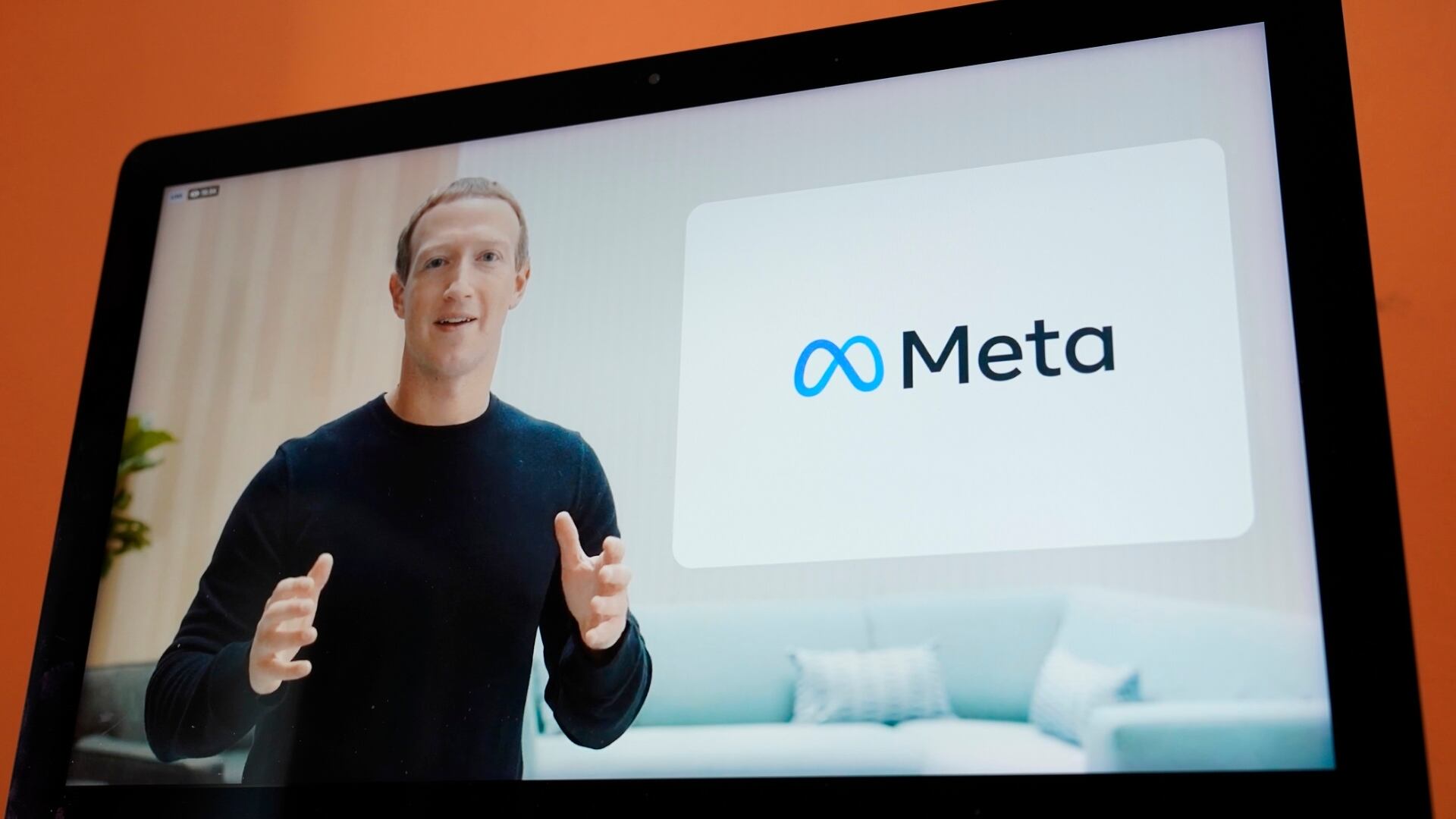
The UK's Competition and Markets Authority blocked Facebook parent company Meta's acquisition of the image sharing platform Giphy, stating that the deal would harm UK advertisers and social media users. Meta responded and said that it is considering an appeal.
Jill and Carlo cover the latest developments with the Omicron variant that are spooking markets once again. Twitter's @Jack is leaving, SCOTUS takes up abortion rights and the world has a brand new republic.
Phyllis Newhouse, the first black woman to bring a company public via SPAC on the NYSE earlier this year, has launched her second SPAC, ShoulderUp Technology Acquisition.
Phyllis is a serial entrepreneur, retired military officer, and founder of the ShoulderUp movement, which educates and encourages women around the world to reach their greatest economic, political and cultural potential. Shawn Henry is part of the ShoulderUp team, bringing his expertise on cybersecurity to the new company. Both Phyllis and Shawn joined Cheddar to discuss this new venture and how it plans to tackle the issue of cybercrime.