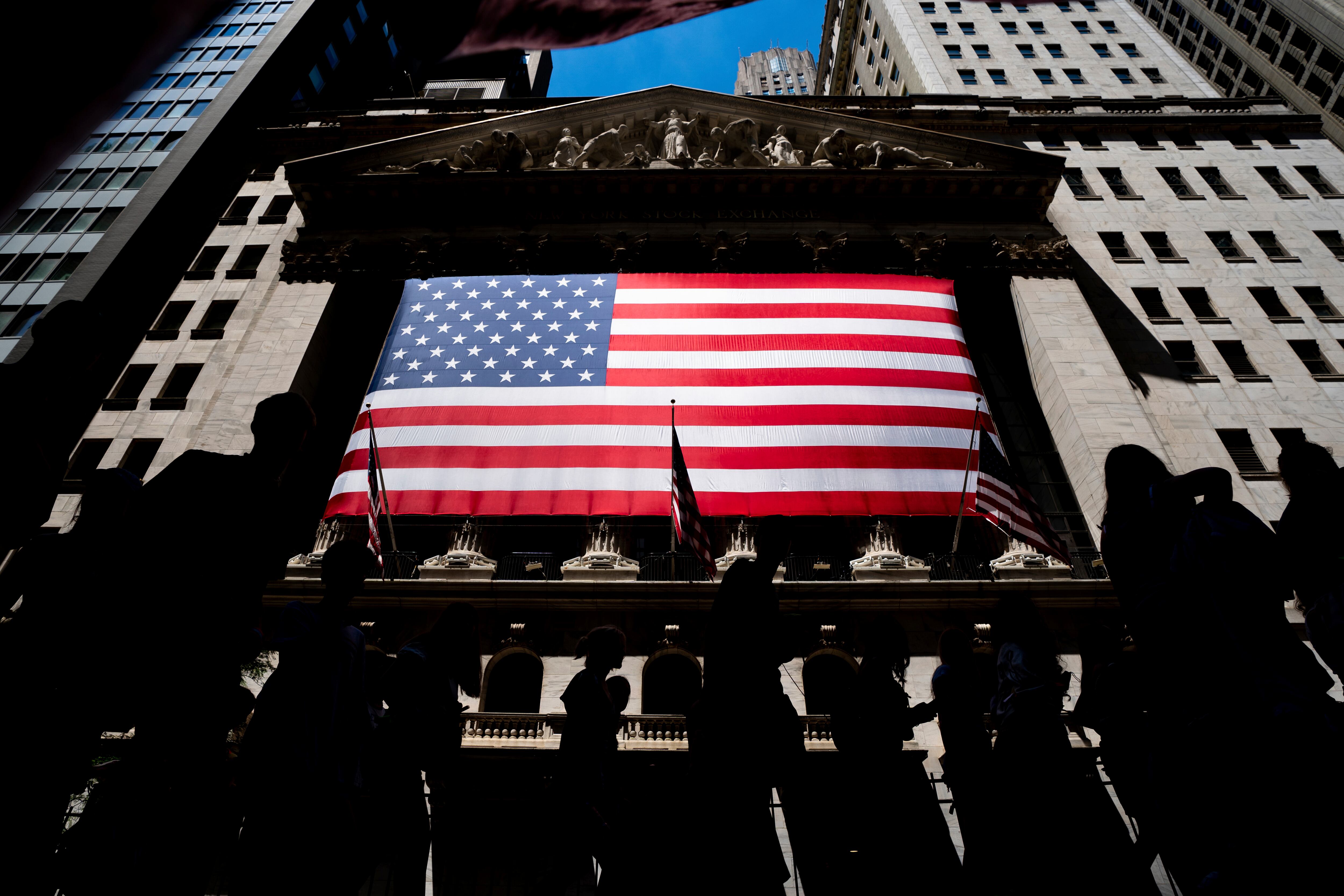
Shares of Olo ($OLO) rocketed as much as 24 percent on Wednesday as the software provider for restaurants made its public debut on the New York Stock Exchange.
The company, which provides digital ordering and delivery platforms for restaurants, is banking on the debut to provide further assurances to its clients that Olo is in it for the long-haul, CEO and founder Noah Glass told Cheddar.
This became especially important during the pandemic when a strong digital interface for consumers became a must-have for companies looking to survive the shutdown.
"As digital ordering volume has soared over the past year, so many restaurants are looking at this as needing to have the right platform in place for the future, and this was a chance for Olo to make a statement," Glass said.
Olo's position in the market, he added, has given it a front-row seat to the digital transformation that was accelerated by the pandemic but began long before it hit the restaurant business.
Looking at the numbers, the trend goes back at least three years: The company processed 50 million orders in 2017, 100 million orders in 2018, 200 million orders in 2019, and about 500 million orders in 2020.
Glass said the company has benefited from combined demand from both restaurants and consumers for features such as online ordering, delivery, and curbside pick-up.
"Digitization can play a role everywhere, and we are in the best place to help our restaurants to do that," he said.
Even after restaurants reopen, and consumers flood back to indoor dining, Glass said he's confident pick-up and delivery will continue to play a greater role in the restaurant business.
Over 400 brands and 64,000 restaurants currently utilize its platform, according to Olo.
Olo's stock ended the day at nearly $35 per share.