Rep. Nino Vitale (R-Ohio 85th District) joined hundreds of protesters at the Ohio state capitol over the weekend, making him one of the few lawmakers to give his tacit support for the small but vocal group of people who are arguing against stay-at-home orders amid the coronavirus.
The representative has taken a hard line against any government intervention to combat the virus.
"To me, it comes down to individual liberty and freedom," Vitale told Cheddar. "I don't believe it's the government's job to manage our health care."
The spike in cases that followed a similar protest in Kentucky has not discouraged Vitale.
"The government can tell us what the risks are and propose things to us, but to shut everything down and strip us of our freedoms is completely inappropriate in my opinion," he said.
Some Republican governors have already heeded protestors' demands with plans to ease restrictions in the coming weeks, in some cases ahead of their own benchmarks.
Vitale referenced a new study out of the University of Southern California and the Los Angeles County Department of Public Health that found antibodies to the virus in 4.1 percent of the county’s adult population, suggesting a much higher rate of exposure than previously reported.
The representative said he interprets the data as a sign that coronavirus is much less lethal than many believed, and that governments should accordingly scale down preventative measures.
"When do we stop petitioning or stop restaurants from opening during flu season? We don't. It's a risk that we take," Vitale said.
However, from the same study, Santa Clara County Executive Dr. Jeff Smith interpreted the findings differently, believing the added risk of more asymptomatic carriers bolsters the need for stay-at-home orders, according to The Mercury News.
There have been 13,250 confirmed cases of coronavirus and 538 related deaths in Ohio.
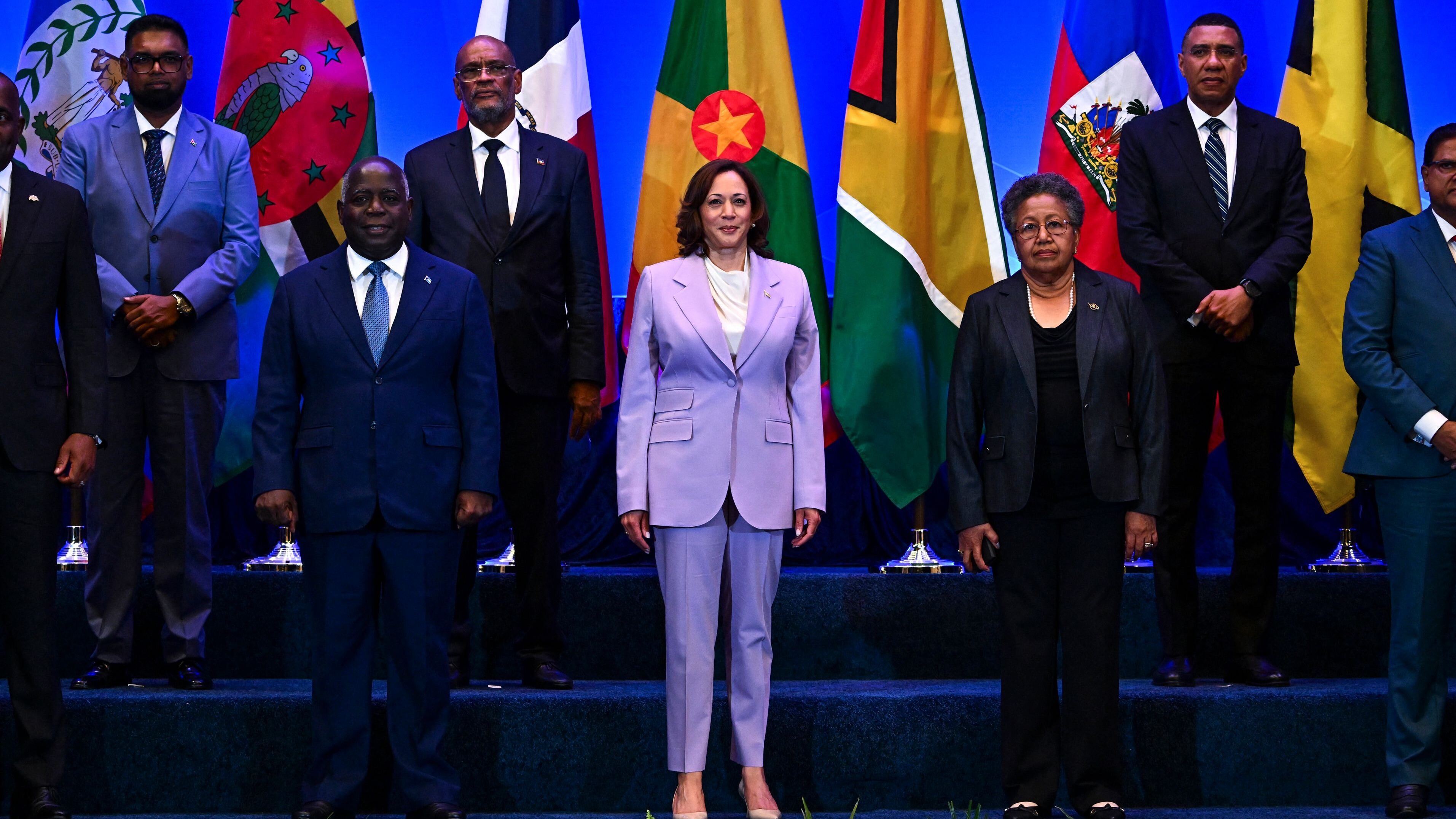
U.S. Vice President Kamala Harris announced Thursday that the U.S. is investing more than $100 million in the Caribbean region to crack down on weapons trafficking, help alleviate Haiti’s humanitarian crisis and support climate change initiatives.
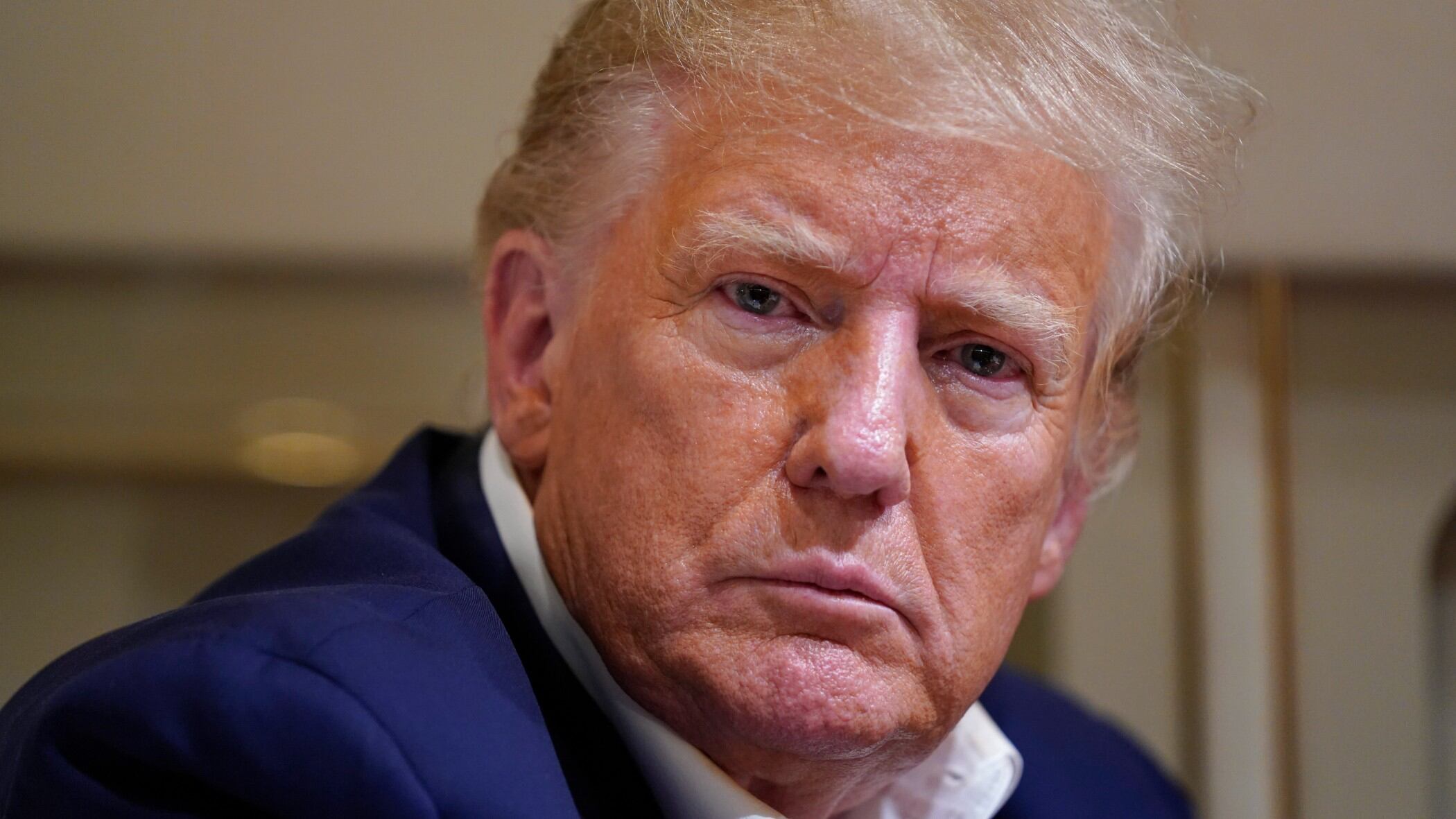
It is arguably the most perilous of multiple legal threats against the former president as he seeks to reclaim the White House.
U.S. Vice President Kamala Harris announced Thursday that the U.S. is investing more than $100 million in the Caribbean region to crack down on weapons trafficking, help alleviate Haiti’s humanitarian crisis and support climate change initiatives.
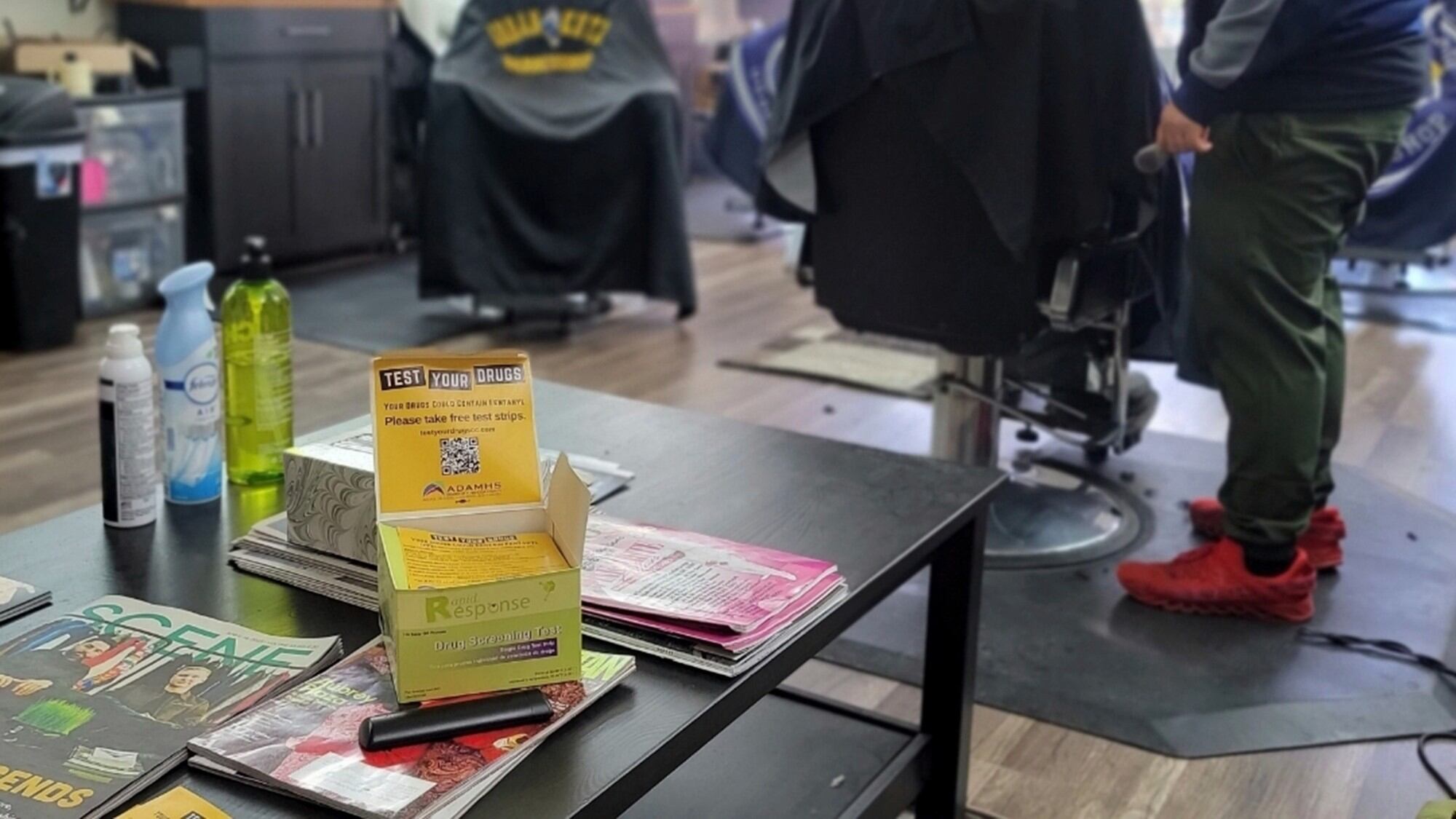
At Cleveland's Urban Kutz Barbershop, customers can flip through magazines as they wait, or help themselves to drug screening tests left out in a box on a table with a somber message: “Your drugs could contain fentanyl. Please take free test strips.”
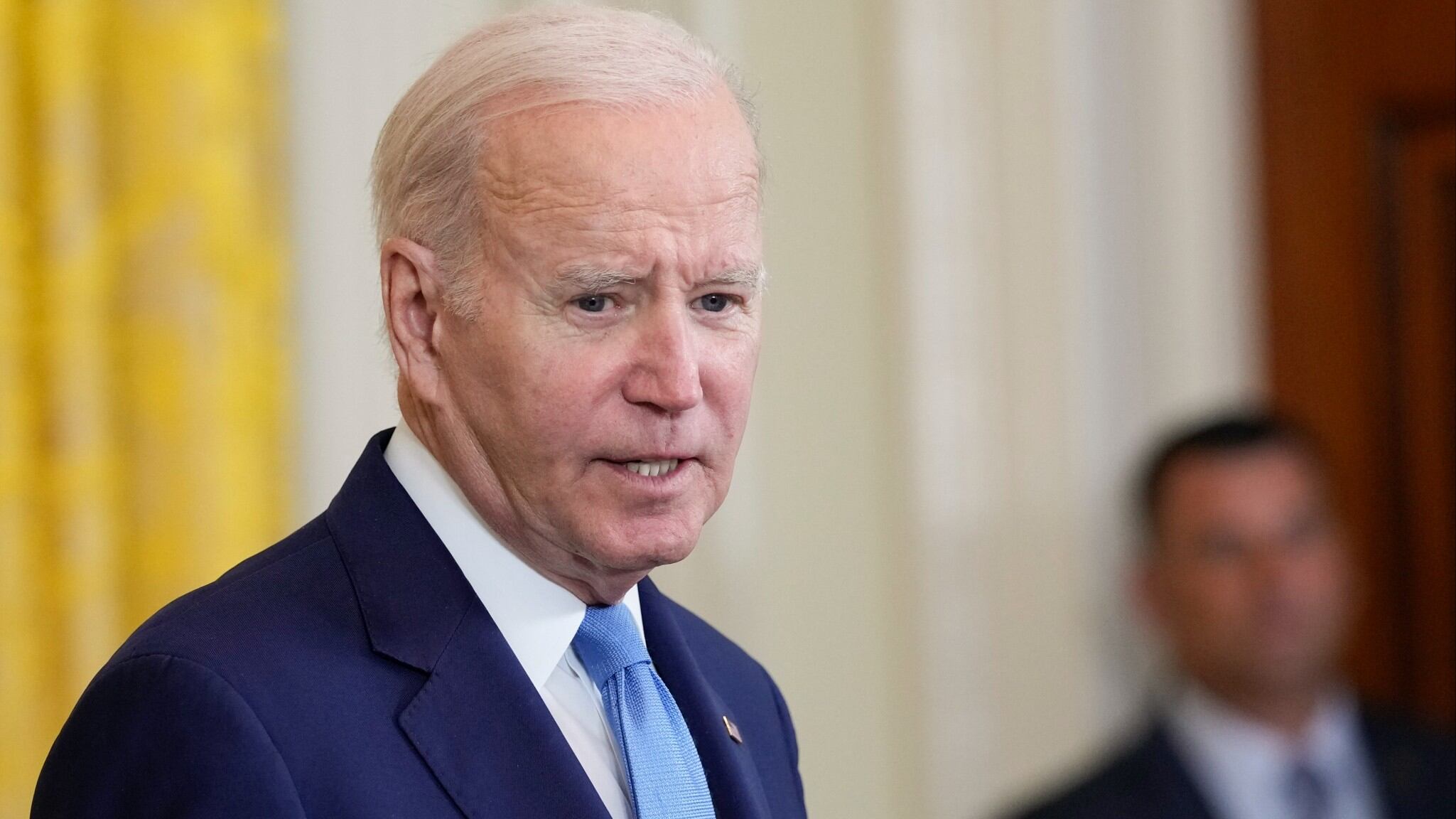
President Joe Biden on Thursday condemned a wave of “cruel” and “callous” state legislation curbing the rights, visibility and health care access of LGBTQ+ people, while causing the community to feel under attack for being who they are.
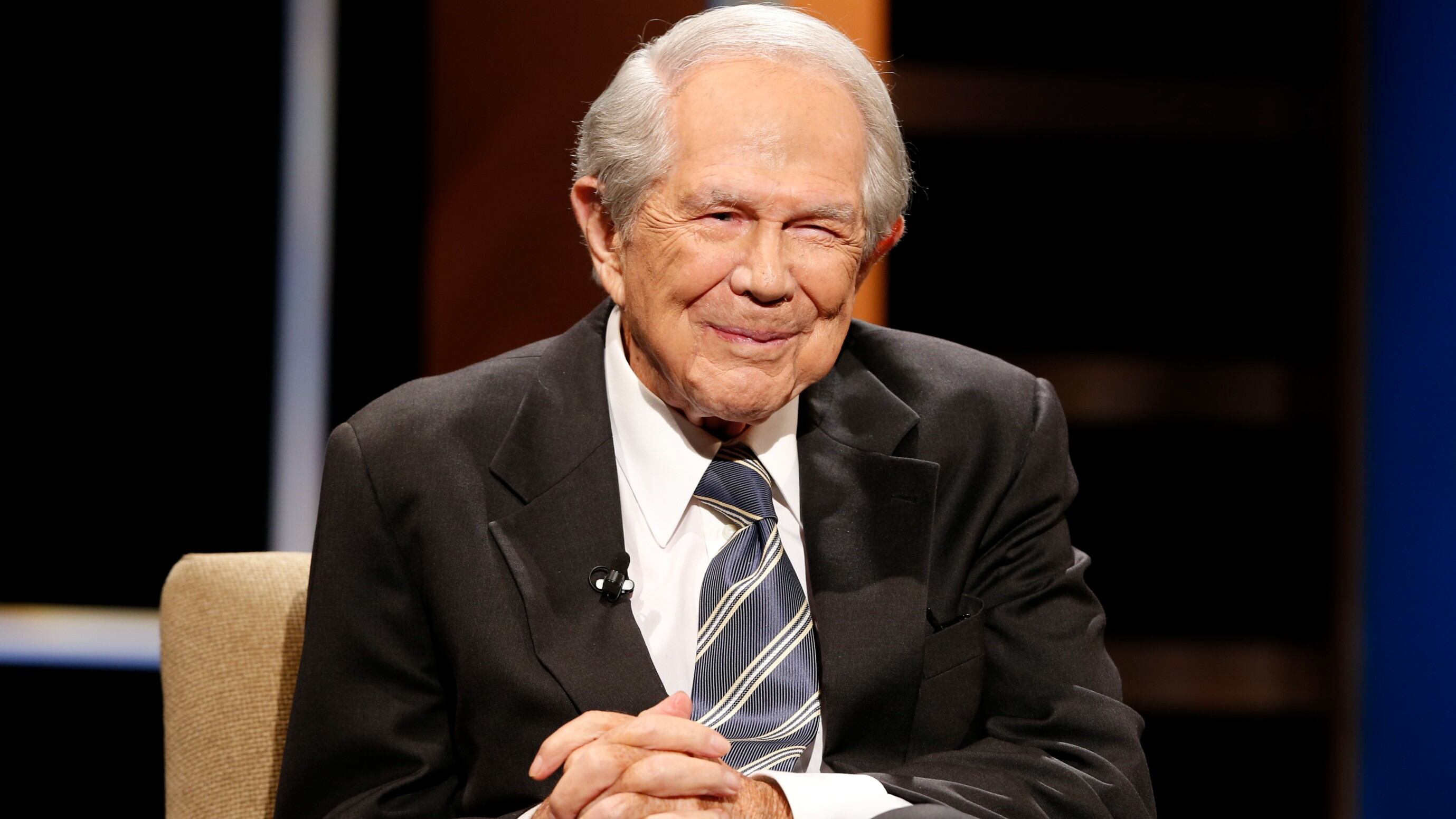
Pat Robertson, a religious broadcaster who turned a tiny Virginia station into the global Christian Broadcasting Network, tried a run for president and helped make religion central to Republican Party politics in America through his Christian Coalition, has died. He was 93.
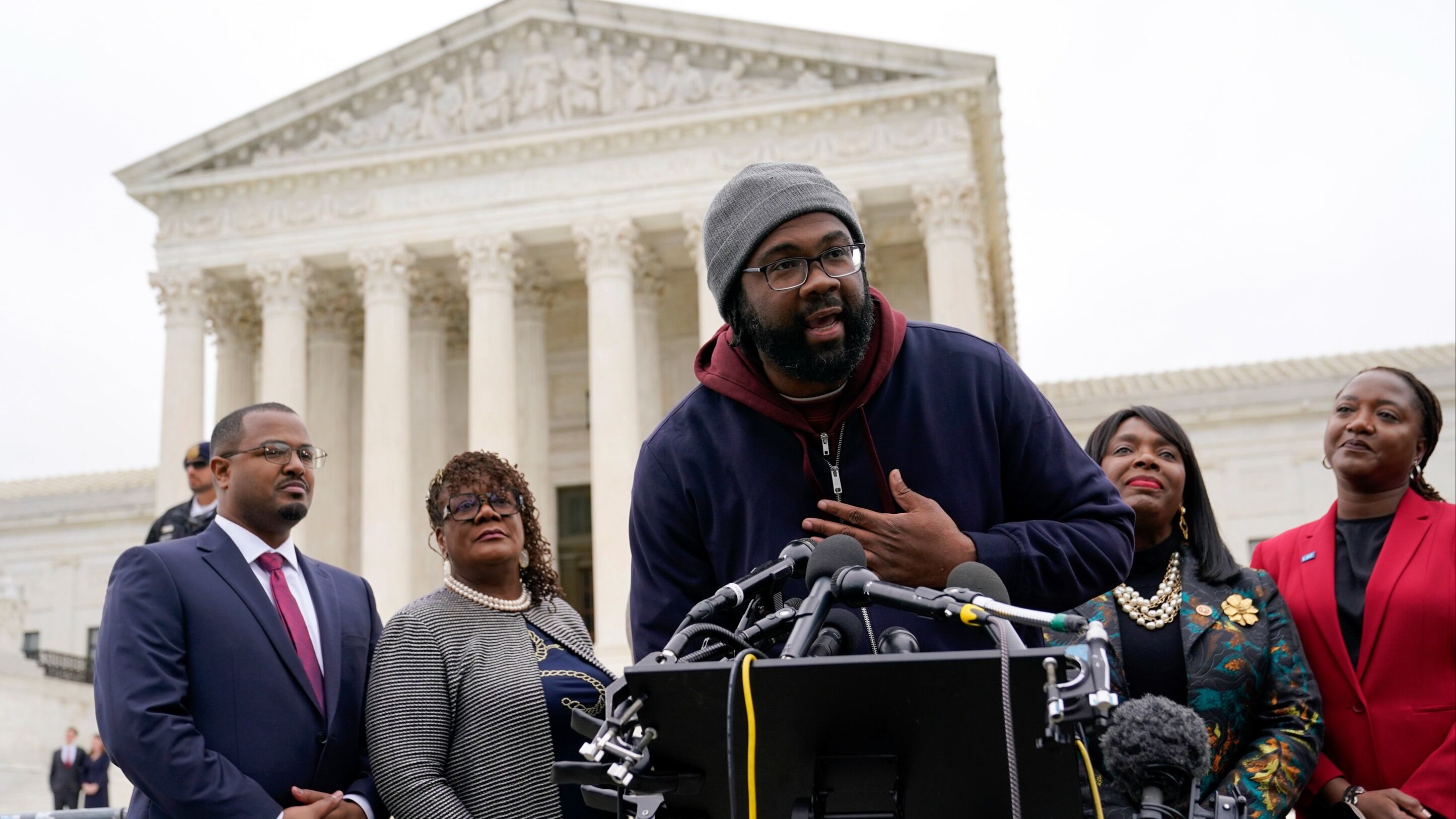
The Supreme Court on Thursday issued a surprising 5-4 ruling in favor of Black voters in a congressional redistricting case, ordering the creation of a second district with a large Black population.
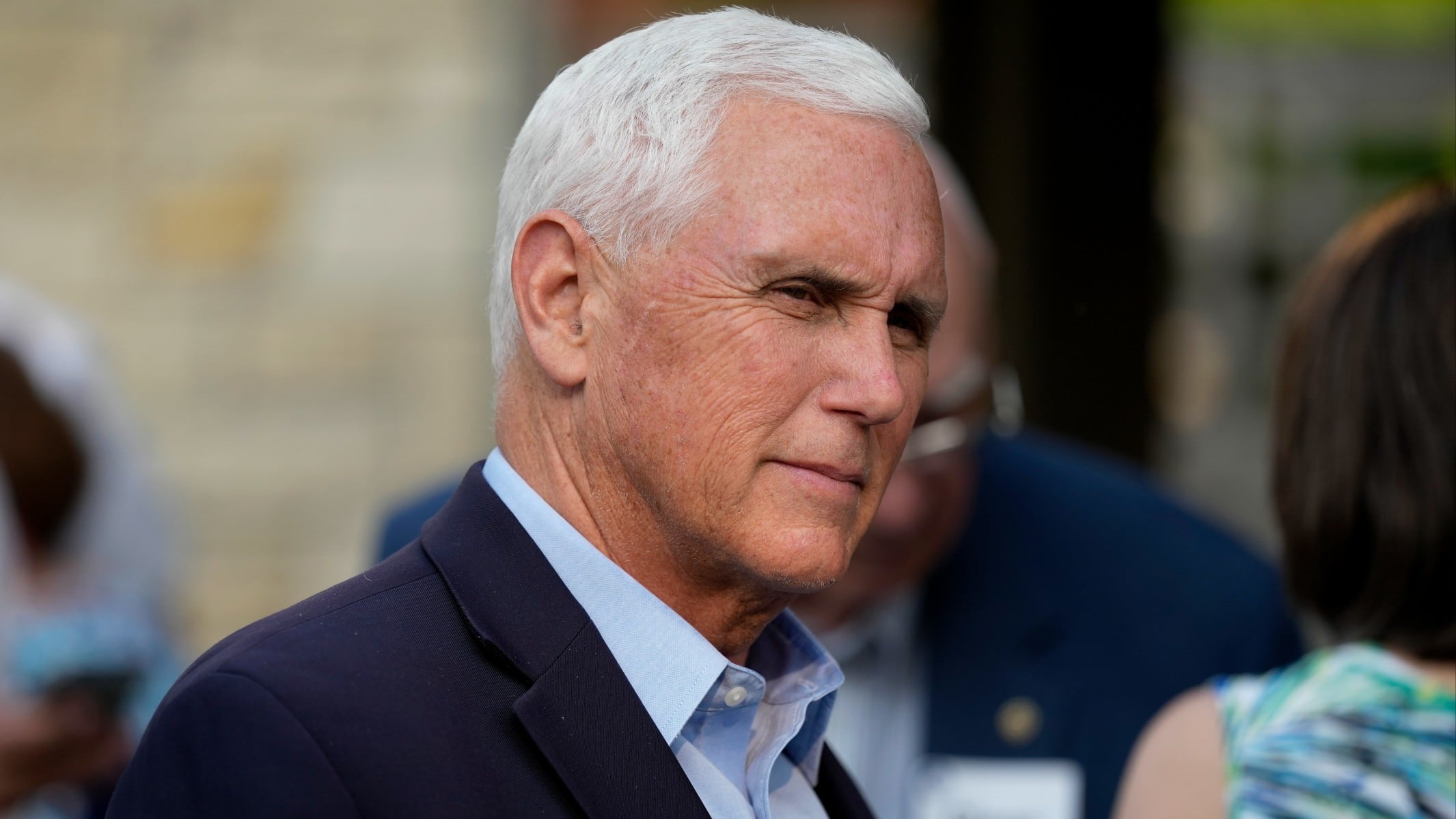
Mike Pence opened his presidential bid with an unusually forceful critique of former President Donald Trump over Jan. 6, his temperament and abortion on Wednesday as he became the first vice president in modern history to challenge his former running mate.
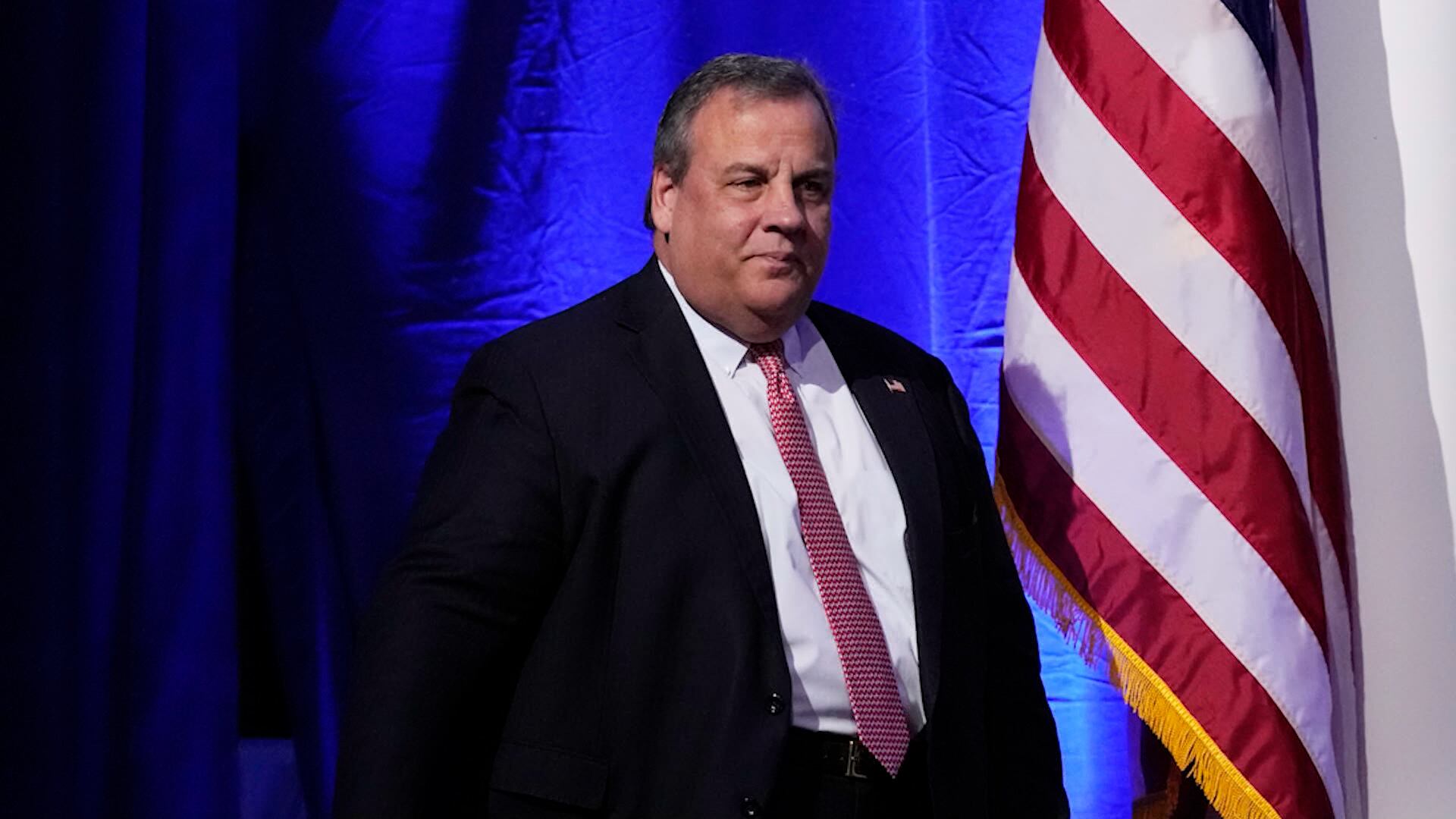
Former New Jersey Gov. Chris Christie wasted no time going after Donald Trump while launching his presidential campaign on Tuesday, calling the former president and current Republican primary front-runner a “lonely, self-consumed, self-serving mirror hog" and arguing that he's the only one who can stop him.
Saying gender identity is real, a federal judge temporarily blocked portions of a new Florida law that bans transgender minors from receiving puberty blockers, ruling Tuesday that the state has no rational basis for denying patients treatment.