Rep. Castro 'Dumbfounded' by Proposal to Arm Teachers
*By Philly Bubaris*
The failure to enact gun-control legislation after yet another deadly school shooting may be frustrating, but Representative Joaquin Castro said Tuesday he was dumbfounded by alternative proposals to arm teachers to prevent mass shootings.
"I don't think that the answer is to put a gun in every classroom," the Texas Democrat said in an interview with Cheddar. Castro said he consulted his own father, a teacher for 31 years, on the issue. "Like so many other teachers, they didn't sign up to be soldiers or police officers," Castro said. "I just don't see that as a solution."
Castro is one of many members on Congress and the general public upset by the slow ー often non-existent ー pace of gun control legislation after another mass shooting. The latest, at Santa Fe High School southeast of Houston, saw 10 people killed when the suspected shooter, 17-year-old Dimitrios Pagourtzis, went on a rampage with his father's shotgun and .38-caliber pistol.
Pagourtzis is being held without bond, on suicide watch, in the Galveston County Jail. His father told the Wall Street Journal that his son was a "good boy," and the bullying his son received caused him lash out.
Castro said all levels of government and all members of the community must take some action to help prevent future mass shootings.
He said it was parents' responsibility to lock up their weapons, and he said schools deserve increased resources to provide mental-health services. Castro also called on local and state officials to take action to limit the threat of guns in some public places.
"The state legislature has passed open carry and campus carry, which promote the carrying of guns on college campuses," Castro said. "I'm hopeful that the conversation is finally changing in Texas. The people of Texas understand that there's a problem, and something needs to be done."
Governor Greg Abbott, a Republican, will be hosting discussions with educators and local law enforcement officials in the coming weeks to figure out the best ways to make schools safer.
Representative Castro said it was encouraging that the governor is recognizing gun violence as a problem, but he was dismayed that more serious action had not been taken sooner. State and local officials need to do more, Castro said.
"You may never get the number of gun deaths to zero, but you can't use it as an excuse to be paralyzed and do nothing."
For the full interview, [click here](https://cheddar.com/videos/rep-joaquin-castro-hopeful-texas-stance-on-gun-control-is-changing).
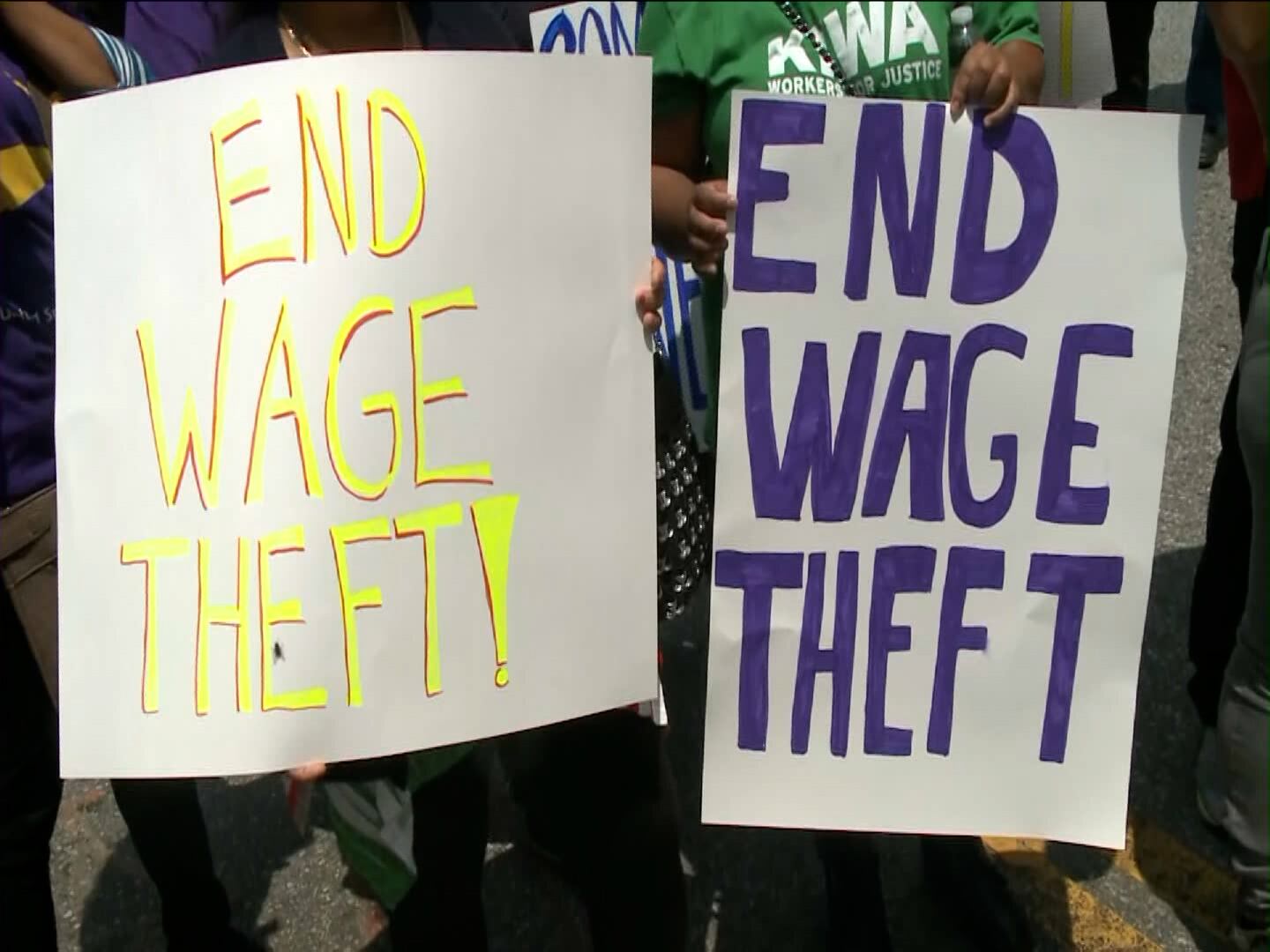
The average city in California has a 38% higher cost of living than the average American city, according to a cost of living index. For many, the general minimum wage of $15/hour just doesn't cut it. Anti-poverty activist Joe Sanberg wants to get the minimum wage changed to $18/hour. He joins Cheddar News to discuss the Living Wage Act of 2022.
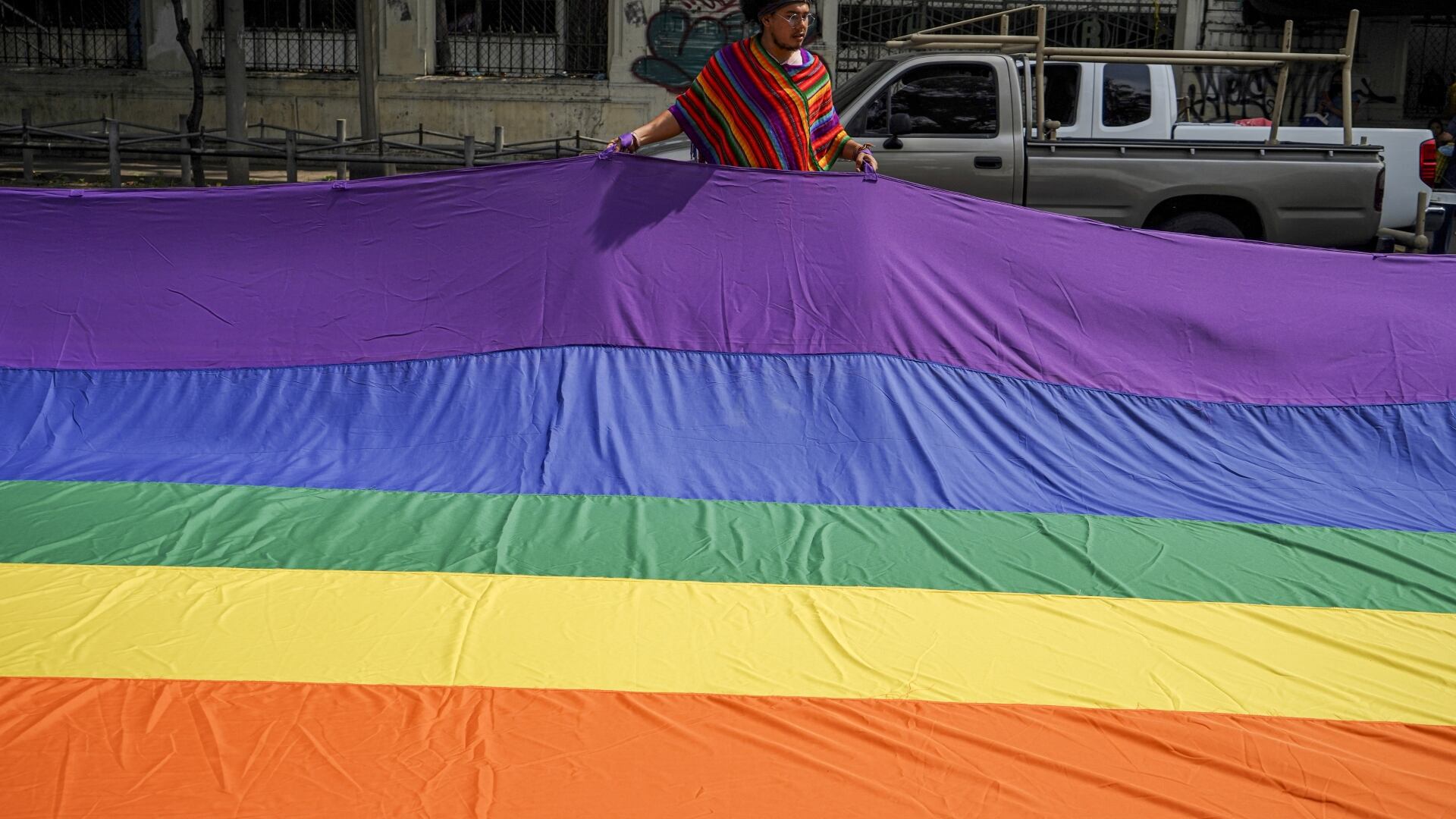
Liana Guzmán, CEO of FOLX Health, joins Cheddar News to discuss the company launching billboards across the country in response to anti-LGBTQ+ legislation.
President Biden has announced an additional $800 million in military assistance to Ukraine, including artillery, armored personnel carriers, and helicopters. It comes as Russian forces appear to be preparing for a new, aggressive offensive in the eastern part of Ukraine. Paul McLeary, defense reporter for Politico, joined Cheddar to discuss this new round of aid and what it means for the U.S. commitment to arming the embattled country.
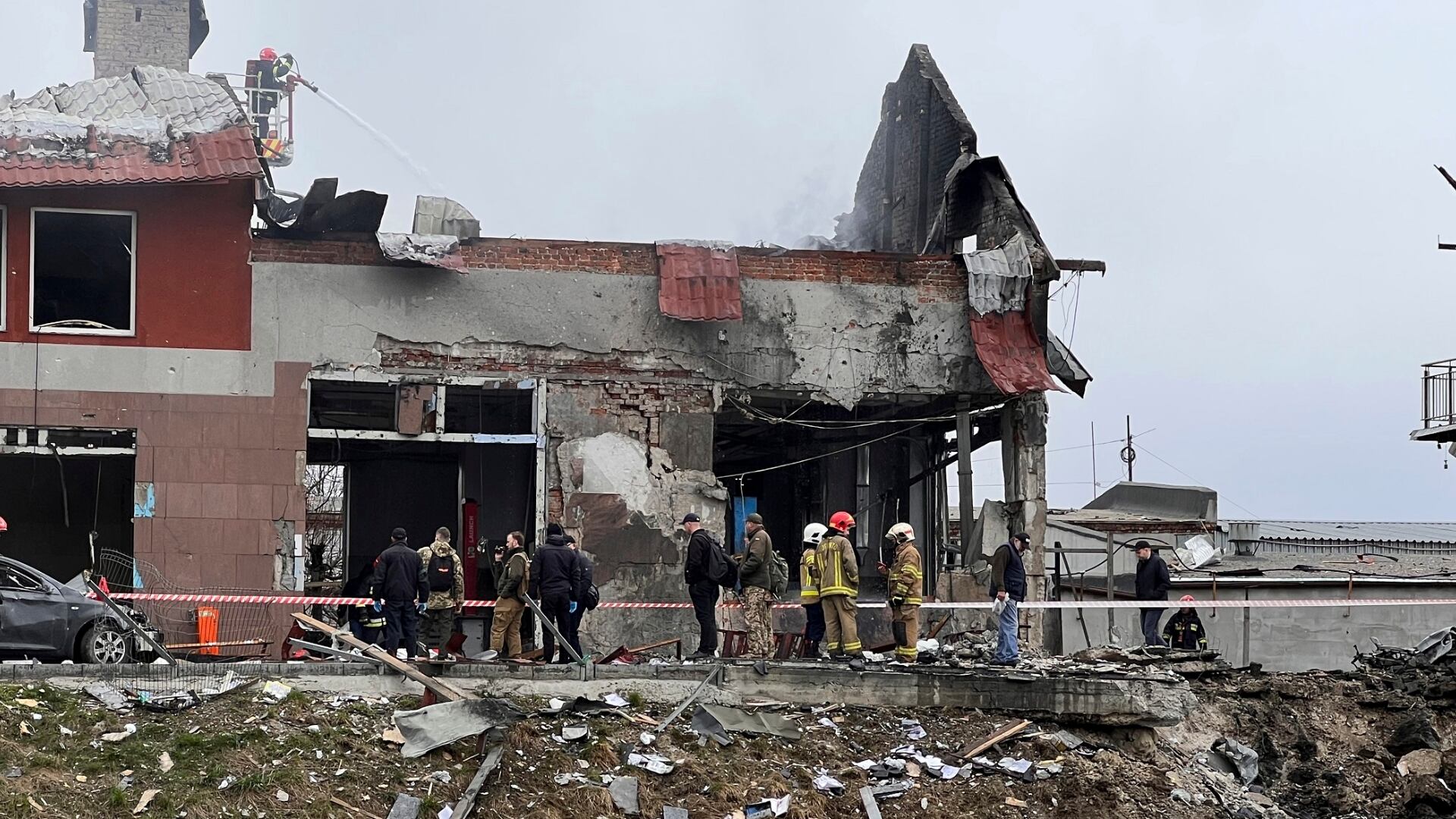
Catching you up on what you need to know on April 18, 2022, with Russian missile attacks on the Ukrainian city of Lviv killing seven, mass shootings in South Carolina and Pittsburgh, Lucky Charms cereal under official investigation by the FDA, and more.
Activism is growing around the country in response to school boards banning books from shelves that focus on sexuality, gender, identity, or race. Jen Cousins, co-founder of The Florida Freedom to Read Project, joins Cheddar News to discuss.
As the Russian invasion of Ukraine intensifies, President Biden has announced a ban on importing Russian oil, gas, and energy. To discuss how this ban will impact the war and Americans, Amir Handjani, non-resident fellow at Quincy Institute, joins Cheddar News.
Thousands of protesters around the world are expressing their solidarity with Ukraine against Russia's invasion.
Jason Beardsley, national executive director of the Association of the U.S. Navy and national security expert, joins Cheddar News to discuss.
As gas prices surge amid the Russian invasion of Ukraine, other nations could potentially transition faster to using clean energy than previously expected. Philip K. Verleger, a senior fellow at the Niskanen Center, joined Cheddar News to explain how this could be a possibility in the near future. "Part of the reason I think we have this invasion and the tantrum that's being thrown by Russia, terrible tantrum, is because the Russians were trying to slow down the transition," he said. "Ironically they speeded it up."