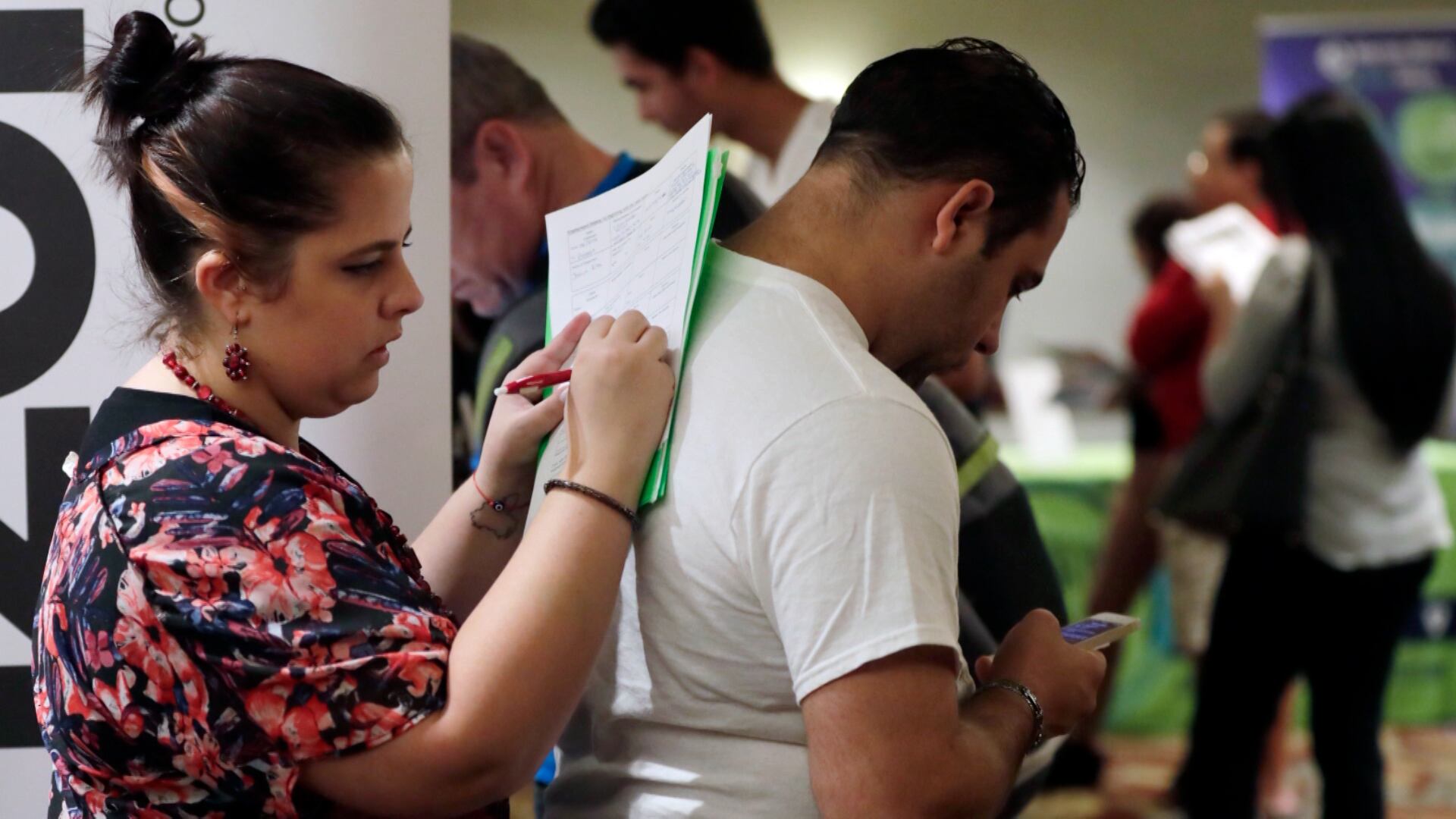
*By Chloe Aiello* E-commerce and mobile was the breakout star this Thanksgiving weekend with more customers picking the couch over the queue, shopping earlier ー and increasingly on their phones. "It's not just about Black Friday anymore ー there's the day before Thanksgiving, there's Thanksgiving Day, Black Friday. Small Business Saturday was pretty big too ... It's basically a whole week at this point," Rob Marvin, associate features editor at PCMag told Cheddar on Monday. This year, shoppers didn't even wait until Black Friday to pull out their phones or jump on a computer to shop. Shoppers spent an estimated $3.7 billion online on Thanksgiving Day ー up 27.9 percent since last year ー before spending an additional $6.2 billion online on Black Friday, according to Adobe Analytics. And many of those sales were done on mobile devices. More than half ー 54 percent ー of all digital orders fielded on Thanksgiving Day and 49 percent of sales on Black Friday came from phones, according to Salesforce ($CRM). "Mobile is the headline this holiday," Rob Garf, VP of Industry Strategy and Insights at Salesforce Commerce Cloud, told Cheddar on Monday. Cyber Monday is expected to shatter records ー with an additional $7.7 billion in online sales projected, up 17.6 percent year-over-year, according to Adobe. Marvin attributes the bump in Cyber Monday sales to "bigger ticket items," like the latest in technology. "Black Friday is always bigger for clothes and gifts and stuff like that. Cyber Monday is when you should get all of your tech. There's going to be huge deals on laptops, phones ... everything from home security systems to smart light bulbs and thermostats," he said. And those deals should be pretty good. Marvin recommended shoppers look for 30 to 60 percent off the ticket price ー or just wait for a better deal. Front and center is e-commerce giant Amazon (AMZN), which is gearing up for a major day in deals. Last year, Amazon customers bought about 83 million products globally on Cyber Monday ー that's about 961 items per second. "We expect this year to be even higher than that," Amazon spokesperson Adam Sedo told Cheddar's Nora Ali Monday on the floor of a company fulfillment center in Robbinsville, N.J. Sedo said Amazon expects many of the shoppers this year to be millennials. Millennials love shopping online, especially when there's something in it for them, he added. "Actually 62 percent of millennials said they would buy a gift for themselves," Sedo said. Amazon has reason to be optimistic this year. Shoppers are migrating an ever greater amount of their business online. Even on Black Friday, a day once known for door-busting deals and elbow-throwing shoppers, more of this year's transactions were done by computer. Foot traffic to retail stores fell on Black Friday, down 1.7 percent from 2017, [CNBC reported.](https://www.cnbc.com/2018/11/24/black-friday-thanksgiving-foot-traffic-drops-1-percent-shoppertrak.html) Meanwhile, online shopping hit new highs, surging 23.6 percent year-over-year, according to Adobe. Next year, however, could be a different story. Kathryn Hopkins, senior financial editor at WWD, cautions economic concerns may squeeze Thanksgiving weekend sales next year ー making 2018 the last year for major Black Friday and Cyber Monday blowouts. "We may have some trouble for retailers next year though, because a few things are going to make consumers feel a bit nervous," Hopkins told Cheddar on Monday. She cited among her concerns rising interest rates and President Trump's trade war with China. "Trump's "threatened to put tariffs on basically everything if him and the president of China [Xi Jinping] can't come to an agreement when they meet next month," Hopkins said. "Maybe I'm being a bit pessimistic but I think we're going to have a lot more trouble. I'm not sure we're going to make a record next year."