President Donald Trump set off a firestorm last week when he suggested that he would not grant the U.S. Postal Service the funding it requested as a means of interfering with the vote-by-mail process.
The reaction was fierce.
"We have to get back to understanding that democracy itself should not be politicized. Democracy means that the people choose who they vote for," Andrea Hailey, CEO of Vote.org, told Cheddar on Monday. "It's the job of election officials to make voting as accessible and as easy as possible."
In the days after the president's remarks, images of the USPS removing mailboxes in different cities caused a frantic stir on social media, although the agency says it was part of routine redistribution. The agency says it will stop the practice for the time being and plans to decommission large-scale mail sorters have also been postponed until after the election.
Postmaster General Louis DeJoy, a Trump appointee who just took the helm at USPS in June, will testify about election concerns before a House committee next week. Hailey expects Congress to grill DeJoy over the various cost-cutting measures that have been instituted since he took over in May.
"People need the post office not only for elections but to receive their medications, to receive their social security checks," Hailey said. "It is essential that we protect the postal service this year."
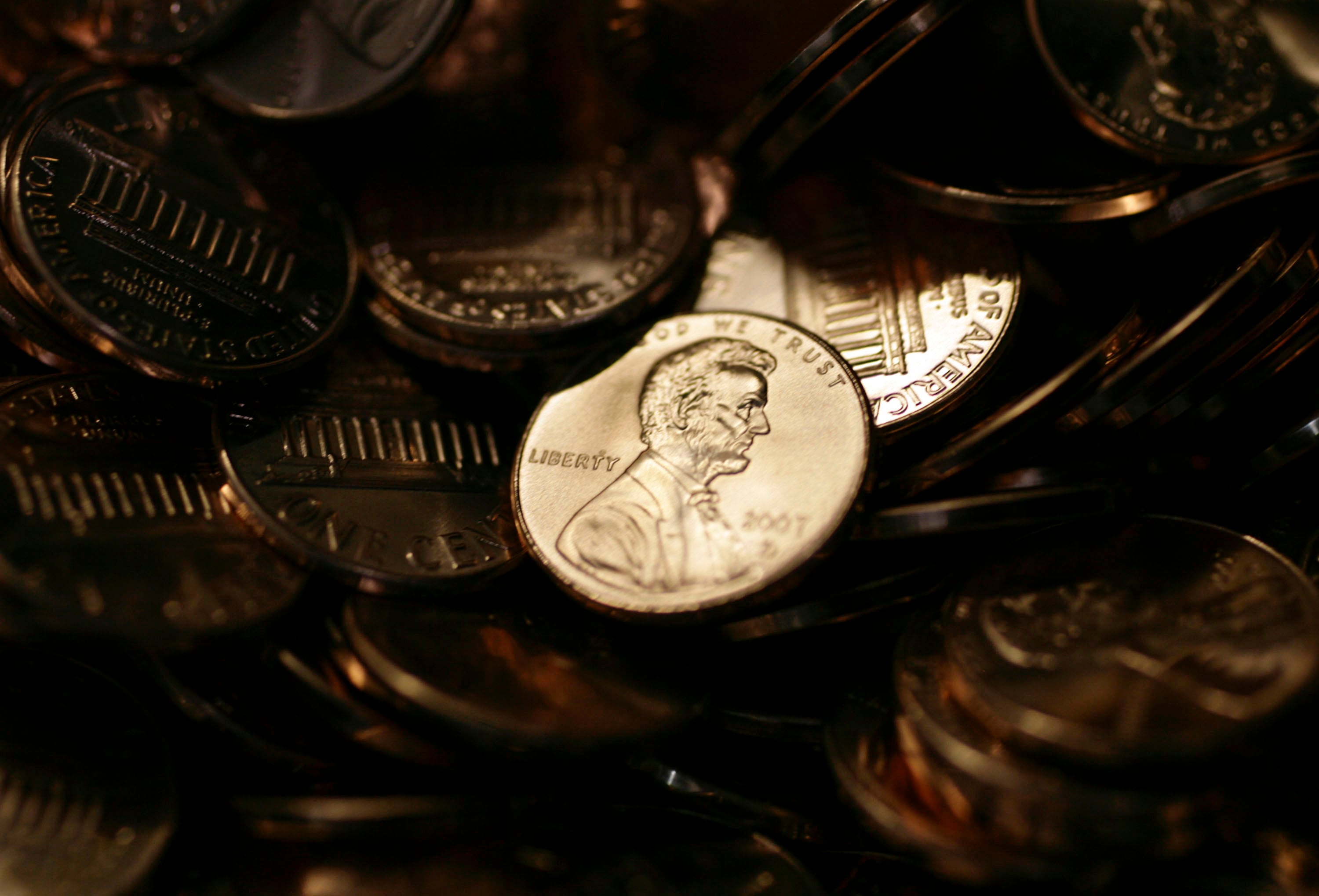
President Donald Trump has ordered the U.S. to stop minting pennies. His surprise announcement comes after decades of unsuccessful efforts to phase out the 1-cent coin. Advocates for ditching the penny cite its high production cost and limited utility. Fans of the penny cite its usefulness in charity drives and relative bargain in production costs compared with the nickel. Here's a look at some question surrounding Trump's order.
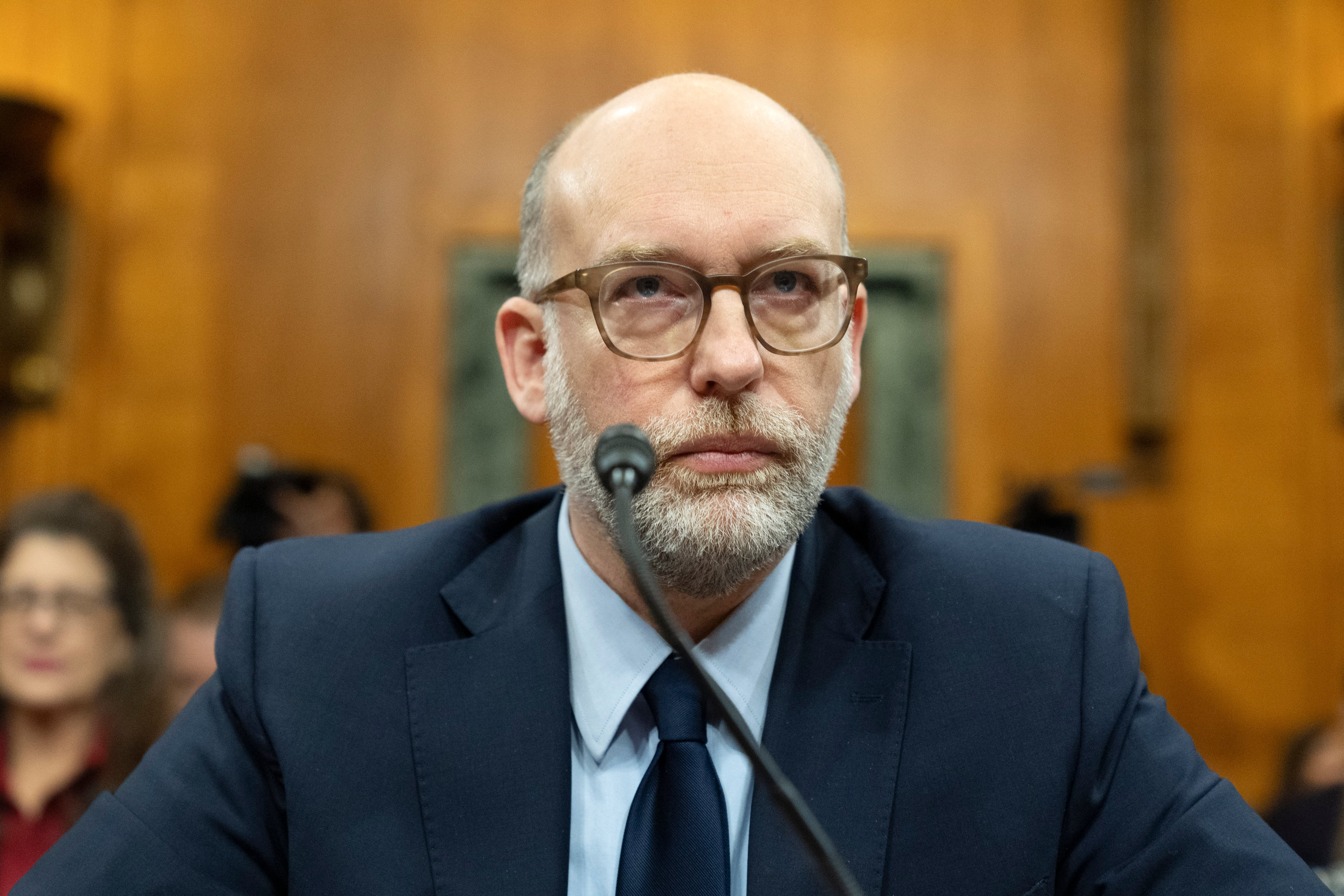
The Trump administration has ordered the Consumer Financial Protection Bureau to stop nearly all its work, effectively shutting down the agency that was created to protect consumers after the 2008 financial crisis and subprime mortgage-lending scandal. Russell Vought is the newly installed director of the Office of Management and Budget. Vought directed the CFPB in a Saturday night email to stop work on proposed rules, to suspend the effective dates on any rules that were finalized but not yet effective, and to stop investigative work and not begin any new investigations. The agency has been a target of conservatives since President Barack Obama created it following the 2007-2008 financial crisis.
Brian Bennett, Senior White House correspondent at TIME, discusses Musk's relationship to Donald Trump and how he has such access in the federal government.
MarketWatch's Rob Schroeder helps us break down what is happening with tariffs implemented by the Trump admin., plus what Canada and Mexico have promised.
Jen Judson, Reporter at Military Times, breaks down what we know about the fatal commercial airline crash in D.C. and the ongoing investigation into its cause.
Robert Weissman, co-president of Public Citizen, discusses the lawsuits filed against DOGE and explains Public Citizen's approach to efficiency in U.S. spending
Jennifer Mattson, Contributing Writer at Fast Company, discusses the impact of Trump's first weekend in office and what's to come from the administration.