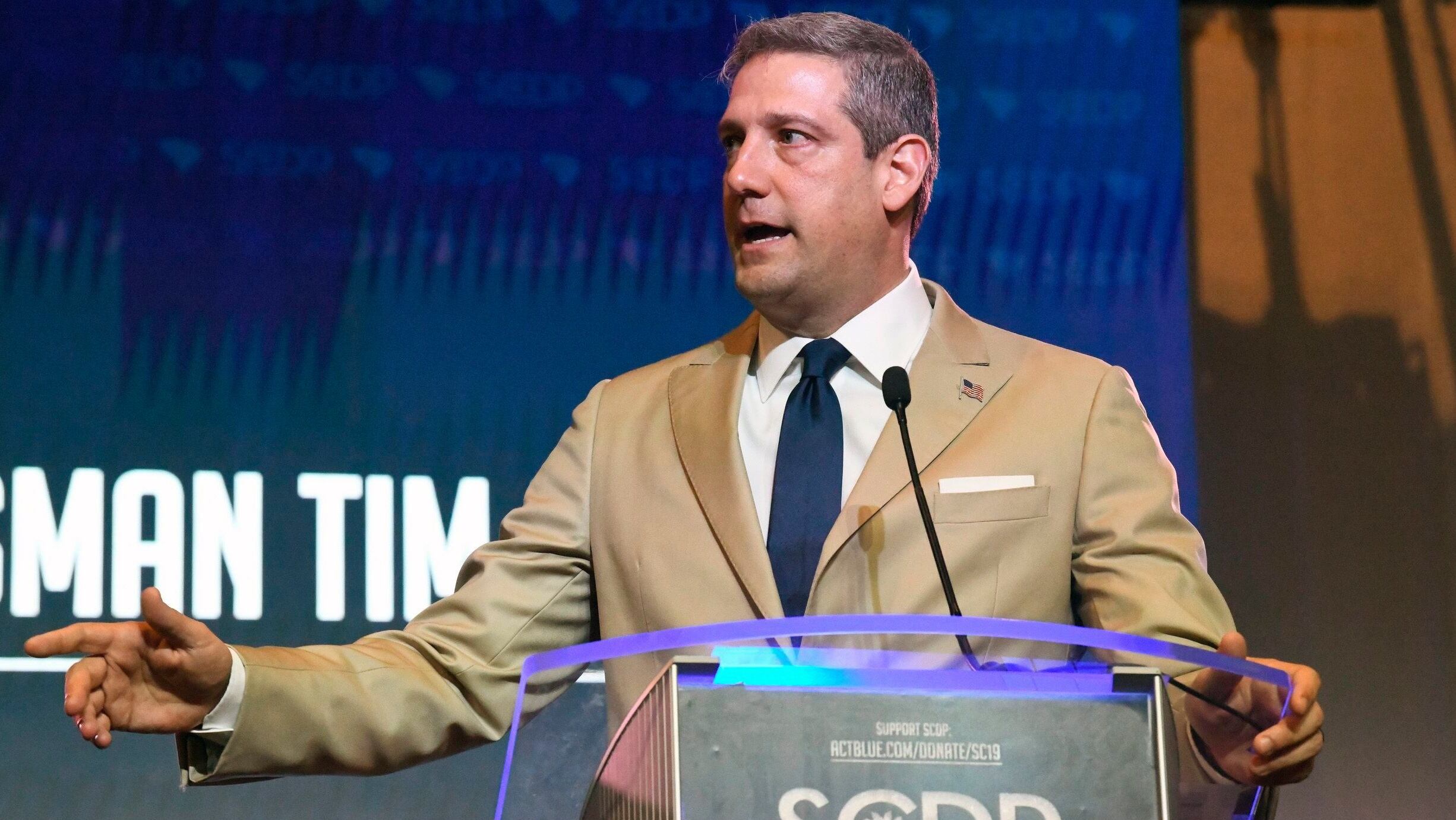
Polling at just one percent in nearly all the major early 2020 presidential polls, Congressman Tim Ryan (D-Ohio) is hoping to break through on the debate stage Wednesday night by portraying himself as the one leader who faced hardships similar to most Americans.
"I'm just going to be myself. I know who I am, and where I come from, and I want to share that with the American people," Ryan told Cheddar at Rep. Jim Clyburn's "World Famous Fish Fry" in Columbia, South Carolina on Friday night.
A self-described capitalist, Ryan's 2020 stump speech has been for the worker. The district Ryan has represented for eight-terms, Ohio 13, is located in the northeast portion of the state, and includes working class, auto manufacturing cities like Lordstown and Youngstow, both of which have been crushed by changes in the industry. Ryan drew parallels between his constituents and the South Carolinian voters at Clyburn's event.
"This is a working class state, and our motto is 'JOBS, JOBS, JOBS,'" Ryan said. "I mean the best social program is a job, and we want to start building things again, and the communities I represent like Youngstown, Ohio look a lot like South Carolina."
In March, Ryan's district was hit hard when a massive GM manufacturing plant shuttered in Lordstown with nearly 1,700 hourly workers being sent home without a plan in sight.
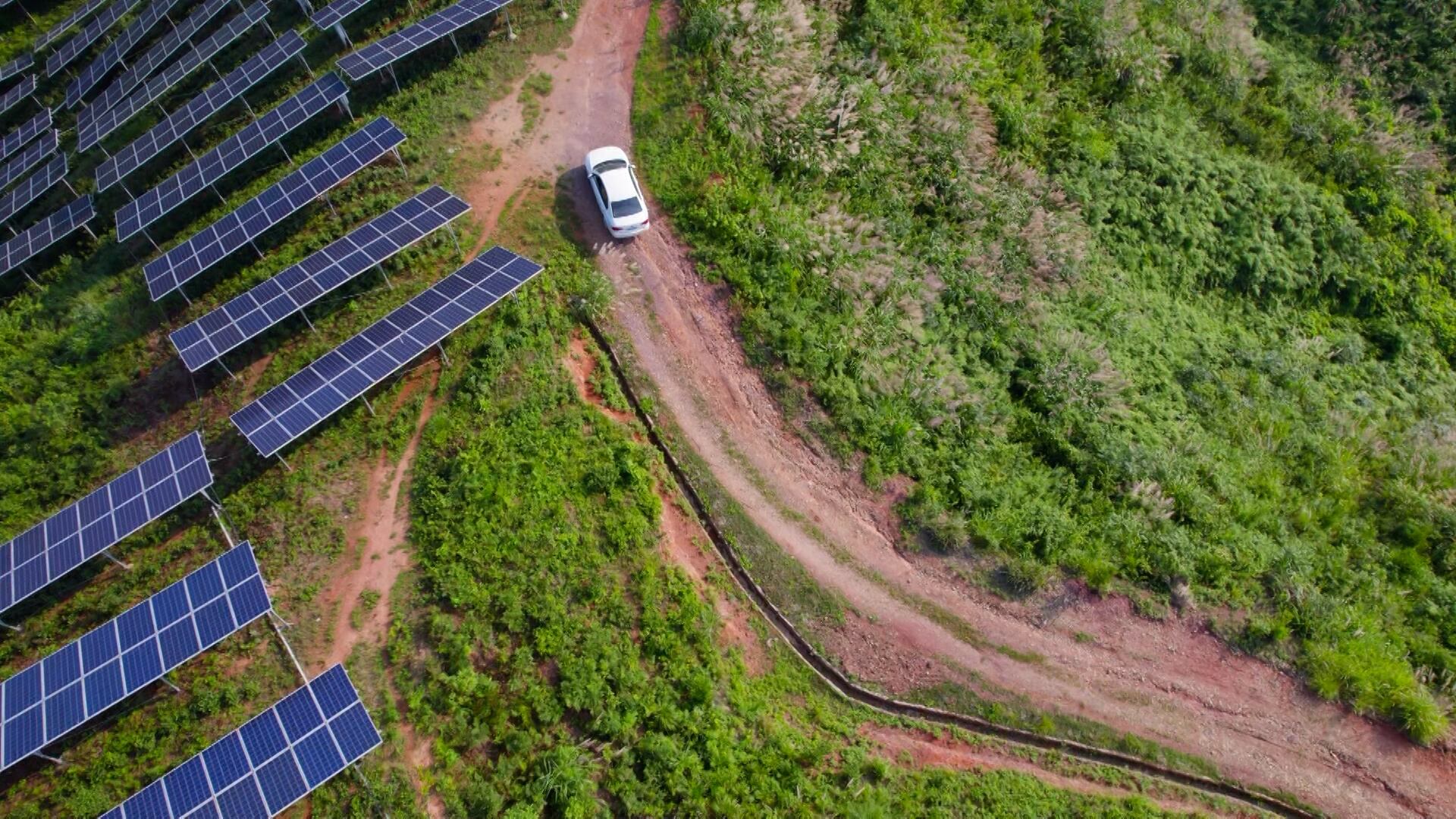
But these hardships might help a presidential candidate understand the reality Americans face in 2019. Ryan wants to increase U.S. investment in electric vehicles and solar energy as a way to both go green and drive job growth.
On the debate stage Wednesday, Ryan intends to discuss what he has overcome (or is in the process of overcoming) as a way to level with the American people. "I come from a community that has seen job loss, has seen an opioid epidemic, that has seen an infant mortality epidemic, and the next president has got to deeply understand what the American people are going through."
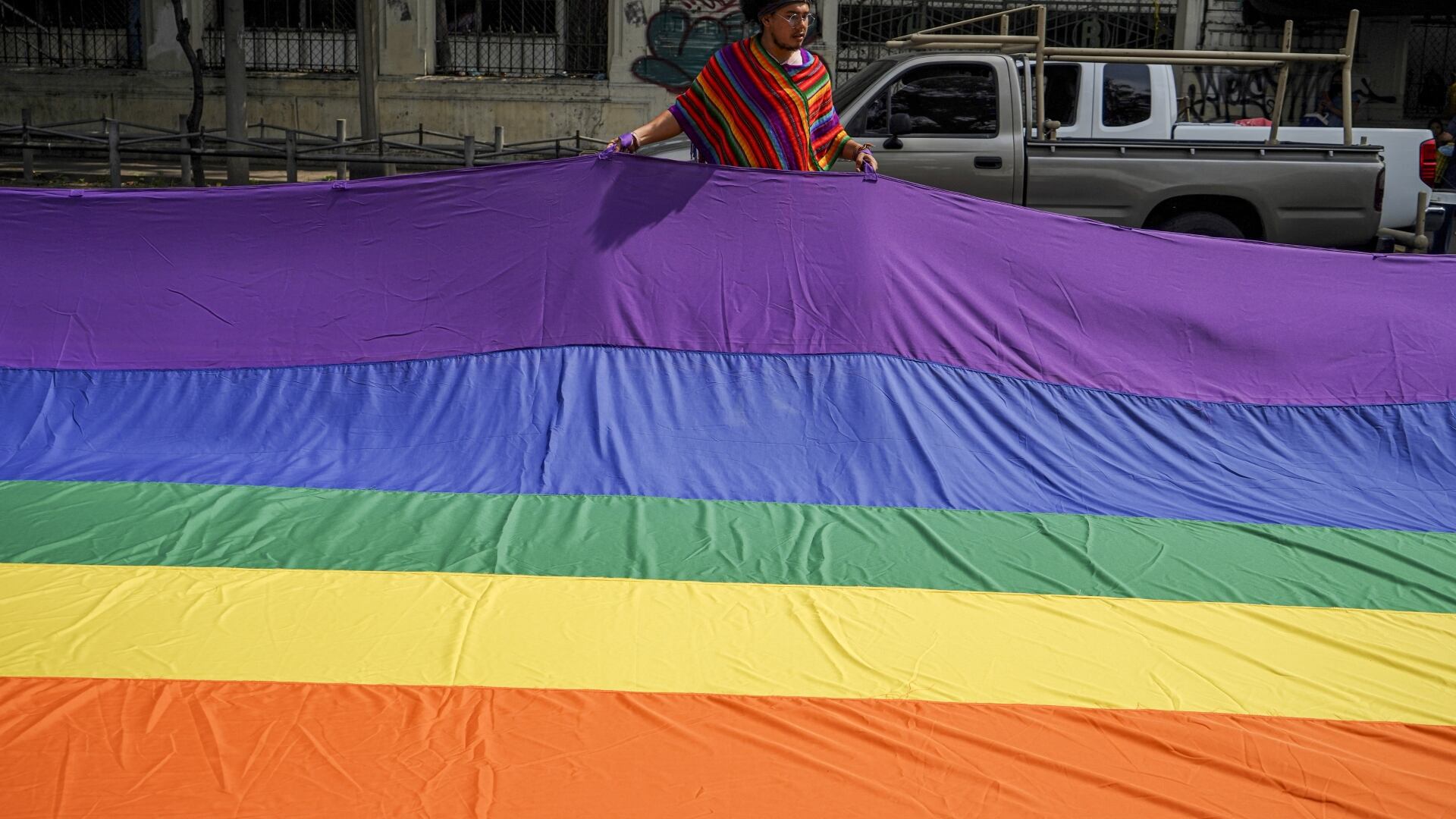
Liana Guzmán, CEO of FOLX Health, joins Cheddar News to discuss the company launching billboards across the country in response to anti-LGBTQ+ legislation.
President Biden has announced an additional $800 million in military assistance to Ukraine, including artillery, armored personnel carriers, and helicopters. It comes as Russian forces appear to be preparing for a new, aggressive offensive in the eastern part of Ukraine. Paul McLeary, defense reporter for Politico, joined Cheddar to discuss this new round of aid and what it means for the U.S. commitment to arming the embattled country.
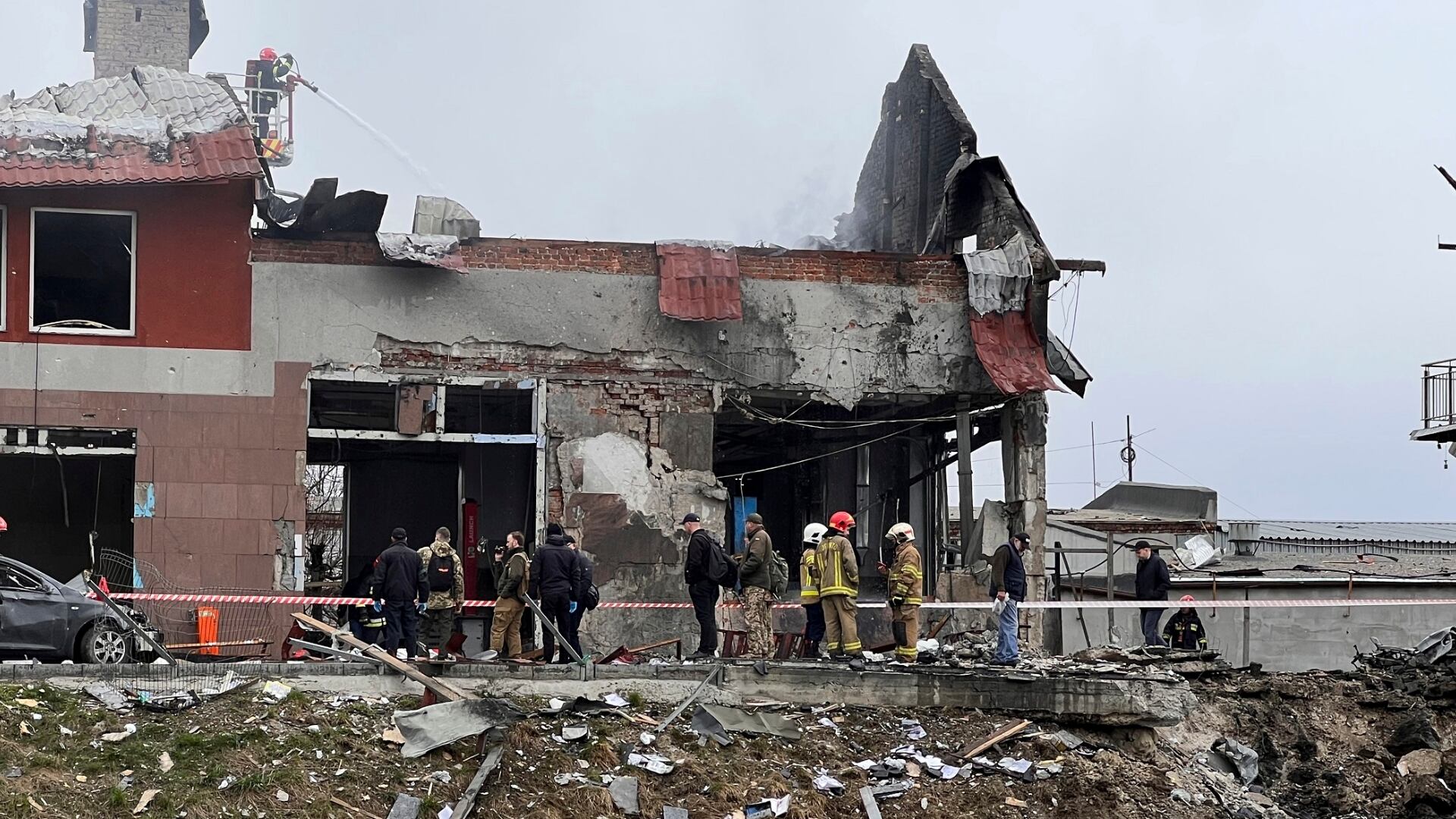
Catching you up on what you need to know on April 18, 2022, with Russian missile attacks on the Ukrainian city of Lviv killing seven, mass shootings in South Carolina and Pittsburgh, Lucky Charms cereal under official investigation by the FDA, and more.
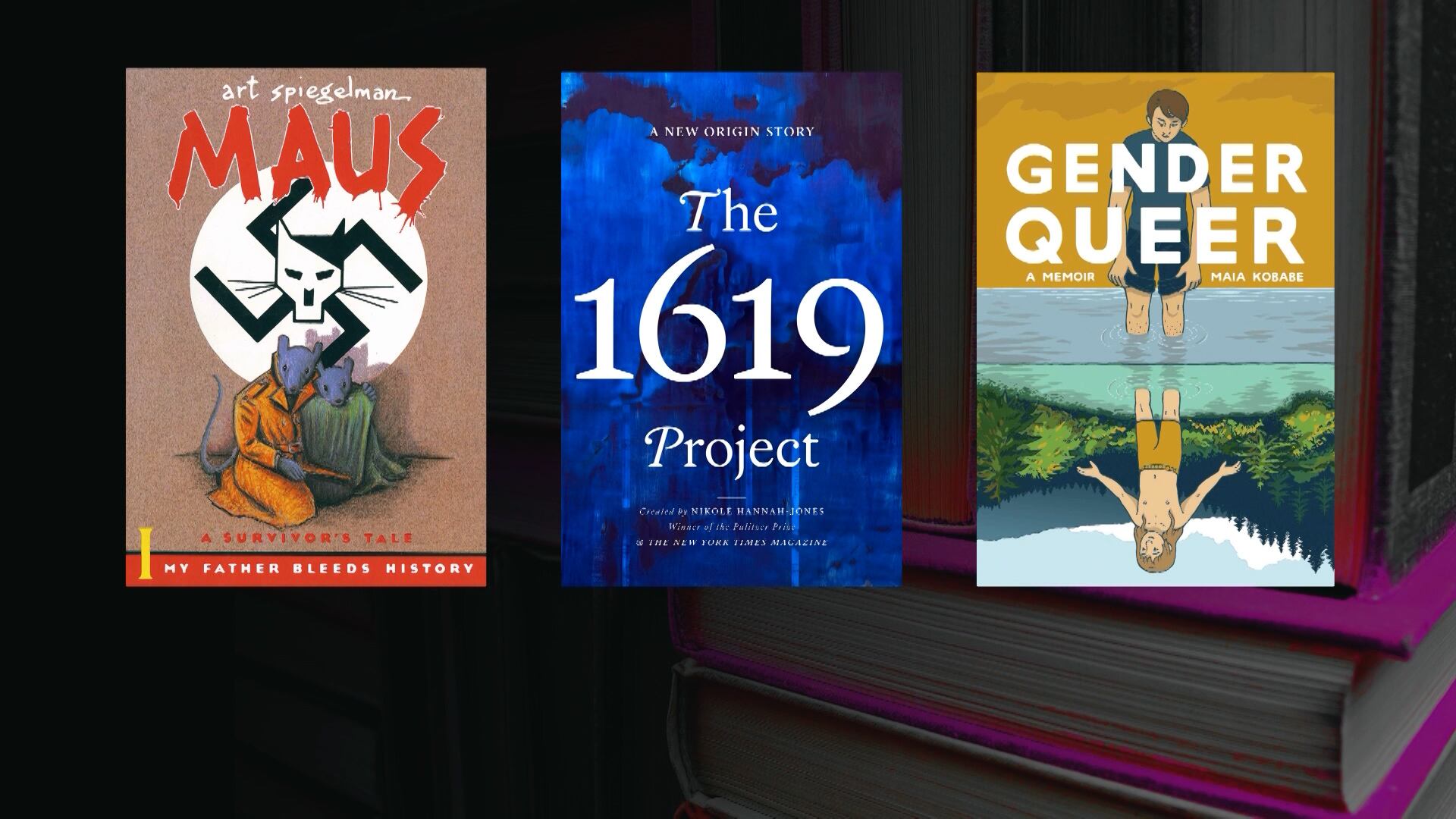
Activism is growing around the country in response to school boards banning books from shelves that focus on sexuality, gender, identity, or race. Jen Cousins, co-founder of The Florida Freedom to Read Project, joins Cheddar News to discuss.
As the Russian invasion of Ukraine intensifies, President Biden has announced a ban on importing Russian oil, gas, and energy. To discuss how this ban will impact the war and Americans, Amir Handjani, non-resident fellow at Quincy Institute, joins Cheddar News.
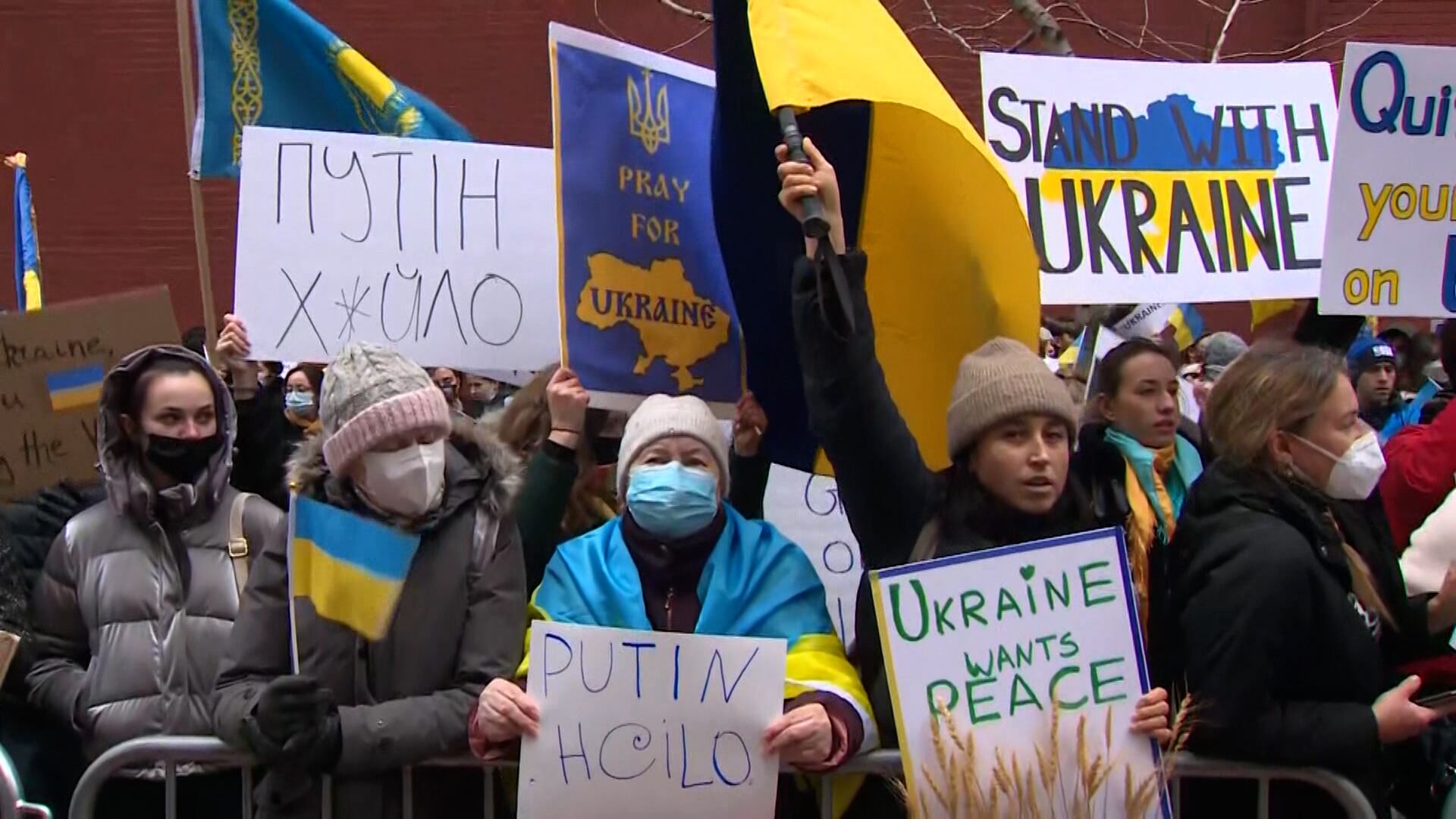
Thousands of protesters around the world are expressing their solidarity with Ukraine against Russia's invasion.
Jason Beardsley, national executive director of the Association of the U.S. Navy and national security expert, joins Cheddar News to discuss.
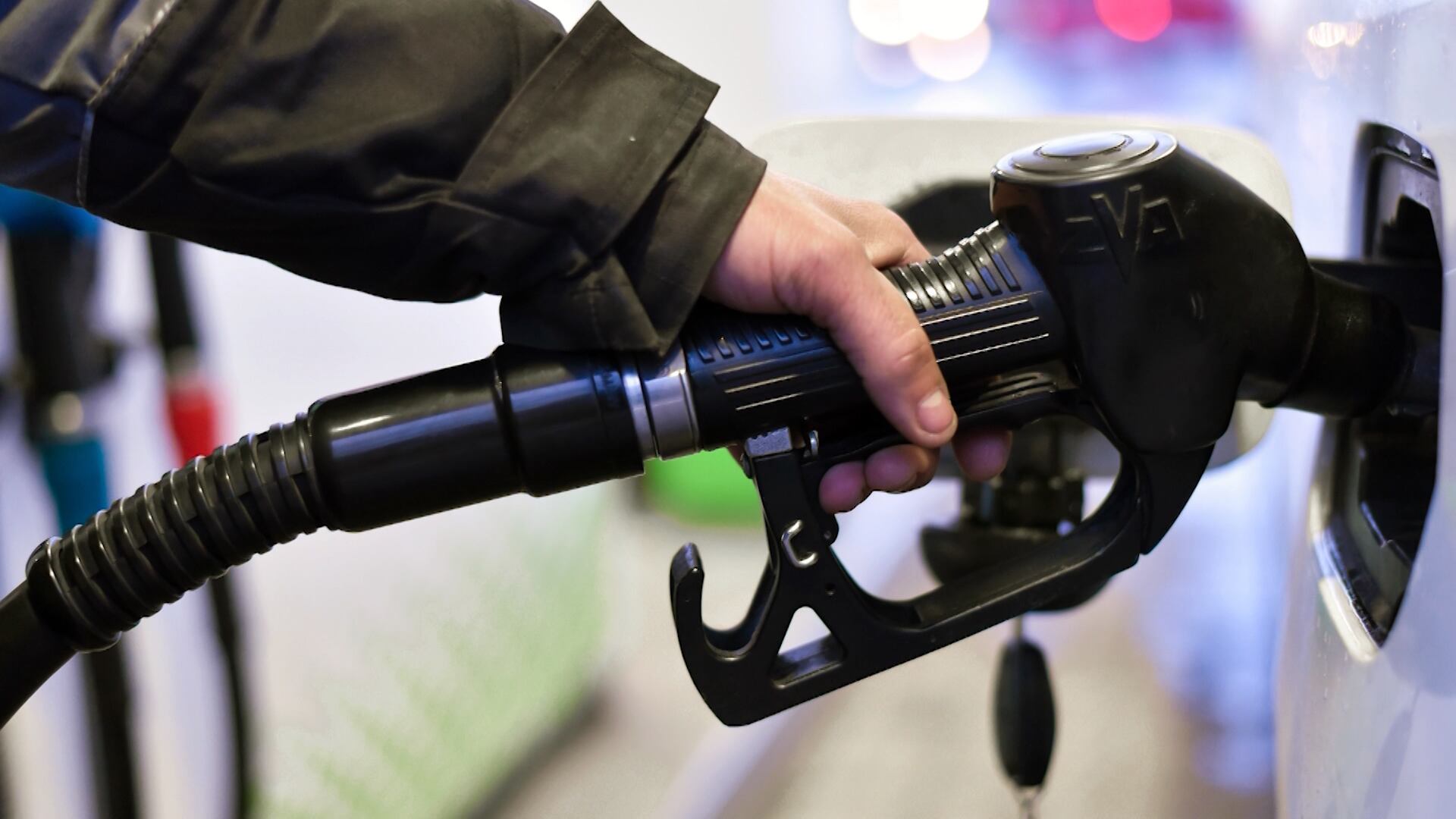
As gas prices surge amid the Russian invasion of Ukraine, other nations could potentially transition faster to using clean energy than previously expected. Philip K. Verleger, a senior fellow at the Niskanen Center, joined Cheddar News to explain how this could be a possibility in the near future. "Part of the reason I think we have this invasion and the tantrum that's being thrown by Russia, terrible tantrum, is because the Russians were trying to slow down the transition," he said. "Ironically they speeded it up."
Following the invasion of Ukraine, a multitude of Western companies have paused doing business with Russia. PepsiCo, Coca-Cola, McDonald's, and Starbucks are the most recent companies to temporarily cease operations in Russia. Dean of Miami Herbert Business School at the University of Miami, John Quelch, joined Cheddar News to discuss what message this sends to Russia and the Russian consumer. “I would not underestimate the collective strength of all of these multinational companies, essentially coming together to make their collective statement in support of the political statements that have come out of Washington," he said.
The war in Ukraine continues to reveal heartbreaking gut-wrenching stories. The war in itself is not only devastating but also expensive. Experts estimate that Russia is draining nearly $20 million dollars each day to continue occupying and invading Ukraine. All this could force the country to turn to cryptocurrencies. It's a major turn for the country that briefly considered outlined digital assets entirely, but it could also have serious implications for cryptos. Managing Director at Quantum Fintech Group, Harry Yeh, joined Cheddar to discuss more.