Need some extra cash this holiday season? Macy's is adding 7,000 new seasonal jobs this year, along with other retailers such as JCPenney and Old Navy. Lisa Rowan, Writer at The Penny Hoarder, joins Cheddar to break down how much money you can make with one of these part-time jobs.
Each of these seasonal jobs pays around $10-$12 and have pretty flexible hours. They also will employ you until the middle of January, which may help you recuperate the funds spent on gifts.
When it comes to joining in on the gig economy, Rowan says it may be a little harder to make fast cash. A lot of apps like TaskRabbit give each user a rating and allow people to leave reviews. So, if you don't have stellar reviews, the chances of people hiring you are slim. She suggests you get on those apps fast and try to build up loyal customers before the end of the year.
PepsiCo's "Rolling Remembrance" American Flag Relay Puts Veteran Drivers at the Wheel to Raise Funds and Awareness for Children of Fallen Patriots Foundation
Fresh off the company’s IPO at the New York Stock Exchange Bowhead Specialty CEO Stephen Sills discusses what’s next and why some insurance rates are rising.
AAA predicts a surge in summer 2024 travel, with 44 million travelers, surpassing pre-pandemic levels. Expect more solo trips, AI use, and Taylor Swift.
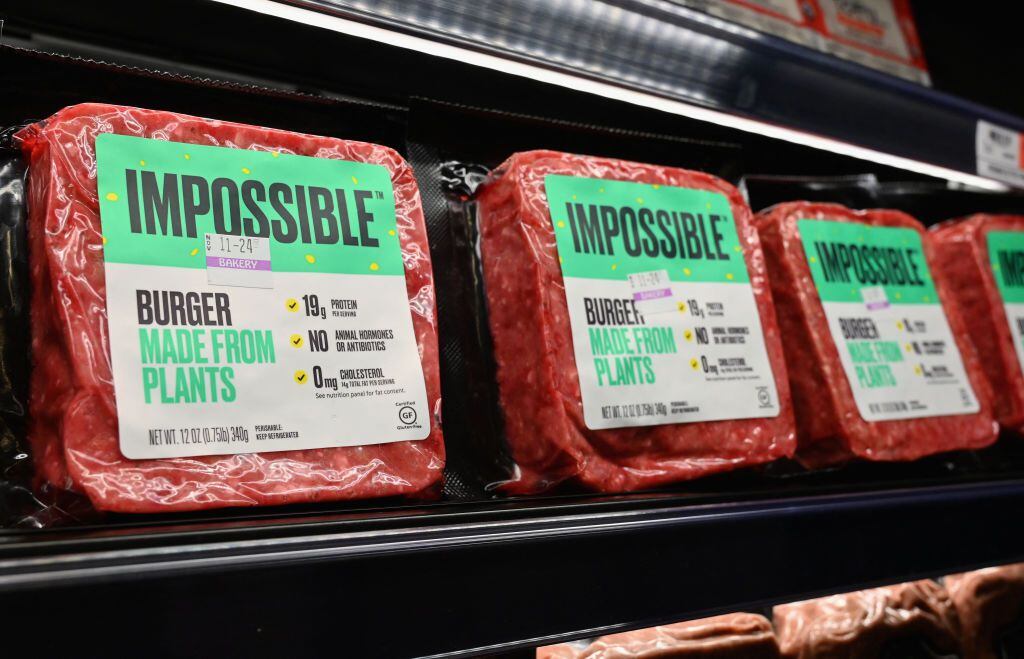
As Americans prepare for a long weekend of grilling, Impossible Foods wants to put aside the culture wars, win over meat eaters – and IPO when it's 'ready.'
In April, grocery prices rose by 1.2 percent, reaching pre-pandemic levels of food inflation. Could an e-commerce grocer be the solution? Thrive Market says yes