In this photo illustration, the American multinational pharmaceutical corporation Pfizer logo is seen displayed on a smartphone with an economic stock exchange index graph in the background. (Photo Illustration by Budrul Chukrut/SOPA Images/LightRocket via Getty Images)
Pfizer has entered a $43 billion merger agreement with biotechnology firm Seagen. The deal is designed to bolster the pharmaceutical giant's efforts to fight cancer by scaling up the production of a promising antibody drug.
“Pfizer is deploying its financial resources to advance the battle against cancer, a leading cause of death worldwide with a significant impact on public health,” said CEO Dr. Albert Bourla.
“Together, Pfizer and Seagen seek to accelerate the next generation of cancer breakthroughs and bring new solutions to patients by combining the power of Seagen’s antibody-drug conjugate (ADC) technology with the scale and strength of Pfizer’s capabilities and expertise."
ADCs are designed to kill cancer cells and limit off-target toxicities. Bourla noted that oncology is the "largest growth driver in global medicine," and that the deal would improve Pfzier's position in the space.
Seagen forecast $2.2 billion in revenue in 2023, up 12 percent from last year. Pfizer said the company could contribute $10 billion in risk-adjusted revenues by 2030. This would supplement the company's existing oncology division, which brought in $12 billion in revenue in 2022 with a combination of prostate cancer and the breast cancer treatments.
“Pfizer shares our steadfast commitment to patients, and this combination is a testament to the passion, dedication and talent of the Seagen team to achieve our mission to discover, develop, and commercialize transformative cancer medicines that make a meaningful difference in people’s lives,” said Seagan CEO David Epstein.
Stepping up a feud with Washington over technology and security, China's government on Sunday told users of computer equipment deemed sensitive to stop buying products from the biggest U.S. memory chipmaker, Micron Technology Inc.
Stocks are moving tentatively Monday, as Wall Street waits to see whether a pivotal meeting in the afternoon will help the U.S. government avoid a potentially disastrous default on its debt.
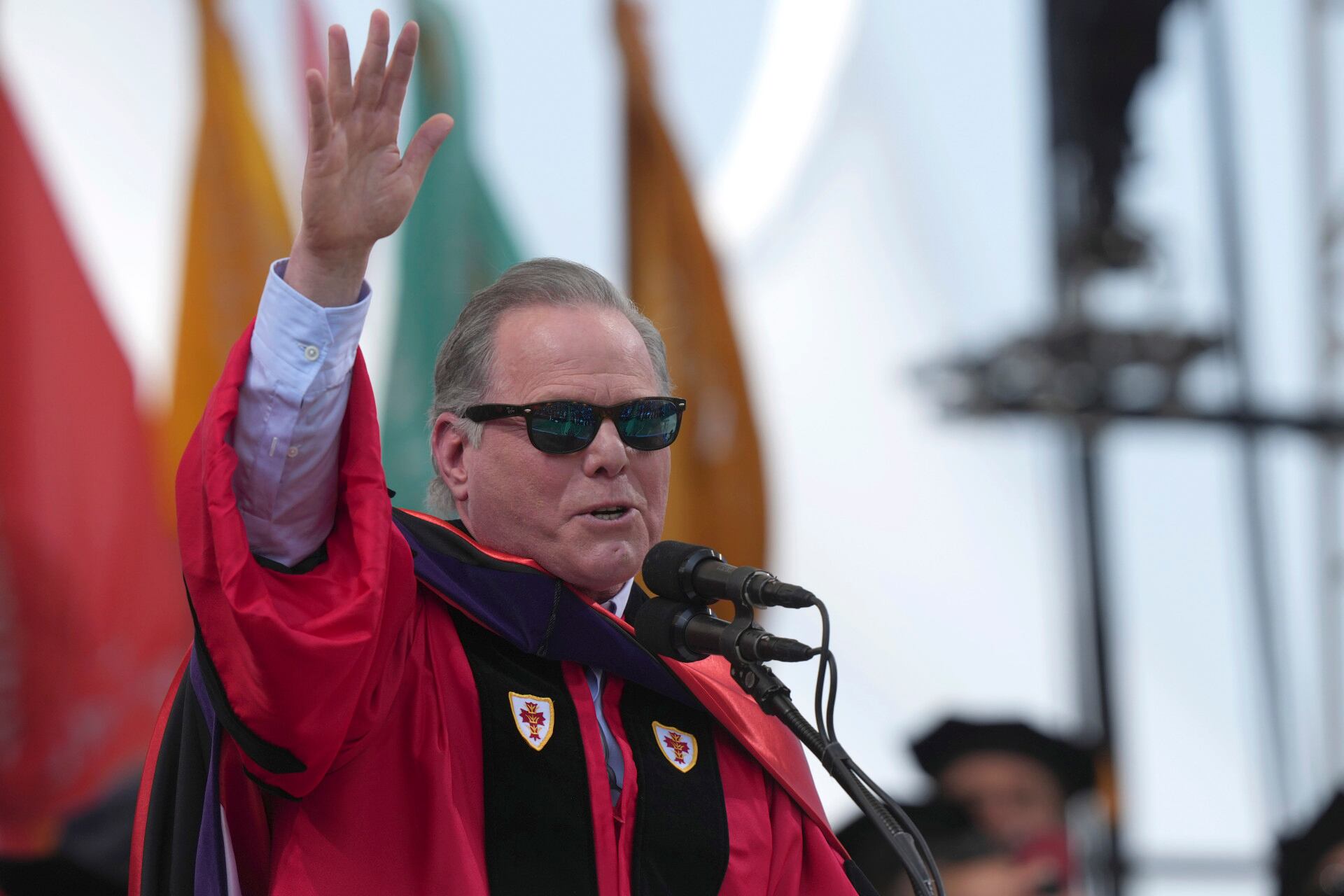
Scores of Boston University students turned their backs on the head of one of Hollywood's biggest studios, and some shouted “pay your writers,” as he gave the school's commencement address Sunday in a stadium where protesters supporting the Hollywood writers' strike picketed outside.
Gov. Ron DeSantis is asking that a federal judge be disqualified from the First Amendment lawsuit filed by Disney against the Florida governor and his appointees, claiming the jurist's prior statements in other cases have raised questions about his impartiality on the state's efforts to take over Disney World's governing body.
Ford CEO Jim Farley says the company will stop competing in over-served market segments and instead will place big bets on connected vehicles and digital services. The days of Ford being all things to all people are over, Farley said at the company's capital markets day event Monday.
The European Union slapped Meta with a record $1.3 billion privacy fine Monday and ordered it to stop transferring users personal information across the Atlantic by October, the latest salvo in a decadelong case sparked by U.S. cybersnooping fears.
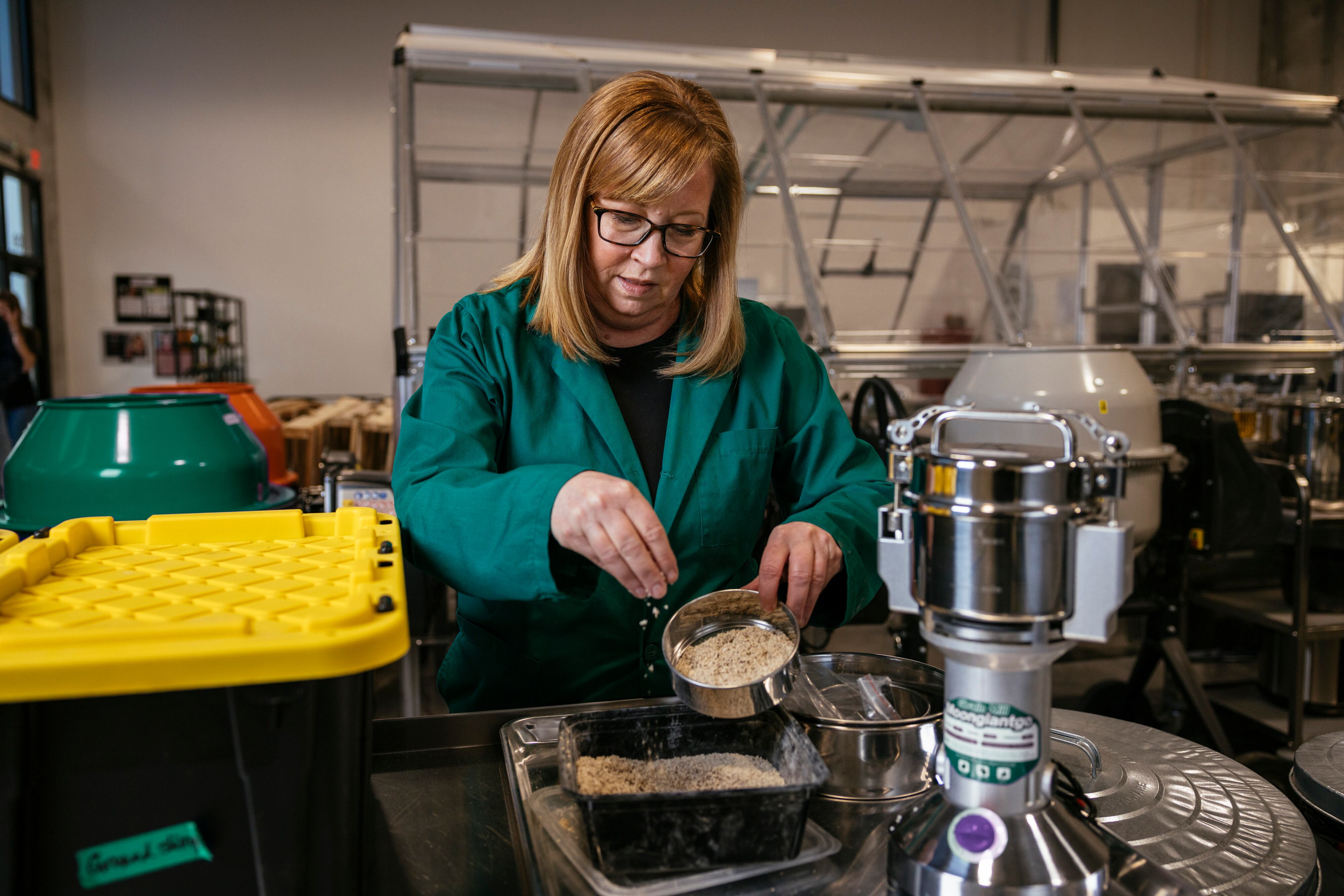
Joanne Rodriguez, founder and CEO of Mycocycle Inc., joined Cheddar News to discuss how her company uses mushrooms to decarbonize construction waste. "Mycocycle was started to address the waste mismanagement issue we have," she said. "Globally, we've got overflowing landfills that are creating human and environmental health issues."
The World Economic Forum recently released its future of jobs report and broke down what abilities employers are looking for. Julia Pollak, chief labor economist at ZipRecruiter, joined Cheddar News to discuss what top, in-demand job skills are needed in the rapidly-changing economy.