Exercise startup Peloton, known for streaming spin classes for its indoor bikes, has registered to go public, joining a crowded field of tech companies that have or will join the public markets this year.
Like many of its tech peers, Peloton appears confident in its plans for a public offering, despite not yet being profitable. In its registration documents, the company reported that it had made $915 million in revenues in the past fiscal year, a significant jump from the $435 million it produced the year before, but ultimately saw net losses of about $196 million, about quadruple its previous net losses of $48 million.
Founded in 2012, Peloton produces high-end, internet-connected stationary bikes and treadmills that work in concert with its streamed exercise classes. Bike packages approximately start at $2,200 (including delivery) while the treadmills begin about $4,300. Required content subscriptions are $39 a month. The company also offers a $19.49 option that lets users stream classes on mobile devices or a computer.
Since 2016, Peloton has seen its subscriber base grow from 107,000 people to more than half a million.
"Peloton's a really interesting case. This has been a year — obviously — of a lot of high-profile IPOs already," Joshua Franklin, a corporate finance correspondent at Reuters, told Cheddar on Wednesday. "Peloton kind of gets a little bit of the good stuff that people have liked about IPOs so far this year, and also a little bit of the stuff that people aren't so wild about."
He pointed to the Peloton's subscription model, revenue growth, and focus on disruption in the fitness space as potential positives for investors. On the other hand, Franklin cautioned that: "They don't specify in their IPO filing how they're going to reach profitability. And we've seen with Uber and Lyft, that's something that investors really are quite focused on these days."
In going public, the startup hopes to appeal to investors with a multifaceted business model. It has framed itself as a fusion of a media, fitness, and tech company, producing interconnected hardware, platform, and content. In the prospectus made public today, it says: "We are a technology company that meshes the physical and digital worlds to create a completely new, immersive, and connected fitness experience.
Peloton also says it's an "apparel" and "social connection" company because it sells branded clothing and incorporates a messaging feature into its streaming platform.
Unlike popular spin class brands SoulCycle and Flywheel, Peloton does not rely on physical locations. It runs a small number of studios where the startup films the content it streams online, but in its filing the company said revenue from classes at these locations "has been immaterial to date."
The startup appears to have inspired — or at least, catalyzed — an emergence of similar businesses. Mirror, founded in 2016, sells vertical, in-home screens that stream live exercise classes. 2017 saw the introduction of Hydrow, a startup that sells modernized rowing machines that stream rowing classes.
Meanwhile, Equinox Group has announced its plans to sell an at-home bike that will feature SoulCycle spin classes. Flywheel has also started selling their own home bikes with coordinated, live-streamed content, a move that has earned it a lawsuit over a patent dispute with Peloton itself.
Meta, the parent company of Facebook, turned heads on Tuesday when it announced it will block some ad-targeting, specifically those of a political and religious nature.
This is one of the most direct moves the company has made in order to minimize ad-targeting by advertisers on its platforms. Hastie Afkhami, Head of Digital at S-3 Group, joins Cheddar News to discuss the impact of this move.
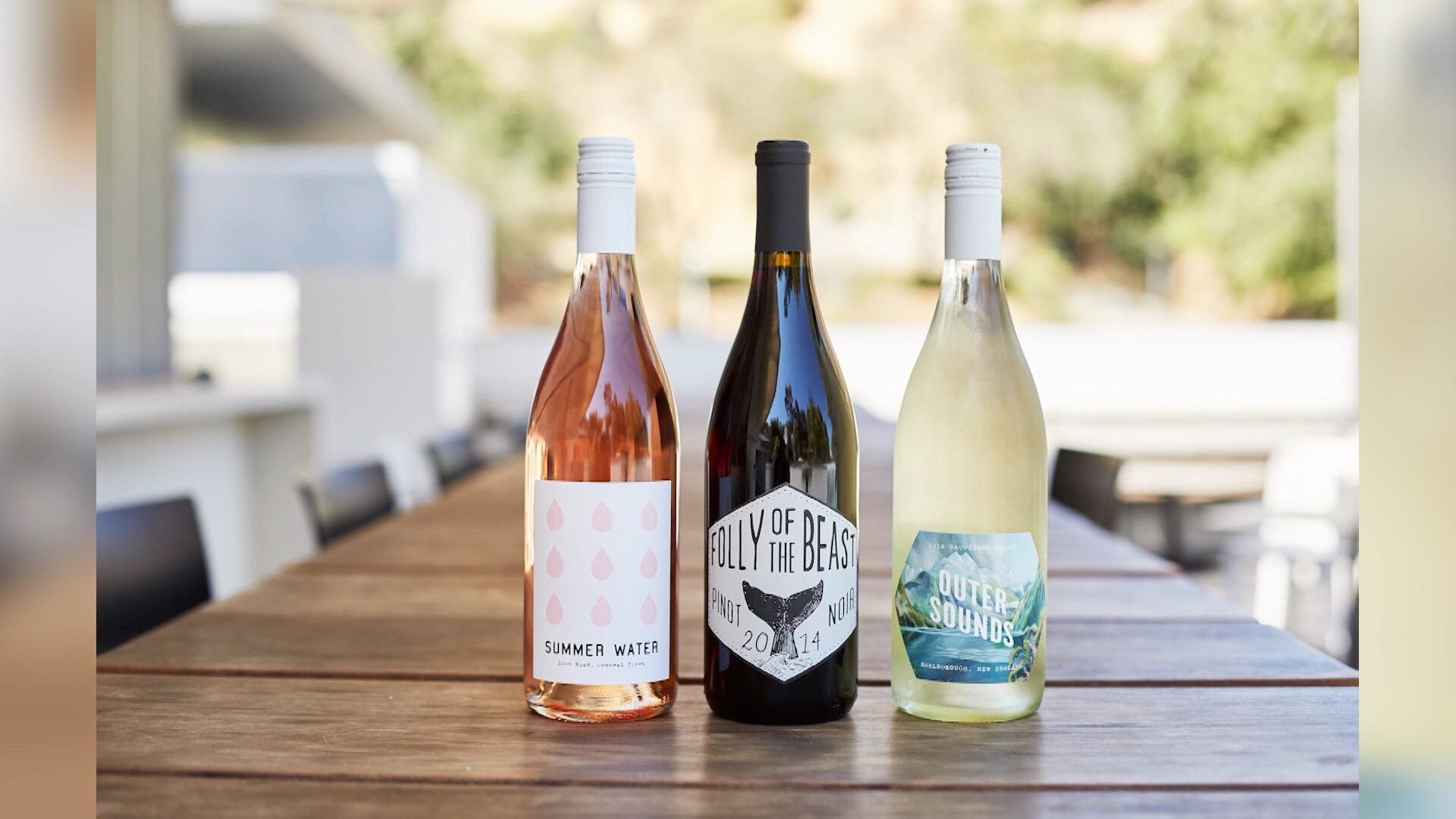
Wine subscription service Winc is officially a publicly-traded company after debuting on the New York Stock Exchange. CEO Geoff McFarlane and President Brian Smith joined Cheddar to talk about the decision behind the public offering and noted that its service goes beyond just subscriptions. "We're an omnichannel platform, so the subscription is a great way for us to really generate a ton of data from our customers, launch new products, and market our portfolio," McFarlane said. "But ultimately when we find great products that our customers really love, we want them to be everywhere." He went on to point to distribution partners like Whole Foods, Walmart, and Trader Joe's.
Roy Banks, CEO of Weave Communication, a cloud-based software company for small businesses, joined Cheddar to talk about the company's New York Stock Exchange debut. Banks broke down just how his company helps small businesses manage relationships with their customer base and also laid out how the funds raised will be used to grow the business and its short and long term goals.
Jeff Powell, Managing Partner & CIO at Polaris Wealth Advisory Group, discusses how supply chain issues and inflation will impact consumer spending, and discusses the future of the electric vehicle market.
Sotheby's is getting into the crypto game. The auction house announced it will now be accepting bids in increments of ETH, marking the first time that an auction will field live bids in crypto. This announcement comes just a week ahead of Sotheby's contemporary art auction 'The Now Evening Auction' for two works by Banksy: Trolley Hunters and Love is in the Air. Alex Branczik, Sotheby's Chairman for Modern & Contemporary Art joined Cheddar's Opening Bell to discuss what went into this move.
Jim Worden, Chief Investment Officer, Wealth Consulting Group, talks about the consumer spending headwinds and breaks down the bright spots from Disney's earnings and Rivian's IPO.
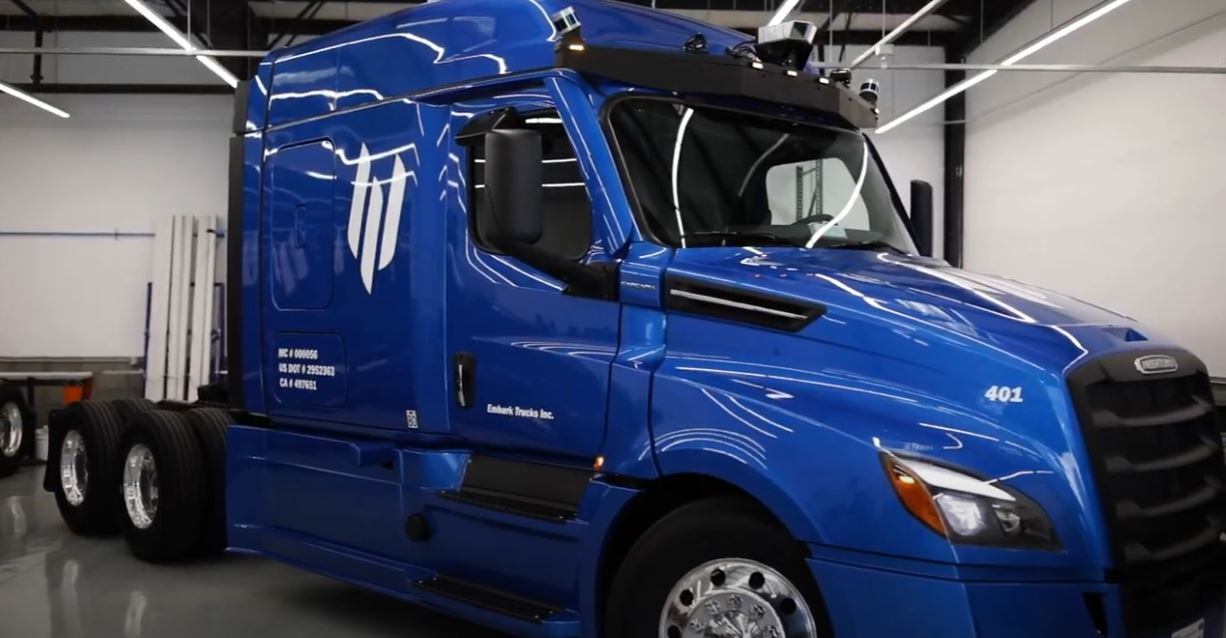
Autonomous tech developer Embark made its Nasdaq debut on Thursday via a SPAC merger, making its CEO Alex Rodrigues, the youngest chief executive of a publicly-traded company at the age of 26. He joined Cheddar's "Between Bells" to discuss what led to the IPO and what it means for the trucking industry as it looks to navigate ongoing supply chain issues. "I think there are really three major benefits to autonomous trucks. You think about the benefit from an efficiency perspective, from a safety perspective, and from an environmental perspective," Rodrigues noted.
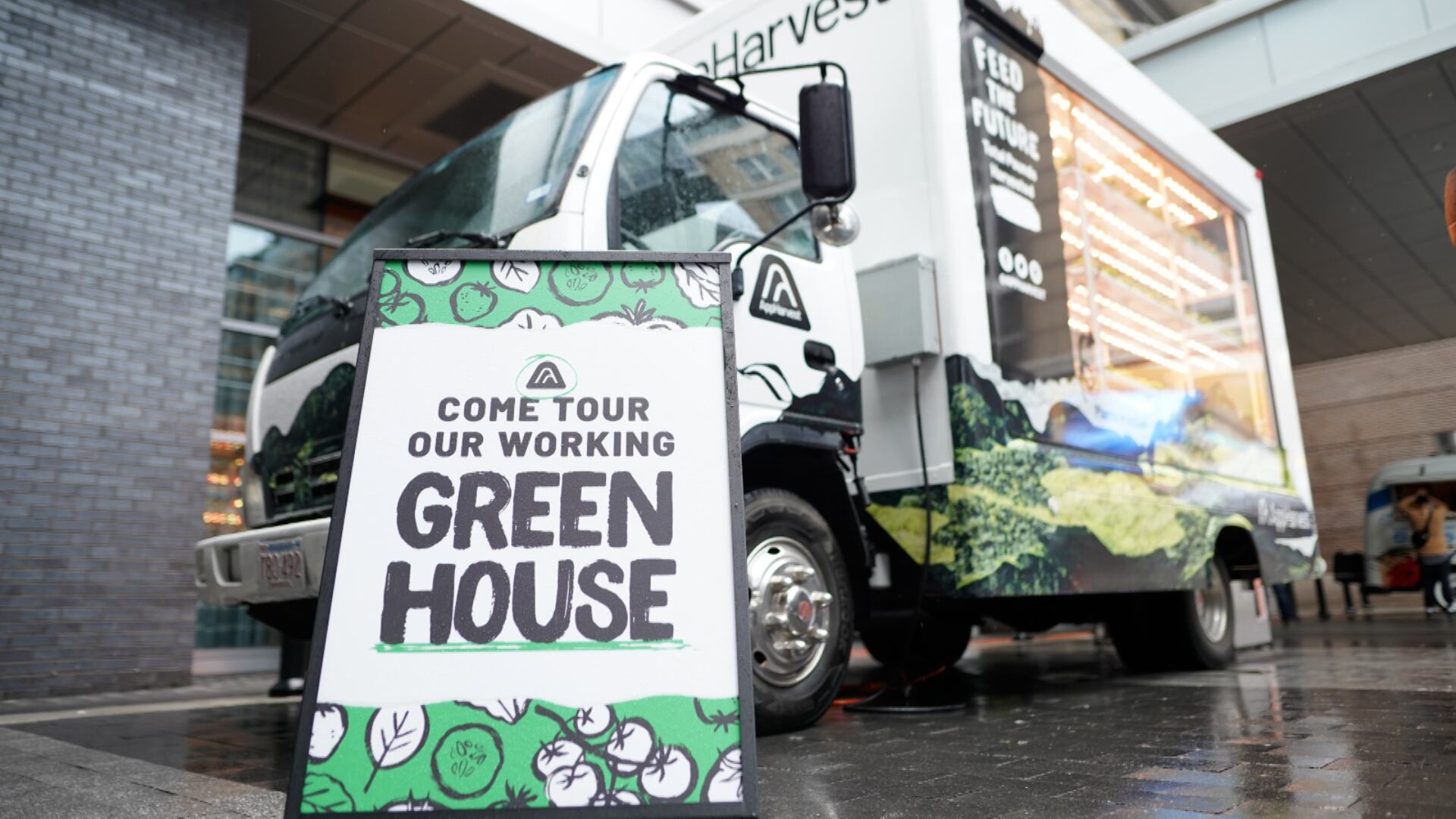
AppHarvest CEO Jonathan Webb joined Cheddar's "Opening Bell" to talk about the company's Q3 earnings, stating sales data showed the indoor farming tech firm remained on track with its 2021 outlook. Webb also discussed a new campaign called "Fight The Food Fight," to encourage consumers to support a more resilient, sustainable food system.
Inflation hit a concerning milestone last month, rising by as much as 6.2 percent, the highest that it's been since 1990. Consumer pockets felt the increase the most in gas and food costs. Jason Ware, Chief Investment Officer at Albion Financial Group spoke to Cheddar about what lead to the spike in costs and if high inflation will be here to stay in 2022.