Amazon unveils its first fully automated grocery store to the public. In this cashier-less model, the consumer picks items and leaves the store without ever having to pull out their wallet. Amazon's technology senses what items were purchased, and then charges the customer's account. Amazon's new grocery store is called Amazon Go.
Netflix gets ready to report Q4 earnings after a very successful 2017. Beyond looking at the company's revenue growth, investors will be watching for subscriber growth, particularly at the international level. Last year, Netflix shares grew by 65%.
Nick Offerman and the cast of "Hearts Beat Loud" join us from Sundance to discuss their new film. The movie follows a father-daughter duo as they form a band and find unexpected success. Actress Kiersey Clemons, who plays Offerman's daughter onscreen, tells us how much she enjoyed working alongside the actor. Director Brett Haley says it's always been a dream of his to have a film featured at Sundance.
Plus, CEO and founder of StyleSeat Melody McCloskey tells us about her mission to create more space for women in the workplace. McCloskey created StyleSeat, a service that lets you search and book beauty appointments all on one platform. She tells Cheddar she is proud to run a company that features so many women-owned businesses.
The U.S. economy is being held up in part by the AI boom, but that boom could still lead to broader prosperity or inequality, says a Nobel Prize winner.
Foundation Robotics co-founder Michael LeBlanc explains how humanoid robots are moving from the lab to military and industrial missions and what comes next.
Jeff Burnstein, President of the Association for Advancing Automation (A3), discusses humanoid robots, AI, smart manufacturing, and the future of U.S. industry.
Should kids be banned from social media? Nick Lichtenberg of Fortune breaks down the global push to restrict under-16 users and what it means for Big Tech.
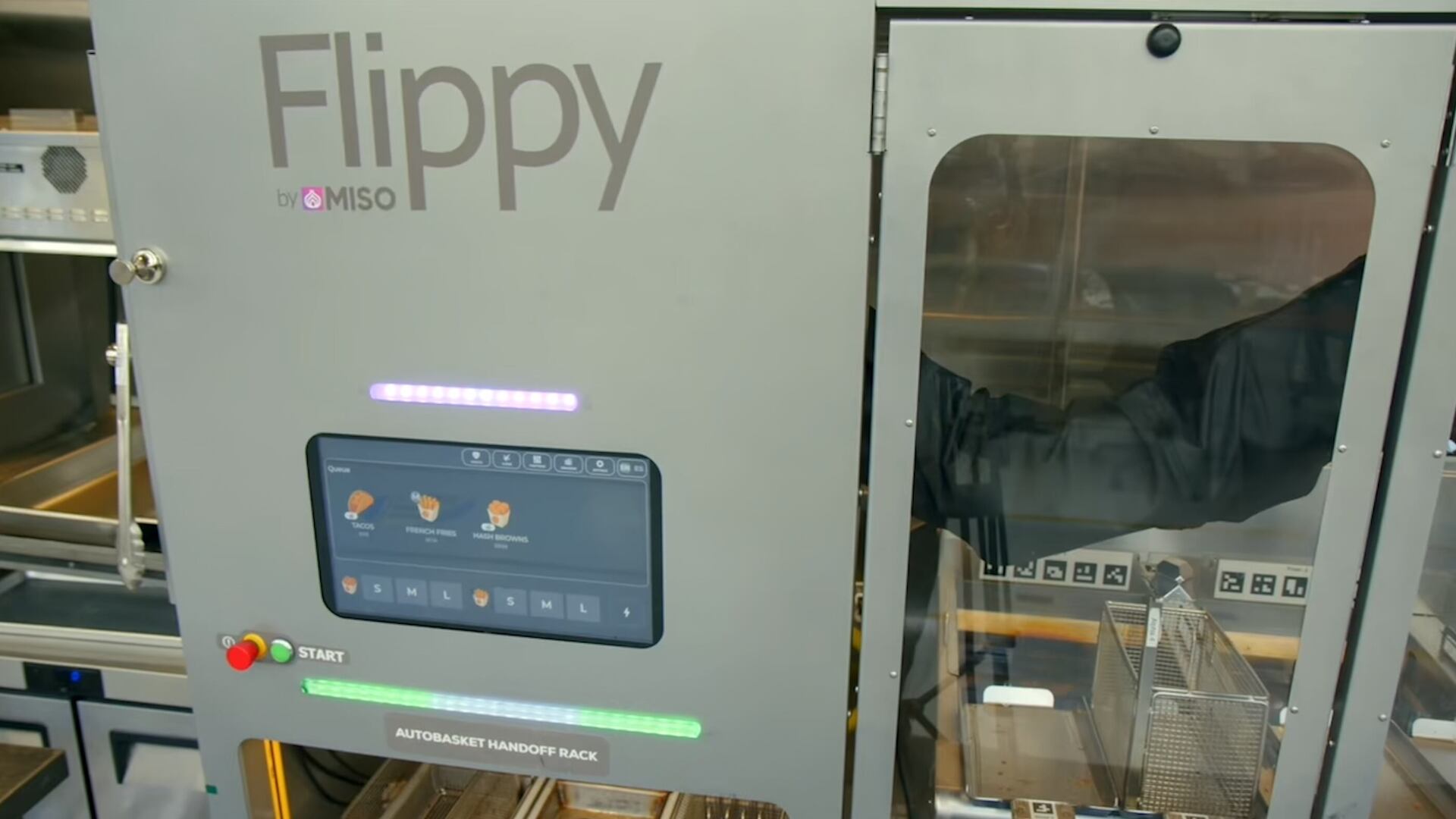
Miso Robotics CEO Rich Hull discusses Flippy Fry Station, the future of AI-powered restaurant automation and how acquiring Zume's IP could reshape food robotics
After two years of AI-fueled spending, Wall Street is asking what's next. Gil Luria breaks down monetization, valuations, winners, losers, and AI's future.