Wal-Mart announced it would raise its starting wage to $11 an hour, thanks to the newly passed tax reform. And South Korean regulators say they may ban trading in Bitcoin, sending the price of cryptocurrencies plunging.
Plus the latest from CES, as Samsung teases its new Galaxy S9 phone, and China's Huawei comes under fire from U.S. regulators.
And ICE agents raiding 7-Eleven stores around the country to crack down on illegal immigrants. That as the deadline for Congress to pass legislation protecting "Dreamers" from deportation looms large.
Americans traveled in record numbers over July 4th despite rising costs. Skift's Sarah Kopit explains what it says about consumers, airfares, and summer travel.
The U.S. economy is being held up in part by the AI boom, but that boom could still lead to broader prosperity or inequality, says a Nobel Prize winner.
Foundation Robotics co-founder Michael LeBlanc explains how humanoid robots are moving from the lab to military and industrial missions and what comes next.
Jeff Burnstein, President of the Association for Advancing Automation (A3), discusses humanoid robots, AI, smart manufacturing, and the future of U.S. industry.
Should kids be banned from social media? Nick Lichtenberg of Fortune breaks down the global push to restrict under-16 users and what it means for Big Tech.
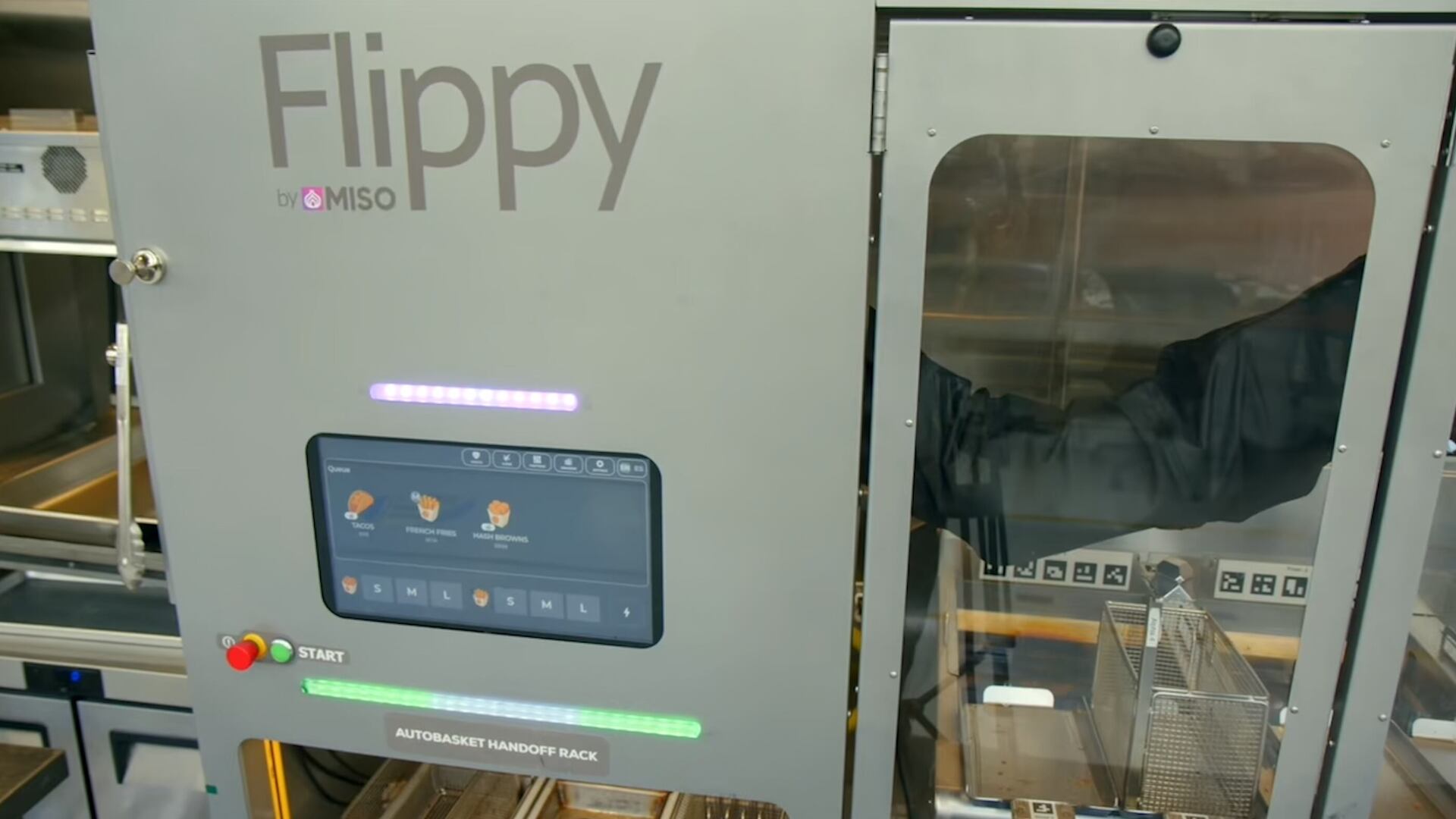
Miso Robotics CEO Rich Hull discusses Flippy Fry Station, the future of AI-powered restaurant automation and how acquiring Zume's IP could reshape food robotics
After two years of AI-fueled spending, Wall Street is asking what's next. Gil Luria breaks down monetization, valuations, winners, losers, and AI's future.