Cheddar speaks with two Congresswomen about what, if anything, will move the needle on gun reform after the Parkland school shooting. Rep. Debbie Wasserman Schultz (D-FL) says she's inspired to see so many young people speaking out about gun violence, but she's skeptical any meaningful legislation can pass under the current administration. Rep. Carolyn Maloney (D-NY) is also skeptical about the prospects of gun reform under the Trump administration, but she's doing what she can to make it happen. Immediately after the Parkland shooting, Maloney introduced a bill in Congress that would make it harder for people with mental health issues to buy guns. Maloney says the gun laws we have in place now are "so lax and so stupid."
In tech news, Apple is reportedly working on new AirPods. The new features will include an updated chip, the ability to call for Siri without touching the earphones, and improved Bluetooth connectivity. The new model is expected out later this year. And Apple is working on another AirPod update for the following year. Those AirPods will allegedly be water resistant.
Twitter alienated conservatives by accidentally freezing their accounts. On Tuesday night, the social media company quietly locked thousands of accounts in an attempt to purge suspected bots from operating on the platform. In the process, Twitter locked accounts of right-wing commentators like Richard Spencer. Angry conservatives began calling the incident "Twitter Lockout." The company defended its actions, saying "we enforce our rules without political bias."
Plus, we're joined by Olympic luger Chris Mazdzer who recently became the first American to medal in the men's singles luge event. He tells Cheddar about what was going through his head as he won the medal at the Winter Olympics. He says he is grateful to all the athletes who came before him in luging and helped paved the way for his success. After his Olympic career is over, Mazdzer says he wants to pursue a career in financial planning. This inspiration stems from seeing how much money his friends and family spent on making their Olympic dreams come true.
On this episode of Cheddar Innovates: SkilsVR CEO explains how virtual reality is being used to train frontline workers to handle difficult customers; Rubicon CEO breaks down how technology and sustainability will go hand in hand in the future; Cheddar gets a look at 'Our Infinite Universe.'
As Russian forces invade Ukraine, millions of dollars in cryptocurrency has flowed into the country to lend support. Russian citizens are also seeing the appeal after sanctions have made their traditional banks unreliable. Robbie Heeger, president and CEO of Endaoment, joins Cheddar News to discuss.
Amazon unveiled its new mobile app called Amp as a direct competitor to Clubhouse, allowing people to host live radio shows. Although it is still in beta, users can join the waitlist from the iOS store.
The war in Ukraine continues to reveal heartbreaking gut-wrenching stories. The war in itself is not only devastating but also expensive. Experts estimate that Russia is draining nearly $20 million dollars each day to continue occupying and invading Ukraine. All this could force the country to turn to cryptocurrencies. It's a major turn for the country that briefly considered outlined digital assets entirely, but it could also have serious implications for cryptos. Managing Director at Quantum Fintech Group, Harry Yeh, joined Cheddar to discuss more.
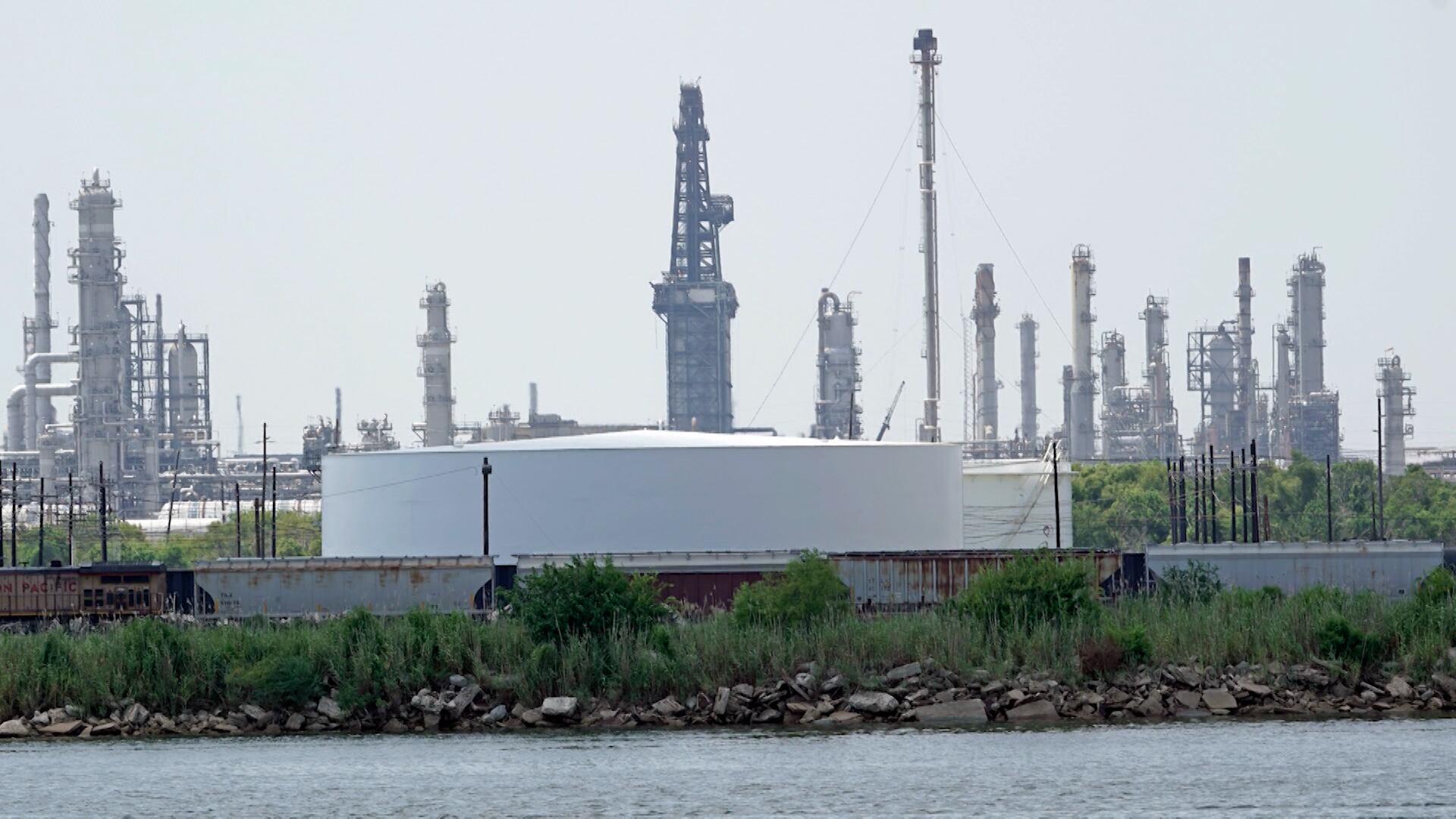
As Russia intensifies its war on Ukraine, President Biden announced a ban on oil imported from the aggressor nation. Critics of Russia have said this would be the best way to force Putin to pull back, but curbs on Russian oil exports are expected to send already skyrocketing oil and gas prices even higher, further impacting consumers, businesses, financial markets, and the global economy. Leslie Beyer, CEO of the Energy Workforce and Technology Council, joined Cheddar News' Closing Bell to discuss. "It's certainly going to increase pricing, but it is the right thing to do," she said. "The industry itself has already pulled out of the significant portion of its operations in Russia."