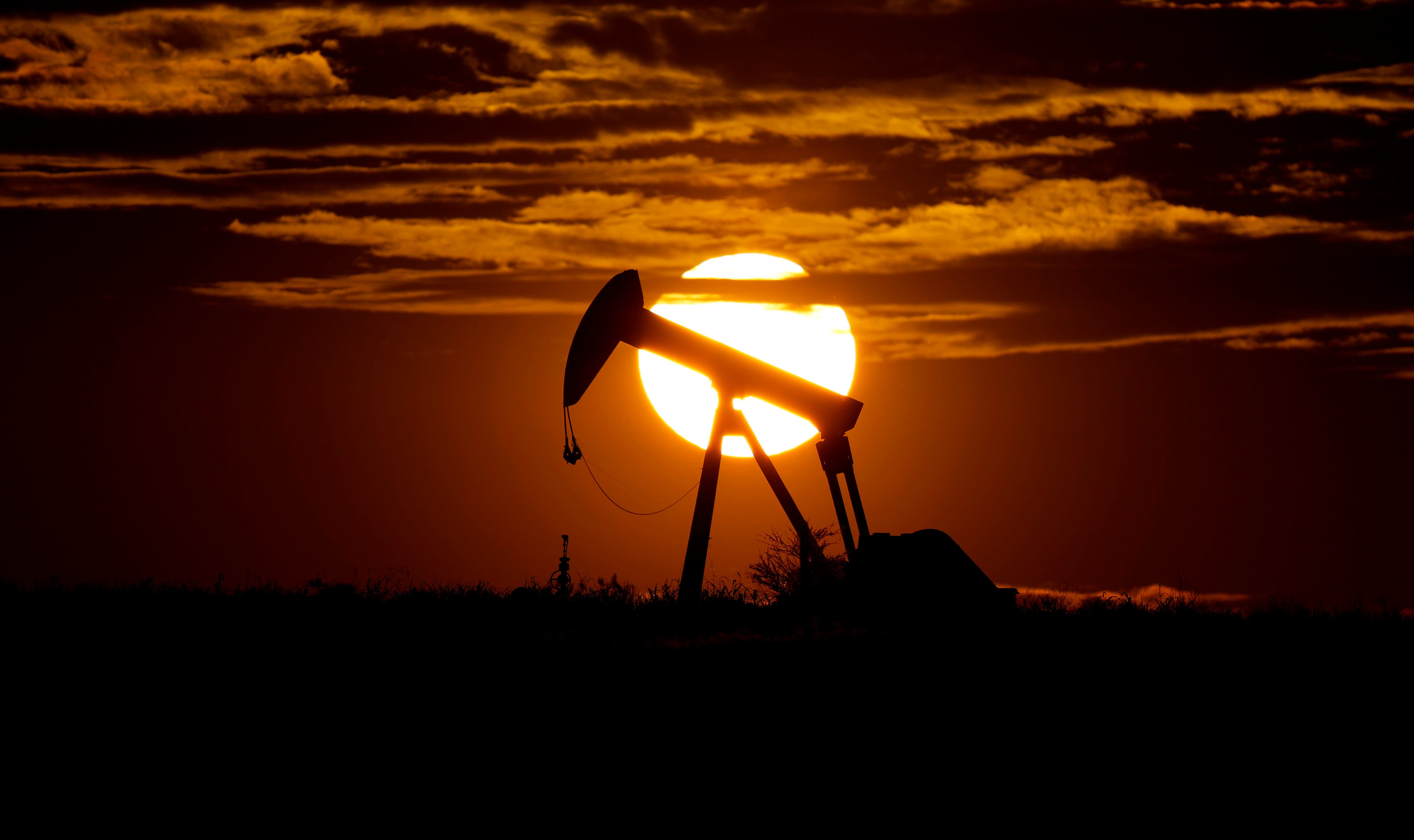
Saudi Arabia and Russia tentatively agreed to a substantial cut in oil production to shore up flagging crude prices, according to a report.
Benchmark prices jumped by as much as 12 percent on the news, which was first reported by Reuters, citing an OPEC source. Saudi Arabia and Russia, the world's No. 2 and No. 3 oil producers behind the U.S., met virtually with OPEC member nations to discuss a potential reduction.
The countries reportedly agreed to a cut of 10 million barrels per day for two months. However, the alleged scale of the cut varied widely, from as little as 2 million barrels a day to as much as 20 million barrels a day. Oil consumption has fallen by as much as 30 percent — or roughly 27 million barrels per day — as countries have instituted travel restrictions, reduced shipping, and idled factories and businesses to slow the spread of the coronavirus pandemic.
The Trump administration had hoped to help broker an agreement to cut 10 million or even 15 million barrels a day.
Saudi Arabia — OPEC's leading member — and Russia have been at odds since the Kremlin last month declined to renew a production-cut agreement with OPEC. The kingdom, in turn, lashed out at the time by slashing prices and ramping up production, which was widely seen as an effort to punish Moscow for refusing to agree to a new production deal.
Oil prices were rising ahead of the meeting Thursday morning on hopes that Saudi Arabia and Russia might agree to a cut of 10 million barrels per day. Top U.S. officials had meanwhile sought to sound optimistic about a potential drawdown.
"We’re optimistic that they’ll reach an agreement between the Saudis and Russians in an effort to stabilize the markets,” U.S. Energy Secretary Dan Brouillette on Thursday told CNBC. “I think they can easily get to 10 million, perhaps even higher, and certainly higher if you include the other nations who produce oil, nations like Canada and Brazil and others."
The remarks echoed President Trump, who last Thursday said that Saudi Arabia and Russia had agreed to cut 10 million to 15 million barrels of oil per day. Russia, however, quickly disputed the statement. Investors and analysts have also remained deeply uncertain about the prospects of a production cut agreement in light of the fallout between Riyadh and Moscow.
The deep pain from bargain-basement oil prices may be the force that pulls Russian and Saudi leaders together for a deal; both countries' governments are heavily dependent on crude oil sales to fund their budgets. However, the countries have also signaled that they would want the U.S. — the world's No. 1 oil producer — to be part of any agreement to cut production.
The low oil prices, and the resulting severe impact on the U.S. shale oil sector, has given rise to unorthodox proposals that would have been inconceivable just two months ago — Texas' oil regulator, for example, is convening a hearing next Tuesday to consider a production cut in the state. The Trump administration meanwhile has floated a potential tariff on oil imports. However, while certain quarters of the oil and gas sectors support the proposals, they are heavily opposed by the industry's largest and most influential trade groups.