By Marina Villenueve, Bernard Condon, and Matt Sedensky
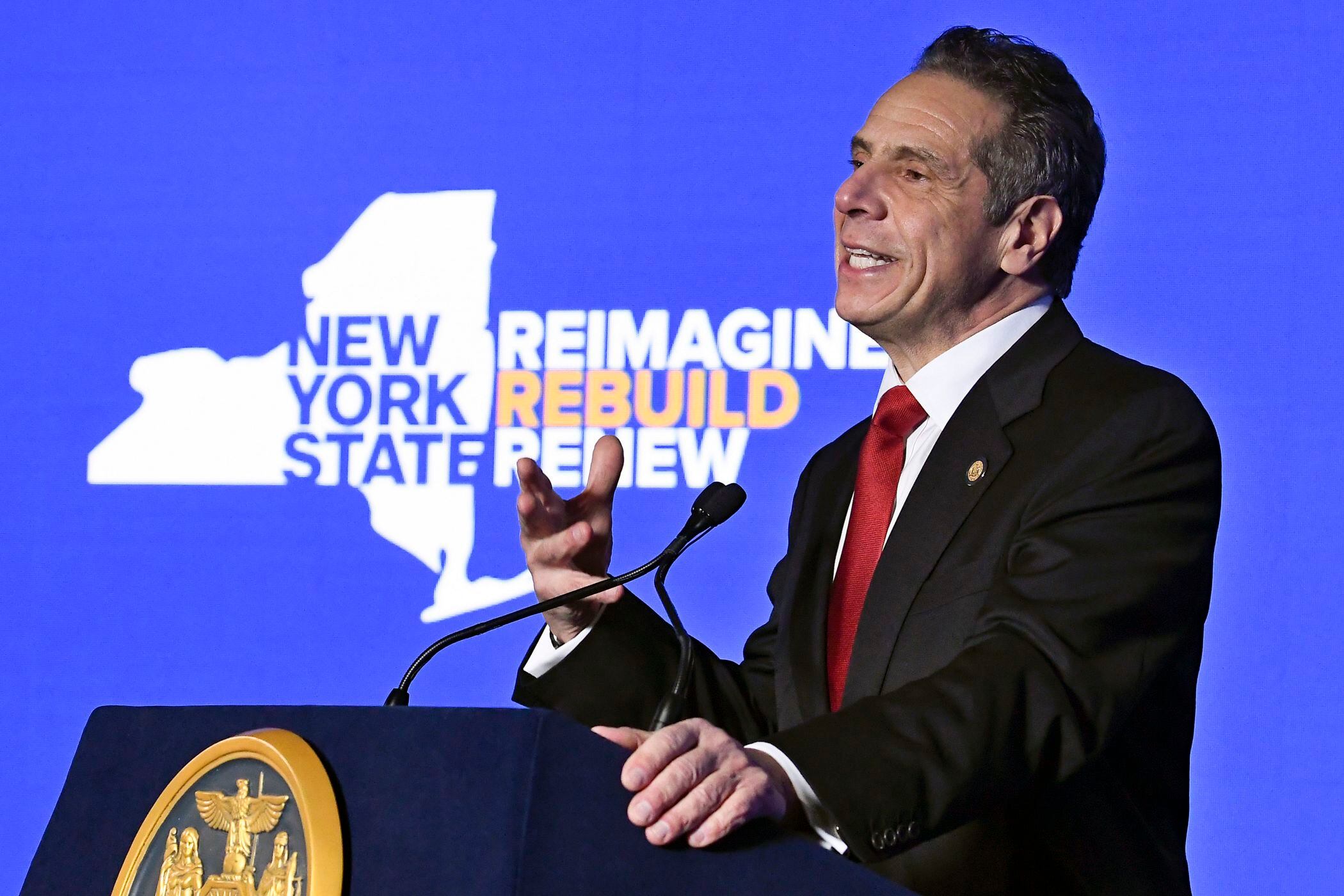
New York may have undercounted COVID-19 deaths among nursing home residents by thousands, the state attorney general charged in a report Thursday that dealt a blow to Gov. Andrew Cuomo's oft-repeated claims that his state is doing better than others in protecting its most vulnerable.
The 76-page report found an undercount of more than 50%, backing up the findings of an Associated Press investigation last year that focused on the fact that New York is one of the only states in the nation that count residents who died on nursing home property and not those who later died in hospitals.
Such an undercount would mean the state's current official tally of 8,711 nursing home deaths to the virus is actually more than 13,000, boosting New York from No. 6 to highest in the nation.
“While we cannot bring back the individuals we lost to this crisis, this report seeks to offer transparency that the public deserves,” Attorney General Letitia James said in a statement.
The report from a fellow Democratic official undercut Cuomo's frequent argument that the criticism of his handling of the virus in nursing homes was part of a political “blame game," and it was a vindication for thousands of families who believed their loved ones were being omitted from counts to advance the governor's image as a pandemic hero.
“It’s important to me that my mom was counted,” said Vivian Zayas, whose 78-year-old mother died in April after contracting COVID-19 at a nursing home in West Islip, New York. “Families like mine knew these numbers were not correct.”
Cuomo’s office and the state health department have not responded to repeated requests for comment.
James has for months been examining discrepancies between the number of deaths being reported by the state's Department of Health, and the number of deaths reported by the homes themselves.
Her investigators looked at a sample of 62 of the state’s roughly 600 nursing homes. They reported 1,914 deaths of residents from COVID-19, while the state Department of Health logged only 1,229 deaths at those same facilities. One unnamed facility, for example, had an official death toll of 11 but the attorney general's probe found that 40 had actually died.
AP's analysis in August concluded that the state could be understating deaths by as much as 65%, based on discrepancies between its totals and numbers being reported to federal regulators. That analysis was, like James’ report, based on only a slice of data, rather than a comprehensive look.
To date, despite public records requests from the AP and repeated pleas from state and federal lawmakers, New York's health department has yet to produce the full number of nursing home residents who died in hospitals as well as the nursing home property. Health Commissioner Howard Zucker has said several times that the state is working on such data.
State Sen. Gustavo Rivera, a Democrat who has blasted the Cuomo administration for its incomplete death count, said he was “sadly unsurprised” by the report.
“Families who lost loved ones deserve honest answers,” Rivera said. “For their sake, I hope that this report will help us unveil the truth and put policies in place to prevent such tragedies in the future.”
Cuomo, who last fall released a book touting his leadership in dealing with the virus, has not been shy about using New York's lower nursing home death count to make the argument that his state is doing better than others in caring for those in such facilities.
“There's also no doubt that we’re in this hyper-political environment so everybody wants to point fingers,” Cuomo told CBS “This Morning” in October. “New York, actually, we’re number 46 out of 50 in terms of percentage of deaths in nursing homes — 46 out of 50. So, yes, people died in nursing homes. ... but 46 out of 50, it’s not a predominantly New York problem.”
The attorney general’s report also took aim at New York's controversial March 25 policy that sought to create more space in hospitals by releasing recovering COVID-19 patients into nursing homes, which critics contended was a driving factor in causing nursing home outbreaks.
James’ report said those admissions “may have contributed to increased risk of nursing home resident infection and subsequent fatalities,” noting that at least 4,000 nursing home residents with COVID-19 died after that guidance. But James’ report said the issue would require further study to conclusively prove such a link.
New York’s health department released a much-criticized report last summer that claimed the March 25 policy, which was reversed in May, was “not a significant factor” in deaths.
James’ review also found that a lack of infection controls at nursing homes put residents at increased risk of harm, that homes with lower federal scores for staffing had higher fatality rates, and that a broad measure Cuomo signed in April shielding nursing homes and other health care providers from lawsuits may have actually encouraged homes to hold back on hiring and training.
“As the pandemic and our investigations continue," she wrote, “it is imperative that we understand why the residents of nursing homes in New York unnecessarily suffered at such an alarming rate.”