Senator Kirsten Gillibrand (D-New York) has been very vocal about what she thinks needs to be done to battle the economic fallout from the coronavirus crisis.
The senator told Cheddar Monday that postal banking will be able to serve more people during the pandemic, specifically low-income families, who may be unbanked.
"It was instrumental in getting us out of the Depression because post offices were able to sell bonds and it made a difference because it allowed more low-income people to have bank accounts," Gillibrand said.
The senator envisions the U.S. Postal Service re-introduce postal banking through its 30,000 locations in a return to a program that served those impacted the most during the Great Depression, a plan to save both the USPS and economically disadvantaged detailed in an op-ed for The New York Times.
On Friday, President Trump had threatened to withhold aid from the USPS if it doesn't dramatically increase its shipping prices for online retailers. Sen. Gillibrand alleged that his choice to block aid was "fundamentally" related to his resistance to mail-in voting for the November election.
"He is absolutely fighting this because he thinks he will win only if less people are able to vote, which is obviously very cynical and not what we expect from a president," she said.
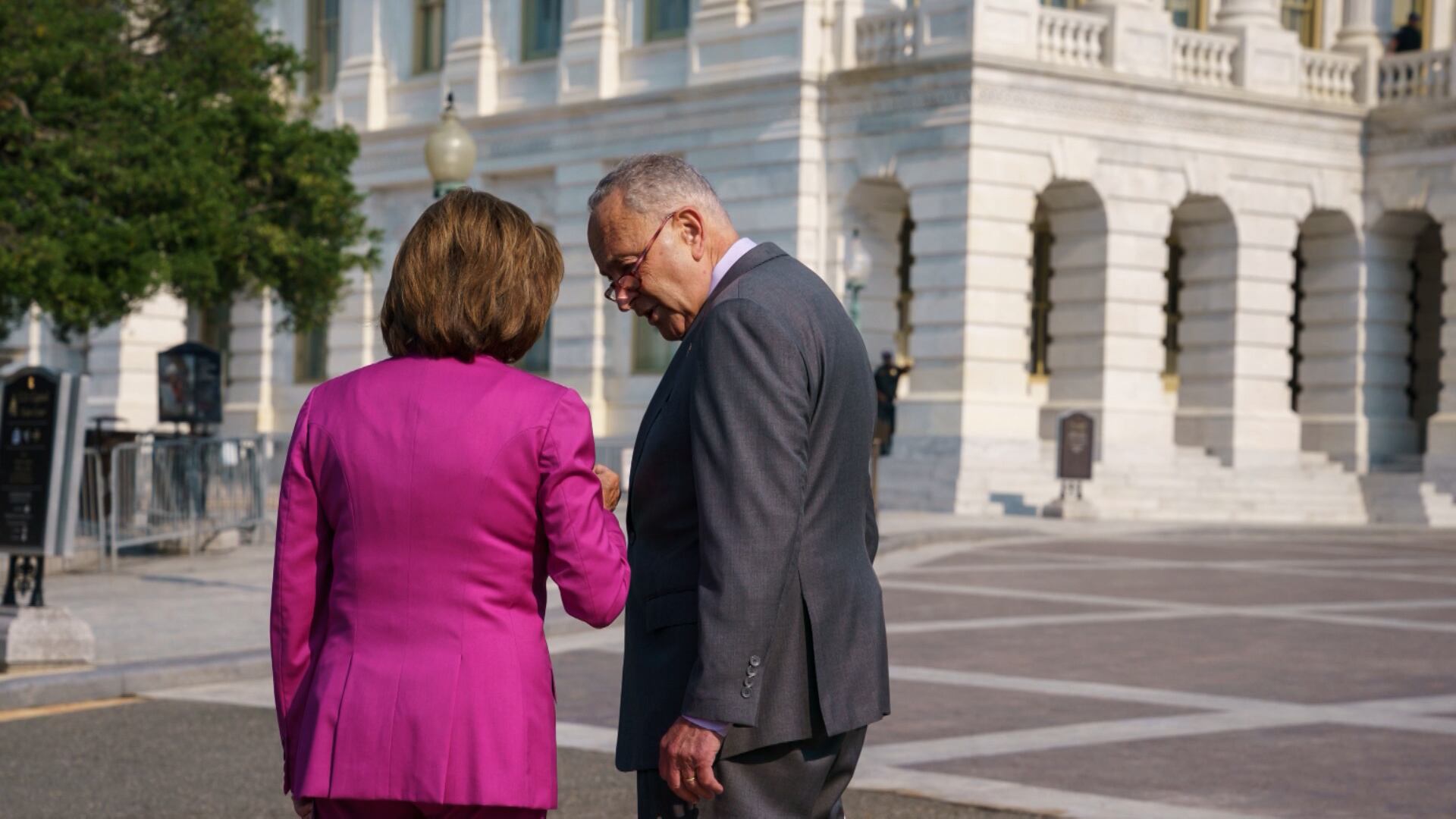
Previously, a fellow Democrat, New York Governor Cuomo, had criticized Gillibrand and Sen. Charles Schumer, also of New York, for failing to provide enough aid to struggling states like their own, but Gillibrand said they have started negotiating the COVID 4 package that will be geared toward state and local governments.
"Our goal is to allow more cities and states access to federal bailout money," she said. "Hopefully, in this next bill, which will begin in the House and Speaker Pelosi can author it, we will be able to send more money to get the states out of these terrible holes that they can't possibly get out of on their own."
The senator also has an idea for a "health force" job-training program that would put unemployed people to work in the fight against COVID-19 and allow more communities to get tested.
"We would allow for one million workers to be trained in the next two months to do this contact tracing along with testing," Gillibrand said. "We could actually be in the communities testing everyone. If we did that, that's how we can reopen society and schools in the fall."
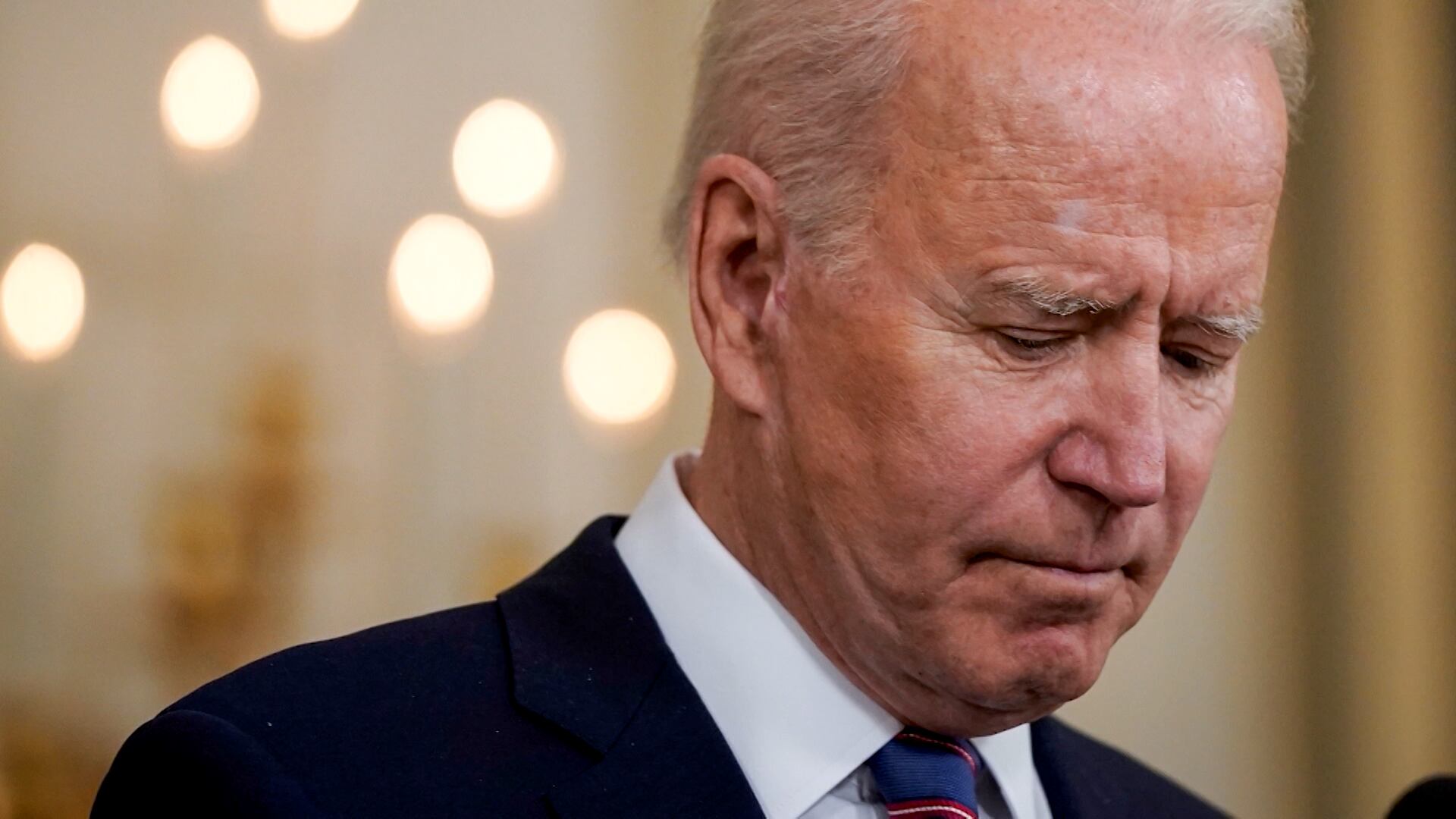
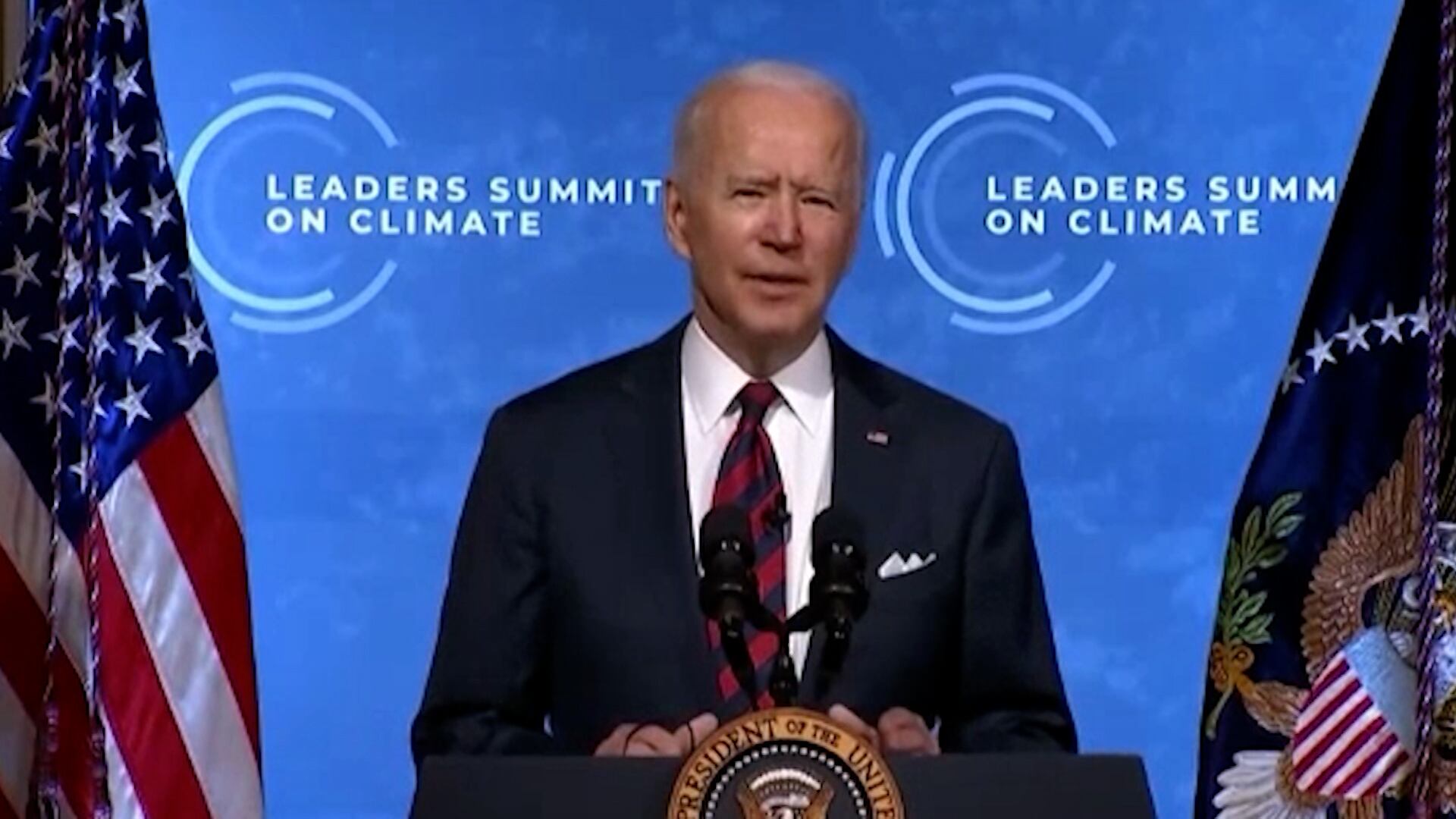
House Democrats are scrambling to hold a vote as soon as Tuesday on President Joe Biden's economic agenda — both the $1 trillion bipartisan infrastructure bill and the $1.85 trillion social safety net and climate bill. With Biden still overseas, the bill stands in flux. Jennifer Haberkorn, congressional reporter at the Los Angeles Times, joined Cheddar's "Opening Bell" to discuss.
Lauren Brody, author of "The Fifth Trimester," joined Cheddar to talk about the ongoing fight for a national paid family leave policy after it was cut from the Democratic reconciliation bill negotiation reportedly due to objections from Senator Manchin. Brody discussed how parents are often forced to choose between work and caring for their family and newborns — or even taking time to deal with a traumatic loss. "Frankly, it's appalling to me that we live in a place that doesn't support people who have experienced the death of a baby and then had to go right back to work," she noted.
Even with pandemic lockdowns, greenhouse gas levels reached new highs in 2020, according to the World Meteorological Organization. This report comes just a week ahead of the United Nations Climate Change Conference, otherwise known as Cop26. Shannon Osaka, climate policy and solutions reporter at Grist, joined Cheddar's Between Bells to discuss.
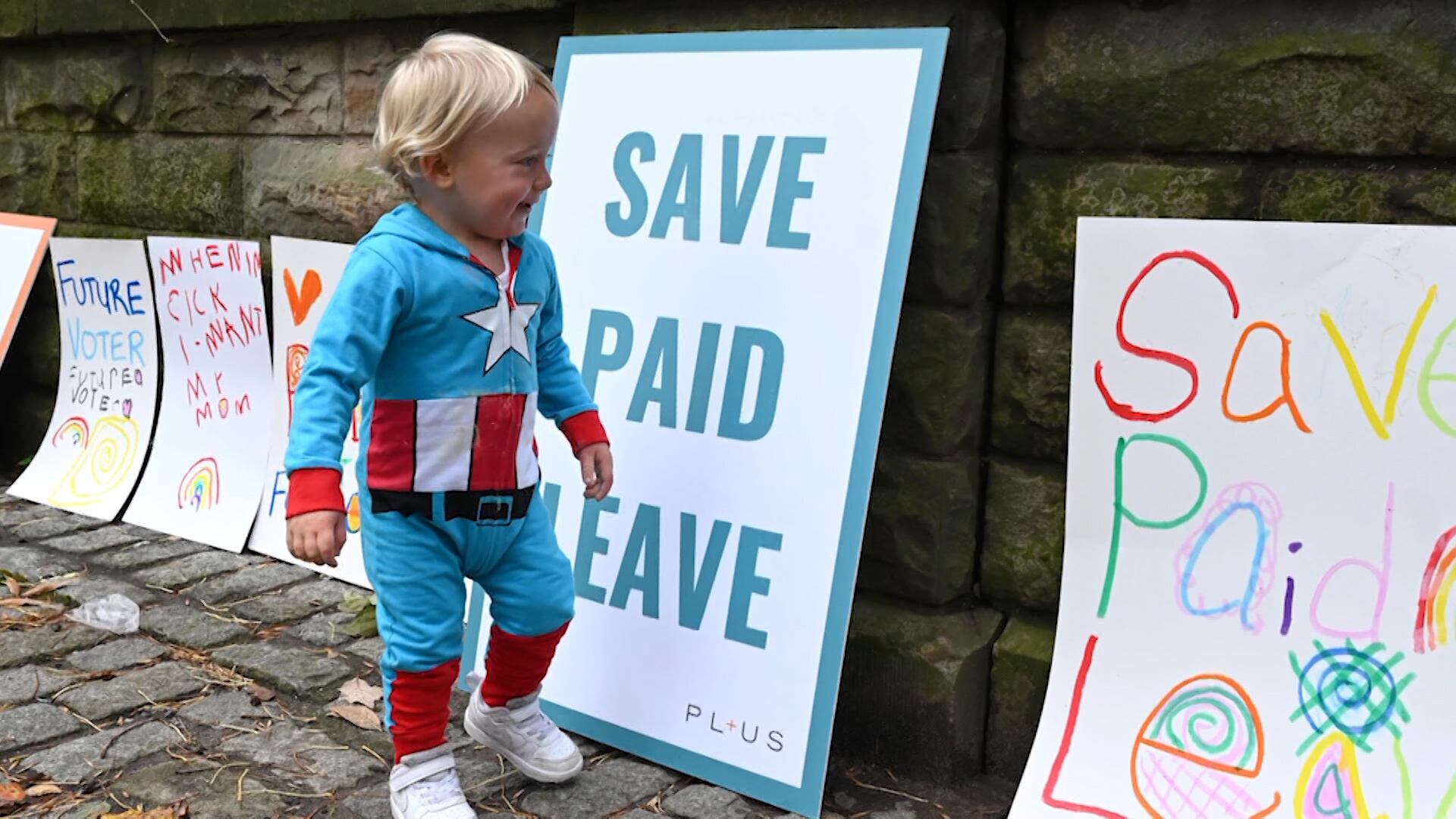
Paid family & medical leave is left out of President Joe Biden's Build Back Better domestic policy plan. Abby Vesoulis, reporter for TIME joins Cheddar News to breakdown what this means for Americans.
Carlo's flying solo today, talking COP26 and climate change, another racially charged trial gets underway, SCOTUS takes on abortion and a stunning rise in traffic deaths points to a bigger societal breakdown sparked by the pandemic.
World leaders will converge this weekend at the 2021 G20 Summit in Rome and the UN COP26 conference in Glasgow with the climate crisis on the agenda. Lord Adair Turner, chair of the Energy Transitions Commission, joined Cheddar to discuss what people can expect to come out of the climate-focused conferences. Turner also noted that one of the biggest hurdles for the attending nations will be coming to a uniform decision on expanding on the Paris Climate Accord goals that have become insufficient to prevent global warming by 1.5 degrees celsius.
Emily Tisch Sussman, senior advisor at Paid Leave US, joined Cheddar's "Between Bells" to discuss paid leave being stripped from the latest budget bill and why it is crucial for parents to have paid time off. Sussman said the pandemic, in particular, highlighted the disparity between women, who left the work force in droves to care for family, and men who continue to work and be rehired as impacted sectors of the economy return.
The Dow, S&P, and Nasdaq each ended Friday's session at a record high as stocks rallied into the green. Chris Vecchio, Senior Analyst at DailyFX, joins Cheddar News' Closing Bell, where he says this was an 'October to remember' for Wall Street.