Novo Nordisk has announced that it's cutting the price of pre-filled insulin pens and vials by up to 75 percent for people living with diabetes starting in January 2024.
"We have been working to develop a sustainable path forward that balances patient affordability, market dynamics, and evolving policy changes," said Steve Albers, senior vice president of market access and public affairs at Novo Nordisk, Inc. "Novo Nordisk remains committed to ensuring patients living with diabetes can afford our insulins, a responsibility we take seriously."
Earlier this month, rival drugmaker Eli Lilly announced plans to reduce insulin prices by 70 percent and cap patient out-of-pocket costs for insulin at $35 per month.
The Biden administration has put public pressure on drugmakers to make medically necessary insulins more affordable. Novo Nordisk notably did not put a cap on out-of-pocket expenses.
Novo Nordisk will lower the price for four different brands, including NovoLog® and NovoLog® Mix 70/30 by 75 percent and Novolin® and Levemir® by 65 percent.
Eliott Wellenbach, vice president and institutional ETF strategist with Direxion, joined Cheddar News to explain how investors are bracing for interest rate hikes after last week's inflation report and ahead of the Fed's upcoming meeting. Wellenbach also discussed how traders are taking advantage of volatility as earnings season continues and amid geopolitical conflicts.
One of the most difficult parts of a job search is writing resumes. Cheddar News' docuseries Ready 4 Work explores the pitfalls of that and helps job seekers stand out from all those other applicants.
They are playfully called the “forgotten five”: A handful of toys — the pogo stick, the Fisher-Price Corn Popper, My Little Pony, PEZ dispensers, and Transformers — that regularly approach toybox royalty as finalists for the National Toy Hall of Fame, only to be tossed back on the pile.
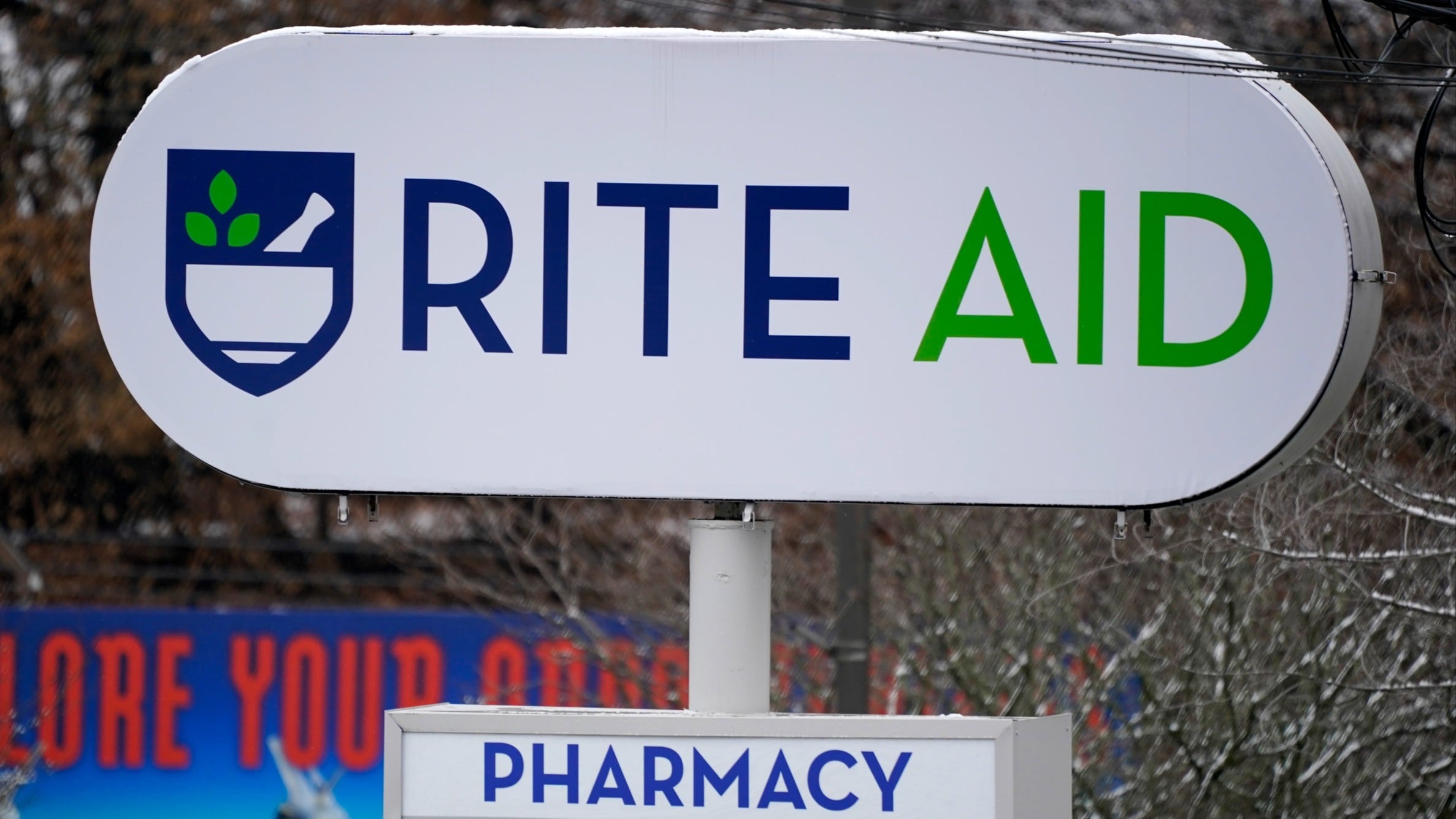
Rite Aid’s plan to close more stores as part of its bankruptcy process could hurt access to medicine and care, particularly in some majority Black and Hispanic neighborhoods and in rural areas, experts say.