Not All Anger is Created Equal, Says Feminist Author Rebecca Traister
*By Conor White*
Women on both sides of the aisle may be enraged, but that anger is still sharply divided. Women are running for office in record numbers this year ー yet the outcome hasn't been the same for Republicans and Democrats, said author and political columnist Rebecca Traister.
"Numbers of women running for Republican seats also went up ー\[but\] they didn't win their primaries at the rate that women and people of color on the Democratic side did," Traister said Tuesday in an interview on Cheddar.
"Anger is very combustible force, it can kick political and social movements off the ground, but it can also blow up between allies," she said.
Party aside, the numbers are still striking.
476 women ran in Democratic and Republican primaries for Congress, and there are still 323 races in which at least one woman is running.
To Traister, the numbers are "unprecedented," but women's impulse to change their government has a historical basis.
"Women are activated as door knockers, registering voters, volunteers with campaigns, and again as candidates in ways that are pretty unprecedented in recent decades," Traister said.
But, she added, social movements "often started with women who were angry about injustice at the beginning and wanted to change something."
Traister has called women's anger both "catalytic and "problematic," but she said it's "mostly potent from a political perspective" as the midterms loom.
In the last month, women on the right have raised the decibel on their political voices, especially during Brett Kavanaugh's divisive Supreme Court confirmation hearings.
Even in the face of Christine Blasey Ford's dramatic testimony, many Republican women believed the sexual assault allegations against the now-Justice were part of a political hit job ー and many among them expressed concerned that their husband or son could fall prey to similar and potentially unfounded claims.
"That was an instance of white conservative women's anger being used by the right to send a particular message to the electorate," Traister said of the conservative response to the hearings.
Traister, a National Magazine Award-winner, is the author of the new book "Good and Mad: The Revolutionary Power of Women's Anger," which examines progressive movements throughout history, from the abolition of slavery to women's suffrage, that started with women getting mad.
The upcoming elections, at whatever level of government, are no different.
"Many of those candidacies started in the anger of post-Trump," Traister said.
"Women were so angry at Trump's presidential win that they were like, 'I'm going to go run for office,'" she said.
"Good and Mad: The Revolutionary Power of Women's Anger" is on sale now.
For full interview [click here](https://cheddar.com/videos/the-power-of-womens-anger).
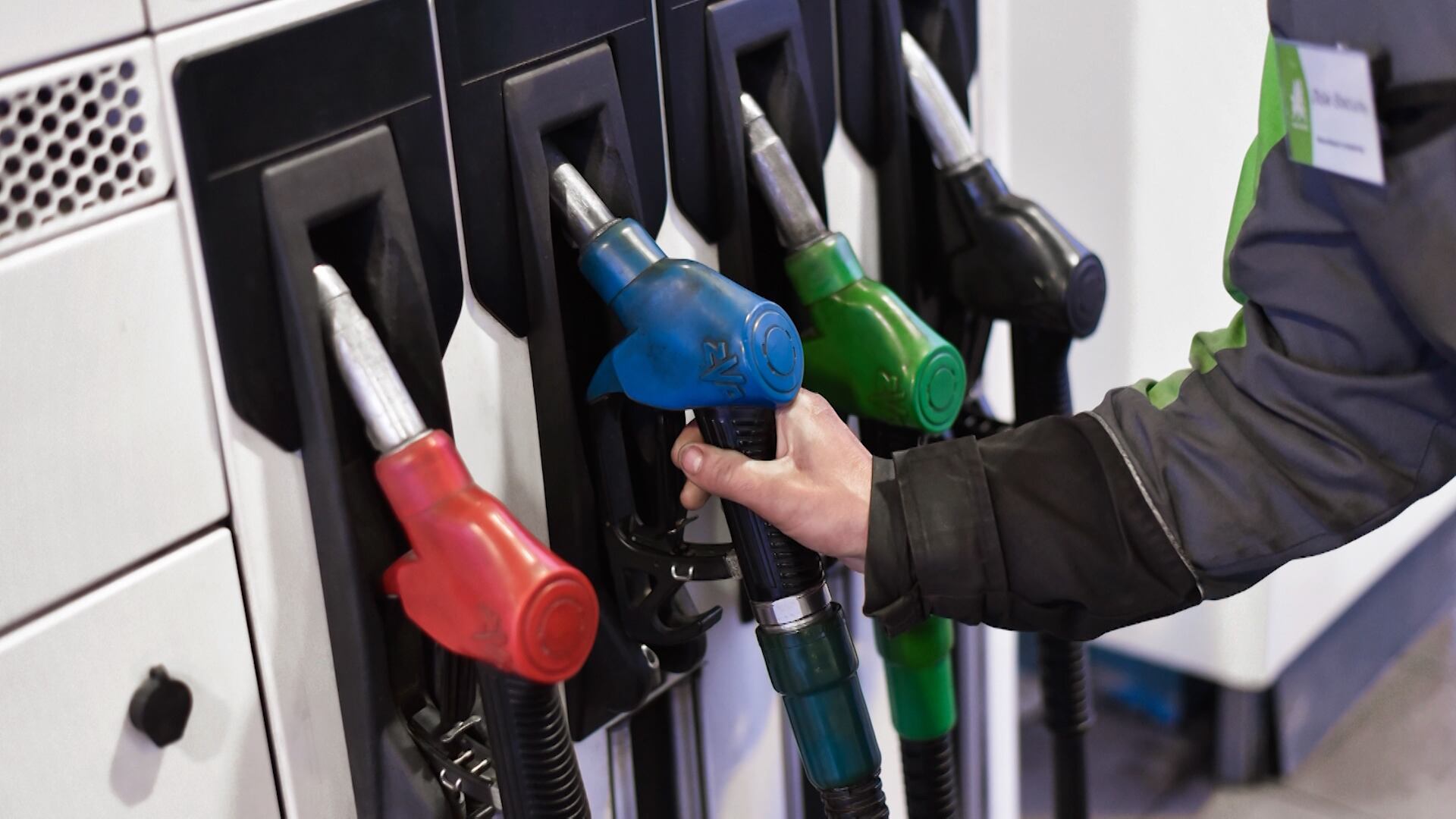
Prices at the pump have escalated severely during the Russian invasion of Ukraine. Paul Christopher, head of global market strategy, Wells Fargo Investment Institute, joined Cheddar News to explain how he sees the gas prices continuing to spiral despite the International Energy Agency announcing the release of 60 million barrels of oil from the strategic reserves of 31 countries. "We think you could see oil and gas prices continue to rise. Oil prices maybe could hit $140 a barrel. That's possible. And that would add another 50-60 cents on top of the gasoline prices you already have," he said.
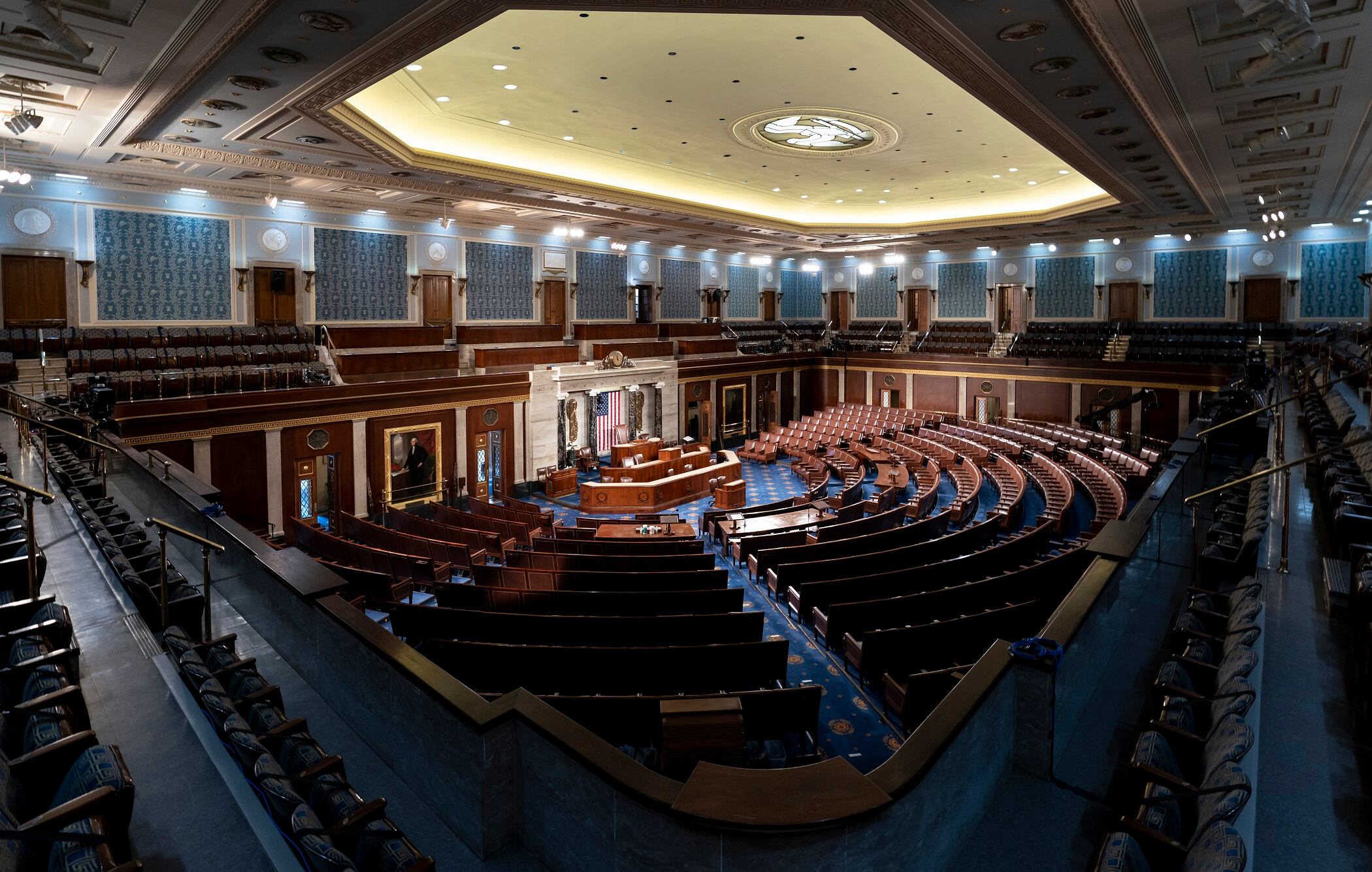
President Joe Biden is set to give his first State of the Union address amid both international and domestic crises: the Russia-Ukraine conflict and continued rising inflation and economic worries at home. He's expected to focus on a four-point plan to reduce everyday costs, and promote economic competition, among other key tenets. But will it be enough to persuade Americans that his administration will be able to get rising prices and foreign policy moves under control? Eugene Scott, national politics reporter at The Washington Post, joins Closing Bell to discuss Biden's expected focus, how he will aim to ease Americans' concerns, and more.
Dr. Daniel Bober, psychiatrist and certified addiction medicine physician, joins Cheddar News to offer tips on how parents and guardians can talk to their children about what's happening in Ukraine.
While crypto exchanges have been used to aid Ukraine amid the Russian invasion, critics point to possible sanction evasion on the Russian side using the same technology. Cheddar's Alex Vuocolo takes a closer look.
Airbnb.org has announced that it will provide up to 100,000 Ukrainian refugees with free housing. Airbnb.org is the philanthropic branch of Airbnb that provides free housing for those affected by disasters. Joe Gebbia, co-founder and chairman of Airbnb.org, joined Cheddar News to talk about how the company has helped thousands find shelter in times of crisis. "A lot of people are saying this conflict is likely to be the largest humanitarian crisis since World War II, and I believe Airbnb believes that companies have a responsibility to step up and to help out in times like these," he said.
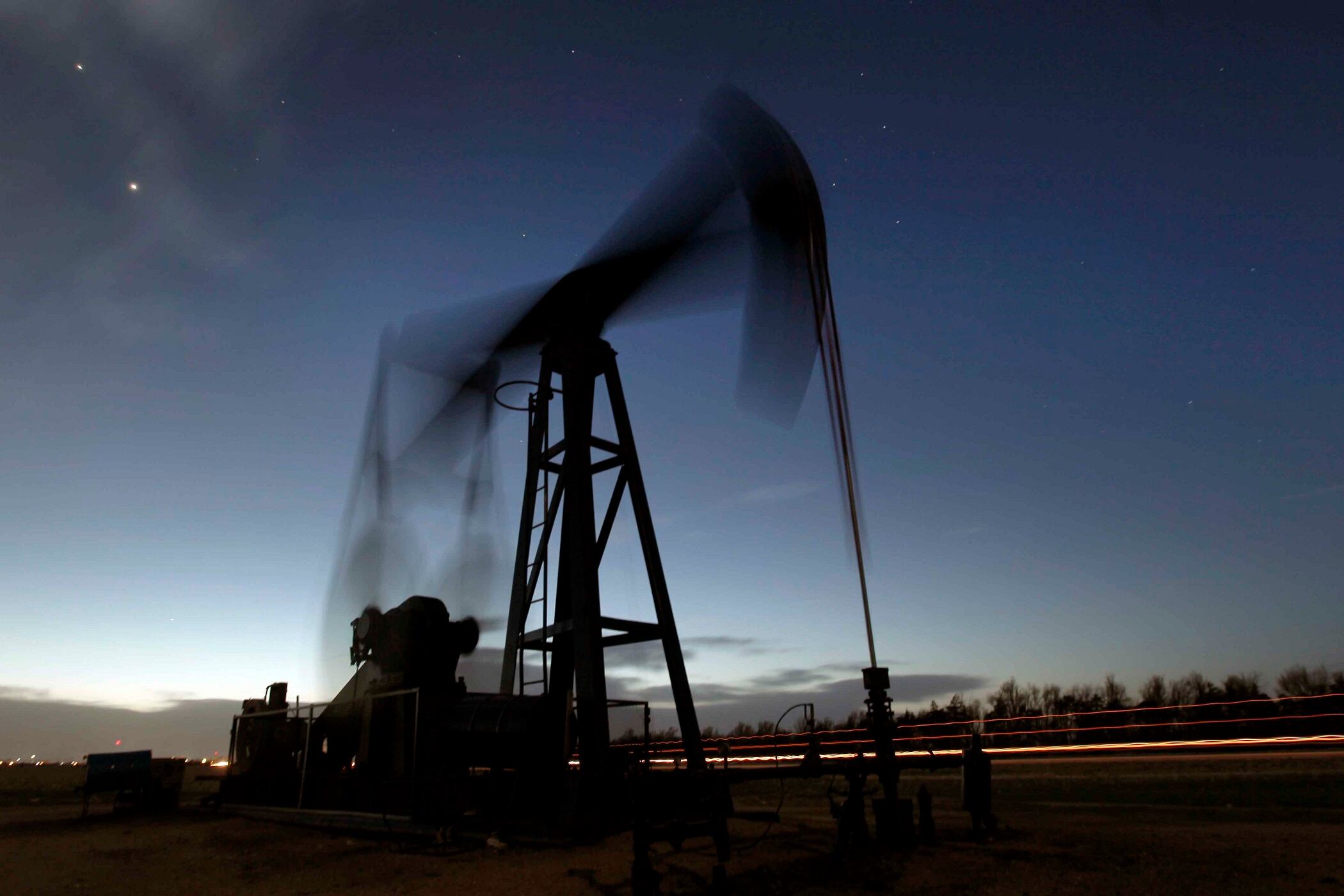
The International Energy Agency’s 31 member countries have agreed to release 60 million barrels of oil from their strategic reserves “to send a strong message to oil markets” that supplies won’t fall short after the Russian invasion of Ukraine.
Every ten years, there’s a census. That decennial count is long and tedious and arduous…and important. Because it confirms who lives where so the Federal Government properly allocates resources, so services go to the places that need them most and - yes - so states gain or lose seats in congress and have the opportunity to redraw all their state and Congressional lines.
That means, every 10 years, states start what has famously been one of the most partisan and divisive processes in politics. Because one strategic line can mean the difference in party control in not just the state legislatures but also in congress.
Cheddar explains how gerrymandering works and why it exists.
The COVID-19 pandemic disrupted blood donations leading to severe shortages throughout the country. Chloe Aiello reports on the desperate need for new donors.
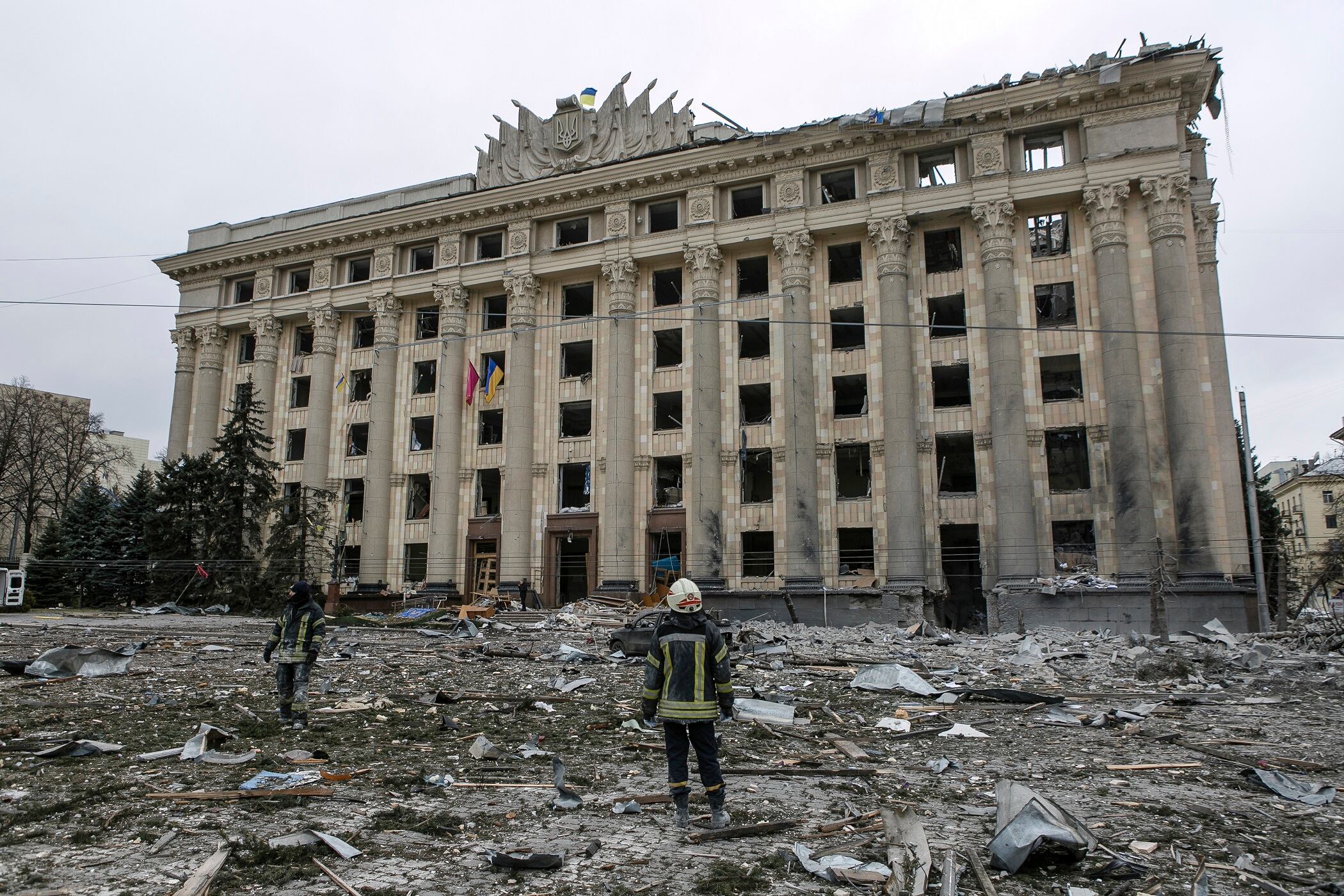
Russian forces escalated their attacks on populated urban areas Tuesday, bombarding the central square in Ukraine’s second-largest city and Kyiv’s main TV tower.