Not All Anger is Created Equal, Says Feminist Author Rebecca Traister
*By Conor White*
Women on both sides of the aisle may be enraged, but that anger is still sharply divided. Women are running for office in record numbers this year ー yet the outcome hasn't been the same for Republicans and Democrats, said author and political columnist Rebecca Traister.
"Numbers of women running for Republican seats also went up ー\[but\] they didn't win their primaries at the rate that women and people of color on the Democratic side did," Traister said Tuesday in an interview on Cheddar.
"Anger is very combustible force, it can kick political and social movements off the ground, but it can also blow up between allies," she said.
Party aside, the numbers are still striking.
476 women ran in Democratic and Republican primaries for Congress, and there are still 323 races in which at least one woman is running.
To Traister, the numbers are "unprecedented," but women's impulse to change their government has a historical basis.
"Women are activated as door knockers, registering voters, volunteers with campaigns, and again as candidates in ways that are pretty unprecedented in recent decades," Traister said.
But, she added, social movements "often started with women who were angry about injustice at the beginning and wanted to change something."
Traister has called women's anger both "catalytic and "problematic," but she said it's "mostly potent from a political perspective" as the midterms loom.
In the last month, women on the right have raised the decibel on their political voices, especially during Brett Kavanaugh's divisive Supreme Court confirmation hearings.
Even in the face of Christine Blasey Ford's dramatic testimony, many Republican women believed the sexual assault allegations against the now-Justice were part of a political hit job ー and many among them expressed concerned that their husband or son could fall prey to similar and potentially unfounded claims.
"That was an instance of white conservative women's anger being used by the right to send a particular message to the electorate," Traister said of the conservative response to the hearings.
Traister, a National Magazine Award-winner, is the author of the new book "Good and Mad: The Revolutionary Power of Women's Anger," which examines progressive movements throughout history, from the abolition of slavery to women's suffrage, that started with women getting mad.
The upcoming elections, at whatever level of government, are no different.
"Many of those candidacies started in the anger of post-Trump," Traister said.
"Women were so angry at Trump's presidential win that they were like, 'I'm going to go run for office,'" she said.
"Good and Mad: The Revolutionary Power of Women's Anger" is on sale now.
For full interview [click here](https://cheddar.com/videos/the-power-of-womens-anger).
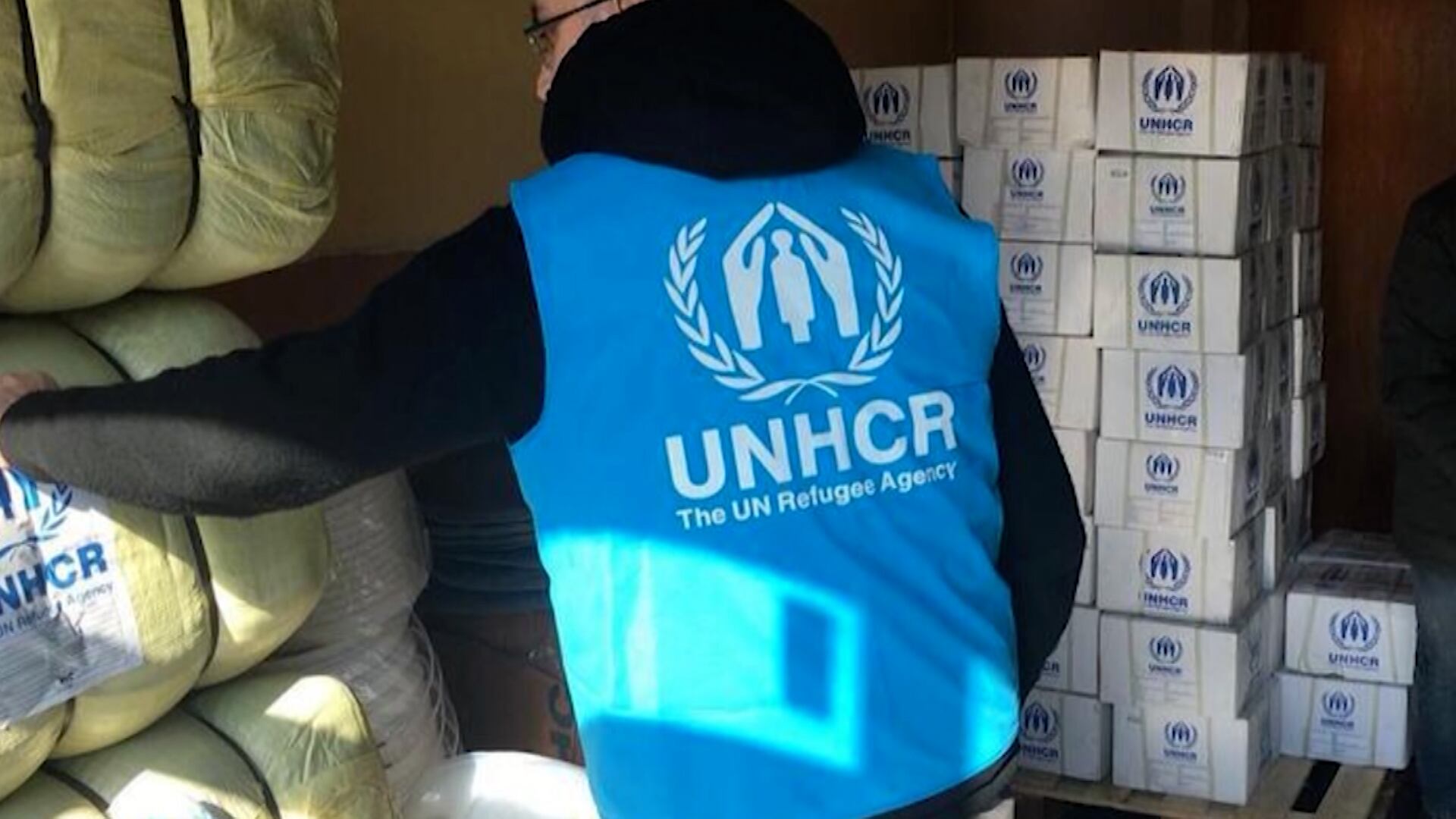
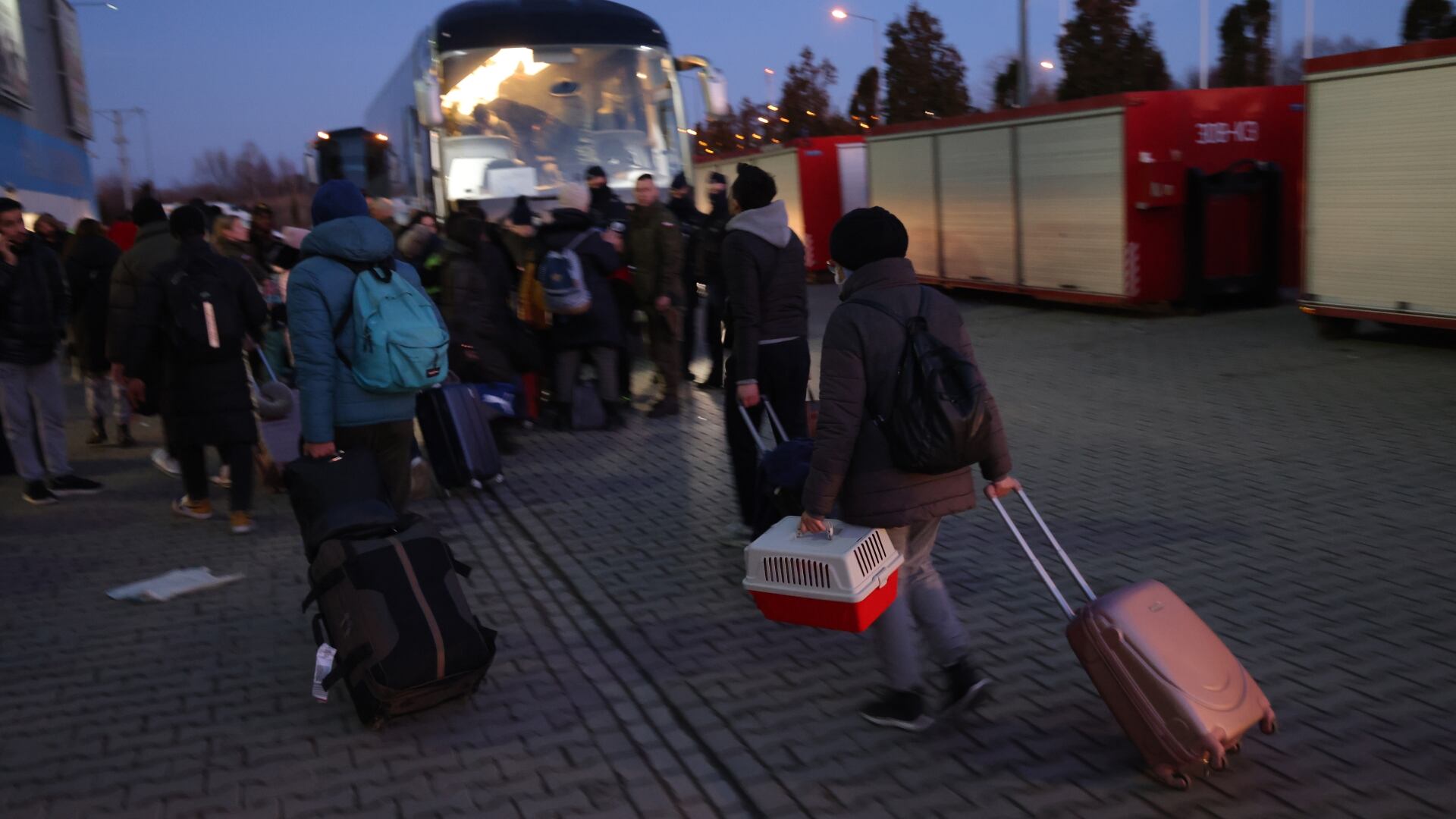
The United Nations High Commissioner for Refugees (UNHCR) has reported that an estimated one million people have fled from Ukraine since Russia invaded. Christopher Boian, senior communications officer at UNHCR, joined Cheddar News to report on the current refugee crisis and what the world might expect if conditions continue to worsen. "We have planning figures that forecast as many as four million people could be forced to flee Ukraine," he said. "But that very much depends on how the conflict underway in that country at the moment unfolds in the days and possibly weeks ahead."
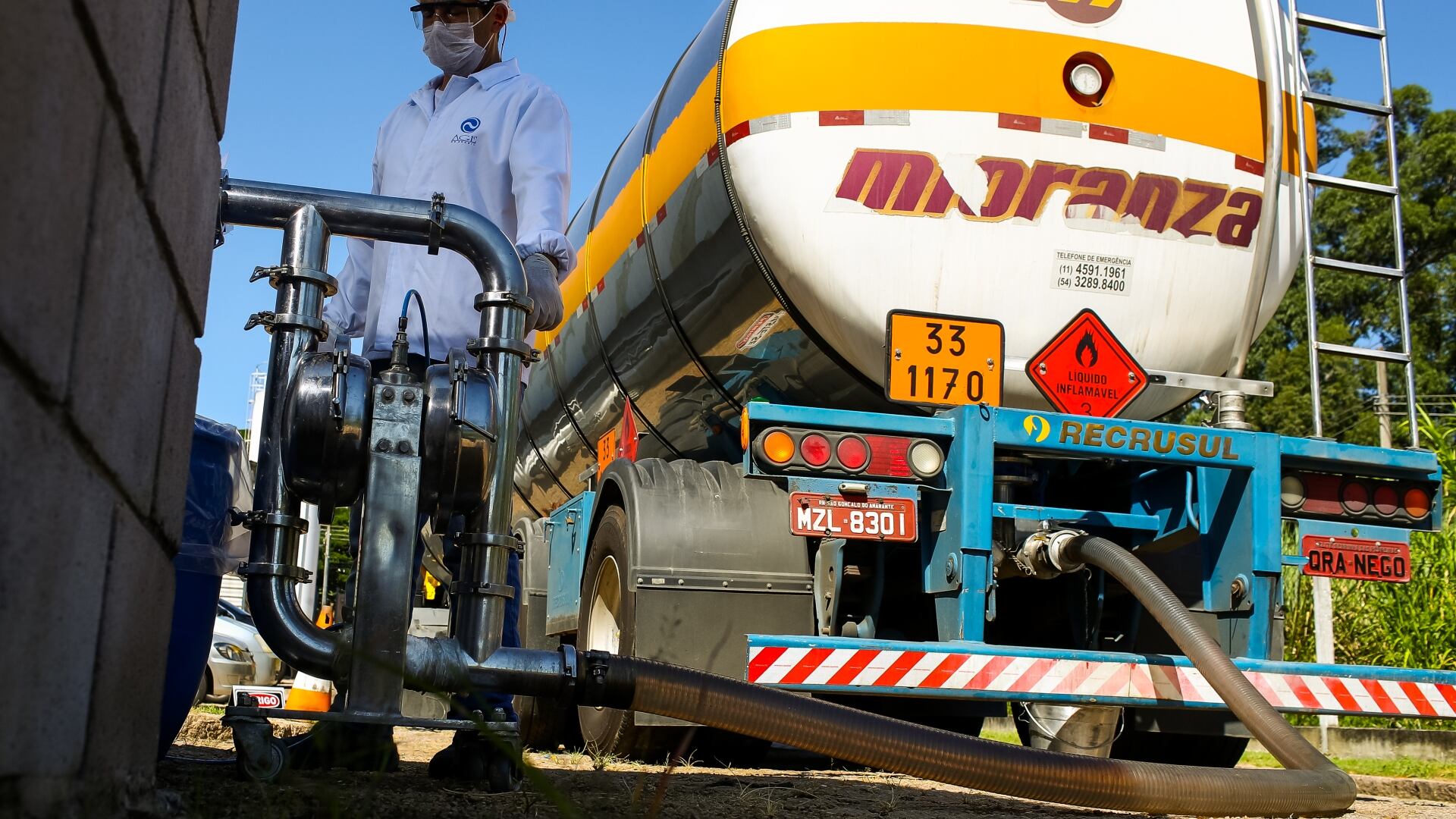
Under the U.S. Renewable Fuel Standard (RFS), corn-based ethanol has been mixed into gasoline sold at pumps in the U.S. since 2005, when a policy was enacted aimed at reducing emissions. Corn-based ethanol had been thought to be a relatively greener energy source compared to other biofuels, but now, a new study published in the Proceedings of the National Academy of Sciences reports it may be actually worse for the climate than straight gasoline. Tyler Lark, an assistant scientist at the University of Wisconsin-Madison's Center for Sustainability, joined Cheddar News' Closing Bell and discussed the pushback against the study. "Essentially when you need to produce more corn to meet the demand for use as ethanol as fuel, farmers respond and they switch more crops like soybeans and wheat into corn," Lark said. "They also bring more land into production, so things that used to be pasture grassland, and both those activities are associated with increased greenhouse gas emissions."
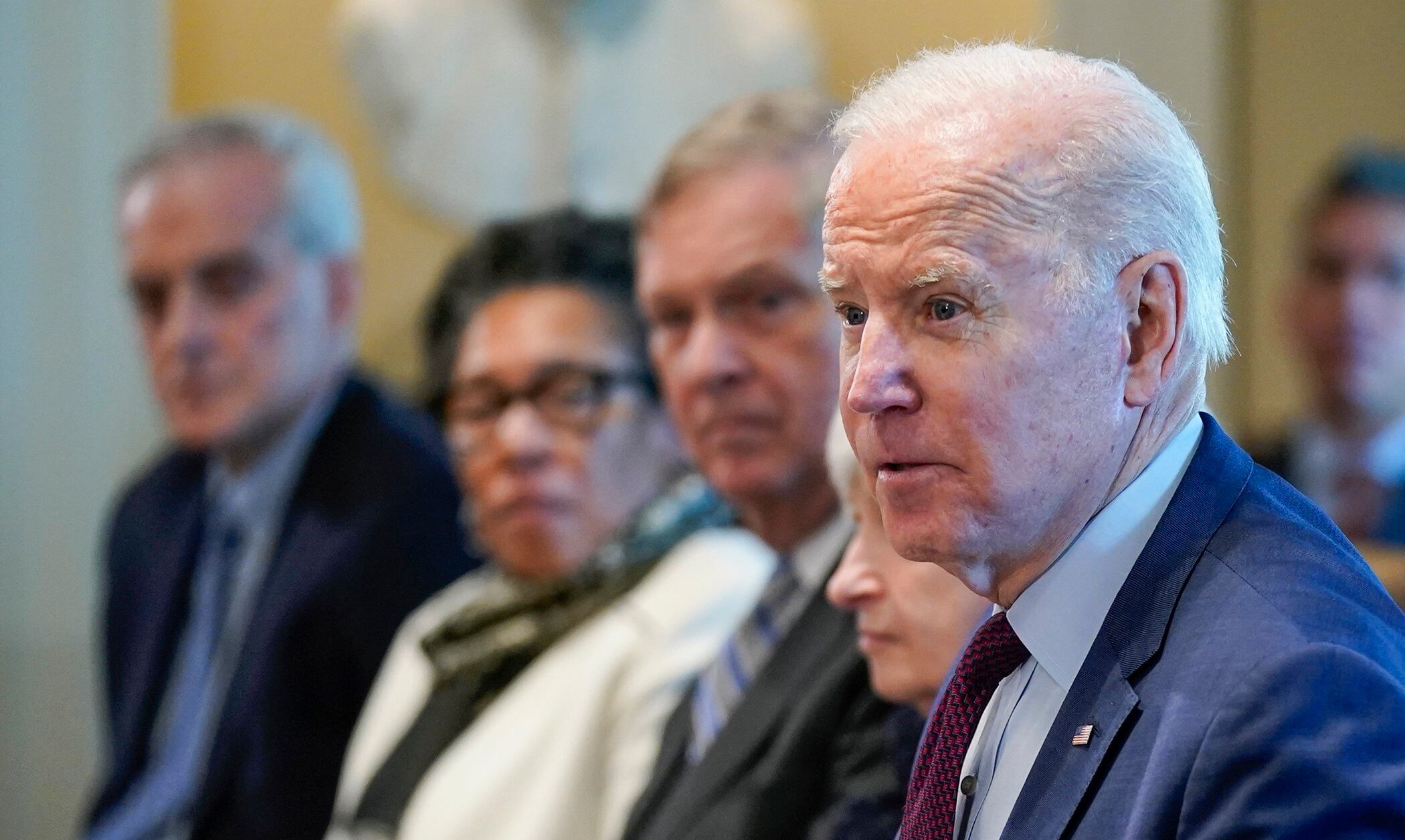
U.S. President Joe Biden’s administration on Thursday announced new sanctions against Russian oligarchs and others in President Vladimir Putin’s inner circle.
Christian Blauvelt, executive managing editor at IndieWire, joins Cheddar News to discuss the growing number of studios pulling content from Russia over Ukraine invasion.
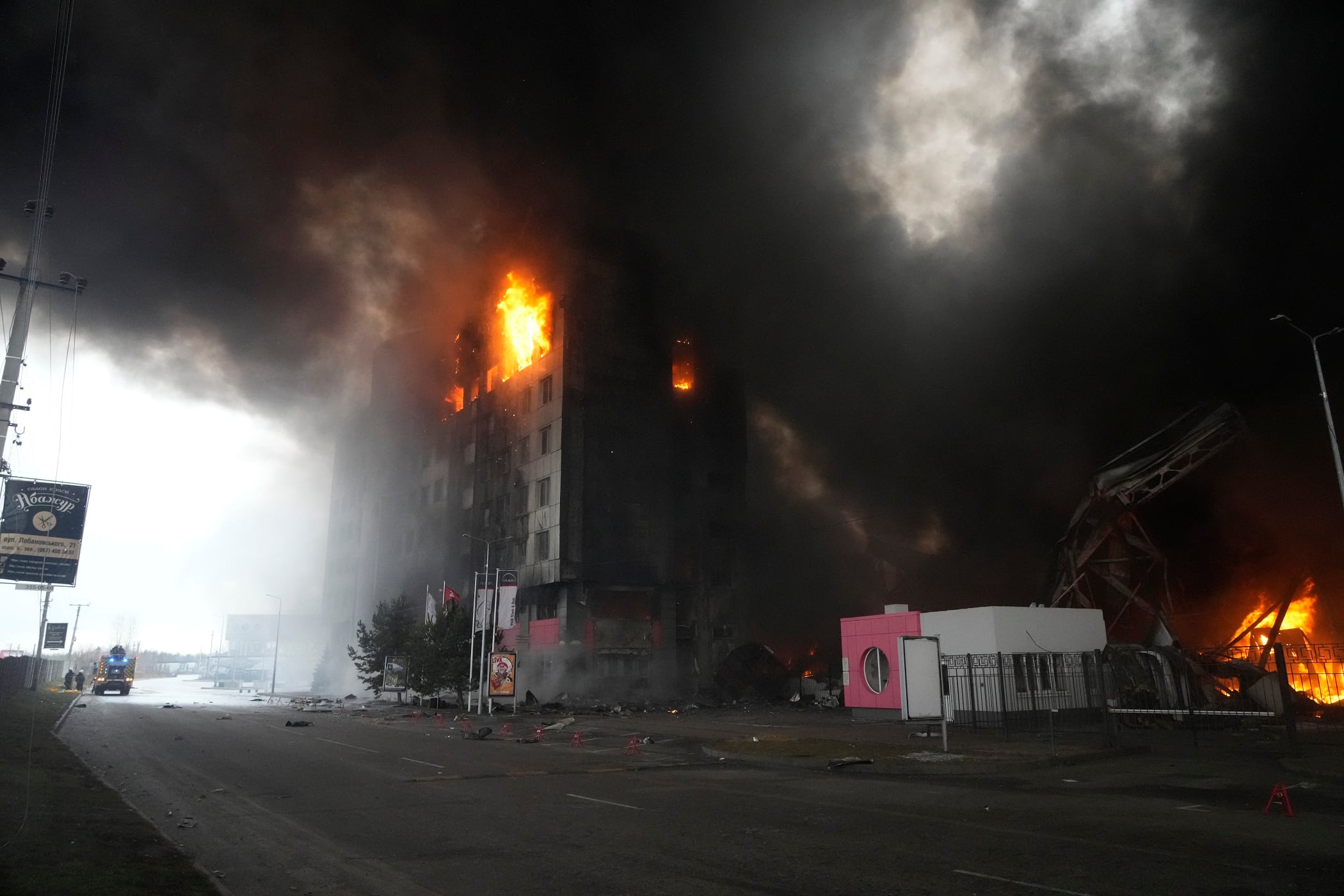
Russian forces are battling for control of a crucial energy-producing city in Ukraine’s south and gaining ground in their bid to cut off the country from the sea.
In the past few years, Betthany Frankel has made a major name for herself as a philanthropist after founding the
BStrong initiative, which has provided relief to people impacted by natural disasters as well as the COVID-19 pandemic. Now, BStrong is shifting its focus to Ukraine, raising millions of dollars in donations for those impacted by Russia's invasion. Bethenny Frankel, the founder of BStrong, joins Cheddar News' Closing Bell to discuss.
Bryan Lee, Chief Investment Officer at Blue Zone Wealth Advisors, joins Cheddar News' Closing Bell, where he elaborates on the volatility we've seen in the markets this week fueled by rising oil prices and the ongoing Russian invasion of Ukraine.
Francesca Chambers, White House correspondent for McClatchy, joins Cheddar News to discuss all the topics President Biden has to juggle in his State of the Union address.