Not All Anger is Created Equal, Says Feminist Author Rebecca Traister
*By Conor White*
Women on both sides of the aisle may be enraged, but that anger is still sharply divided. Women are running for office in record numbers this year ー yet the outcome hasn't been the same for Republicans and Democrats, said author and political columnist Rebecca Traister.
"Numbers of women running for Republican seats also went up ー\[but\] they didn't win their primaries at the rate that women and people of color on the Democratic side did," Traister said Tuesday in an interview on Cheddar.
"Anger is very combustible force, it can kick political and social movements off the ground, but it can also blow up between allies," she said.
Party aside, the numbers are still striking.
476 women ran in Democratic and Republican primaries for Congress, and there are still 323 races in which at least one woman is running.
To Traister, the numbers are "unprecedented," but women's impulse to change their government has a historical basis.
"Women are activated as door knockers, registering voters, volunteers with campaigns, and again as candidates in ways that are pretty unprecedented in recent decades," Traister said.
But, she added, social movements "often started with women who were angry about injustice at the beginning and wanted to change something."
Traister has called women's anger both "catalytic and "problematic," but she said it's "mostly potent from a political perspective" as the midterms loom.
In the last month, women on the right have raised the decibel on their political voices, especially during Brett Kavanaugh's divisive Supreme Court confirmation hearings.
Even in the face of Christine Blasey Ford's dramatic testimony, many Republican women believed the sexual assault allegations against the now-Justice were part of a political hit job ー and many among them expressed concerned that their husband or son could fall prey to similar and potentially unfounded claims.
"That was an instance of white conservative women's anger being used by the right to send a particular message to the electorate," Traister said of the conservative response to the hearings.
Traister, a National Magazine Award-winner, is the author of the new book "Good and Mad: The Revolutionary Power of Women's Anger," which examines progressive movements throughout history, from the abolition of slavery to women's suffrage, that started with women getting mad.
The upcoming elections, at whatever level of government, are no different.
"Many of those candidacies started in the anger of post-Trump," Traister said.
"Women were so angry at Trump's presidential win that they were like, 'I'm going to go run for office,'" she said.
"Good and Mad: The Revolutionary Power of Women's Anger" is on sale now.
For full interview [click here](https://cheddar.com/videos/the-power-of-womens-anger).
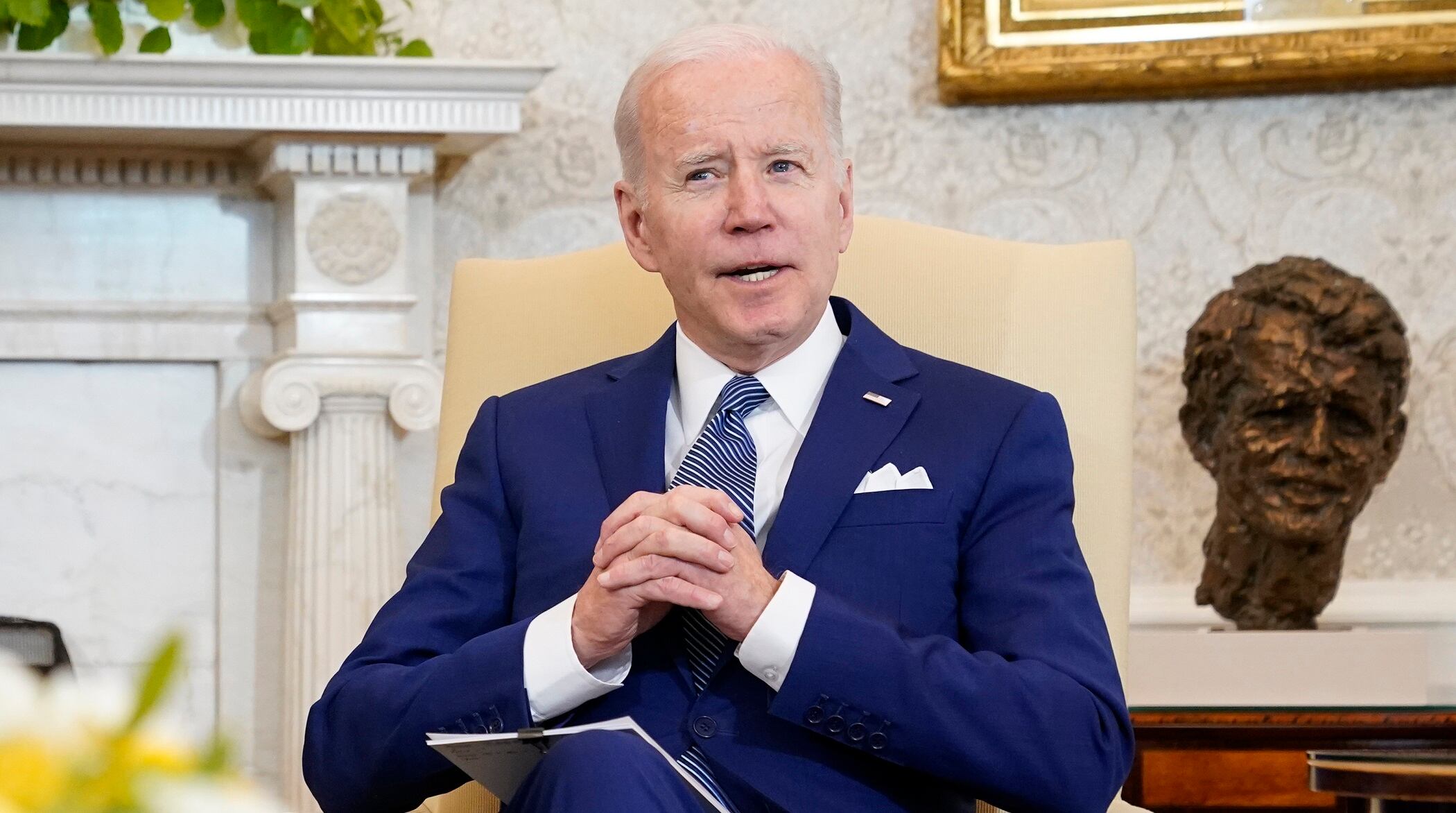
President Joe Biden on Wednesday signed a long-awaited executive order on cryptocurrencies, striking a careful balance between highlighting the risks of digital assets and touting their potential benefits.
McDonald’s said Tuesday it is temporarily closing all of its 850 restaurants in Russia in response to the country's invasion of Ukraine. The burger giant said it will continue paying its 62,000 employees in Russia.
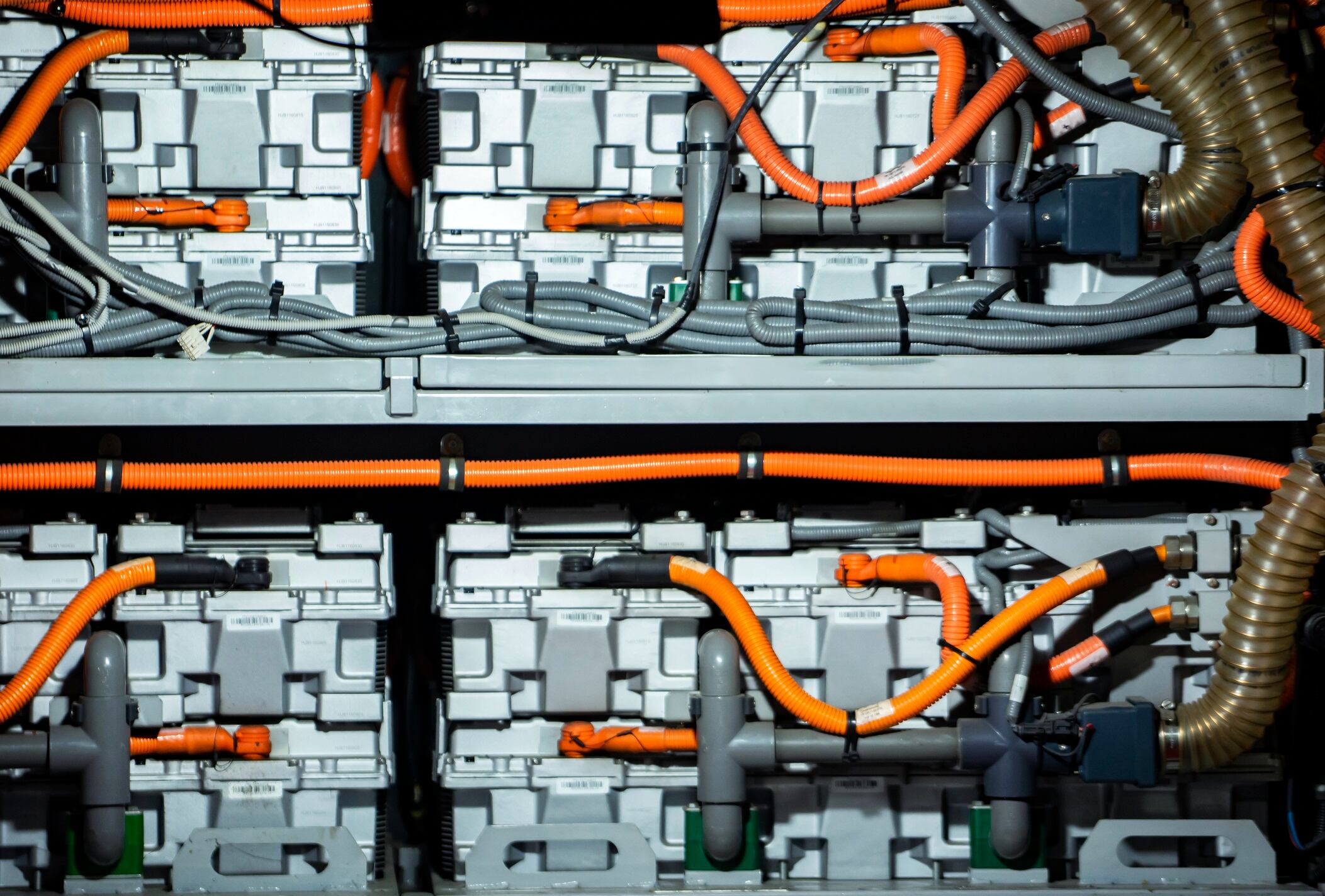
The price of nickel, one of the key minerals needed to produce stainless steel and lithium-ion batteries, saw an unprecedented surge Tuesday amid fears that Western sanctions could cut off Russian supplies of the crucial commodity.
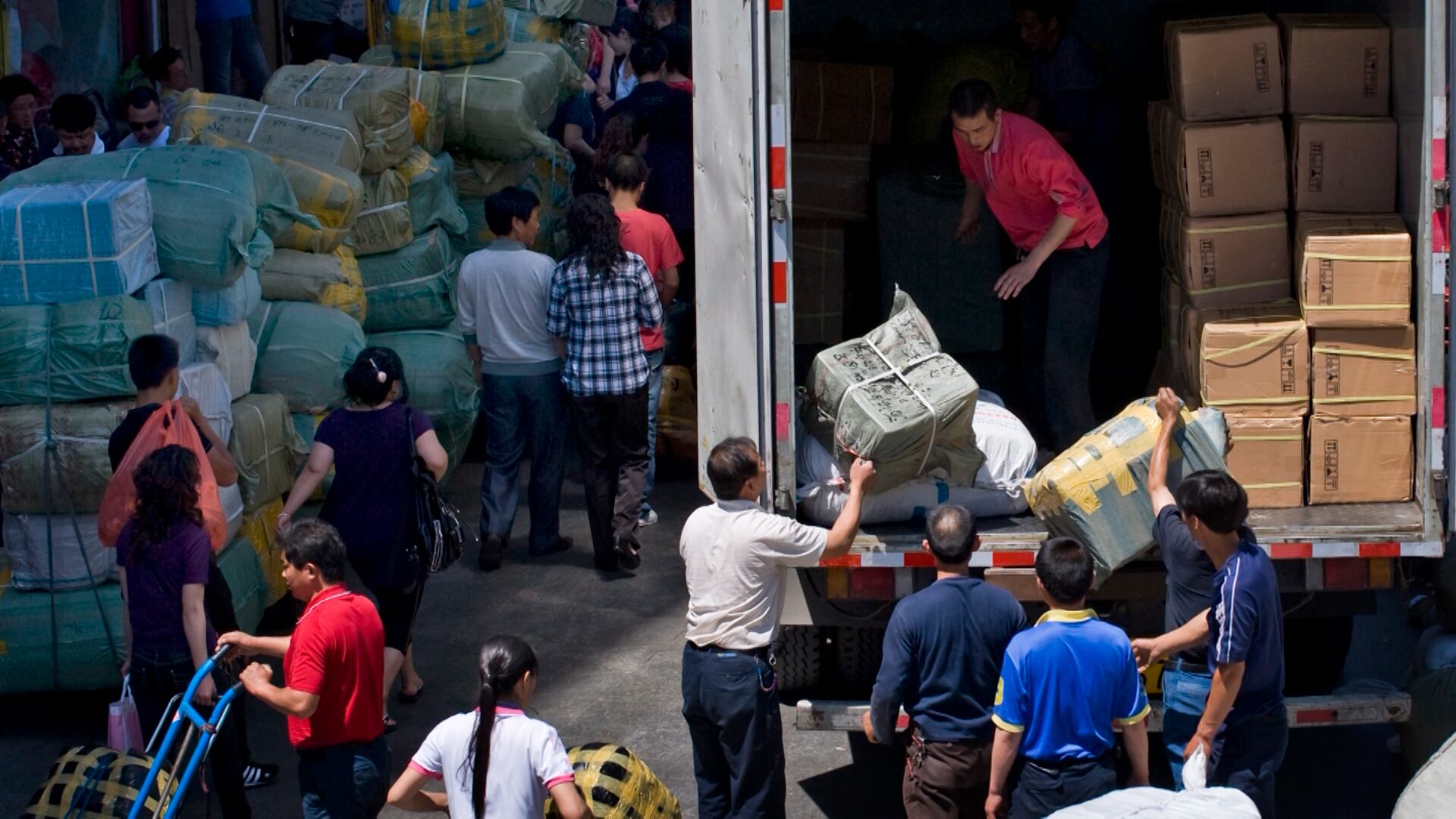
As Western companies cut ties with Russia over its invasion of Ukraine, there's a possibility their Chinese rivals could move in and fill the void. Major corporations such as Apple, Samsung, Dell, and more have halted sales in Russia in hopes of encouraging Putin to back down, but now it seems those sanctions could be presenting a unique opportunity for China. Michael Friedson, Co-founder and Executive Editor of The Media Line News Agency, joined Cheddar's Opening Bell to discuss how these Western boycotts are reshaping geopolitical alignments, the global economy, and international trade.
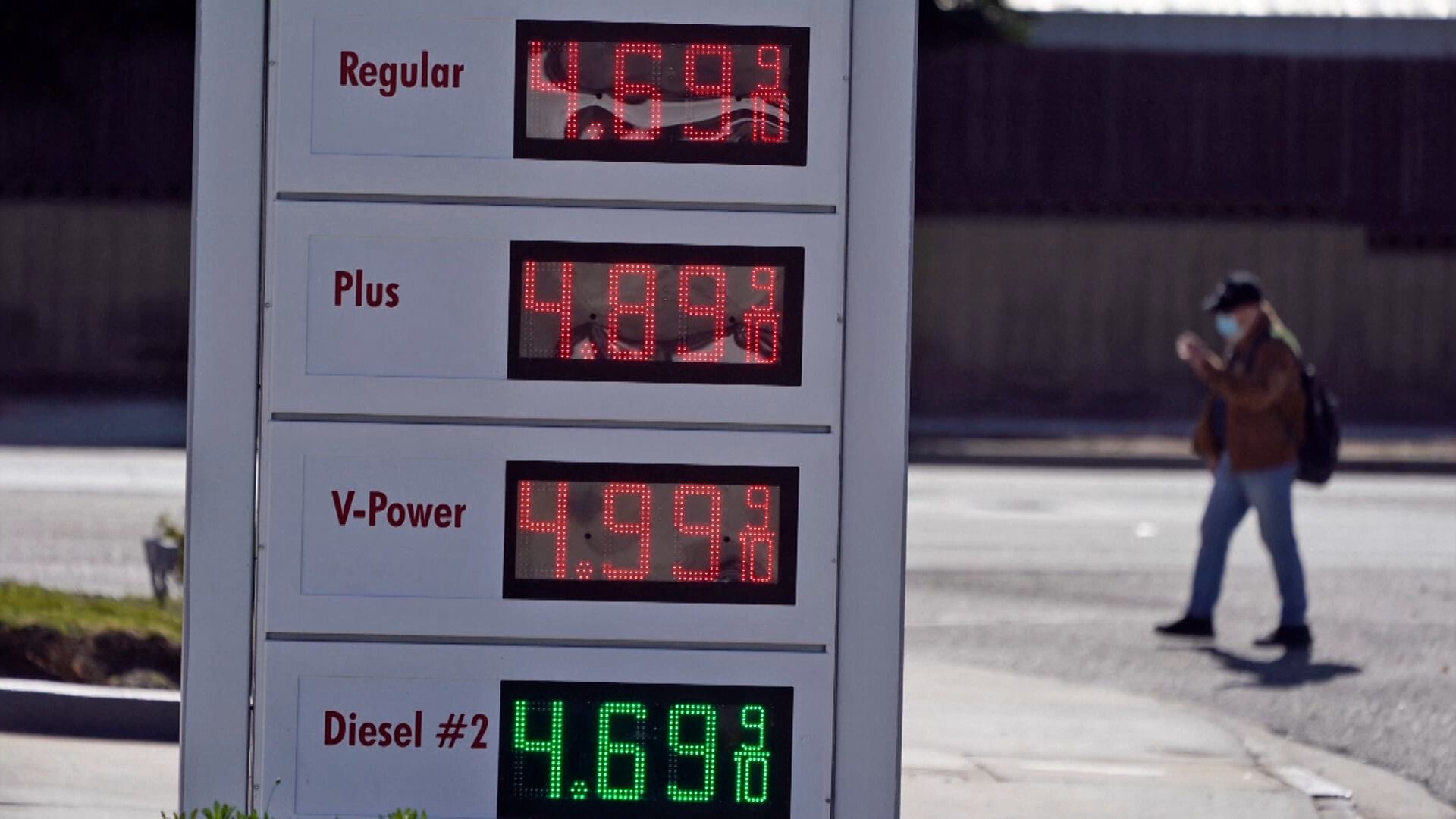
Gas prices have reached their highest level since 2008, topping an average of $4 across the country. The surge comes as Russia's invasion of Ukraine triggers supply concerns in what was already an extremely tight oil market. Jay Hatfield, Chief Investment Officer at ICAP, breaks down why costs at the pump are so high right now, and just how high they could go.
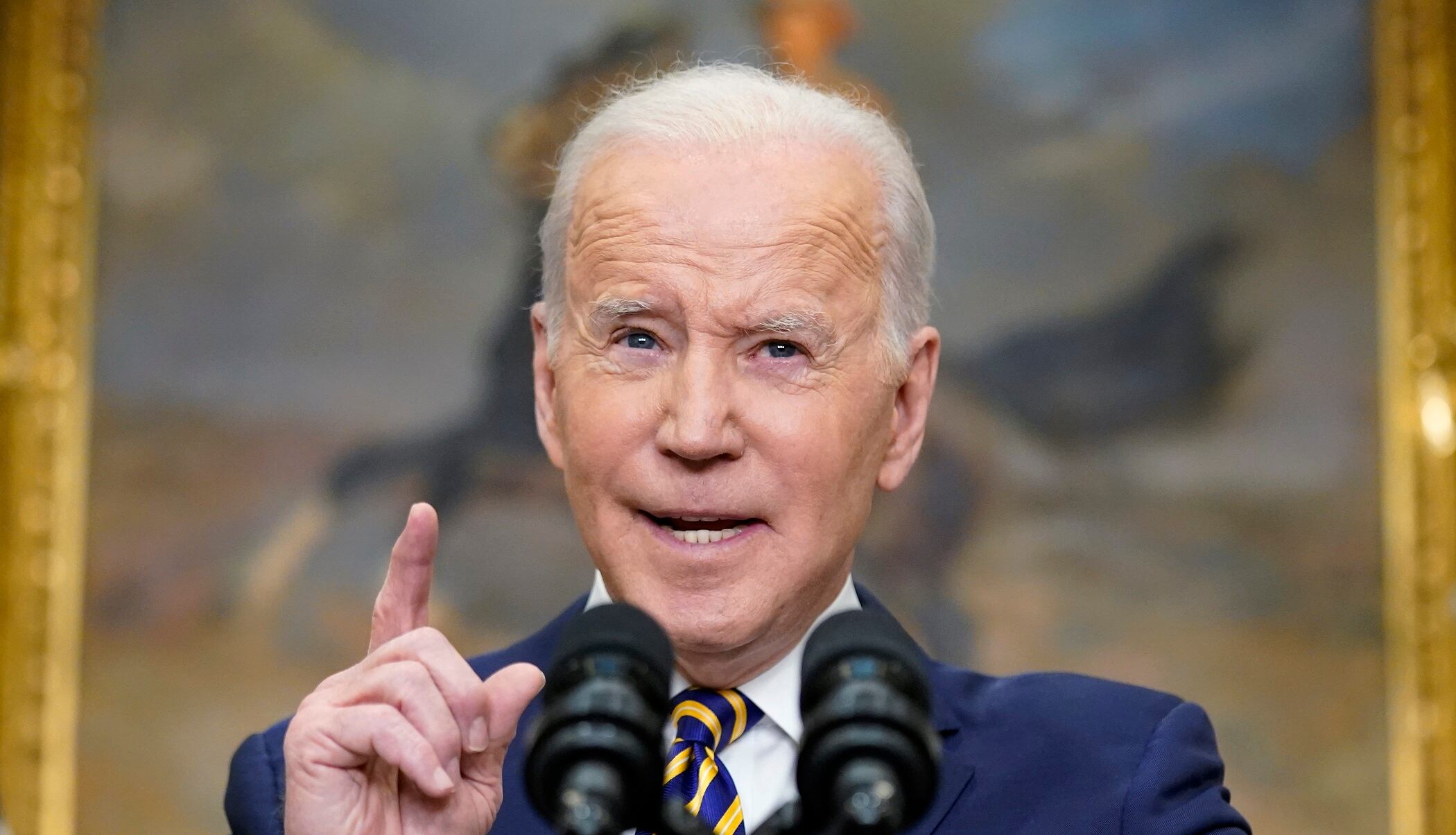
President Joe Biden has announced that the U.S. will ban all Russian oil imports, toughening the toll on Russia’s economy in retaliation for its invasion of Ukraine.
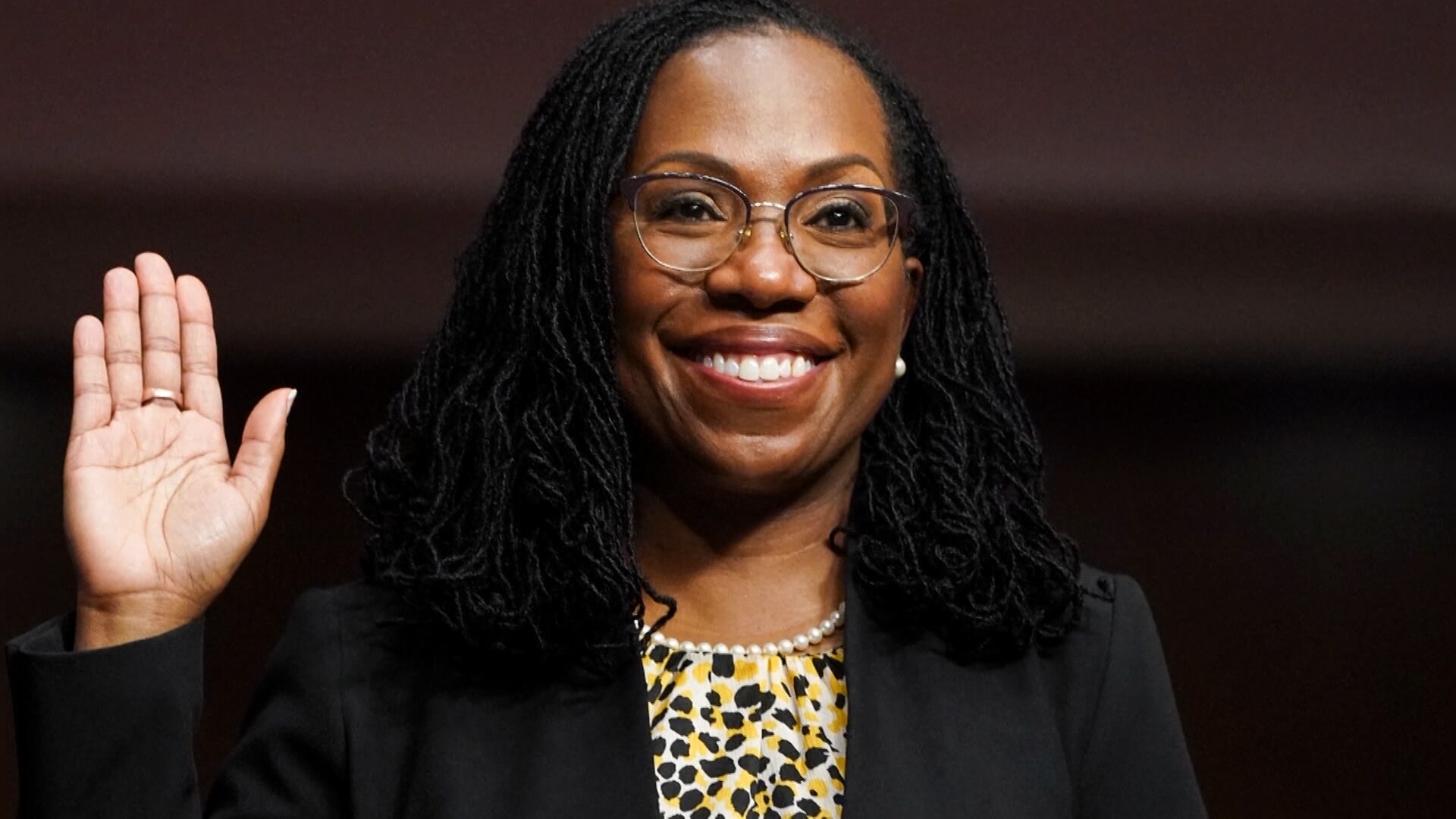
If confirmed, judge Ketanji Brown Jackson could become the first black woman on the bench of the U.S. Supreme Court. Cheddar News speaks with Katie Barlow, Chief Legal Correspondent at Fox 5 to discuss the significance of the nomination.
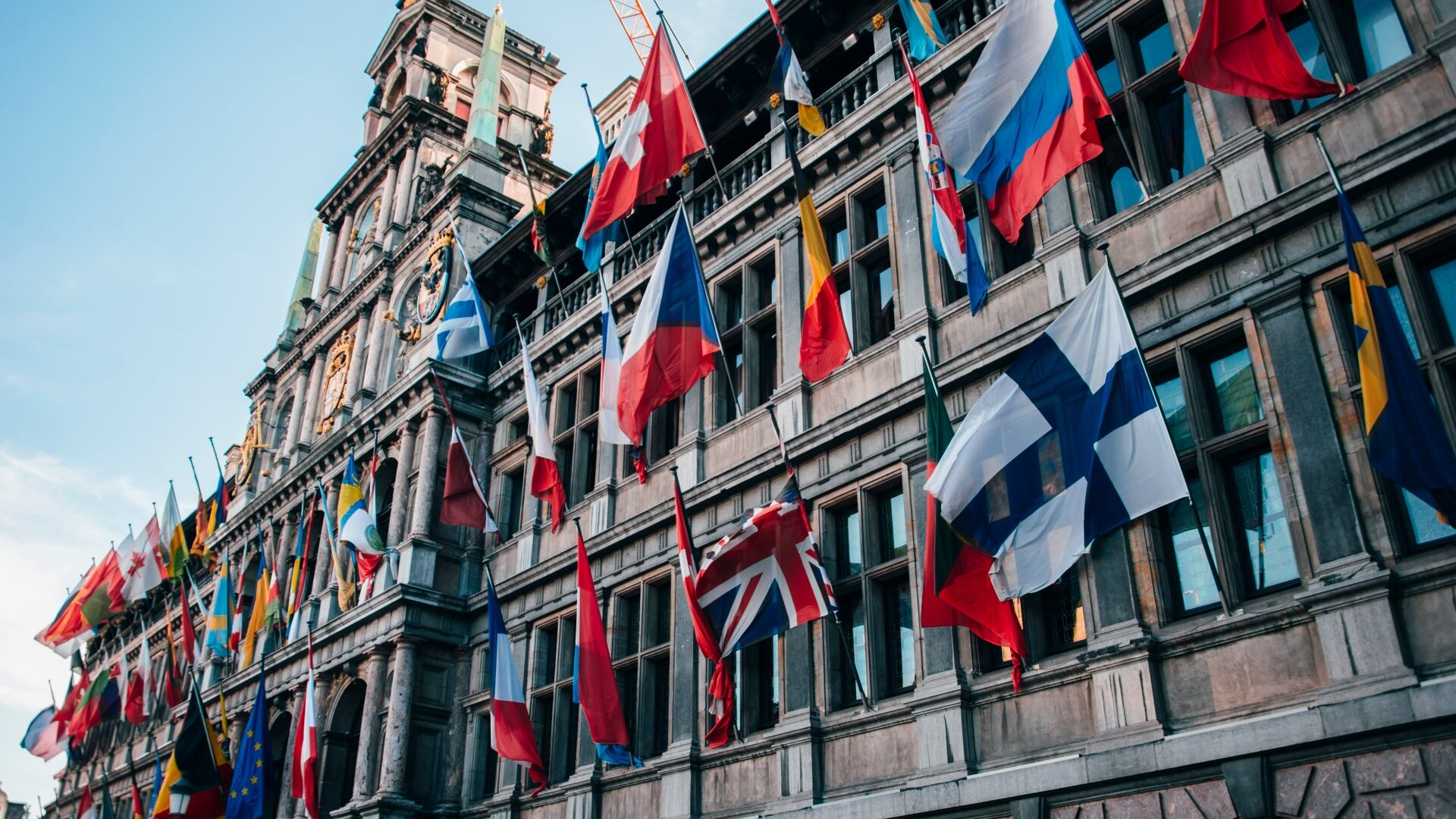
The European Union is historically divided and slow when it comes to decision-making, but in the recent weeks, the 27 members have agreed upon several sanctions and decisions regarding foreign policy and defense. The EU has cut off Russian banks from the swift payment system, blocked Russian propaganda channels, and closed European skies for air travel to and from Russia. Germany, for example, who has refused to send any deadly weapons to conflict zones, has now agreed to send lethal weapons to Ukraine. Rupert Steiner, London Bureau Chief at Barron's, joins cheddar news to discuss.
Sam Stovall, Chief Investment Strategist at CFRA Research, joins Cheddar News' Closing Bell where he dives into the factors contributing to Monday's market plunge and what could be in store when February's CPI data comes out on Tuesday.
Derek Shearer, former U.S. Ambassador to Finland and contributing writer for Washington Monthly, joins Cheddar News to discuss the latest developments in the Russia-Ukraine conflict.