Not All Anger is Created Equal, Says Feminist Author Rebecca Traister
*By Conor White*
Women on both sides of the aisle may be enraged, but that anger is still sharply divided. Women are running for office in record numbers this year ー yet the outcome hasn't been the same for Republicans and Democrats, said author and political columnist Rebecca Traister.
"Numbers of women running for Republican seats also went up ー\[but\] they didn't win their primaries at the rate that women and people of color on the Democratic side did," Traister said Tuesday in an interview on Cheddar.
"Anger is very combustible force, it can kick political and social movements off the ground, but it can also blow up between allies," she said.
Party aside, the numbers are still striking.
476 women ran in Democratic and Republican primaries for Congress, and there are still 323 races in which at least one woman is running.
To Traister, the numbers are "unprecedented," but women's impulse to change their government has a historical basis.
"Women are activated as door knockers, registering voters, volunteers with campaigns, and again as candidates in ways that are pretty unprecedented in recent decades," Traister said.
But, she added, social movements "often started with women who were angry about injustice at the beginning and wanted to change something."
Traister has called women's anger both "catalytic and "problematic," but she said it's "mostly potent from a political perspective" as the midterms loom.
In the last month, women on the right have raised the decibel on their political voices, especially during Brett Kavanaugh's divisive Supreme Court confirmation hearings.
Even in the face of Christine Blasey Ford's dramatic testimony, many Republican women believed the sexual assault allegations against the now-Justice were part of a political hit job ー and many among them expressed concerned that their husband or son could fall prey to similar and potentially unfounded claims.
"That was an instance of white conservative women's anger being used by the right to send a particular message to the electorate," Traister said of the conservative response to the hearings.
Traister, a National Magazine Award-winner, is the author of the new book "Good and Mad: The Revolutionary Power of Women's Anger," which examines progressive movements throughout history, from the abolition of slavery to women's suffrage, that started with women getting mad.
The upcoming elections, at whatever level of government, are no different.
"Many of those candidacies started in the anger of post-Trump," Traister said.
"Women were so angry at Trump's presidential win that they were like, 'I'm going to go run for office,'" she said.
"Good and Mad: The Revolutionary Power of Women's Anger" is on sale now.
For full interview [click here](https://cheddar.com/videos/the-power-of-womens-anger).
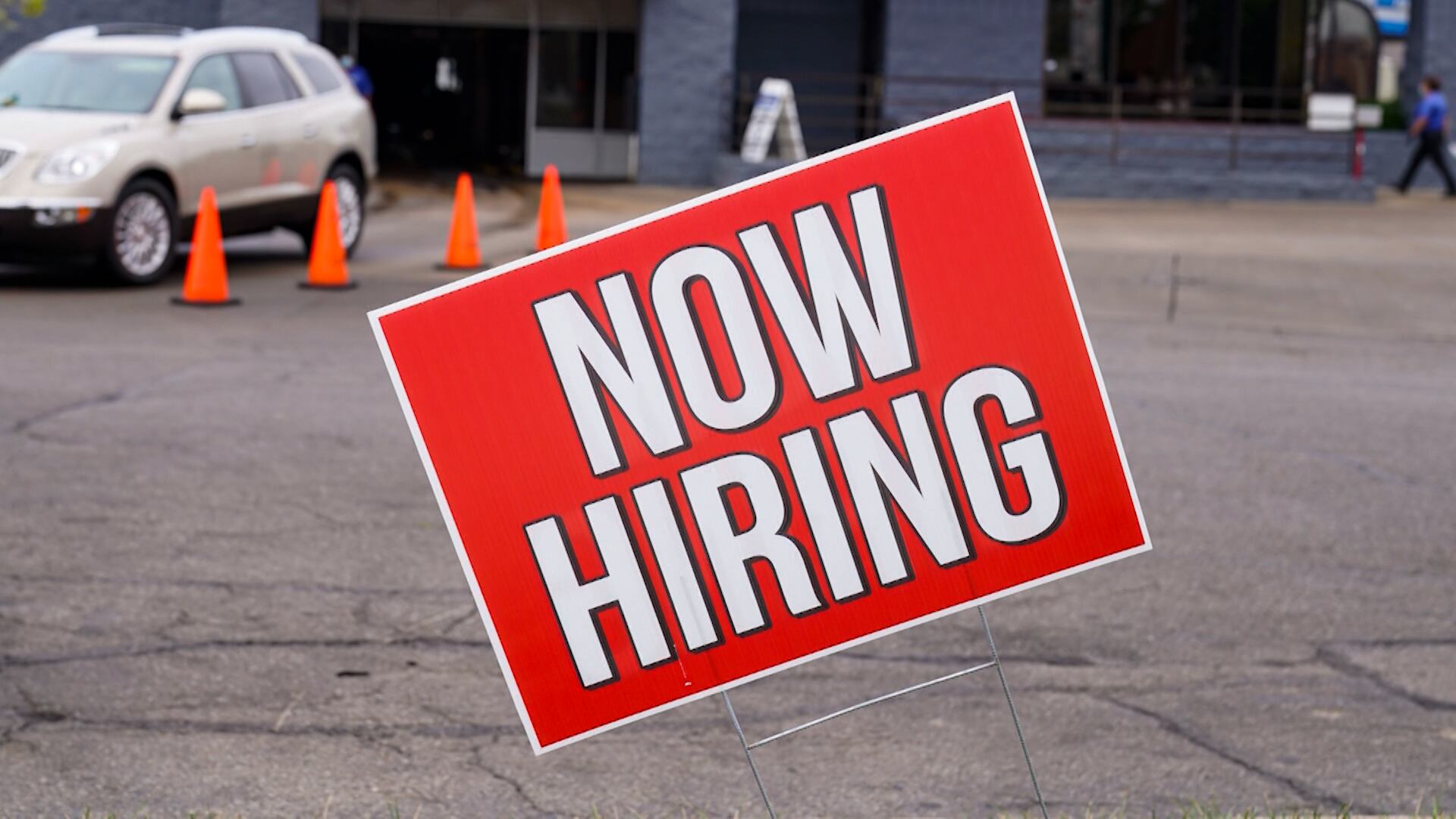
Following the surprising big beat on estimates for the January jobs report, William M. Rodgers III, vice president and director of the Institute for Economic Equity at the Federal Reserve Bank of St. Louis, joined Cheddar News to break down the data. “We ended 2021 with a strong crescendo to a recovery that had taken hold, and we started 2022 in good fashion." He also discussed the dueling pressures of wage growth and inflation.
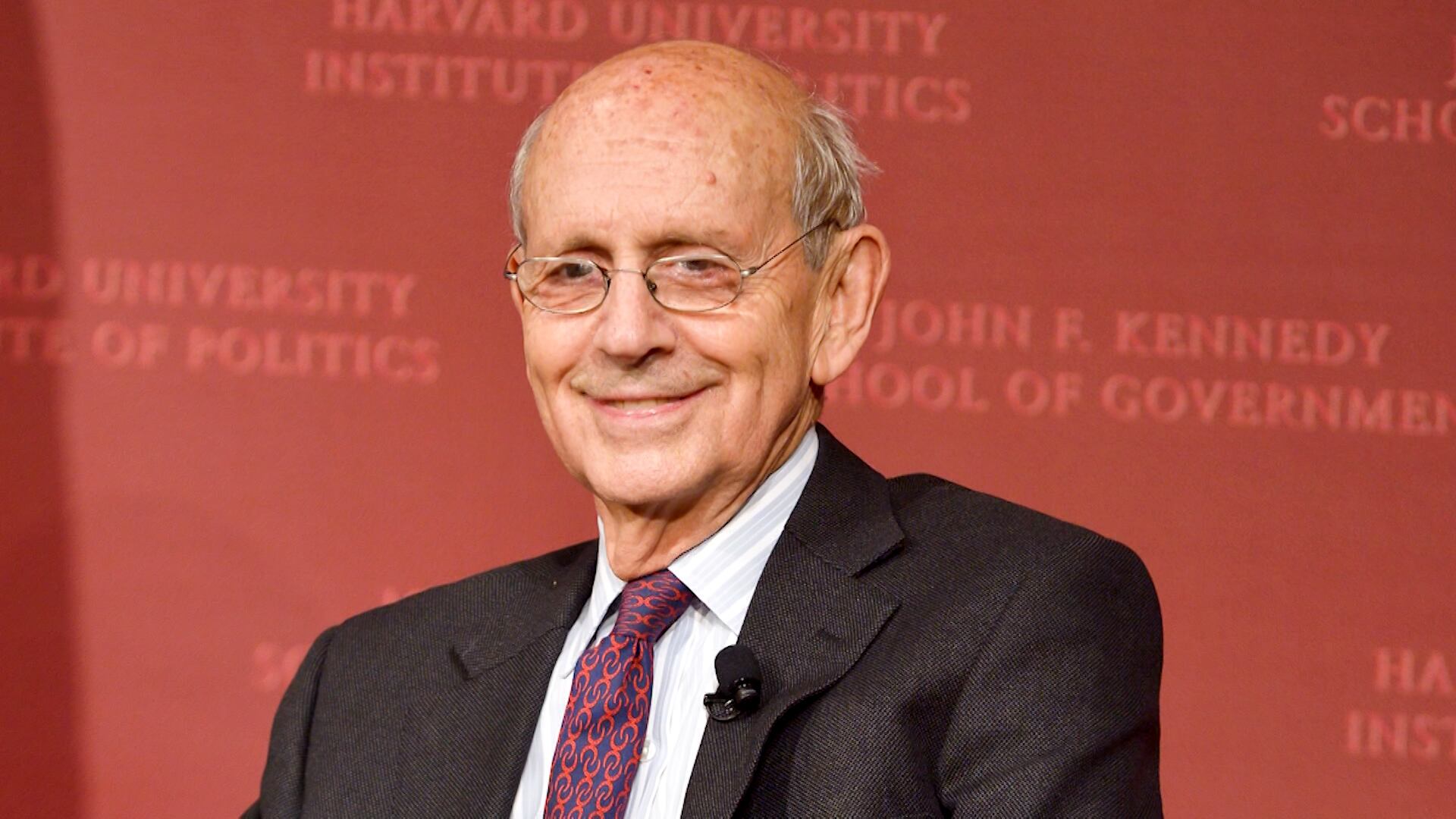
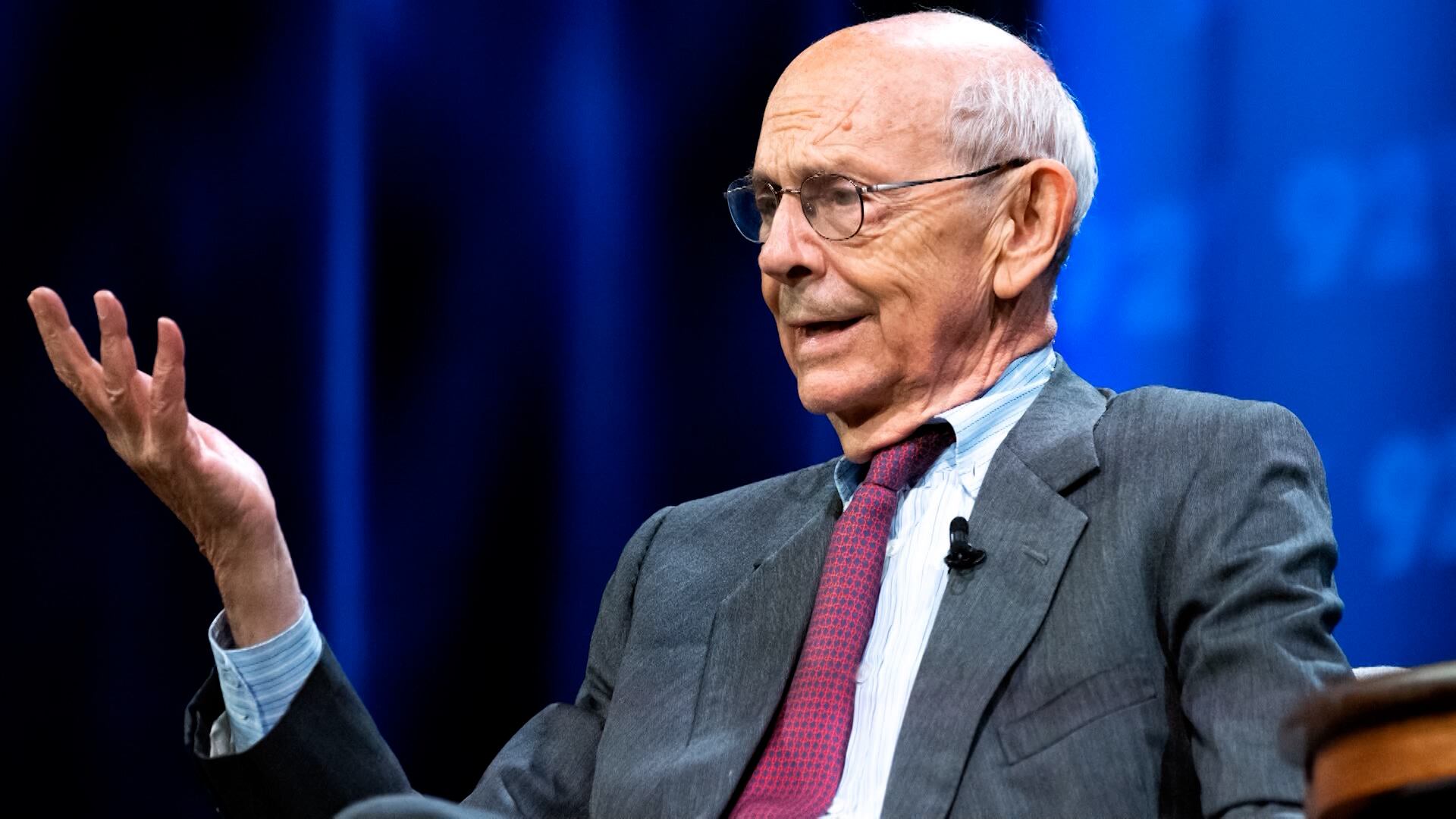
Jessica Mason Pieklo, senior vice president and executive editor of the Rewired News Group and co-host of the podcast. "Boom! Lawyered," joins Cheddar Politics to discuss Justice Stephen Breyer's retirement, legacy and potential replacement on the Supreme Court.
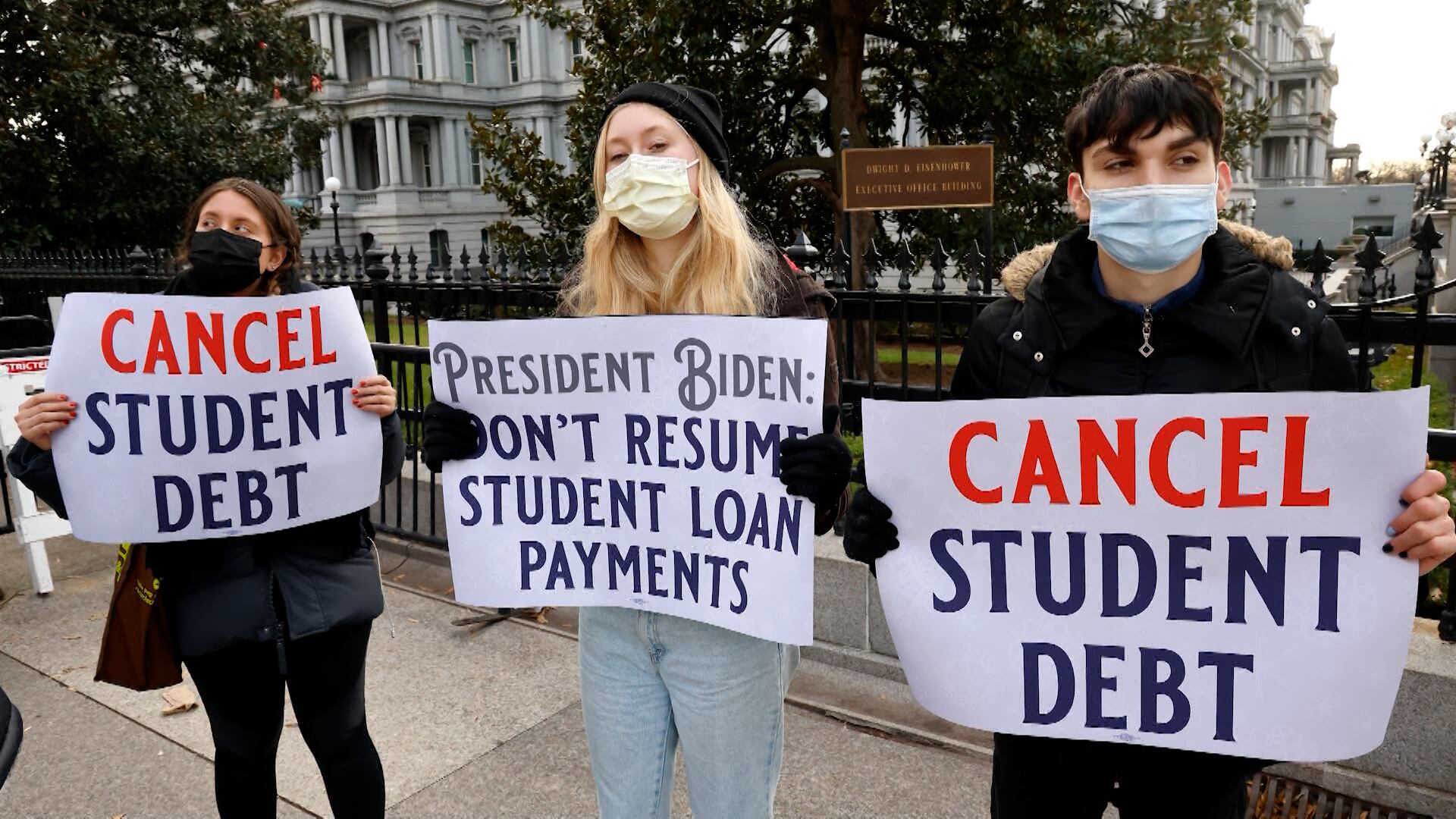
The Biden administration delivered a temporary win for student loan borrowers this year by extending the moratorium on federal payments for a few more months. That moratorium is coming to an end on May 1st and borrowers will again have their monthly loan payment plopped in their lap.
Stephanie Vanderslice, a creative writing professor paying off debt through the Parent Plus program, and Mike Pierce, executive director of the Student Borrower Protection Center, join Cheddar Politics to discuss.
2022 was already going to be a big year for the Supreme Court. We have decisions on major issues like abortion and gun rights on the way. Then, Justice Stephen Breyer announced his retirement and that set up a major confirmation fight for later this year. Amy Howe, co-founder of SCOTUSblog, joins Cheddar Politics to discuss.
The Labor Department released a better-than-expected report of 467,000 jobs added in January. Heather Boushey, Council of Economic Advisers Member for President Biden, joined Cheddar to tout the administration's handling of the economy amid the pandemic and the upward revisions for the previous month. "It also shows that, because of the revisions, the economy was stronger over the past couple of months," she said. "I don't think that this can be said enough, but economic forecasting during an historic pandemic is extremely difficult." Boushey also addressed issues involving wage growth versus the rapid rise of inflation.
The Labor Department's January jobs report showed 467,000 jobs were added, compared to the 150,000 that were projected, a sign that employment is continuign to return to pre-pandemic levels. Lindsey Piegza, chief economist at investment bank Stifel, joined Cheddar to break down the report, noting the big gains but adding a note of caution. "Remember, even with this morning's stellar report, we're still millions below that level that we had reached prior to the onset of COVID-19," she said." Yes, we are recapturing jobs. We still have further ground that needs to be made before we can talk about reaching that previous peak." Piegza also discussed the role of the Federal Reserve going forward as the employment figures turn more positive.
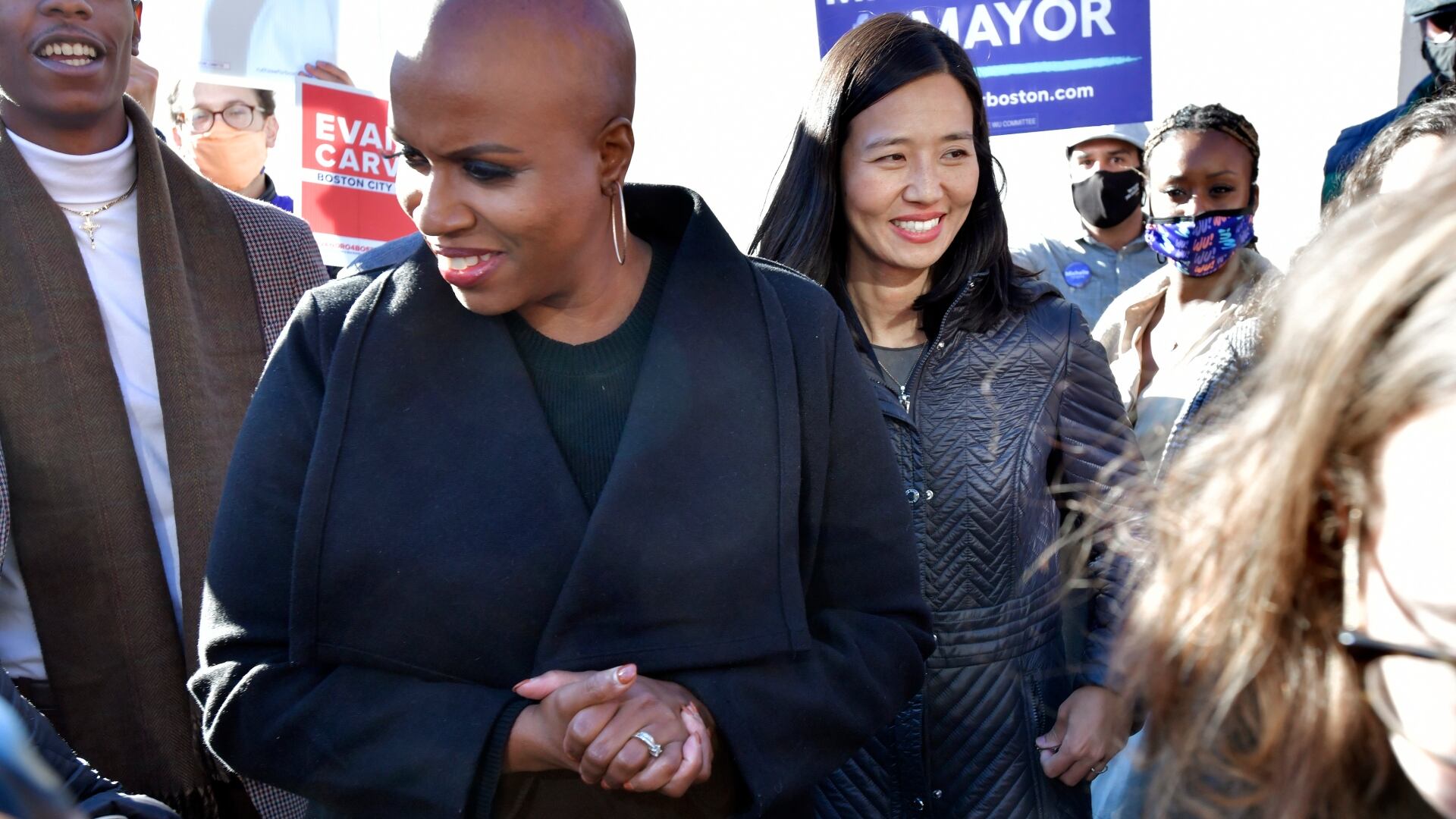
As President Biden's poll numbers fall with Black voters, Rep. Ayanna Pressley (D-Mass. 7th District) joined Cheddar to discuss what she feels could help the embattled administration: deliver on policies. Pressley pointed to stalled legislation such as new voting rights laws and Build Back Betters and canceling student loan debt, which would go a long way to improving his standing with Black constituents. "President Biden has the authority and the power to alleviate this burden, which would also help in closing the racial wealth gap, and he can do it by executive action with the stroke of a pen," she said. "And it doesn't require one vote from Congress. So, the Biden administration just needs to deliver to Black America in a tangible and impactful way."