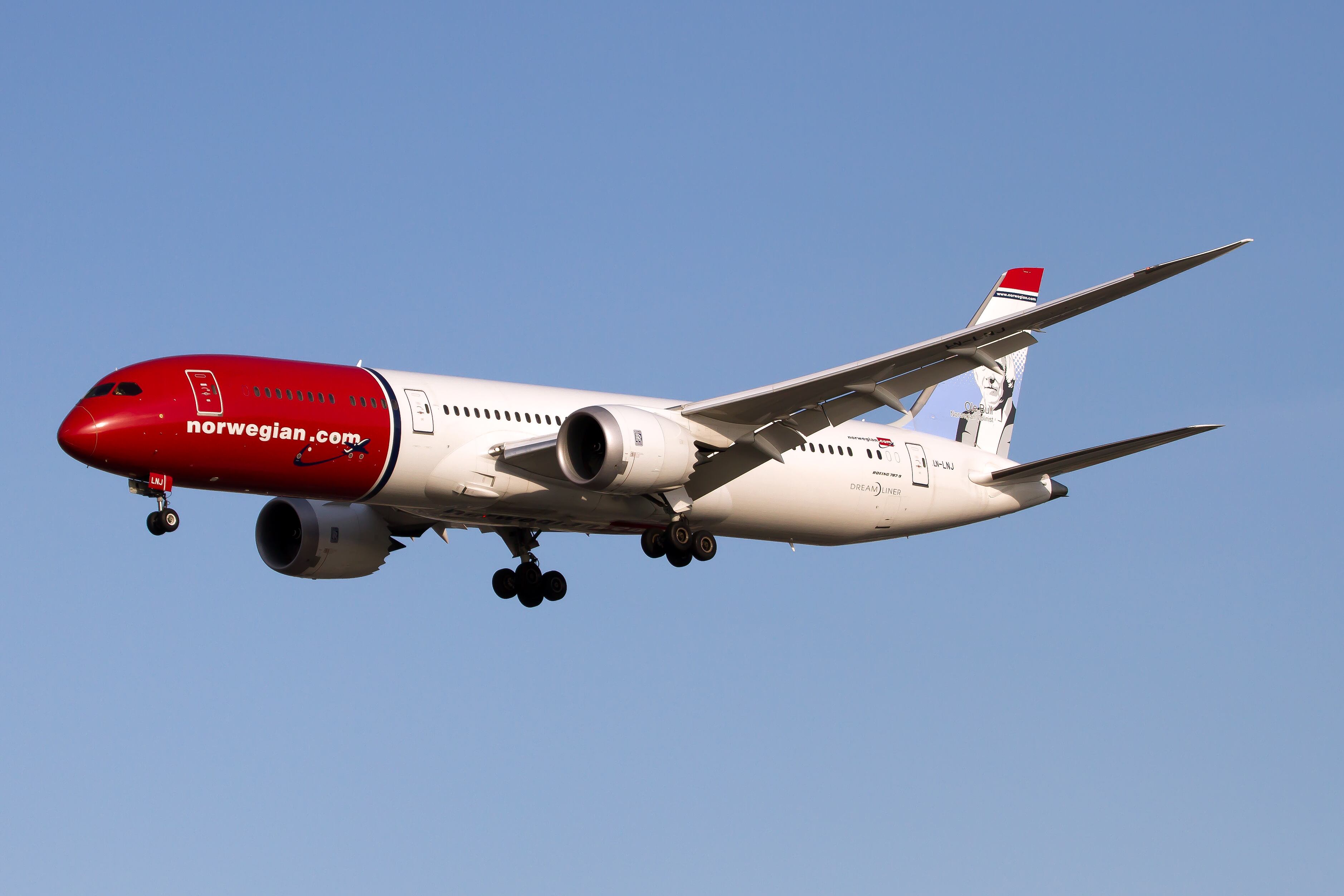
Photo by Fabrizio Gandolfo/SOPA Images/LightRocket via Getty Images
Norwegian Air is canceling 85 percent of its flights and temporarily laying off 90 percent of its workforce, leaving 7,300 hundred employees without jobs amid a pandemic threatening lives and global markets.
Norwegian’s CEO Jacob Schram said in a press release that “what our industry is now facing is unprecedented and critical as we are approaching a scenario where most of our airplanes will be temporarily grounded.”
The airline said its main priority is to keep this week’s scheduled flights on the books to return customers to “home destinations” and said it will work with authorities to arrange flights to get stranded passengers out of locations, if that becomes necessary.
Employees will be affected across the board — pilots, cabin crew, maintenance and administrative staff are all part of the temporary layoff.
Norwegian joins airlines around the world making significant changes to staffing, flight schedules and business operations. Delta Airlines will cut its flight capacity by 40 percent, joining United Airlines, which yesterday said it would cut flights by 50 percent. Southwest said it is “seriously considering” cuts to domestic travel and Virgin Atlantic asked staff to take eight weeks of unpaid leave. UK Airlines have also called for a bailout to survive the crisis.
Orangetheory Fitness is redefining the future of workouts with smarter tech, strength-based programming, and community-driven studios built for what’s next.
Wealthfront’s CFO Alan Iberman talks the $2.05B IPO and the major moment for robo banking as the company bets on AI, automation, and “self-driving money."