Dina Fine Maron, Editor of Health & Medicine at Scientific American, joins Cheddar to discuss some of the biggest changes to science regulations we'll see in 2018. From food labels to nonaddictive cigarettes, people need to be aware of what might affect their everyday lives.
A revamped nutrition label was slated to debut in July of 2018, however the Trump administration is giving companies a longer window. Major companies now have until 2020 and smaller companies have until 2021. The new labels will have more detail on added sugar and calorie count. However, critics say the delay could be a major blow to the public's health.
Plus, the U.S. Food and Drug Administration aims to create a nonaddictive cigarette with lower nicotine levels. It hopes this will help smokers quit. However, the agency opened up the conversation to the public for input which will ellicit some strong views from the tobacco industry.
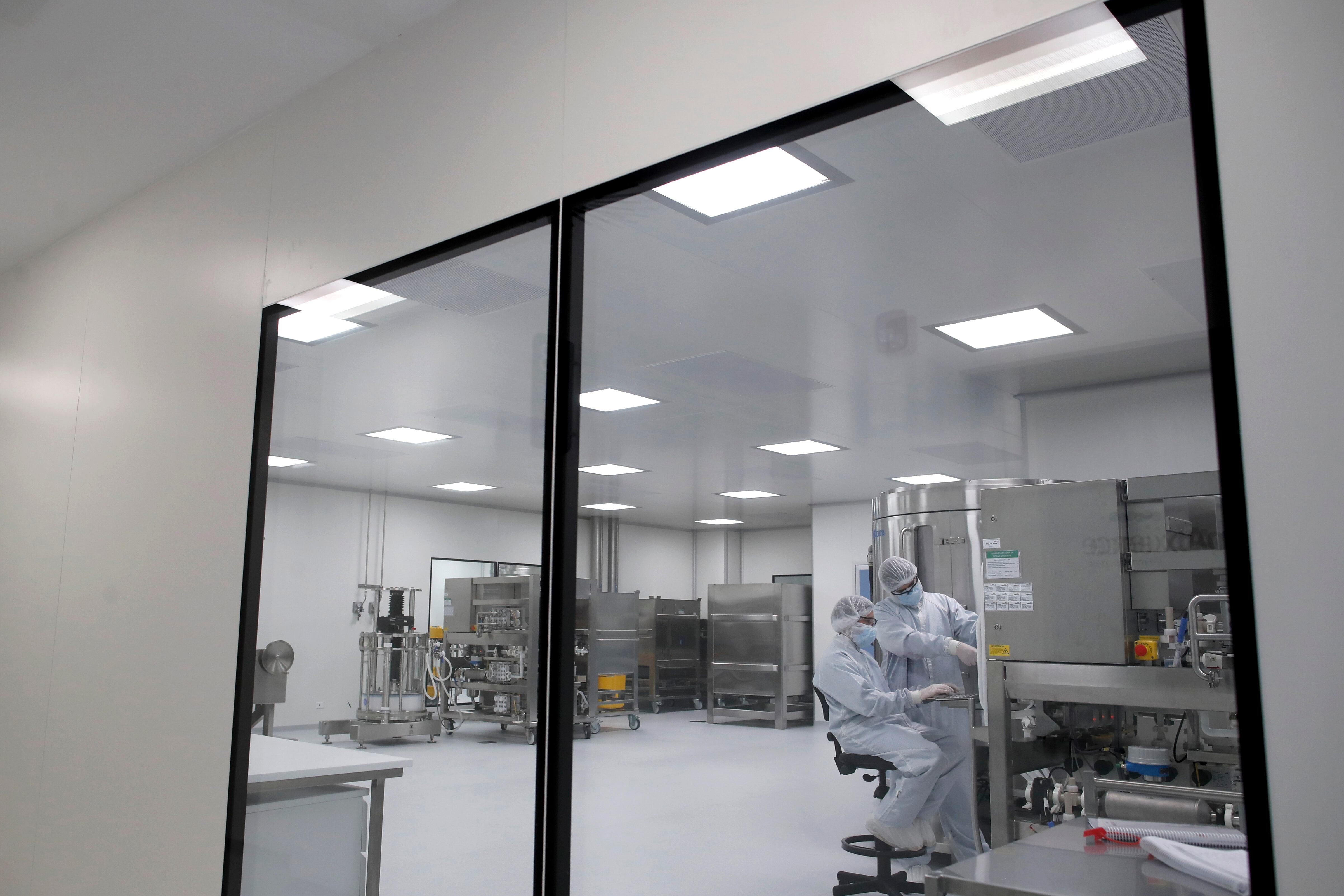
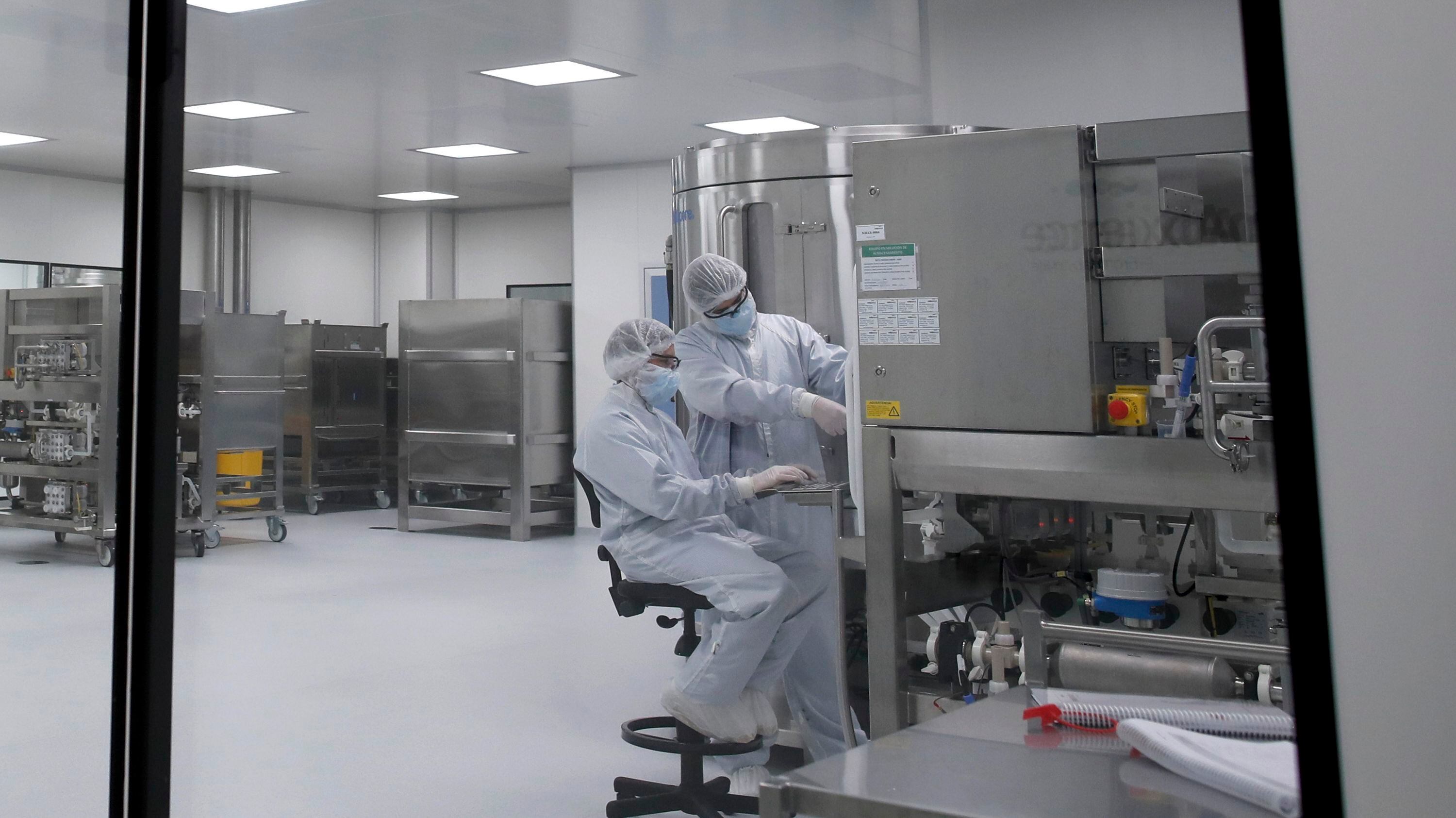
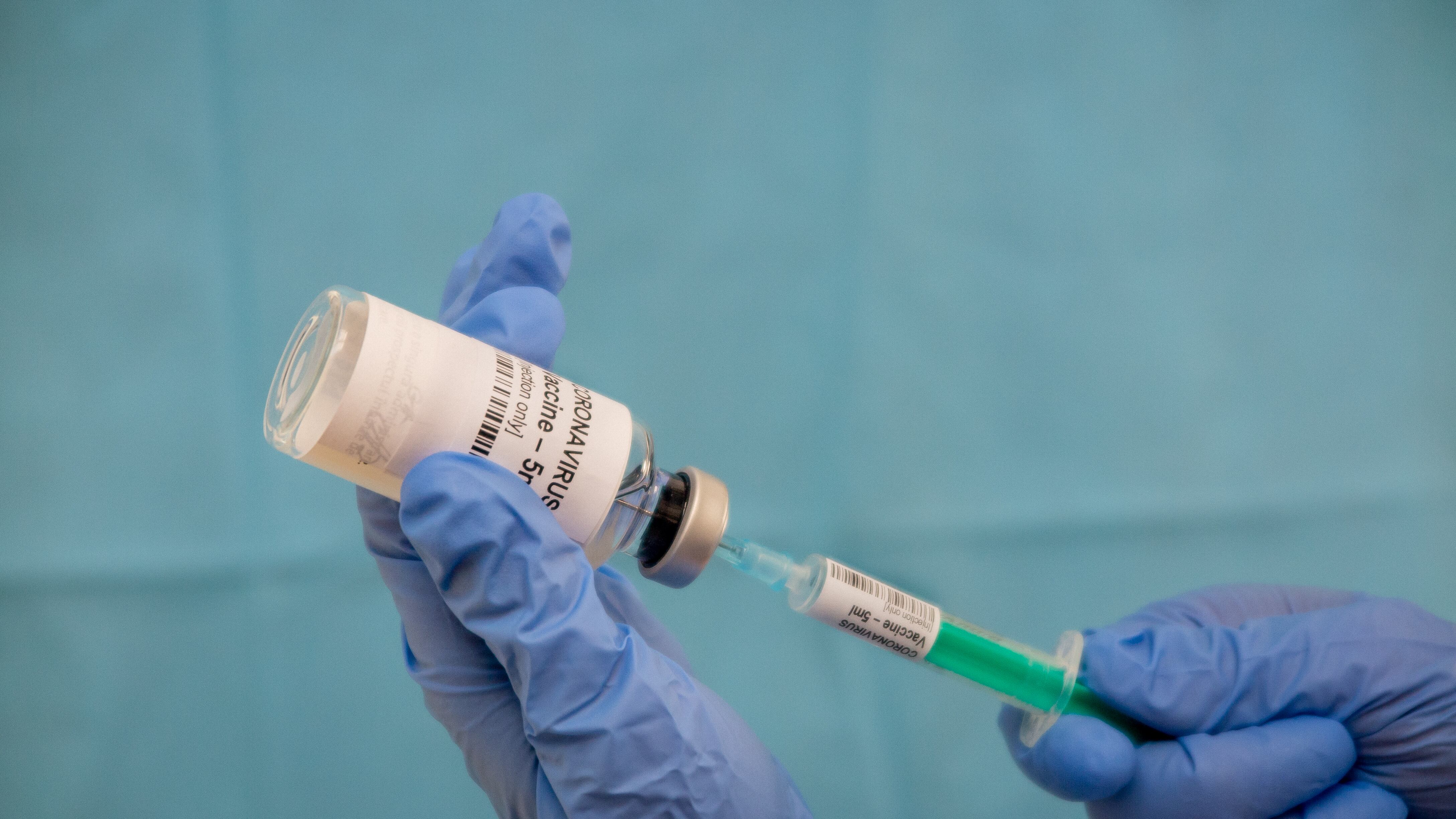
Top executives of nine drugmakers likely to produce the first vaccines against the new coronavirus are taking the extraordinary step of promising they'll be safe and effective.
Astrophysicists detected the signal from a long ago violent collision of two black holes that created a new one of a size that had never been seen before.
The timeline raised concern among public health experts about an “October surprise" — a vaccine approval driven by political considerations ahead of a presidential election, rather than science.
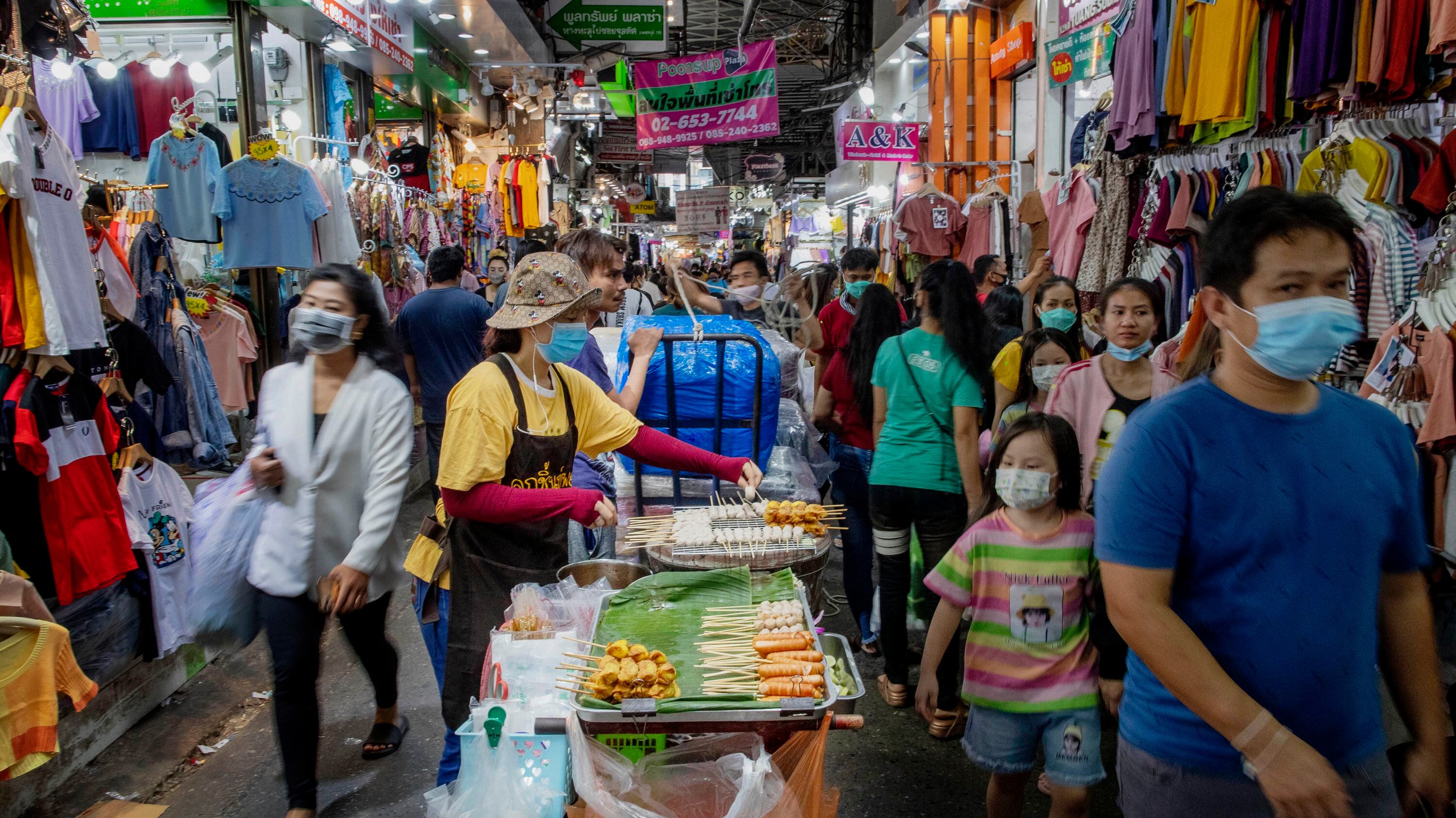
Thailand’s prime minister is congratulating the nation for having achieved 100 days without a confirmed locally transmitted case of the coronavirus.
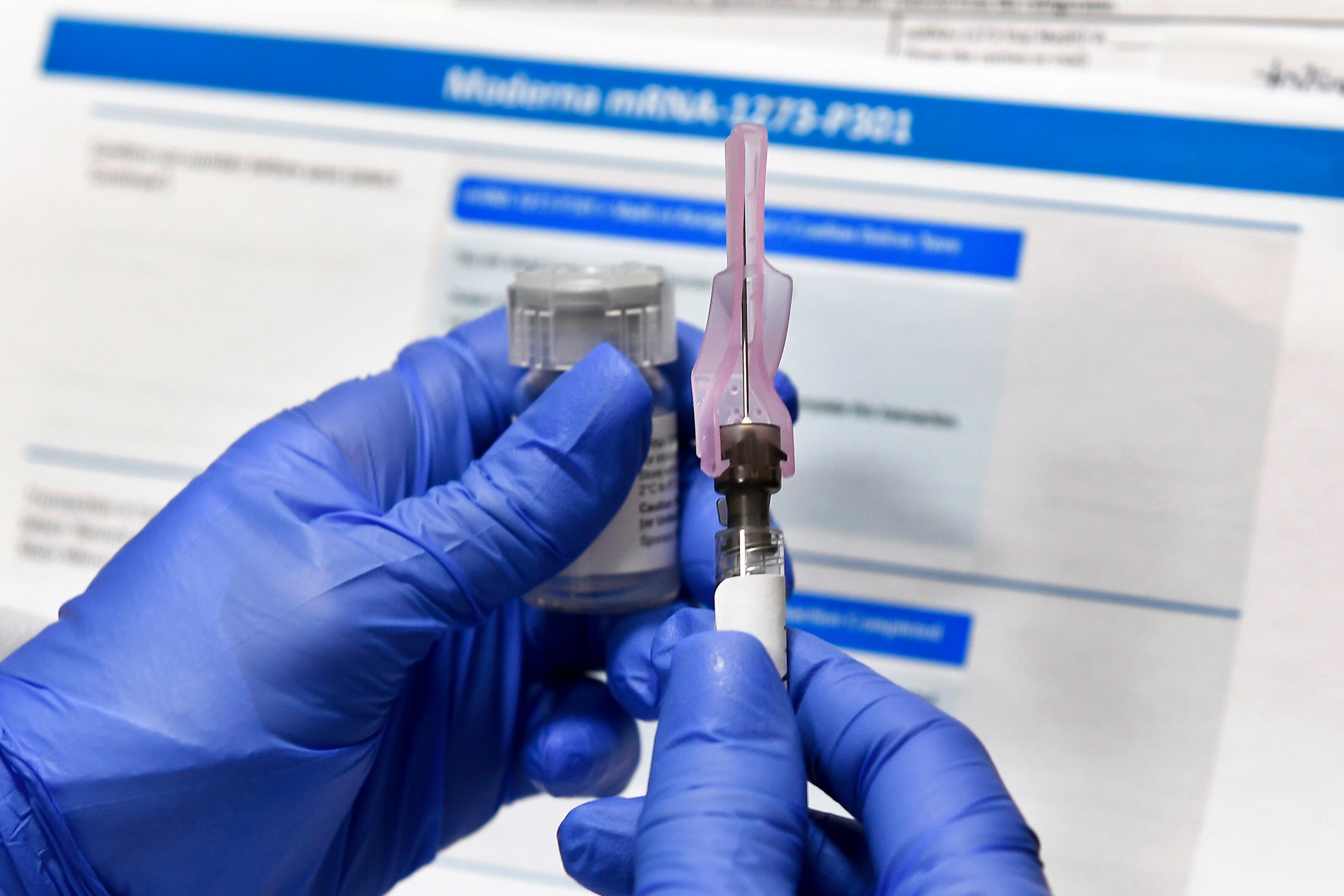
A third leading candidate COVID-19 vaccine has entered a final stage of human testing in the United States.
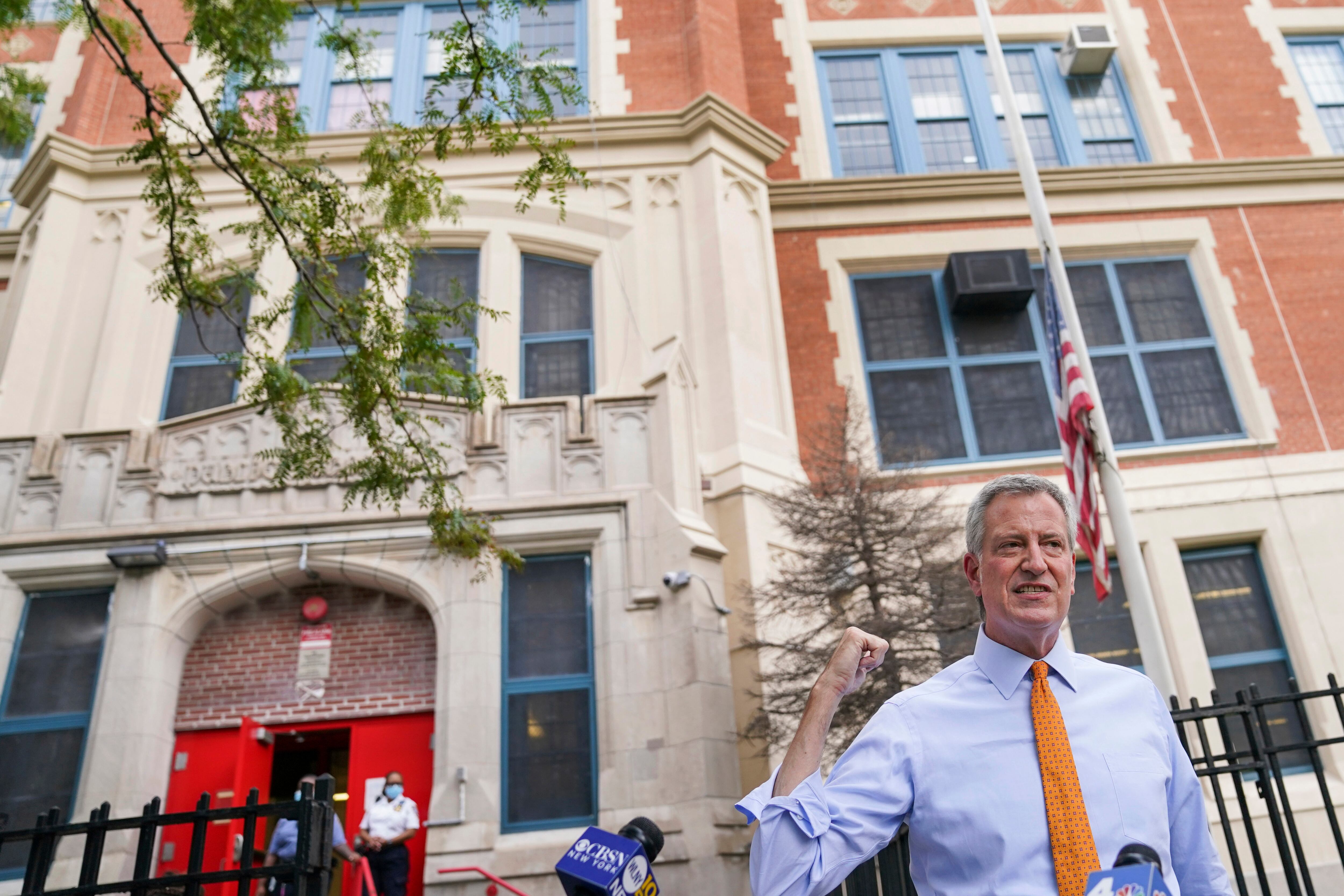
Mayor Bill de Blasio says New York City is delaying sending students back to classrooms in the nation’s largest public school system.
West Virginia University has developed technology that can predict coronavirus outbreaks with 90 percent accuracy. Dr. Ali Rezai, executive chair of WVU's Rockefeller Neuroscience Institute, joined Cheddar to discuss the technology and protocols the university will implement to mitigate the spread of COVID-19.
How and whether companies participate in COVID-19 vaccination programs could mean the difference between a successful roll-out, and one fraught with suspicion and misunderstanding.
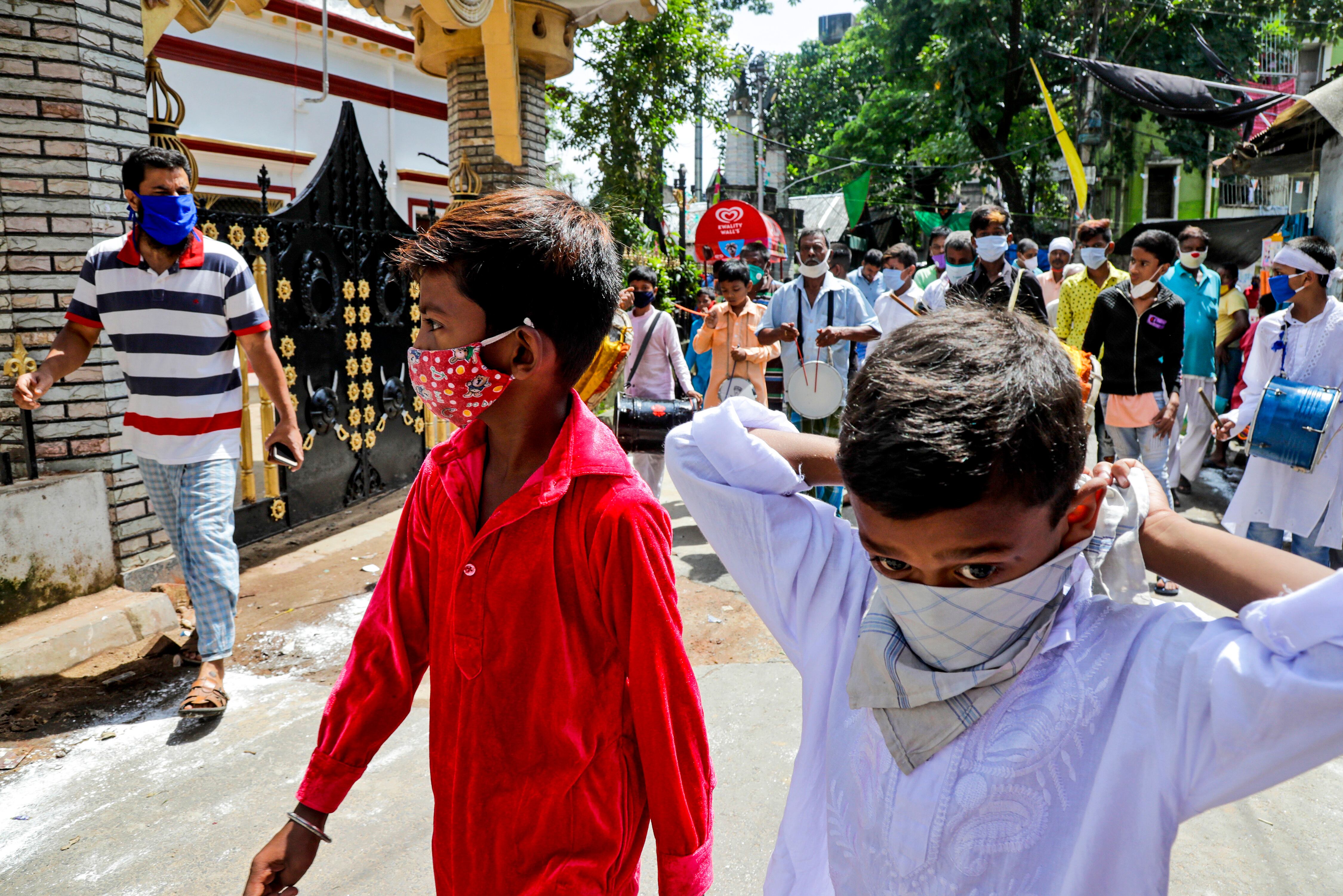
India has registered 78,761 new coronavirus cases, the biggest single-day spike in the world since the pandemic began, just as the government began easing restrictions to help the battered economy.
From Wall Street to Silicon Valley, these are the top stories that moved markets and had investors, business leaders, and entrepreneurs talking this week on Cheddar.