Dina Fine Maron, Editor of Health & Medicine at Scientific American, joins Cheddar to discuss some of the biggest changes to science regulations we'll see in 2018. From food labels to nonaddictive cigarettes, people need to be aware of what might affect their everyday lives.
A revamped nutrition label was slated to debut in July of 2018, however the Trump administration is giving companies a longer window. Major companies now have until 2020 and smaller companies have until 2021. The new labels will have more detail on added sugar and calorie count. However, critics say the delay could be a major blow to the public's health.
Plus, the U.S. Food and Drug Administration aims to create a nonaddictive cigarette with lower nicotine levels. It hopes this will help smokers quit. However, the agency opened up the conversation to the public for input which will ellicit some strong views from the tobacco industry.
A new U.N. biodiversity report card highlights the decline over the past 10 years in fragile ecosystems such as coral reefs and tropical forests.
Astronomers looking at the atmosphere in neighboring Venus see something that might just be a sign of life. In a study published Monday, they say they found the chemical signature of a noxious gas called phosphine.
As people seek new ways to cope and treat psychiatric disorders like depression and anxiety, Ketamine is growing in popularity as doctors describe improvements in patients. Cheddar's Chloe Aiello reports.
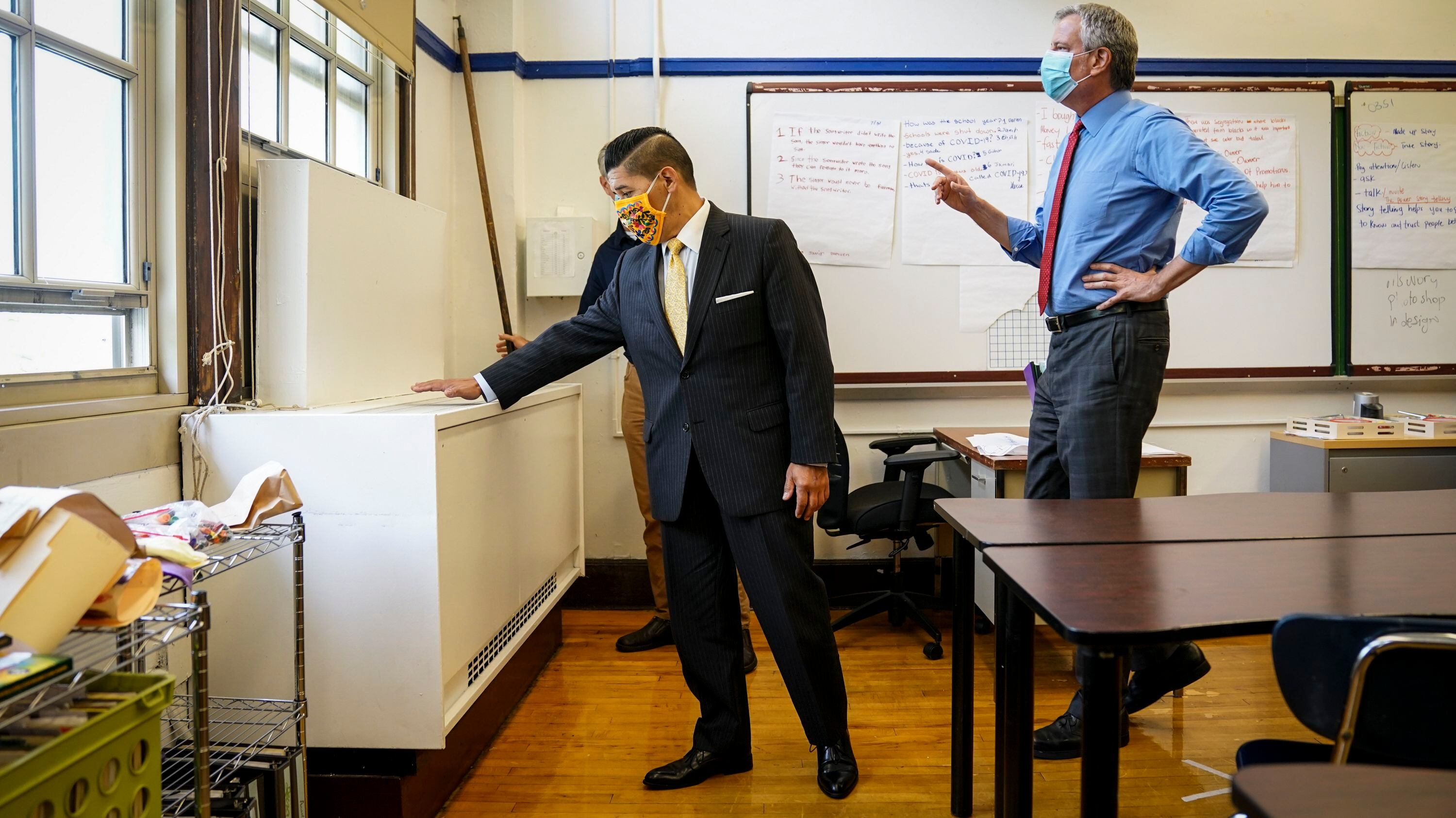
Figuring out best practices when it comes to preventing airborne transmission is inherently challenging though, especially when it comes to the technical aspects of retrofitting ventilation systems.
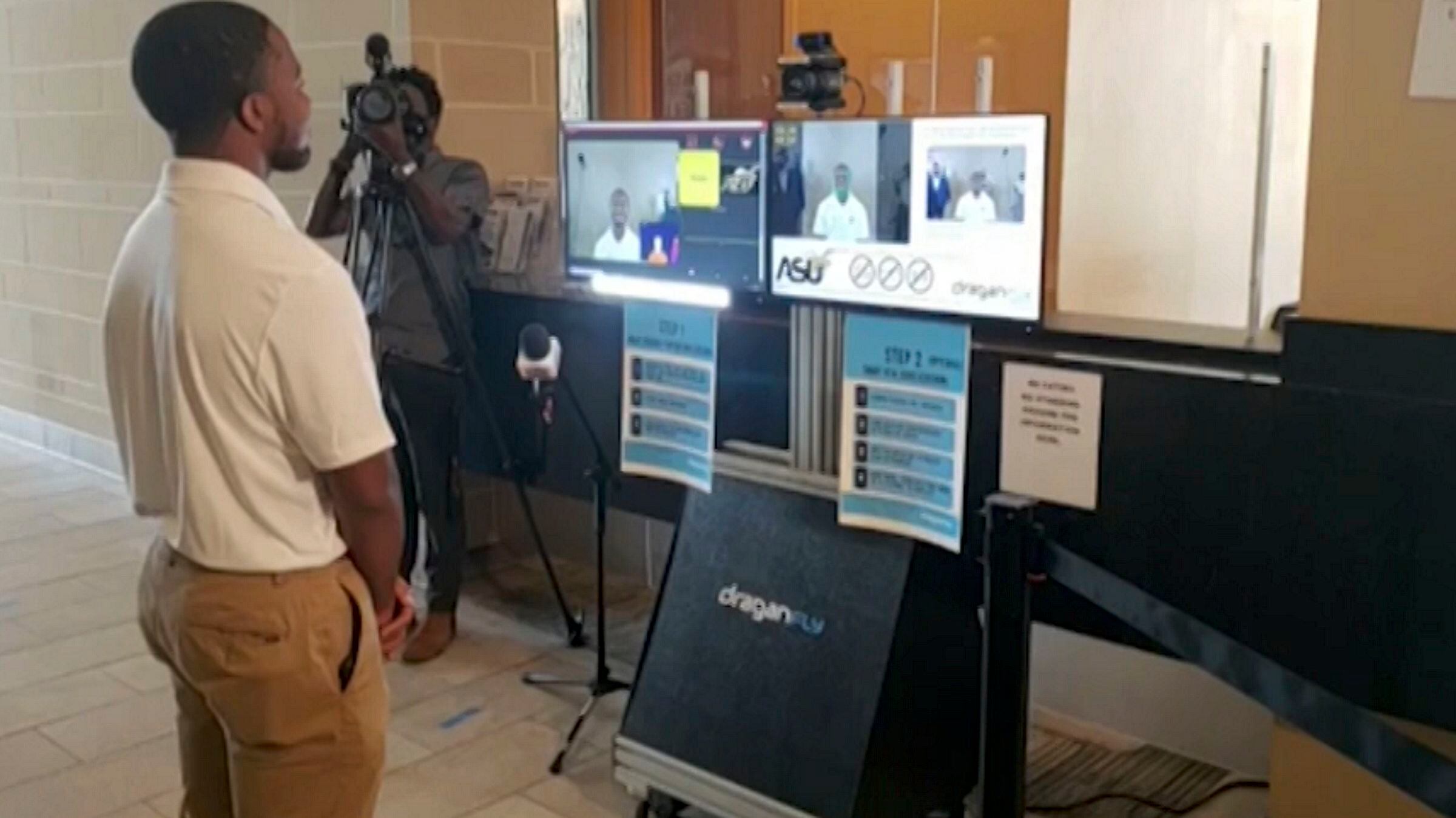
Alabama State University has managed to keep COVID-19 infections at zero despite rising cases on college campuses. University president, Quinton Ross, Jr, joined Cheddar to discuss new technology that scans for coronavirus symptoms.
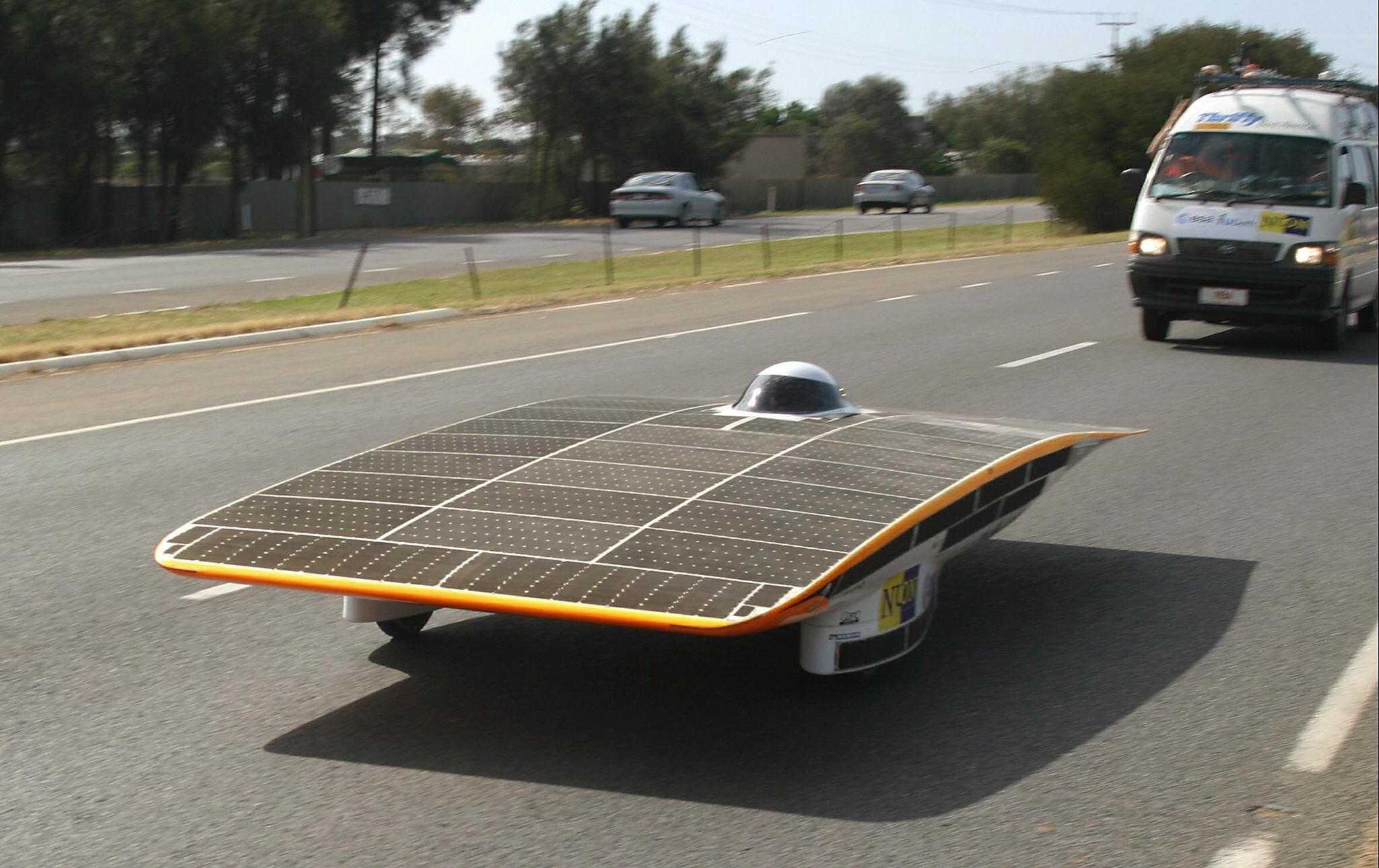
In the 1980's and 90's, the solar car was deemed the future of transportation. Yet, just as quickly as it arrived, the solar car disappeared. But today, as the problems caused by our reliance on fossil fuels have grown, so has a demand for alternative sources of energy for our vehicles. While electric cars are rapidly gaining a larger share of the automotive market, this technology still relies on electricity from a grid often fueled by petroleum or coal. And this is why some companies today are again trying to harness the most powerful energy source we know: the sun.
Wildfires are raging unchecked across parts of the western United States as winds sweep the region.
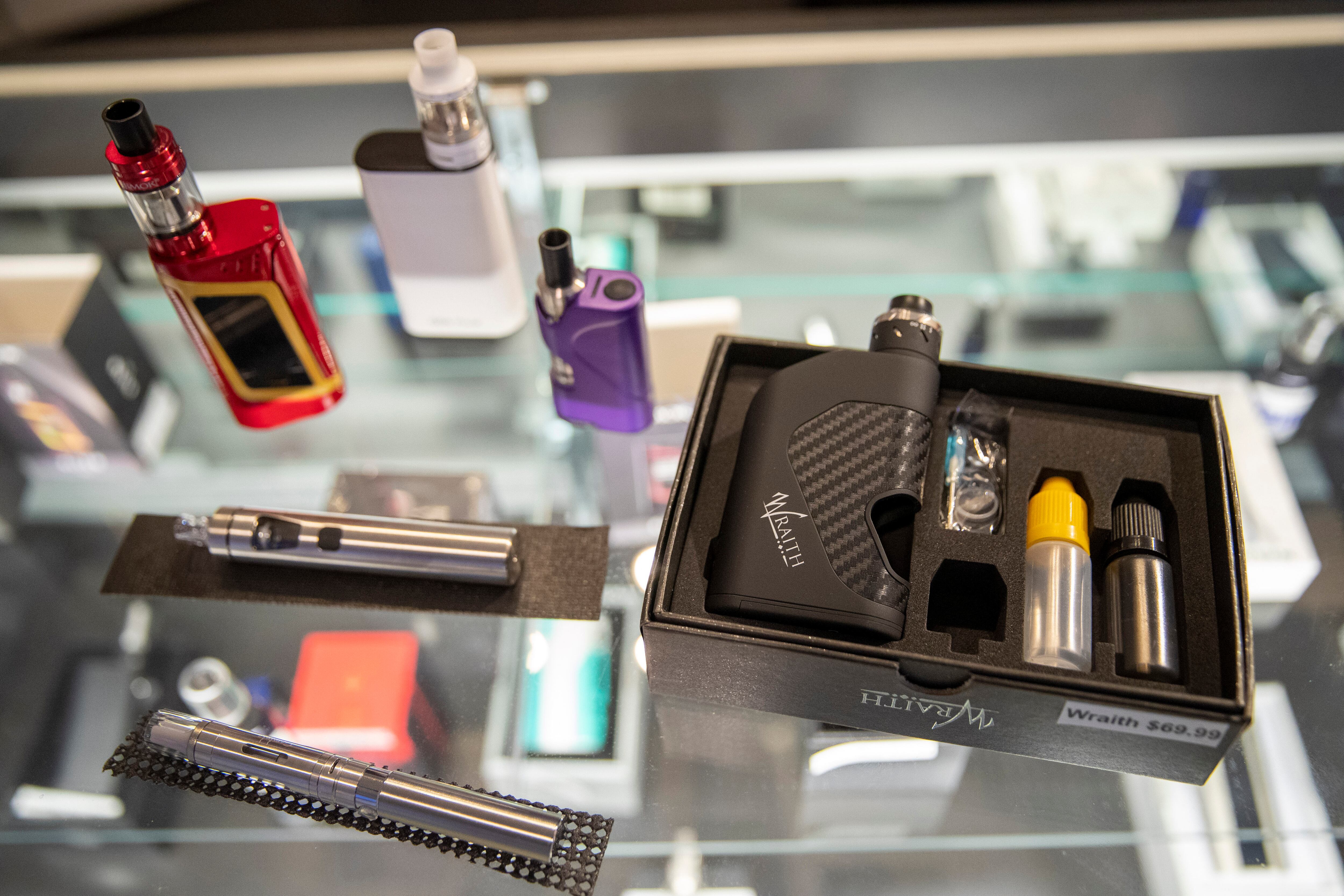
A new federal report shows vaping rates among U.S. teenagers fell dramatically this year.
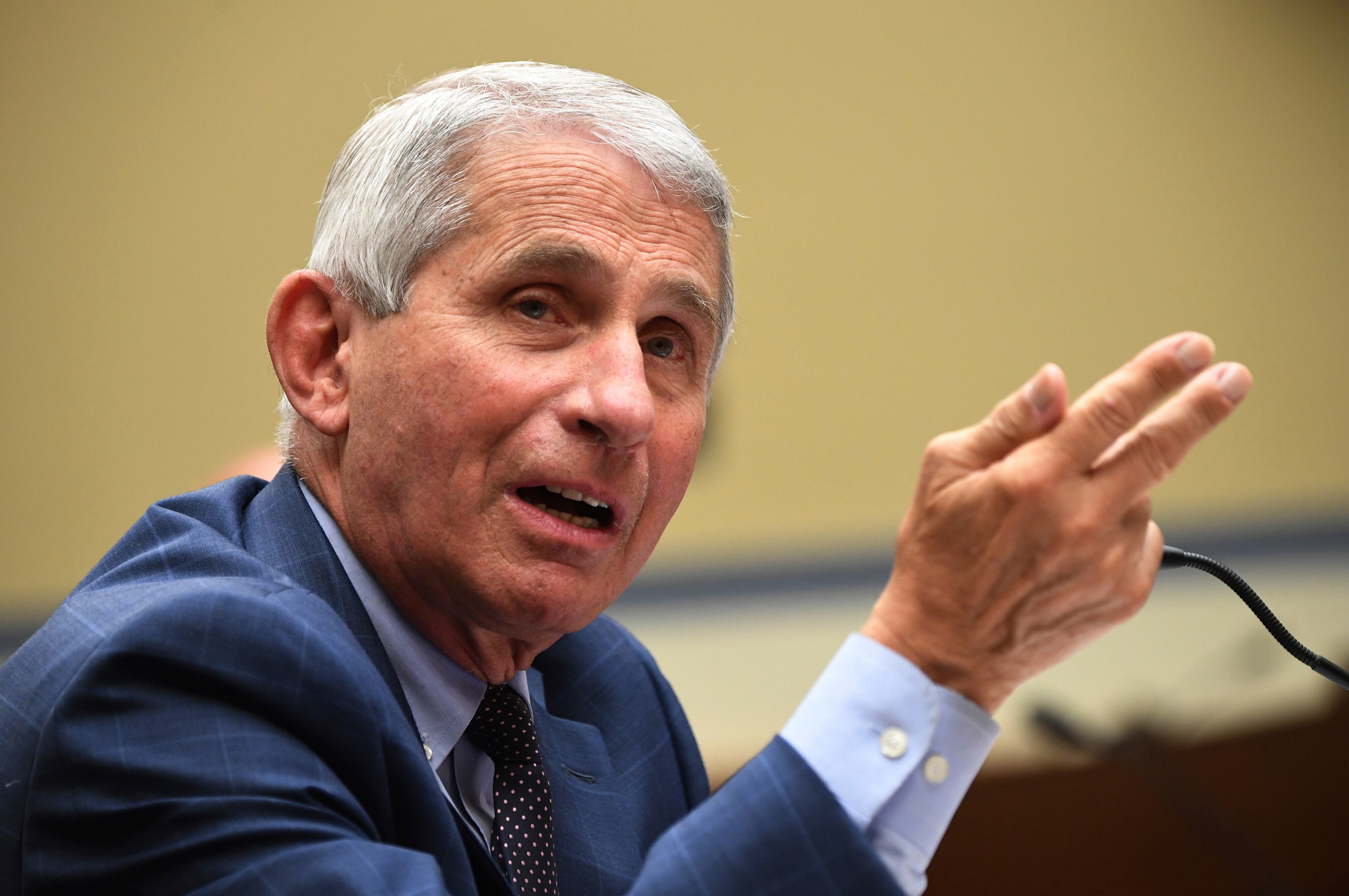
Dr. Anthony Fauci says AstraZeneca's suspension of its COVID-19 vaccine study shows “one of the safety valves” built into the research to spot any potential problems.
Scientists who sent bulked-up, mutant “mighty mice” to the International Space Station say the animals held onto their muscle during the monthlong flight.