*By Michael Teich*
At a time when misinformation floods digital news platforms, and internet trolls take over comment sections, online news platform NewsPicks is turning to high-profile curators for quality content.
Curation led by trusted sources increases the "chance of bringing in the best content that's obviously not fake," said CEO Ian Myers.
The growing need to purge tech sites of potentially problematic content was highlighted most recently by Twitter which, [according to the Washington Post](https://www.washingtonpost.com/technology/2018/07/06/twitter-is-sweeping-out-fake-accounts-like-never-before-putting-user-growth-risk/), suspended 70 million fake accounts over the last two months and was banning more than a million accounts a day.
Fears that such a culling would cut into user growth sent shares of Twitter reeling Monday, though the stock was about to pare losses after CFO Ned Segal [tweeted](https://twitter.com/nedsegal/status/1016371745933033472) that such accounts were not counted in the company's metrics.
Still, the way news is digested and delivered is undergoing a period of disruption, and tech companies such as Apple, Google, and Facebook are looking to seize the market. But the aggregation by Silicon Valley natives lacks originality, Myers told Cheddar.
“It’s commodity news. Doesn’t matter where you get it. It’s just where you click first.”
NewsPicks is owned by a Japanese media company that also acquired Quartz last week for up to $110 million.
For the full segment, [click here.](https://cheddar.com/videos/newspicks-ceos-key-to-winning-digital-news-quality-over-quantity)
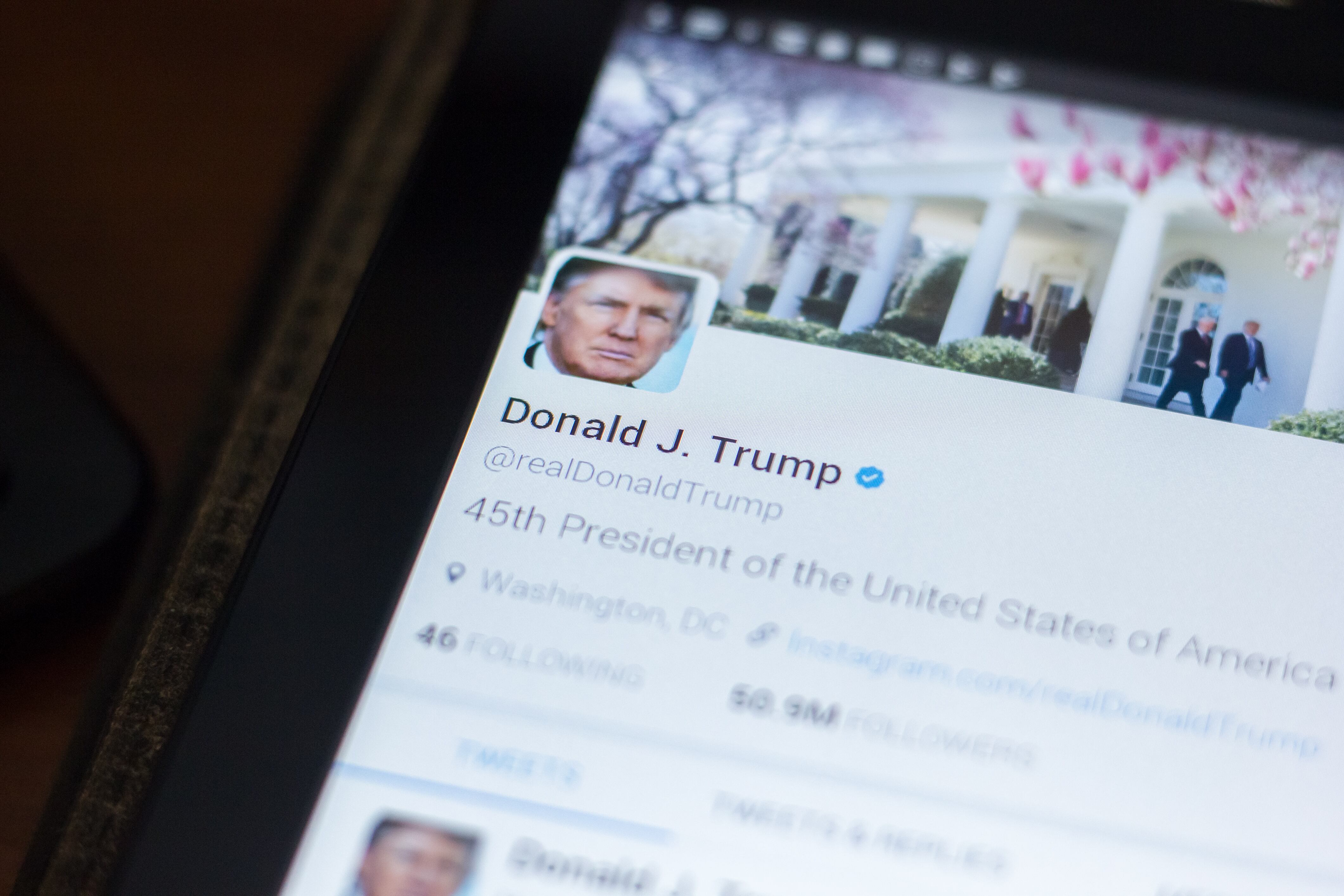
Without mentioning President Donald Trump — by far the most high-profile and contentious leader on Twitter — the company added that tweets with a "clear public interest" would not be removed.
These are the headlines you Need to know for Wednesday, October 16, 2019.
According to insurance carrier Hiscox, cyberattacks are costing small businesses $200,000 on average and putting 60% out of business within six months of being victimized.
Today's Myth: Online business privacy is dead. Brian Fanzo, founder of iSocialFanz, joins Cheddar to break down this myth and share how you can keep your business safe.
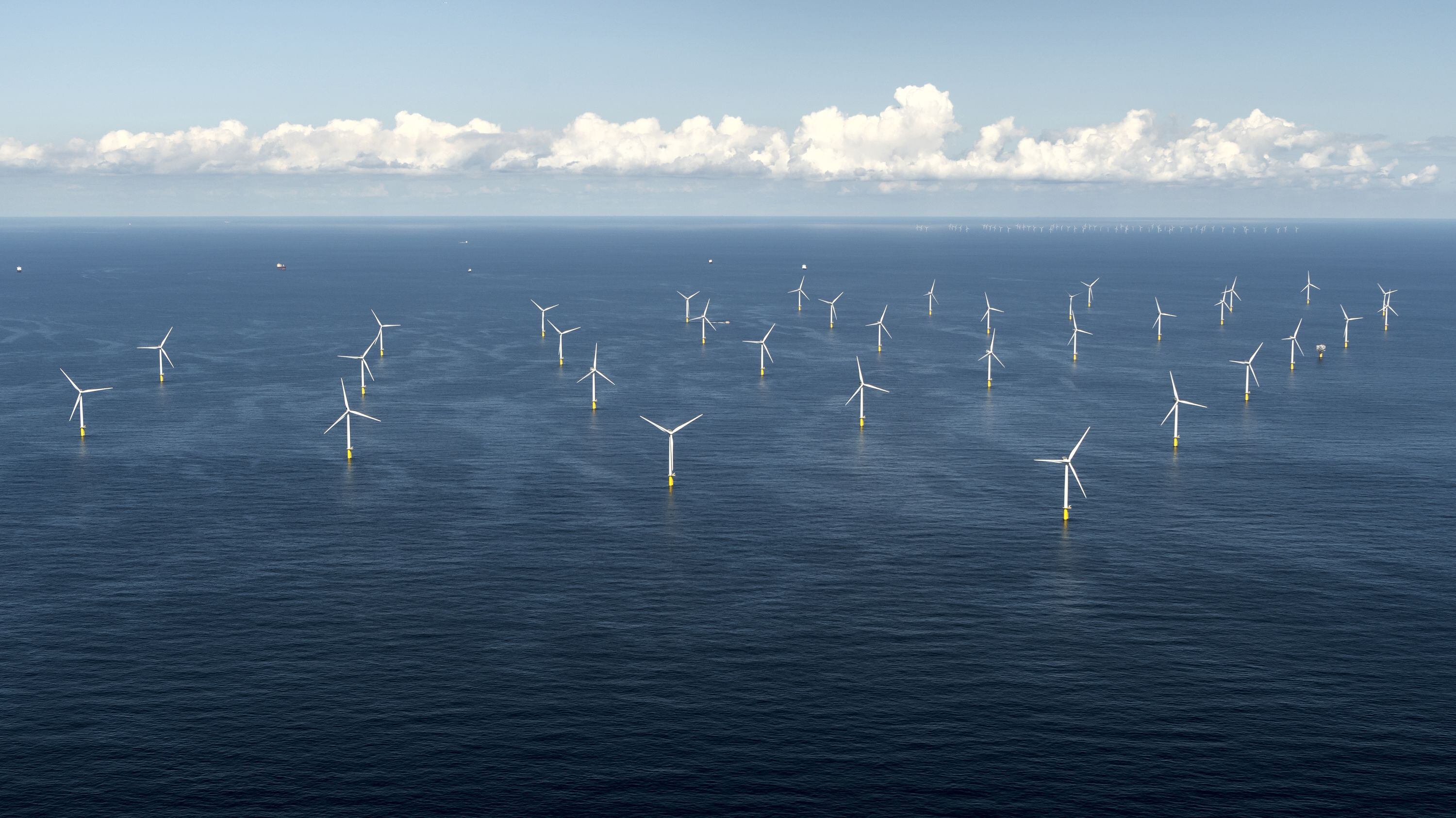
Offshore wind remains a virtually untapped market – one estimated to be worth close to $70 billion, with the promise of supplying such lucrative East Coast markets as New York City, Boston, Baltimore, and Philadelphia.
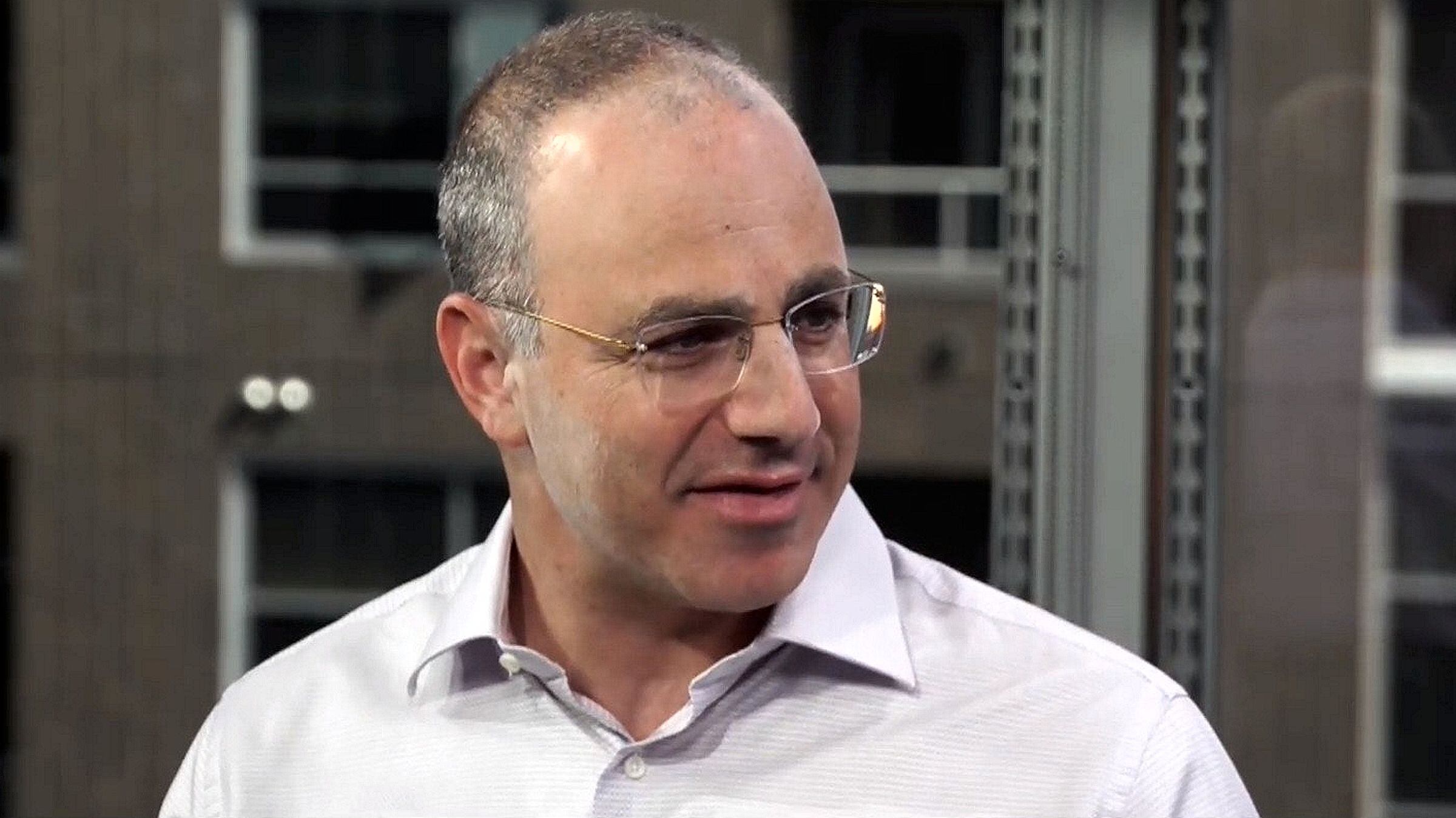
Elie Seidman, CEO of Tinder, discusses the apocalyptic-themed adventure game, called Swipe Night, which allows users to dictate what happens next in the story. The user's decisions will then match them with other like-minded players.
From Wall Street to Silicon Valley, these are the top stories that moved markets and had investors, business leaders, and entrepreneurs talking this week on Cheddar.
In an effort to get "tax policy parity" with other renewable resources, the American Wind Energy Association says it will seek the same tax credit pursued by the solar energy sector.
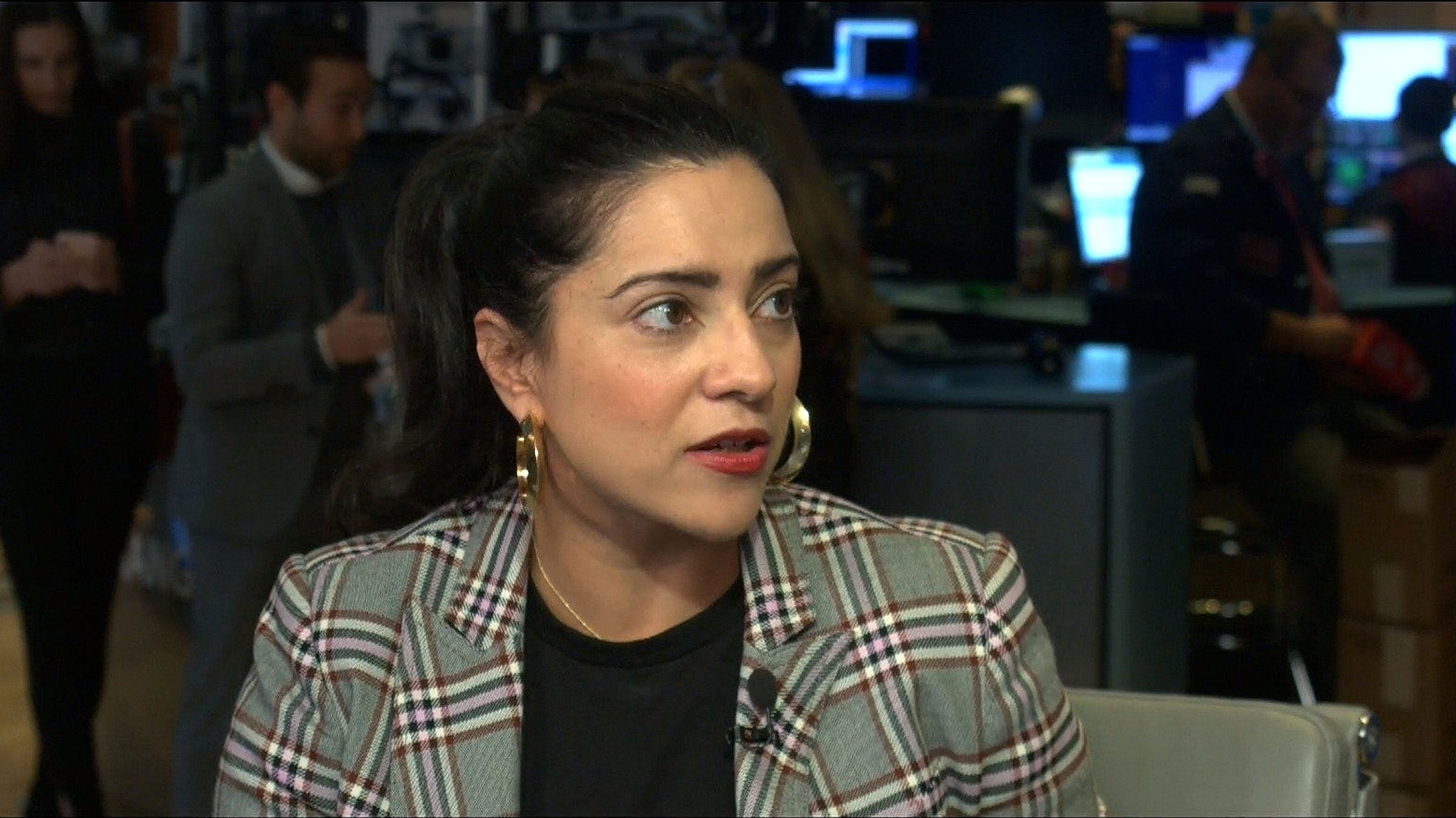
Girls Who Code founder and CEO Reshma Saujani discussed the first all-digital "march" to spread awareness of gender inequality in the tech space.
Wisecrack has over 2.7 million subscribers on YouTube and seven podcasts. Jacob Salamon, co-founder and CEO of Wisecrack, breaks down the importance of community and shares tips to help creators improve their craft.
Apple this week removed a smartphone app called HKmap.live that was used by pro-democracy demonstrators in Hong Kong to track police movements, and Google dropped a smartphone game that lets users role-play as protesters in the city.