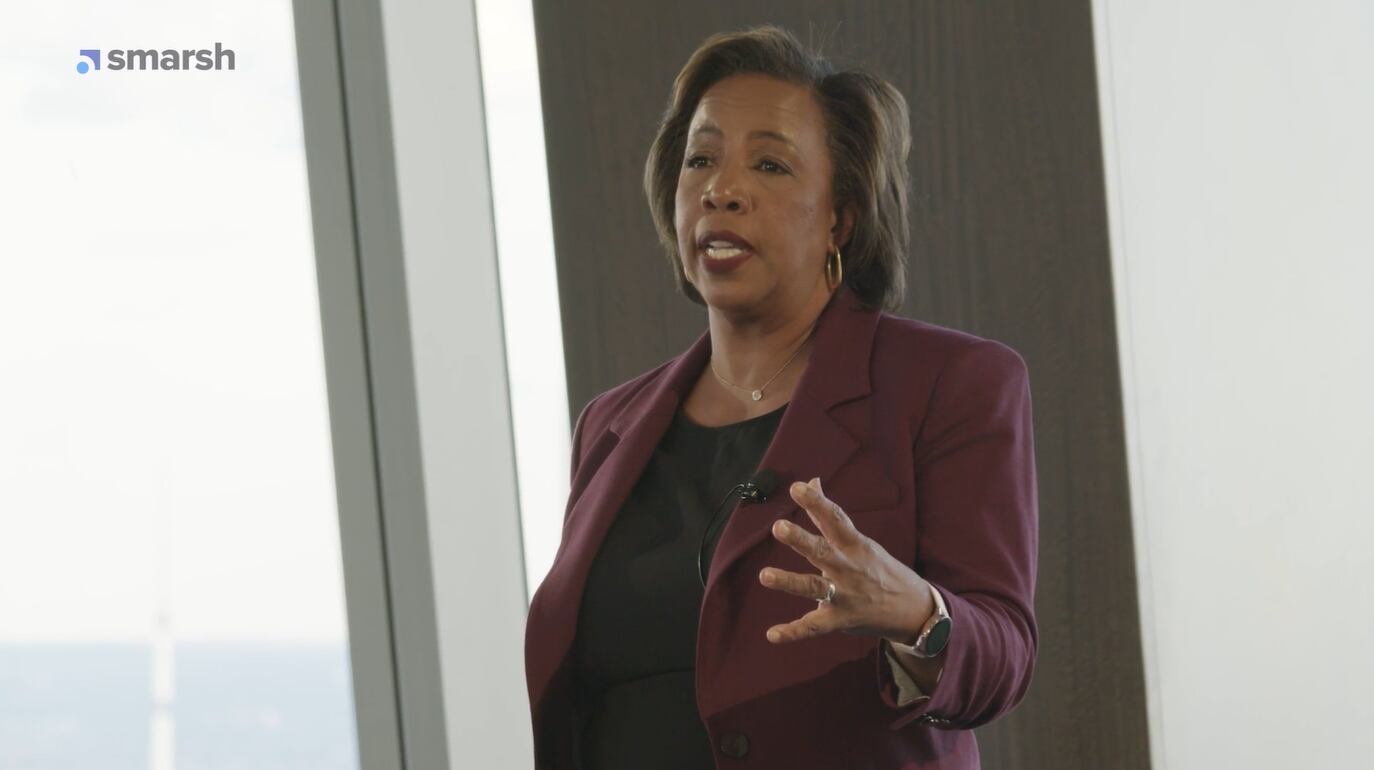
The non-profit organization Stop AAPI Hate is working to bring awareness to the rise in attacks against Asian and Pacific Islander Americans. The group just released data from thousands of incidents that were reported to the group throughout the United States last year. Now the group is calling on all Americans to join efforts to end discrimination against AAPI people, said Cynthia Choi, co-founder of the organization.
With President Donald Trump publicly blaming China for the spread of COVID-19, The non-profit reporting center was founded in 2020 as reports of crimes against Asian people began to increase. According to the data, nearly 3,800 incidents were reported to the group between March 2020 and February 2021, and Choi alleged that even this number is a vast misrepresentation of the entire picture.
"We’ve pretty much said from the very beginning that we know that people are underreporting on our site, and there’s definitely been an historic underreporting to law enforcement and government agencies, which is one of the reasons we started this reporting center," she said.
Though it's still too early to compare the entirety of 2020's stats to just two months of data from this year, Choi said incidents aren’t getting less intense. They are simply being reported less frequently for a myriad of reasons. She also noted that the incidents aren’t just limited to Asians being subjected to verbal and physical assaults on the streets, but they're "pervasive and systemic" and not all "hate crimes." According to the report, more than 35 percent of reports of discrimination happened at the site of businesses.
For Asian women, the issue has been even more prevalent as women, in general, tend to experience more harassment than men, and Choi said a short-term goal is to spread awareness about the Stop AAPI Hate reporting center so it has more data that would help establish plans to bring an end to these kinds of attacks.
"It’s very concerning that this is happening from across the country where we see reports from all 50 states including DC. We’re seeing, again, that these types of acts are really penetrating everywhere," she said.
Right now, the center accepts reports in 12 different languages.
The group also provides an outlet for people that do not identify as Asian to pitch in and use their reporting tool as well.
"We also have resources for people who are concerned about being directly targeted and also for those who witness individuals being targeted, not just Asians, but other groups that are being targeted because of what they look like, their gender — and how to do that safely," Choi said.