The non-profit organization Stop AAPI Hate is working to bring awareness to the rise in attacks against Asian and Pacific Islander Americans. The group just released data from thousands of incidents that were reported to the group throughout the United States last year. Now the group is calling on all Americans to join efforts to end discrimination against AAPI people, said Cynthia Choi, co-founder of the organization.
With President Donald Trump publicly blaming China for the spread of COVID-19, The non-profit reporting center was founded in 2020 as reports of crimes against Asian people began to increase. According to the data, nearly 3,800 incidents were reported to the group between March 2020 and February 2021, and Choi alleged that even this number is a vast misrepresentation of the entire picture.
"We’ve pretty much said from the very beginning that we know that people are underreporting on our site, and there’s definitely been an historic underreporting to law enforcement and government agencies, which is one of the reasons we started this reporting center," she said.
Though it's still too early to compare the entirety of 2020's stats to just two months of data from this year, Choi said incidents aren’t getting less intense. They are simply being reported less frequently for a myriad of reasons. She also noted that the incidents aren’t just limited to Asians being subjected to verbal and physical assaults on the streets, but they're "pervasive and systemic" and not all "hate crimes." According to the report, more than 35 percent of reports of discrimination happened at the site of businesses.
For Asian women, the issue has been even more prevalent as women, in general, tend to experience more harassment than men, and Choi said a short-term goal is to spread awareness about the Stop AAPI Hate reporting center so it has more data that would help establish plans to bring an end to these kinds of attacks.
"It’s very concerning that this is happening from across the country where we see reports from all 50 states including DC. We’re seeing, again, that these types of acts are really penetrating everywhere," she said.
Right now, the center accepts reports in 12 different languages.
The group also provides an outlet for people that do not identify as Asian to pitch in and use their reporting tool as well.
"We also have resources for people who are concerned about being directly targeted and also for those who witness individuals being targeted, not just Asians, but other groups that are being targeted because of what they look like, their gender — and how to do that safely," Choi said.
Tire manufacturer Michelin is partnering with the popular video game "The Sims FreePlay" in order to meet teens where they are to promote driving safety. Michelin North America Chairman and President Alexis Garcin joined Cheddar News to discuss how the #GoldenGauge program integrates with the game. "If you're a gamer yourself or your kids, then while you're driving and moving on the application, you will find a Michelin billboard, and if you engage with that billboard, then you will get some advice about how tires are critical for your safety on the road," Garcin explained. *Updated with the full title of 'The Sims FreePlay' and a typo fix in the name of Alexis Garcin.*
The video game industry has come a long way from the first commercialized 3D video game in 1980, but it still has a long way to go. Video game creators have recently been called out for not having realistic Black hairstyles in their games and graphic artists are now taking matters into their own hands by creating The Open Source Afro Hair Library. Jovan Wilson, 3D artist and resident for The Open Source Afro Hair Library, joined All Hands to discuss.
Neil Young has come up with an ultimatum for Spotify: his music or Joe Rogan’s podcast. This comes over concerns that the podcast is spreading COVID-19 vaccine misinformation to its listeners. "The Joe Rogan Experience," which is exclusive to Spotify, is currently the number one streamed podcast on the platform.
The American Federation Teachers Union has announced its latest partnership with NewsGuard in efforts to help educators play a greater role in deciphering facts from fiction that students see online. They say the goal is to help students build critical-thinking skills while also teaching them the importance of media literacy. Executive Vice President of Partnerships at NewsGuard, Sarah Bandt, joined Cheddar to talk more.
Doctor Caroline Leaf has created a 21-day program, consisting of five simple, but mindful, steps designed to rid our minds of toxic thoughts, anxiety, and depression. This brain detox is scientifically proven to impact one's happiness and success. Doctor Caroling Leaf, neuroscientist, author, and speaker at Switch Your Brain, joins Cheddar News to discuss.
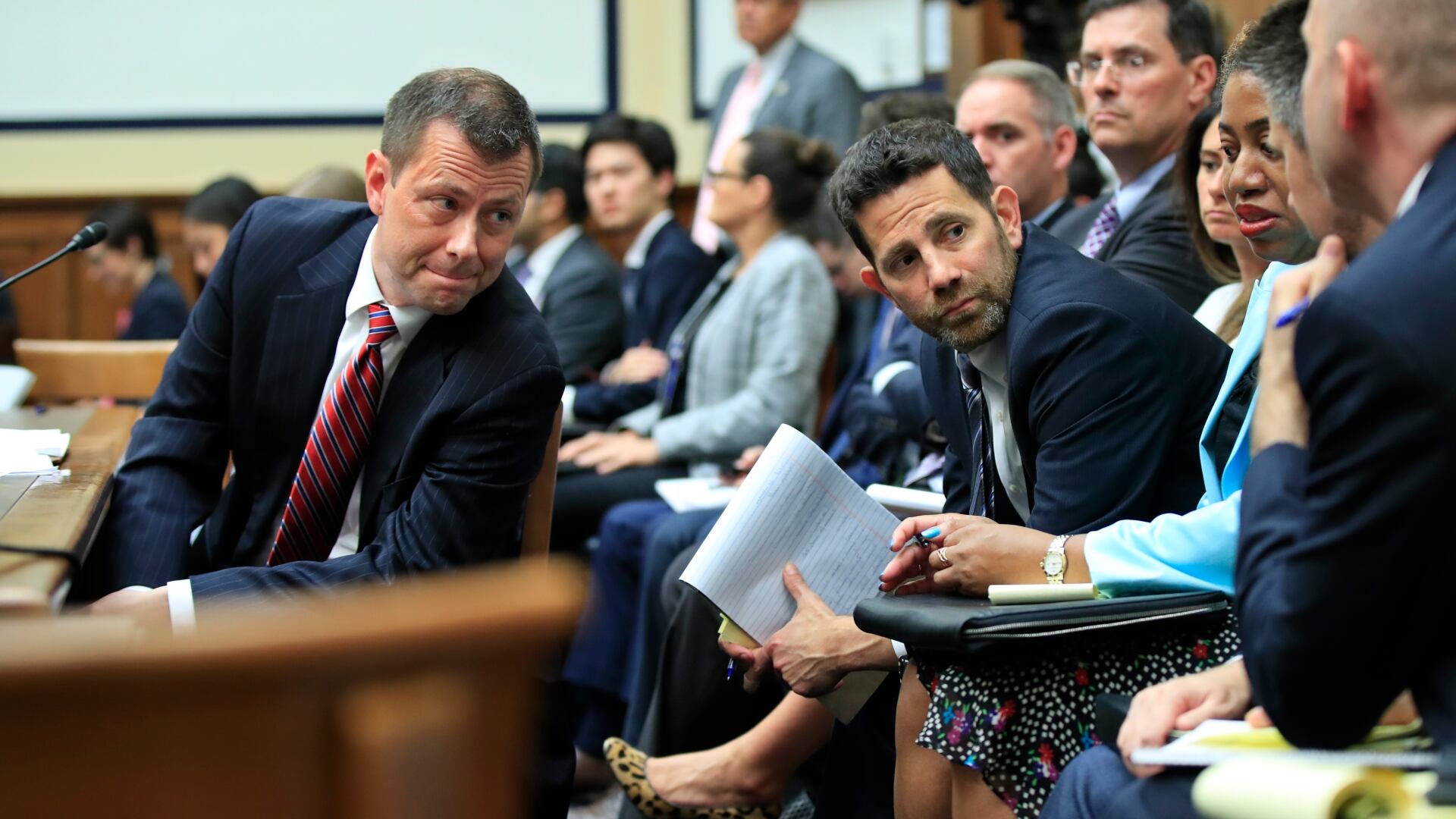
The memoir, "COMPROMISED: Counterintelligence and the Threat of Donald J. Trump", tells a familiar story from a bit of a different source: Peter Strzok himself, former FBI Counterintelligence Agents and Agency Veteran who spent most of his very long career investigating some of the most controversial inquiries, most notably in recent American history. Those inquiries were Hillary Clinton's email to even Trump Russia investigations. Former FBI Agent and Author of "Compromised" Peter Strzok, joined Cheddar to discuss more.
Foodable Labs data shows restaurants that started offering vegan options saw a 13% increase in traffic. According to this 2018 study, 51% of U.S. restaurants now offer vegan options, and we can expect that number to keep rising. This week, one plant-based, fast-casual restaurant celebrates the grand opening of their first brick-and-mortar store in New York City: PLNT Burger. Ben Kaplan, CEO of PLNT Burger, joins Cheddar News to discuss.
Commercial and residential buildings account for 13% of carbon emissions in the U.S., according to the EPA, and one company says it has a solution. Runwise says it has updated the boiler and heating systems of thousands of buildings, and that its technology not only lowers carbon output but also saves landlords money. Lee Hoffman, Co-Founder and COO of Runwise, joined Cheddar Climate to discuss.
Kirsten Jordan, real estate broker and star of 'Million Dollar Listing New York,' joins Cheddar News to talk about the state of New York City real estate, tips for homebuyers, and season 9 of the Bravo show.
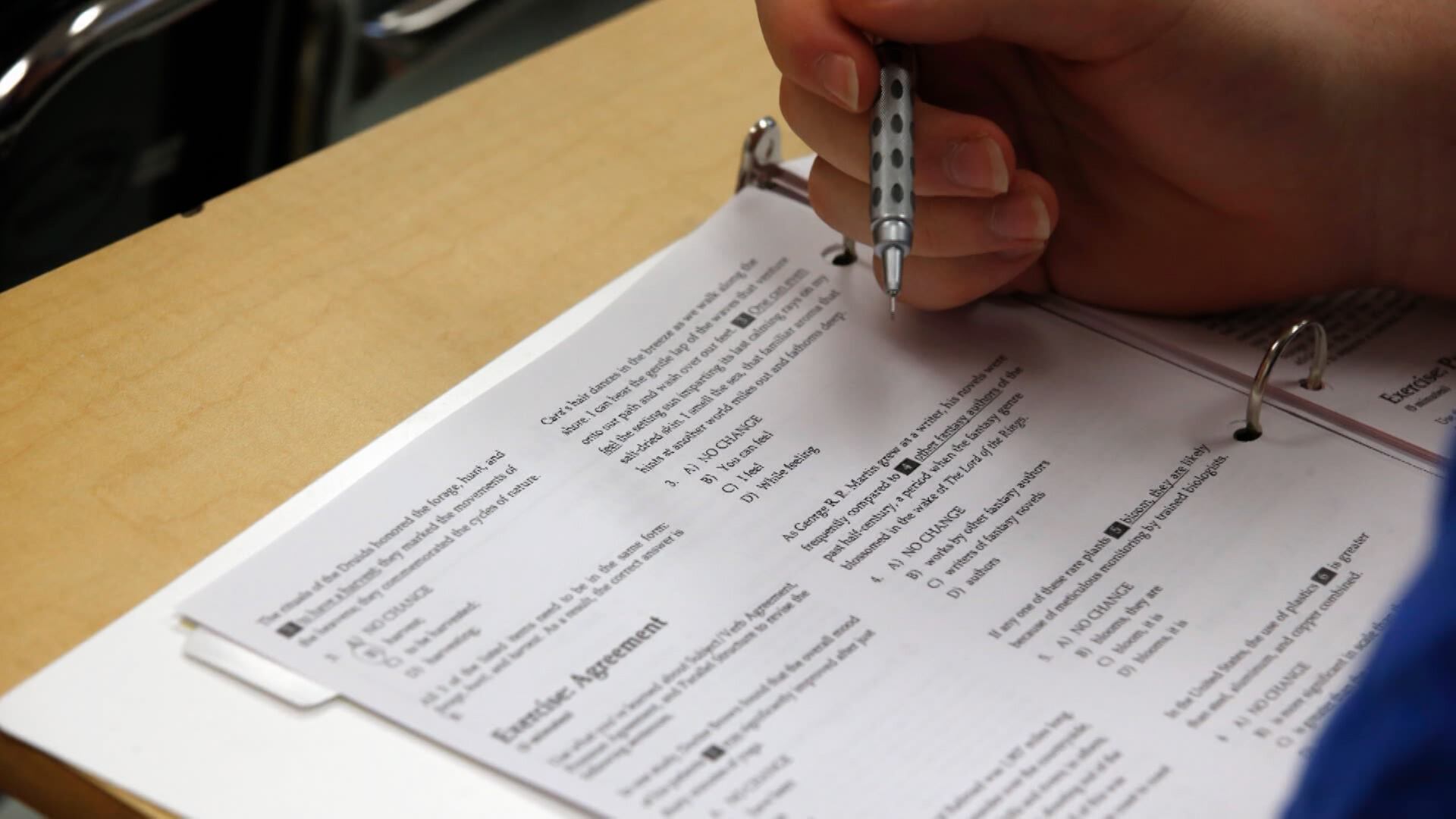
No. 2 pencils or Scantron bubble sheets are a thing of the past for the SATs. Priscilla Rodriguez, head of college readiness assessment for the College Board, joined Cheddar News Wrap to talk about the modern overhaul of the college entrance exam. On top of the change to an all-digital format and shorter time limit, the latest iteration will feature updates to help with flexibility and security. "As we've built our own digital testing platform, the app the students will do this on, we built this with security at the core," Rodriguez said. "And, in going digital we can do something we can't do today, which is, give every student who's taking the SAT, let's say in a given day, even in a given room in a school, a different version of the SAT."