A woman works at home while remaining confined to her home in a city of 13 habitants on March 19, 2020 in Santa Eulalia La Mayor, Huesca, Spain. (Photo by Álvaro Calvo / Getty Images)
Streaming video companies like YouTube, Netflix, and Amazon have all agreed to reduce the quality of their streaming videos in Europe in order to reduce the strain on Internet bandwidth during the coronavirus pandemic.
European Union Internal Market and Services Commissioner Thierry Breton called on streaming companies on Wednesday to help ease the strain on its Internet. About 60 percent of Internet consumption is streaming video.
With more people working and learning from home, there are valid concerns that the internet and mobile systems can be overloaded. There are more than 450 million people living in the European Union.
Entertainment venues have shut down to promote social distancing, leaving streaming entertainment as one of the only ways to spend time. On top of it all, Disney+ is set to launch in Europe on March 24. The Spanish telecommunications industry encouraged people to try and use off-peak hours for streaming services and switch to landlines to make calls instead of mobile phones, the Financial Times reported.
Netflix said it takes about 1 GB of data per hour to stream standard definition video. It uses about 3GB per hour to do high definition video. But by switching EU residents to standard video, it thinks it can reduce its traffic on European networks by 25 percent.
Many are concerned that the European experience may foreshadow what might happen in the U.S. With one out of five Americans ordered to stay indoors to stop the spread of the coronavirus, questions are mounting whether or not the internet infrastructure can handle everyone working and watching from home.
While Internet speeds have slowed down in areas affected by the coronavirus, the good news is no one’s network has gone down yet. Peak traffic in areas affected by the coronavirus has gone up only 10 percent on average, per web-infrastructure and website-security company Cloudflare. Italy, which is facing a nationwide quarantine, has only seen its top traffic up 30 percent.
The internet infrastructure in the U.S. should be able to handle increased demand at these levels, former Federal Communications Commission chief of staff Blair Levin told CNN.
Super Bowl Champion, Julian Edelman, talks Chiefs' conspiracies, his fave TSwift song and his bet for Super Bowl LIX. Plus, the best time for a bathroom break.
Ron Hammond, Sr. Director of Government Relations at the Blockchain Association, breaks down Trump’s plan to strengthen U.S. leadership in financial technology.
BiggerPockets Money podcast is now available on Cheddar Wednesdays at 10am ET! Mindy Jensen shares how her podcast is helping people gain financial freedom.
The social video platform's future remains in doubt, as players scramble to profit from the chaos. Plus: Big oil gets bigger, DOGE downsizes, and tariffs!
Ty Young, CEO of Ty J. Young Wealth Management, joins Cheddar to discuss Trump's moves as he returns to Washington D.C. and how it may affect the U.S. economy.
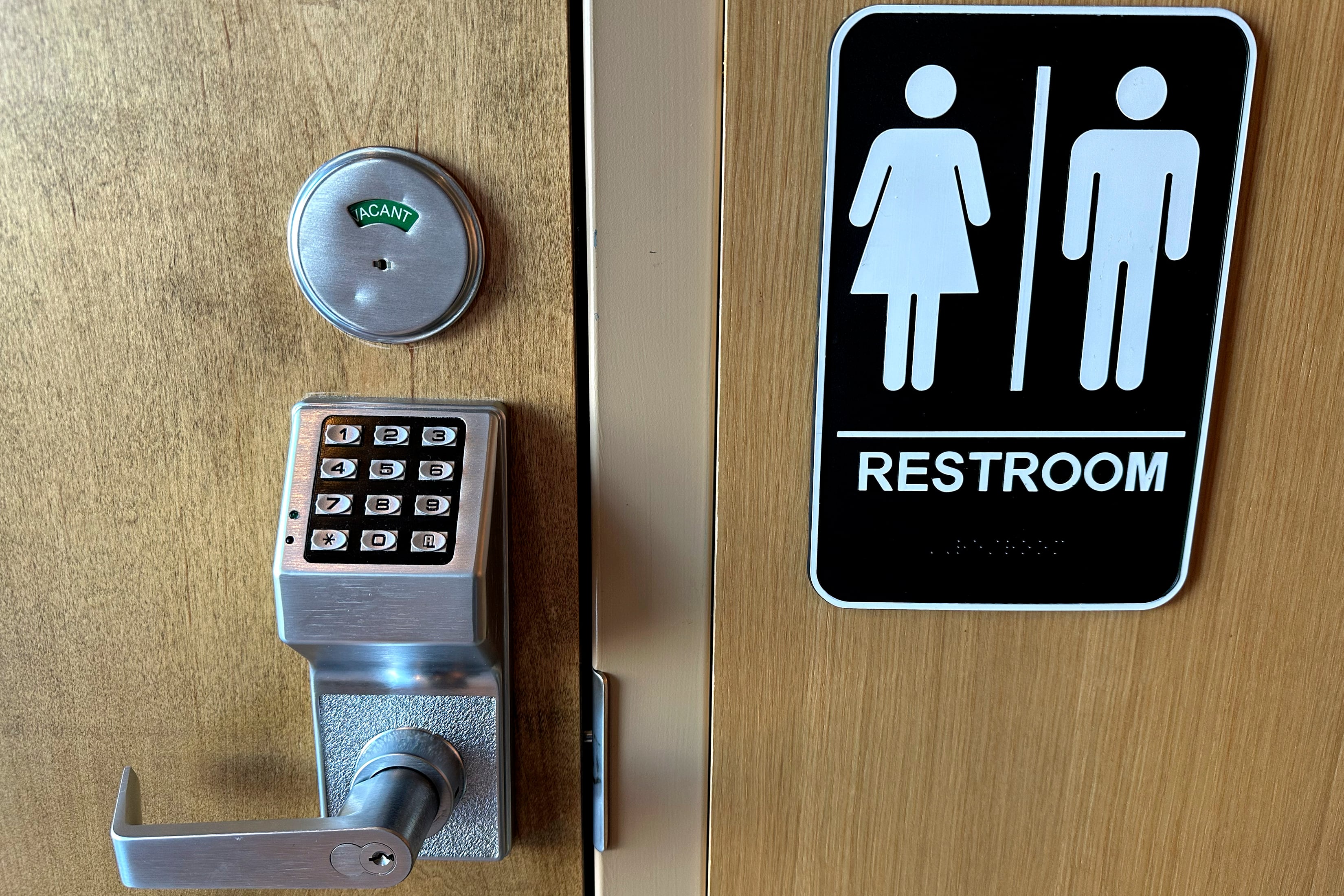
Starbucks’ decision to restrict its restrooms to paying customers has flushed out a wider problem: a patchwork of restroom use policies that varies by state and city. Starbucks announced last week a new code of conduct that says people need to make a purchase if they want to hang out or use the restroom. The coffee chain's policy change for bathroom privileges has left Americans confused and divided over who gets to go and when. The American Restroom Association, a public toilet advocacy group, was among the critics. Rules about restroom access in restaurants vary by state, city and county. The National Retail Federation says private businesses have a right to limit restroom use.
President Donald Trump is talking up a joint venture investing up to $500 billion for infrastructure tied to artificial intelligence by a new partnership formed by OpenAI, Oracle and SoftBank. The new entity, Stargate, will start building out data centers and the electricity generation needed for the further development of the fast-evolving AI in Texas, according to the White House. The initial investment is expected to be $100 billion and could reach five times that sum. While Trump has seized on similar announcements to show that his presidency is boosting the economy, there were already expectations of a massive buildout of data centers and electricity plants needed for the development of AI.
Chris Ruder, Spikeball Founder and CEO, explains how he and his friends put roundnet on the global map, plus, how Spikeball helps people "find their circle."