Signs of encouragement for nursing home employees decorate the entrance to the Kimberly Hall South nursing home, Thursday, May 14, 2020 in Windsor, Conn. The coronavirus has had no regard for health care quality or ratings as it has swept through nursing homes around the world, killing efficiently even in highly rated care centers. Preliminary research indicates the numbers of nursing home residents testing positive for the coronavirus and dying from COVID-19 are linked to location and population density — not care quality ratings. (AP Photo/Chris Ehrmann)
By Ricardo Alonso-Zaldivar and Candice Choi
Federal health authorities have received reports of nearly 26,000 nursing home residents dying from COVID-19, according to materials prepared for the nation's governors. That number is partial and likely to go higher.
A letter from the Centers for Medicare and Medicaid Services and the Centers for Disease Control and Prevention reports more than 60,000 cases of coronavirus illness among nursing home residents. A copy of the letter and an accompanying chart were provided to The Associated Press.
The numbers, which had been promised by the end of May, are partial. The letter said the data are based on reports received from about 80% of the nation's 15,400 nursing homes.
CMS, which is responsible for nursing home quality standards, also told the governors it is increasing penalties for nursing homes failing to comply with longstanding infection control requirements.
A federal watchdog report last month found a “persistent” pattern of infection control problems in nursing homes even before the coronavirus. The Government Accountability Office said that about 40% of the nursing homes inspected in each of the past two years were cited for problems with infection control and prevention.
Although the first wave of the pandemic may be easing in much of the country, that doesn’t mean nursing homes are in any less danger. Experts say in a virus rebound they can again become the stage for tragic scenes of death and despair, as well as a risk for the broader community.
“What is going on in a nursing home can be a barometer for where the virus is,” said Tamara Konetzka, a research professor at the University of Chicago, who specializes in long-term care issues. “You’ve got to be watching out and expecting a lot of cases in that community as well.”
It’s widely agreed that prompt, methodical, ongoing testing of residents and staff is the key to making nursing homes safer, but a White House recommendation for states to test all residents within two weeks failed to produce desired results. A recent AP review found a patchwork of progress, with only a handful of states meeting the goal. Nationwide, about 1.4 million elderly and disabled residents live in some 15,500 facilities.
The nursing home industry says money is one of the main obstacles to widespread testing, particularly to pay for testing of staff, who number more than 1 million people. An industry trade group, the American Health Care Association, estimates it would cost $672 million for a one-time test for all residents and staff in nursing homes and assisted living facilities. And that would not solve the problem since public health experts recommend ongoing testing.
Another hurdle is that many nursing homes don’t have established relationships with medical labs to quickly turn around results.
Mark Parkinson, head of the nursing home association, says the cost of a well-designed national testing program could reach into the billions of dollars.
“It’s very important in the next stimulus bill not to just order testing,” said Parkinson, adding that Congress needs to provide the money as well.
The Centers for Medicare and Medicaid Services has recommended a one-time test for all residents and staff, as well as weekly retesting of staff. Facilities should retest residents weekly until none test positive. CMS head Seema Verma says states should use “extreme caution” before reopening nursing homes to visitors.
Some policy experts are hoping that the loss of life in nursing homes will lead state and national leaders to overhaul policies toward the industry, long a stepchild of the health care system.
“This is not a nursing home problem; this is a health system problem,” said Terry Fulmer, president of the John A. Hartford Foundation, which works to improve care for older adults. “Every system produces the outcome it is set up for. If you set up a system where the sickest and frailest people are in locations that are forgotten about and ignored, where the staff is paid less, why should that surprise anyone?”
With contradictory reports about Russian troops pulling back or being added to the border with Ukraine and the expulsion of a U.S. diplomat from Russia, tensions in the region appear to be escalating. Jack Detsch, a Pentagon and national security reporter for Foreign Policy, joined Cheddar News to break down the situation. "Certainly a different tone out of Moscow today and a different tone out of the West. Even as the Kremlin has made the case that troops are moving back, the U.S. is saying that is certainly not the case with the satellite imagery that we have pouring in," he said.
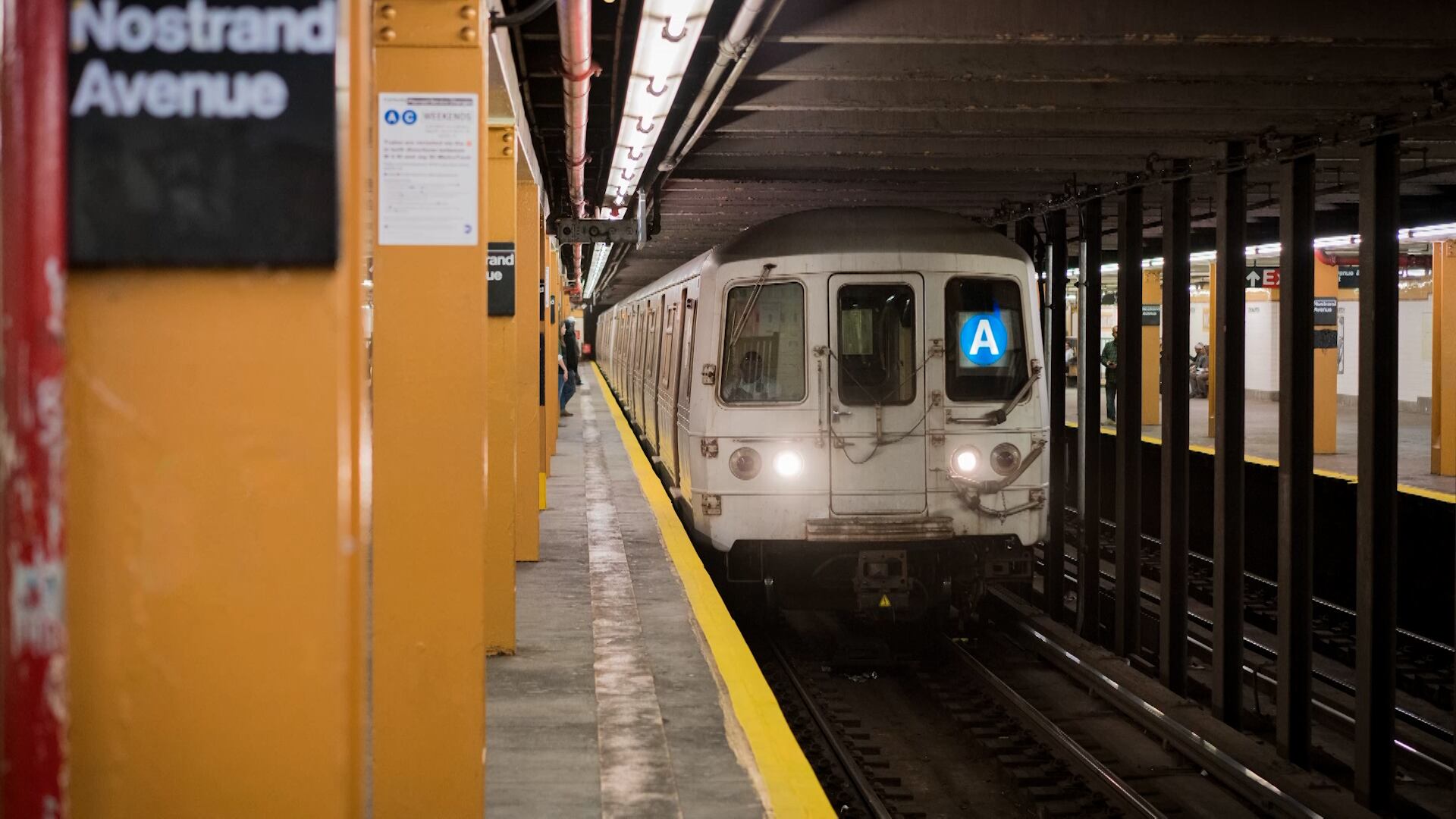
New York City's famous subway system is currently facing scrutiny after several recent attacks on platforms. Now, local leaders in the Big Apple are calling on the MTA. To step in and take action.
Tensions in Ukraine continue to rise. According to NATO and U.S. officials, Russian troops are still being built up despite Moscow's claims of de-escalation. However, Ukraine does not believe the troops are enough to mount an invasion. The government in Kyiv has also reported several cyber attacks against its defense agencies and banks which is the largest attack in the country's history. Foreign Affairs Reporter based in Ukrain, Terrell Starr, joined Cheddar to discuss more
A Senate bill unveiled on Wednesday looks to tackleonline safety for children by regulating Big Tech and social media platforms to deter users from content that can harm their mental health. Irene Ly, a policy counsel for the age-based ratings and review organization Common Sense Media, joined Cheddar News to break down the potential of the Kids Online Safety Act. "We can't be imposing such a big burden on parents to be doing it all on theirselves," Ly said. "I think you also have to keep in mind that parents often didn't grow up with social media, so they don't understand what it's like to be addicted to social media or really understand how they work."
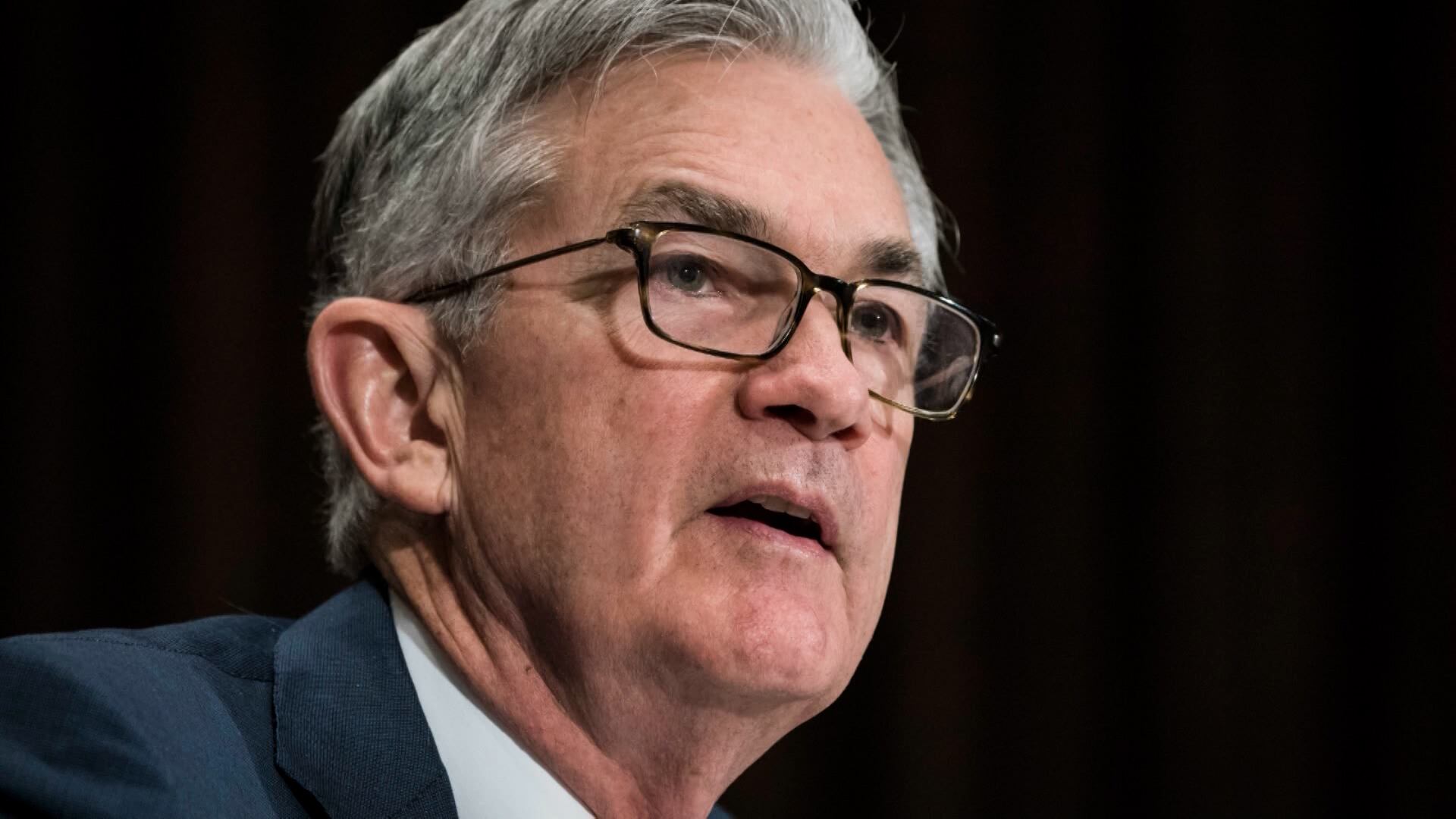
The Federal Reserve minutes from its January meeting are indicating it's sticking to an interest rate hike in March, but what does the report coupled with ongoing inflation mean for investors going forward? Scott Brown, a market strategist at LPL Financial, joined Cheddar News to break down the minutes and talk about how investors might navigate the rest of the year. "it seems like the market is kind of inclined to trade off these headlines, really, through the first half of the year," he said. "And then, oh, don't forget, we've got midterm elections, which always tend to add a little bit of volatility in the second half of the year." Brown noted that the path forward for stock investors in 2022 would be "rockier" than last year.
Senators Richard Blumenthal (D-Conn.) and Marsha Blackburn (R-Tenn.) have introduced a new bill to afford greater protection to minors on social media. The genesis of the Kids Online Safety Act came from a Facebook whistleblower case exposing the harm apps can have on the mental health of young girls.
The Chinese government brought the sitcom "Friends" back to its streaming services. However, it had instances of LGBTQ+ references left out, after the series had been banned on Chinese streaming platforms for years.
Prime Minister Justin Trudeau declared a national public order emergency as a 'last resort' to restore order after protests have significantly disrupted daily life and impacted the local economy since the protests began. It is the first time in 50 years a Canadian government has taken this type of action. Myah Ward, breaking news reporter at Politico, joins Cheddar News to discuss.
Almost a decade after facing a parent's worst nightmare, the families of the young students killed in the Sandy Hook School shooting reached a settlement with gun manufacturer Remington, makers of the Bushmaster AR-15 used in the crime. David Pucino, deputy chief counsel, Giffords Law Center to Prevent Gun Violence joined Cheddar News to discuss the families' case and how its strategy brought about the legal settlement. "They built a really great case showing the way that Bushmaster developed its advertising to drive sales using those toxic messages.