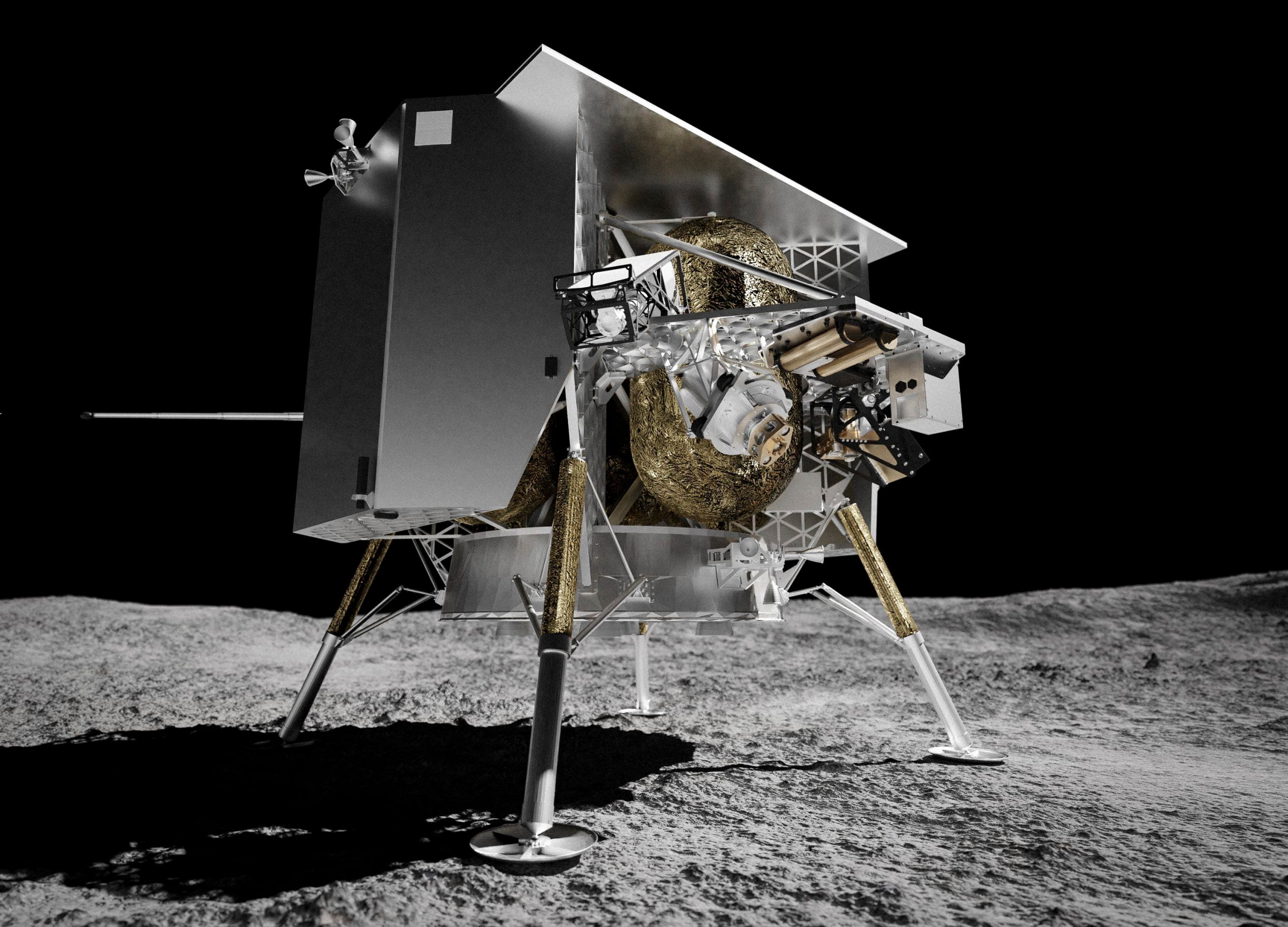
This illustration provided by Astrobotic Technology in 2024 depicts the Peregrine lunar lander on the surface of the moon. (Astrobotic Technology via AP)
Astronauts will have to wait until next year before flying to the moon and another few years before landing on it, under the latest round of delays announced by NASA on Tuesday.
The space agency had planned to send four astronauts around the moon late this year, but pushed the flight to September 2025 because of technical issues. The first human moon landing in more than 50 years also got bumped, from 2025 to 2026.
The news came barely an hour after a Pittsburgh company abandoned its own attempt to land its spacecraft on the moon because of a mission-ending fuel leak.
Launched on Monday as part of NASA's commercial lunar program, Astrobotic Technology's Peregrine lander was supposed to serve as a scout for the astronauts. A Houston company will give it a shot with its own lander next month.
NASA is relying heavily on private companies for its Artemis moon-landing program for astronauts, named after the mythological twin sister of Apollo.
James Gallagher, CEO and Co-Founder of GreenLite, discusses the challenges of rebuilding the fire-affected LA area and how permitting complicates the process.
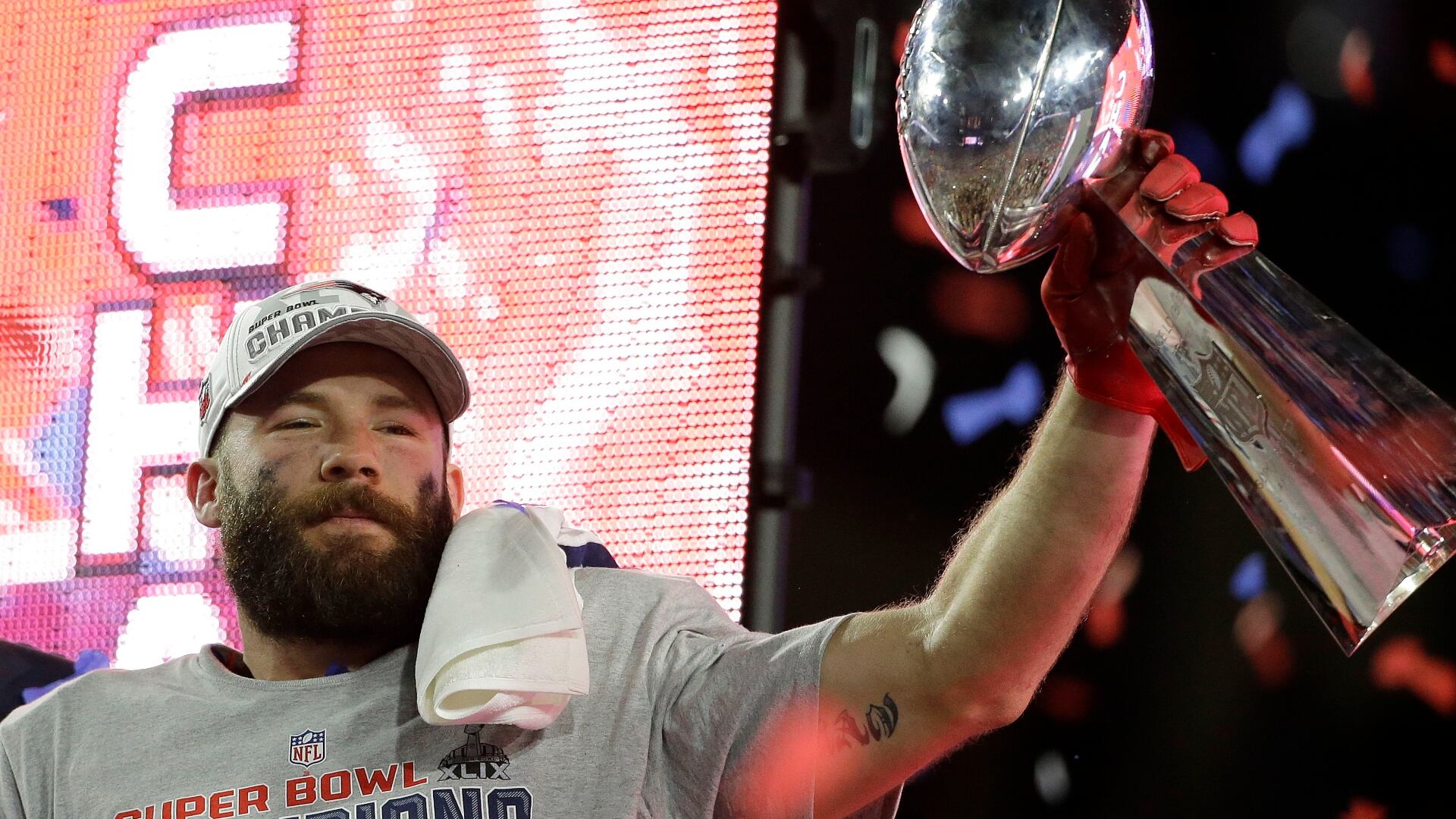
Super Bowl Champion, Julian Edelman, talks Chiefs' conspiracies, his fave TSwift song and his bet for Super Bowl LIX. Plus, the best time for a bathroom break.
Ron Hammond, Sr. Director of Government Relations at the Blockchain Association, breaks down Trump’s plan to strengthen U.S. leadership in financial technology.
BiggerPockets Money podcast is now available on Cheddar Wednesdays at 10am ET! Mindy Jensen shares how her podcast is helping people gain financial freedom.
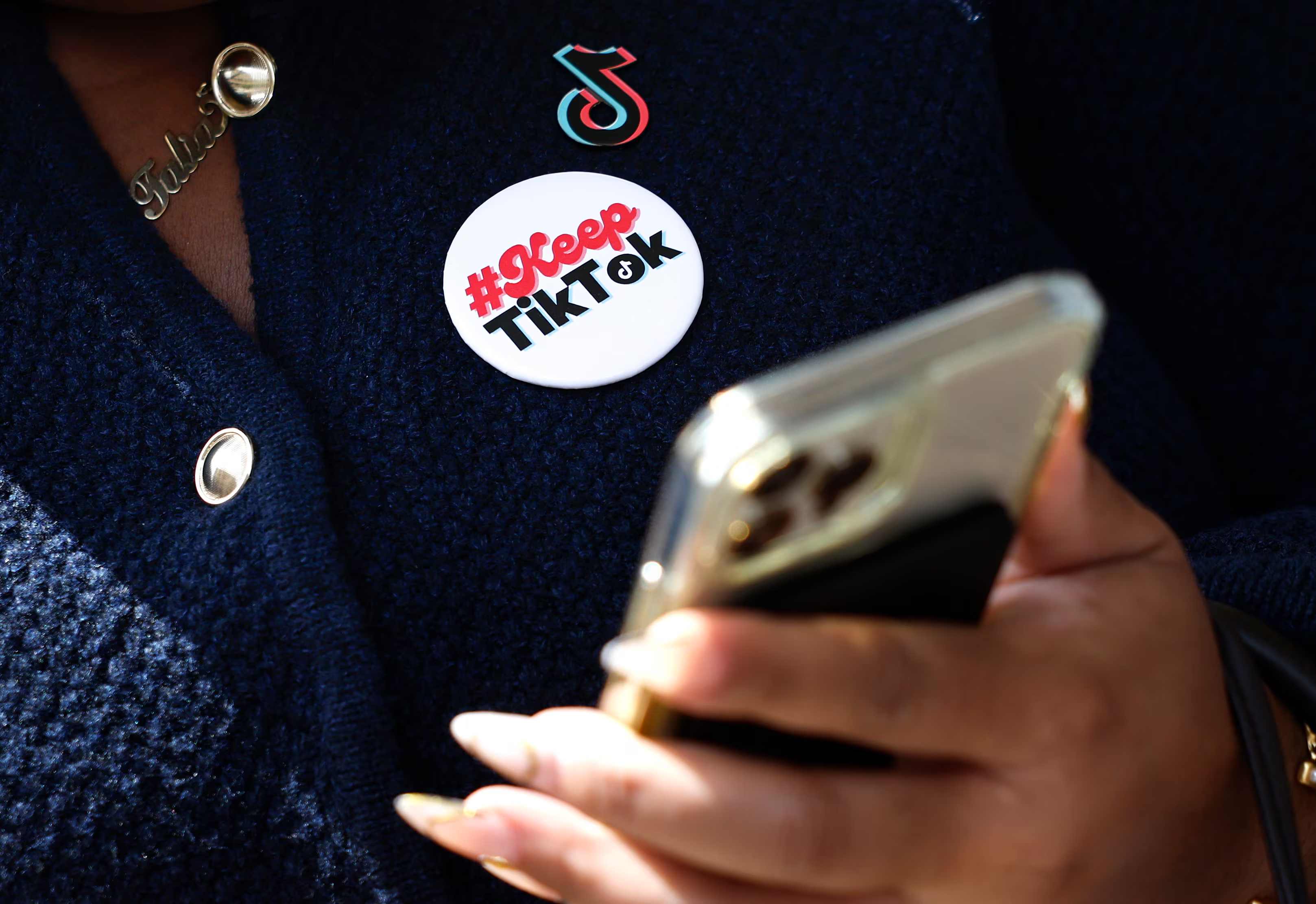
The social video platform's future remains in doubt, as players scramble to profit from the chaos. Plus: Big oil gets bigger, DOGE downsizes, and tariffs!
Ty Young, CEO of Ty J. Young Wealth Management, joins Cheddar to discuss Trump's moves as he returns to Washington D.C. and how it may affect the U.S. economy.
Starbucks’ decision to restrict its restrooms to paying customers has flushed out a wider problem: a patchwork of restroom use policies that varies by state and city. Starbucks announced last week a new code of conduct that says people need to make a purchase if they want to hang out or use the restroom. The coffee chain's policy change for bathroom privileges has left Americans confused and divided over who gets to go and when. The American Restroom Association, a public toilet advocacy group, was among the critics. Rules about restroom access in restaurants vary by state, city and county. The National Retail Federation says private businesses have a right to limit restroom use.