N.J. Moves to Become Most Progressive State on Cannabis
*By Christian Smith*
California is often thought of as the vanguard of marijuana legalization and commerce, but a new bill winding its way through the legislature in New Jersey could put the Garden State on the bleeding edge of pot reform.
State officials are currently negotiating on a marijuana legalization bill that could be the most forward-thinking in the country, said Jake Hudnut, Chief Prosecutor in Jersey City, NJ. The bill, if signed into law, would mean the immediate release of inmates serving time for non-violent pot crimes.
"Jersey City, Newark, and Hoboken ー sort of major stakeholders in New Jersey's landscape for criminal justice issues ー have called on legislators to automatically release anyone in prison right now for marijuana crimes, and to automatically expunge anyone convicted of either possession or distribution," Hudnut said in an interview on Cheddar.
"It will, by far, be the most progressive stance that any of the nine states and District of Columbia have taken."
Efforts to legalize recreational marijuana have been slow to move along in New Jersey, despite the issue being one of Governor Phil Murphy's key campaign issues. Hudnut said that's because he believes both the Governor's Office and New Jersey State Legislature want to build a coalition the first time around in order make the most impact and serve as a road map for other states.
"I have to give Trenton credit. It seems that they want to get it right," Hudnut said.
Hudnut added that the two branches of New Jersey government will likely release one bill together and hold hearings on that joint bill.
The bill's timeline is still unclear. Hudnut said he believes the bill will be released by the end of September, hearings will be held in October, and that legalization will happen by the end of the year.
"Maybe it'll be a green Christmas," Hudnut said.
For full interview [click here](https://cheddar.com/videos/new-jersey-inches-closer-to-legalizing-recreational-marijuana).
While the U.S. may slowly be on the path to lowering inflation (and therefore interest rates), Europe has thoroughly trounced America, putting it on the path to lower rates by this summer.
April's release of the monthly Housing Starts and Building Permits reports by the Census Bureau provides crucial insights into the construction activity in the housing market. These reports are an economic indicator, shedding light on the current state of the housing market and its broader economic impact.
Caitlin Clark is heading to the Indiana Fever, the number one draft pick and the highest-scoring college basketball player of all time. And while she may not be getting millions from the WNBA, there's a few ways she'll net compensation for her generational talents.
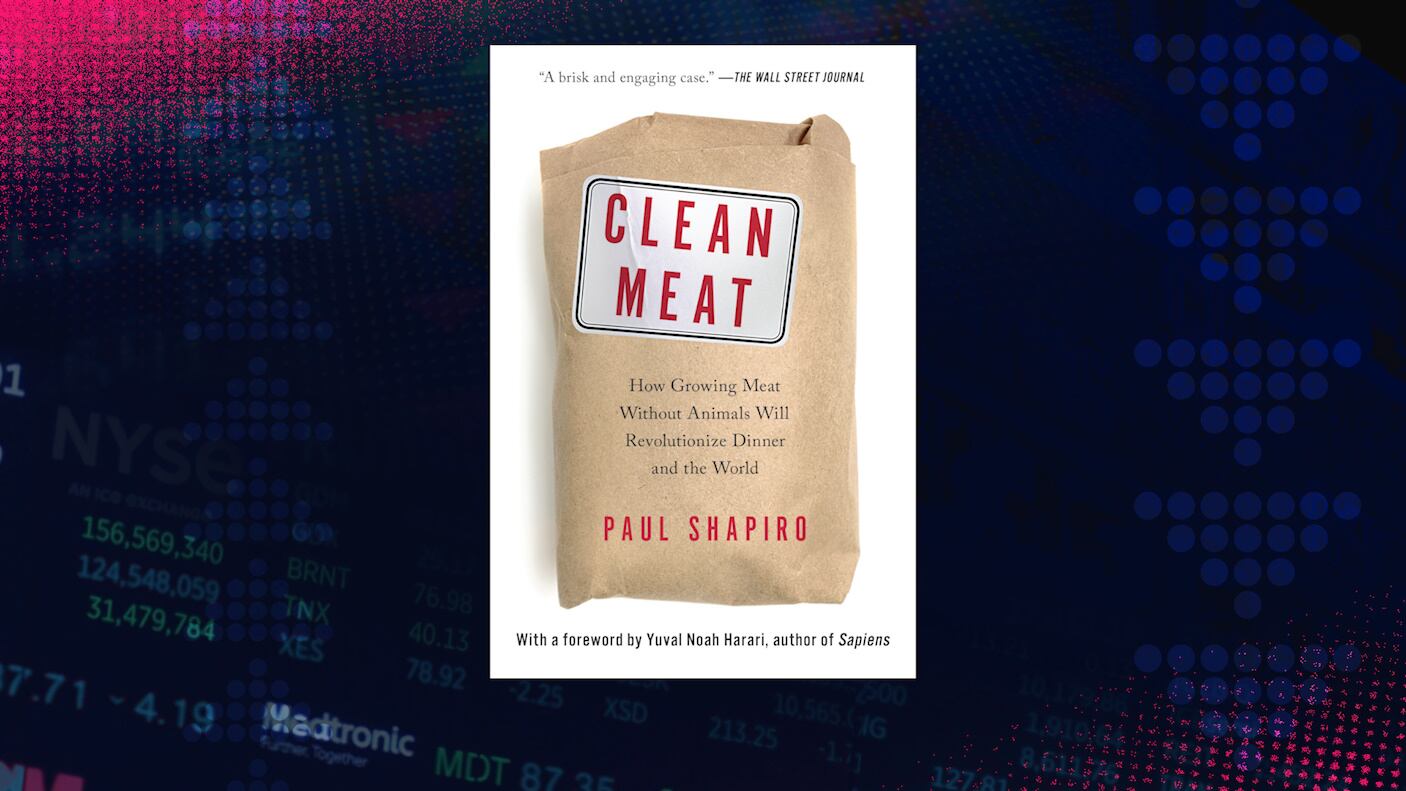
Author of 'Clean Meat,' Paul Shapiro joins Cheddar to discuss how the cellular agricultural revolution helps lower rates of foodborne illness and greatly improves environmental sustainability. Plus, how his company The Better Meat Co. is bringing healthier food options to the table.
Recent headlines might make it sound like World War III is imminent, but when it comes to your finances, it's not the time to panic. The market is coming off its longest winning streak since 2011.
You may have noticed fewer new venture capital-backed startups (like Airbnb or Uber) lately. The market slowed to a crawl after 2021, but things are expected to take off again in 2025.
Corporate earnings season is underway, that time when companies share their billions in sales or double-digit profits. But the data shows even companies are struggling with high inflation and interest rates.
Boeing continues their terrifying trend of having their planes fall apart mid-flight, inflation — checks notes — is still up and the future of AI looks terrifying. Cheery!
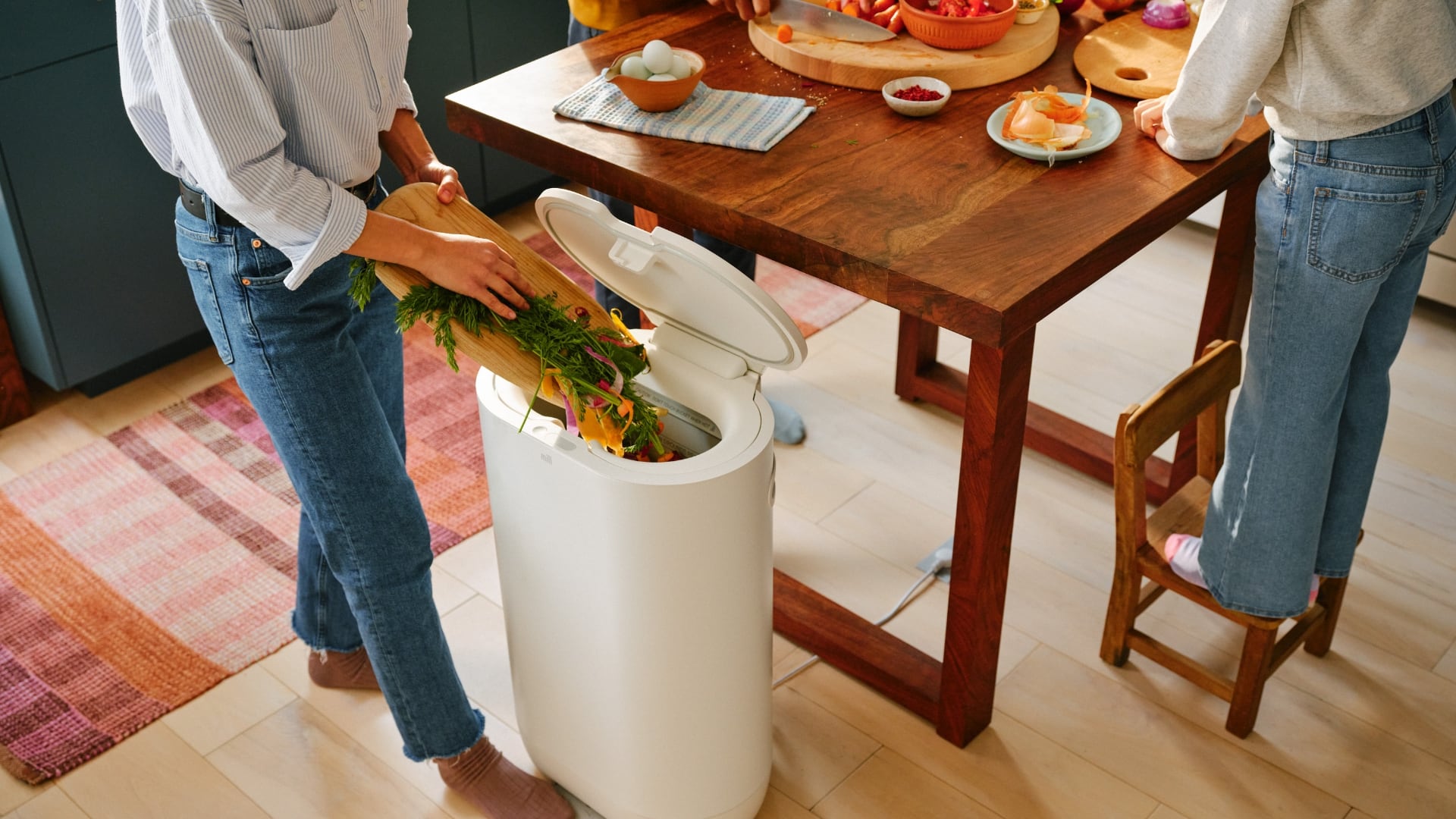
Food waste – uneaten scraps or leftovers sent to landfills – is responsible for 10% of global emissions. Mill, a new product from the co-founder of Nest, thinks technology can play a role in eliminating it.
By the time the 2024 election is over, be prepared to see some form of a recession – but this shouldn’t be as bad as what we experienced in 2020 or 2008.